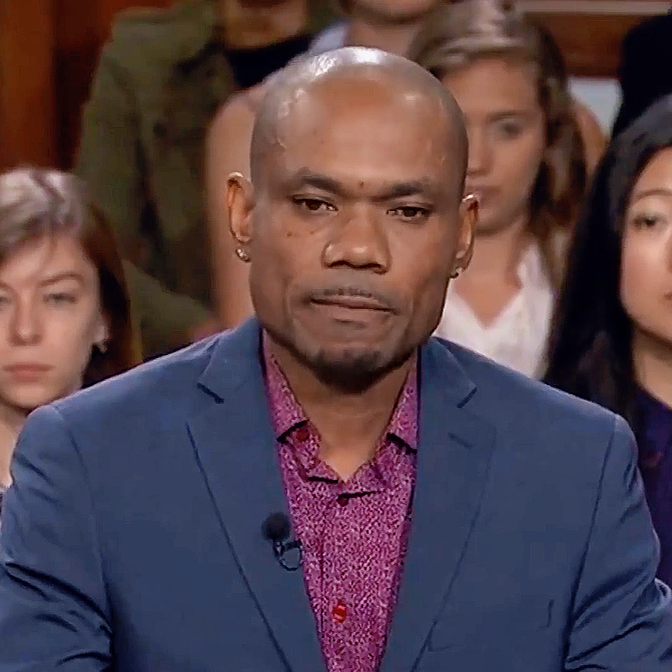
The car had been in Rosalind Britt’s hands for only days when it began running hot. A coolant leak appeared, the vehicle broke down, and the used-car dealer who sold it to her eventually held onto it after repairs began. Britt said she had been promised a 30-day warranty. Christian Yujo pointed to the written contract instead: the Dodge Charger had been sold “as is.”
In a second case, a roommate’s pregnancy became central to a dispute over rent and a security deposit. Florian Khaliqui said Alexa King left owing money. King argued that she had given advance notice that she planned to leave, and that her deposit had not been properly returned.
Both cases turned on a question that is less dramatic than the conflict itself but more decisive in court: what did the written agreements actually say?
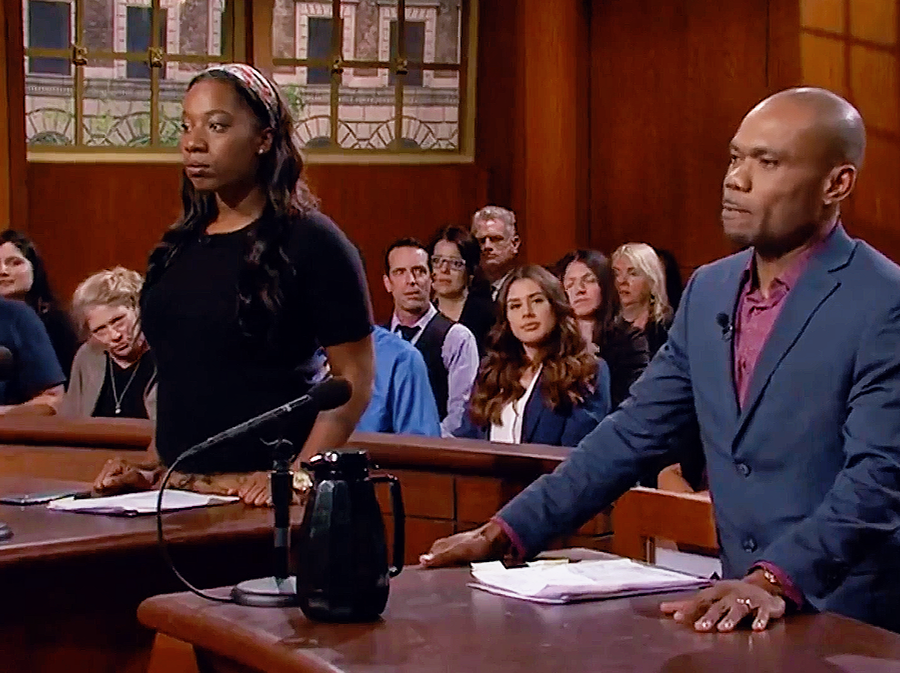
Case One : The Dodge Charger Sale
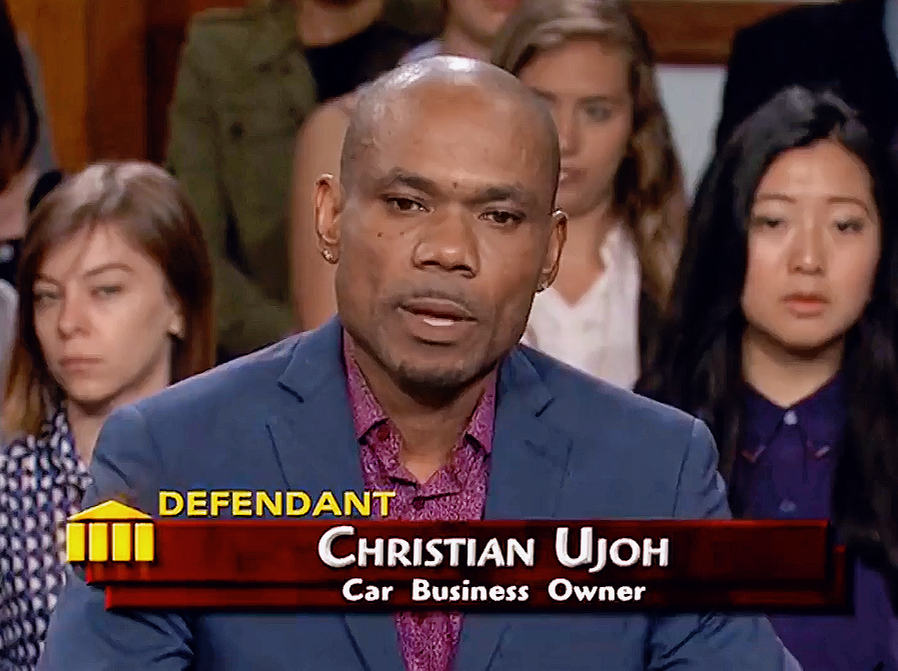
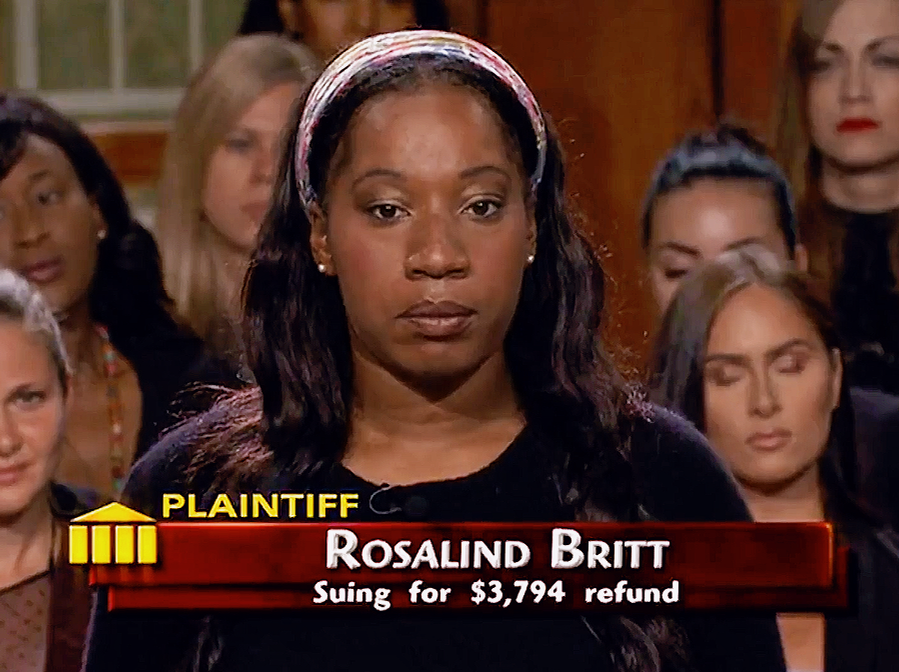
The first case involved Rosalind Britt and used-car lot owner Christian Yujo. Britt said Yujo had illegally repossessed her vehicle. Yujo countersued over the unpaid balance, repairs, rental costs, and towing fees.
Yujo told the court that he had been in the used-car business for five years. He had purchased the vehicle—a dark, 2007 Dodge Charger—at American Auto Auction in 2017. The purchase price was stated as $3,980, plus a $350 buyer fee. He bought three cars at the auction that day, but the Charger was the most expensive of them.
He later sold it to Britt. The evidence and testimony placed the sale in March 2018. The original cash price was $5,500, but the payment arrangement increased the total to $6,500. Britt paid $2,500 down and later made another payment of $800 rather than the additional $1,000 referenced in the agreement. She took possession of the car after making the down payment and brought it back the next day so a tracking device could be installed because she had not finished paying for it.
For a first-time car buyer, the purchase quickly became a problem.
A Breakdown, a Loaner, and a Disputed Warranty
Britt said the car first showed trouble when it ran hot. She contacted the dealership’s secretary and brought the vehicle in around March 23, explaining that she believed the coolant was leaking. The dealership’s mechanic added coolant, but Britt said it came back out within about an hour.
The vehicle later broke down on April 2, which Britt identified as Easter. According to her testimony, the dealer’s mechanic said the car needed a new motor. Britt found a replacement motor herself, but Yujo did not want to use it because, she said, it had no warranty. Yujo then found another motor and told her she would have to pay for it and for the labor.
Britt maintained that Yujo had verbally promised a 30-day warranty. Her understanding was that if something happened to the motor, the dealer would pay for either the part or the labor. But the written sale documents did not contain that promise.
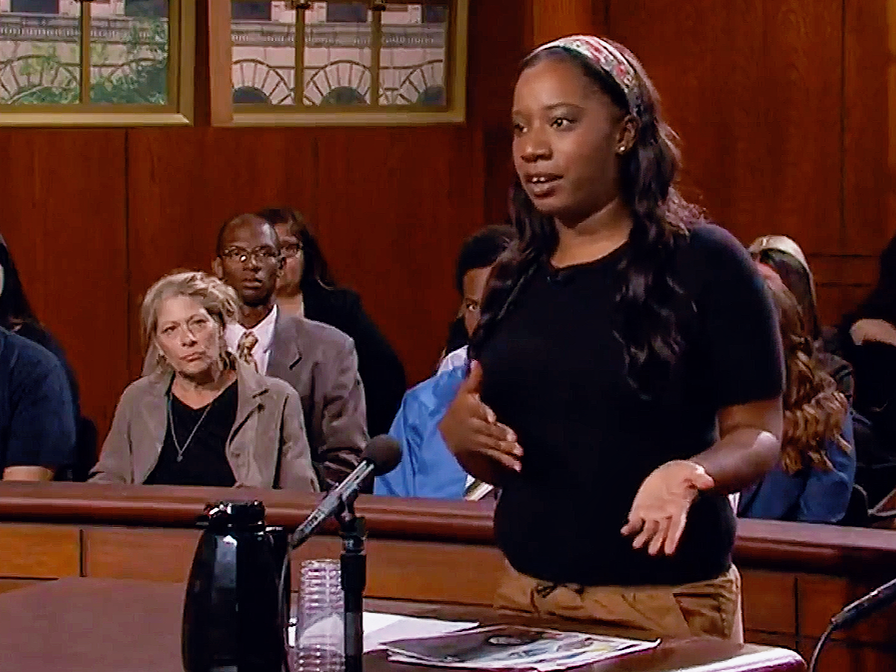
While the Charger was unavailable, Yujo provided a loaner vehicle. When that vehicle also broke down, he provided another one, which Britt said she kept for approximately two and a half weeks without being charged. The judge emphasized that the written agreement did not require Yujo to provide loaner cars, even though he had done so.
Yujo testified that he paid $1,800 for the replacement motor and about $500 to have it installed. He said he had told Britt the motor would cost $1,800 and that she would need to pay before collecting the car. Britt disputed what had been said and argued that the verbal warranty should have protected her.
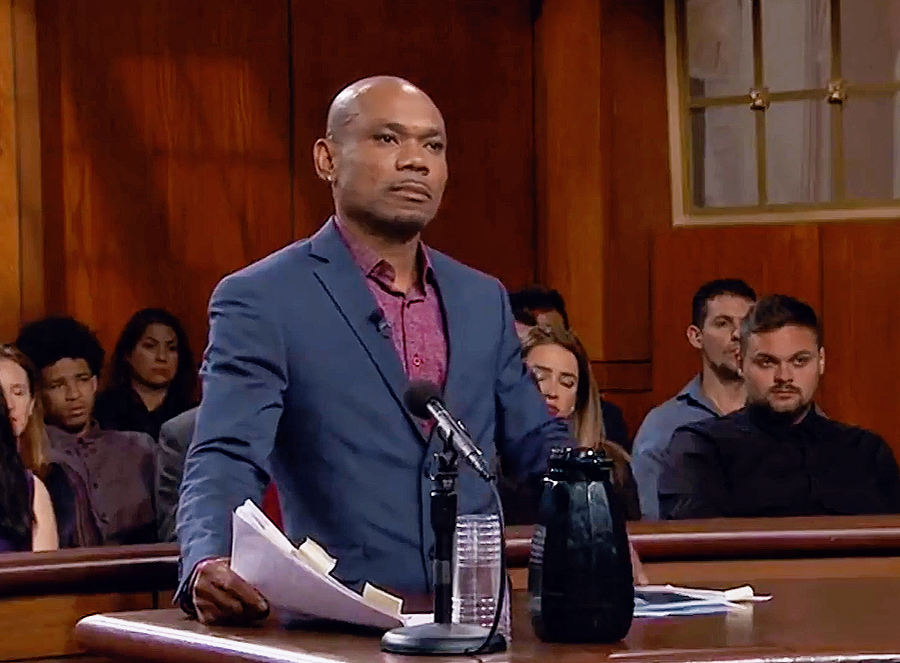
Why the Written Contract Controlled
The decisive document was the bill of sale. It stated that Britt was purchasing the 11-year-old vehicle as is. The agreement also excluded warranties from the seller, while allowing for any warranties that might come from the manufacturer.
The judge explained that when a written contract exists, a claimed modification generally must be put into writing and signed by the parties with the same formality. A verbal promise could not replace the clear language of the agreement in this case.
The judge also pointed to another written term: Britt was expected to bring in $1,000 by a specified date. She brought $800. Britt said Yujo had agreed to accept the smaller amount, but that agreement was not written into the contract. The court therefore treated the written terms as controlling.

The judge distinguished between a seller making optimistic statements about a used vehicle and making a legally enforceable warranty. A buyer might hear a sales pitch describing a car as dependable or well cared for, but those statements do not necessarily override an express “as-is” clause. The court’s message was direct: a buyer of an older used car should arrange an independent inspection before paying.
That warning was particularly relevant because Yujo had bought the Charger at auction and, according to the court, did not have a complete history of the vehicle. An inspection might not have guaranteed a perfect purchase, but it could have given Britt more information before she committed her money.
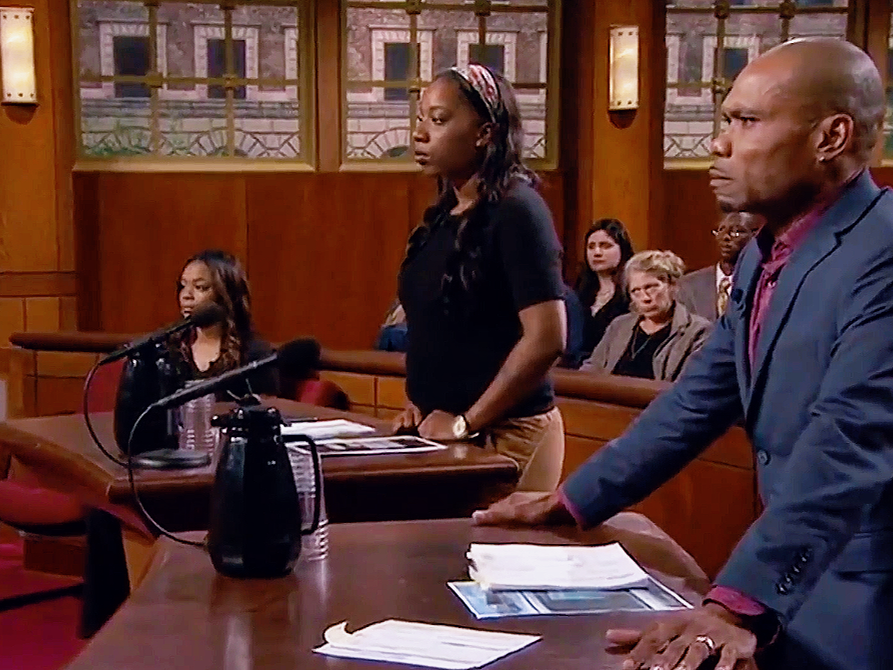
The Ruling in Britt v. Yujo
Britt’s case was dismissed. The court held that Yujo was not required under the agreement to repair the vehicle, provide loaner cars, or honor the alleged oral warranty. Because the car had been repaired with a new motor, the judge told Yujo that he now had a functioning vehicle in which Britt had paid approximately $3,300.
The court also rejected the idea that Yujo had suffered no benefit from holding the car. Yujo had spent $1,800 on the motor and about $500 on labor, but the court noted that those costs were close to the amount Britt had already paid. The judge instructed him to sell the car and recover the money he had spent, while emphasizing that he was not entitled to keep both the vehicle and Britt’s money.
The result was not a finding that the car had been problem-free. The court acknowledged that needing a new motor after such a short period was deeply unfortunate. But the legal question was narrower: whether the written agreement required the seller to absorb the repair costs. On that question, the court found that it did not.
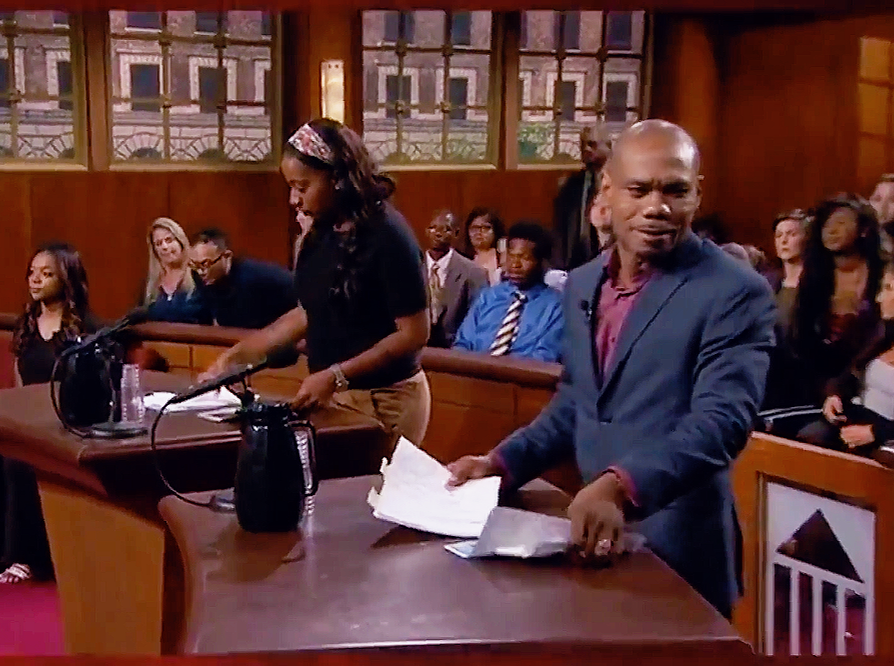
Case Two : The Roommate Lease Dispute
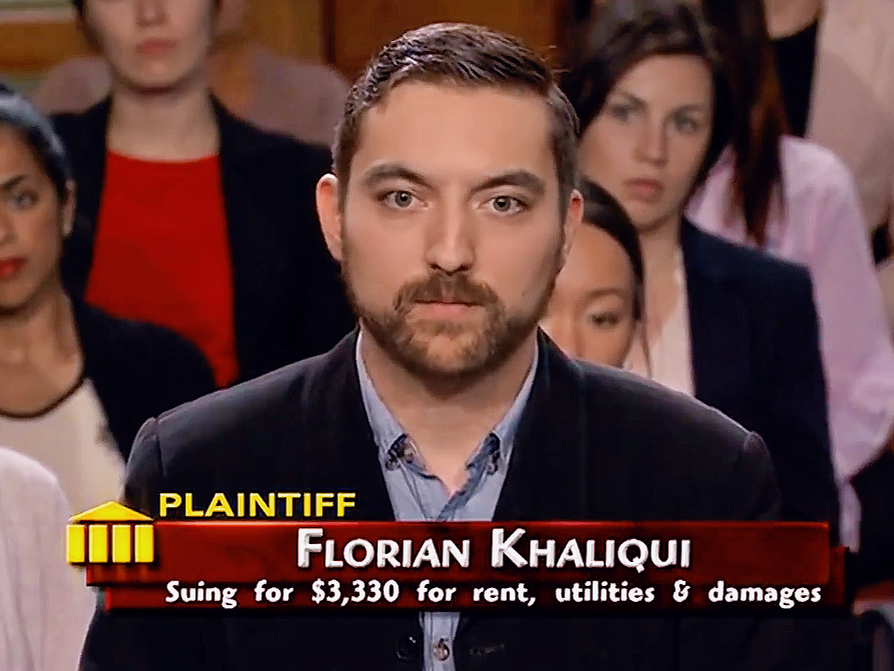
The second case involved Florian Khaliqui and his former roommate, Alexa King. Khaliqui sued King for unpaid rent, utilities, and damage to her room. King countersued for the return of her security deposit.
Khaliqui held the primary lease on a three-bedroom townhouse. He signed it on March 31, 2017, for total rent of $1,500. After moving in, he added roommates. One roommate, identified as Nick, paid $500. King moved in around May 21, 2017, and paid $550 in rent.
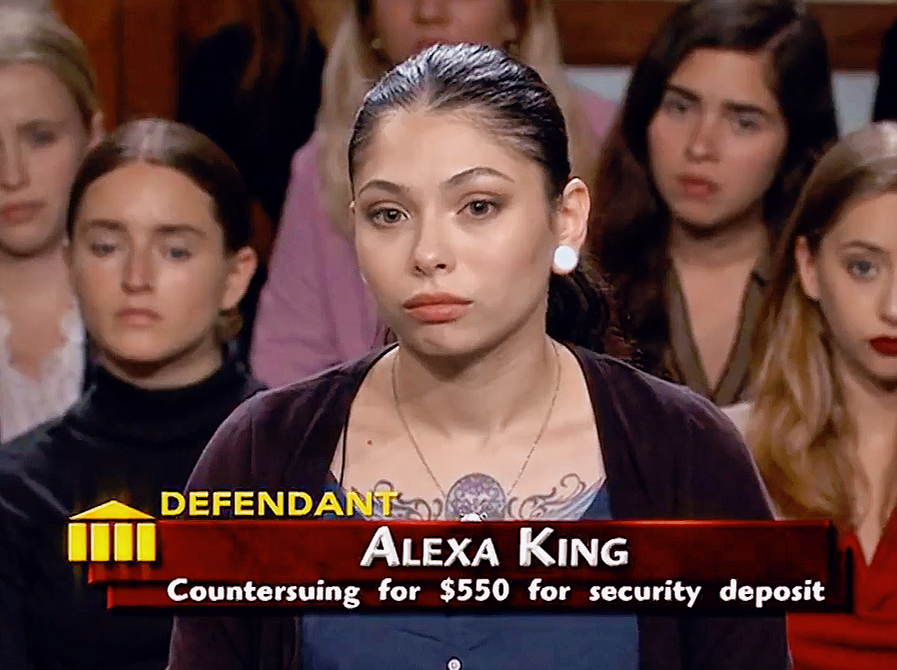
The roommates did not sign directly with the landlord. Instead, they signed a one-year arrangement with Khaliqui, added to his primary lease as an amendment. King also paid Khaliqui a $550 security deposit. Khaliqui testified that he kept the deposit.
King left in mid-November. Khaliqui confirmed that she paid November’s rent. The dispute then turned to the condition of her room and what happened after she moved out.
The Security Deposit Evidence
Khaliqui said King’s cat had scratched the room and vomited on the carpet, requiring cleaning. But he did not conduct a walkthrough of the room with King because she had already left. The court then examined the cleaning bill.
The document showed a $135 charge for carpet cleaning in three rooms, even though King had occupied only one. When questioned, Khaliqui acknowledged that the work had been done at the same time for the townhouse as a whole.
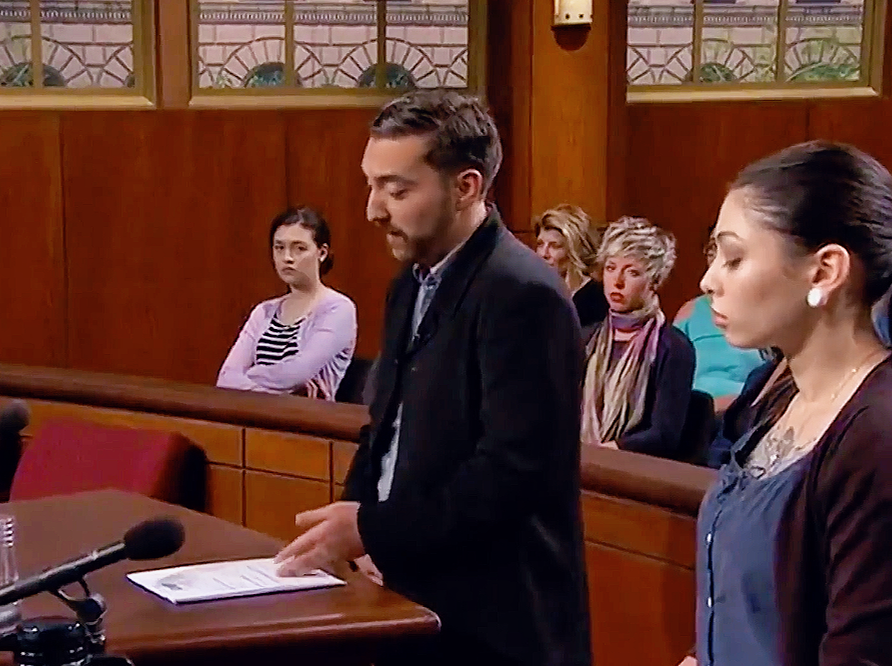
The judge calculated that King could, at most, be responsible for one-third of the $135 bill—$45. That left $505 of her $550 security deposit to be returned. Khaliqui also raised a $300 pet deposit that King allegedly had not paid, along with another $200 amount, but the judge did not allow those assertions to replace the documented calculation.
The exchange showed why evidence mattered. A claim that a tenant caused damage was not enough by itself to justify withholding an entire deposit. Khaliqui, who held the primary lease and collected King’s deposit, still had to connect the requested deduction to her actual share of the expense.

Pregnancy, Notice, and the Unpaid-Rent Claim
Khaliqui also sought rent for several months after King left. The judge identified the period as December through April—five months of rent. King said she had told Khaliqui she was pregnant and intended to move home to live with her mother when the baby was born.
The testimony placed King’s notice earlier than Khaliqui remembered. Khaliqui said he believed she told him in October 2017. King testified that she told him on June 23, 2017, soon after learning she was pregnant. Khaliqui acknowledged that she had given him advance notice that she planned to leave when the baby arrived, although he said she also promised to find someone to take over the sublet or continue paying.

The judge focused on the practical consequence of that notice. Khaliqui had approximately five months to find a replacement roommate. Rather than waiting for King to locate someone, the judge said Khaliqui could have advertised for a new roommate he would be comfortable living with. His failure to do so weakened his claim for five additional months of rent.
The judge also questioned Khaliqui’s credibility because of the way he handled the security deposit. The court described his explanations for keeping it as unconvincing and noted that he had not properly accounted for the money. That credibility problem affected the broader unpaid-rent claim.
The Ruling in Khaliqui v. King
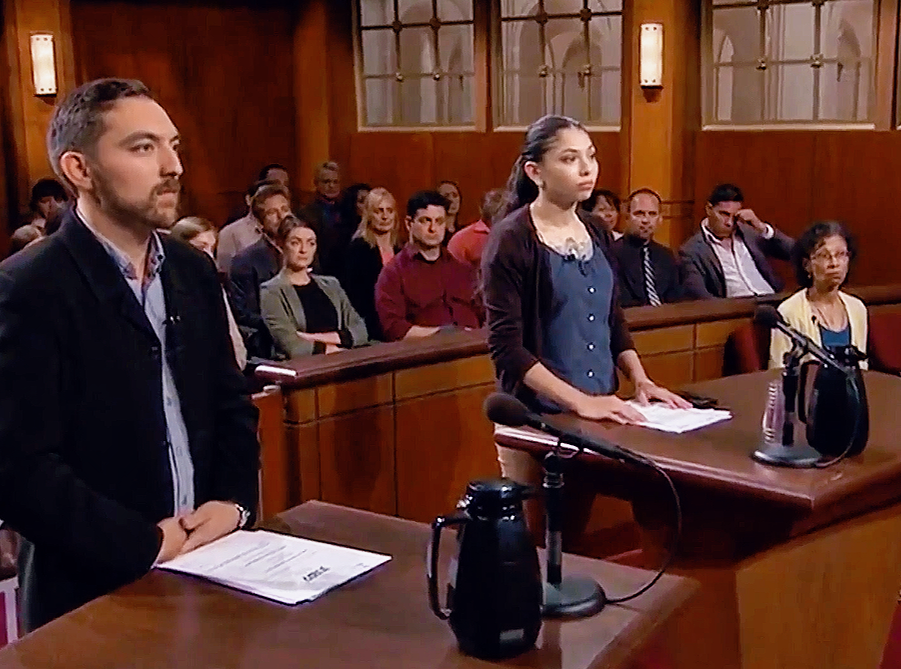
Khaliqui’s main case was dismissed. On King’s counterclaim, the court ordered Khaliqui to return $505 from her security deposit.
The ruling did not erase every disagreement between the former roommates. It did, however, apply a clear accounting: King could be charged only for her share of the documented carpet-cleaning cost, not the full bill for three rooms. And because Khaliqui had received substantial notice of her planned departure, the court did not make King responsible for five months of rent after she left.
Together, the two cases illustrate the same courtroom principle from different settings. In the car dispute, the written “as-is” clause controlled the repair question. In the roommate dispute, the documented expense and the parties’ notice shaped the security-deposit and rent analysis. In both matters, testimony alone could not overcome the records—or the gaps in them.
FAQ
What happened in Rosalind Britt’s case against Christian Yujo?
Rosalind Britt sued used-car lot owner Christian Yujo after he retained her Dodge Charger following mechanical problems and repairs. The court dismissed her case because the written agreement sold the 2007 vehicle “as is” and did not include the alleged 30-day warranty.
Did Christian Yujo have to pay for the Dodge Charger’s motor?
The court said the written agreement did not require Yujo to repair the car. Yujo testified that he paid $1,800 for the replacement motor and about $500 for labor. The judge instructed him to sell the repaired vehicle and recover those costs rather than keep both the car and Britt’s payments.
How much security deposit did Alexa King recover?
Alexa King recovered $505 of her $550 security deposit. The court found that only one-third of a $135 carpet-cleaning bill—$45—could be attributed to her room.
Why was Florian Khaliqui’s rent claim dismissed?
The court found that Khaliqui had received advance notice that King planned to leave when her baby was born. Because he had approximately five months to seek a replacement roommate and did not do so, the court dismissed his claim for additional rent.
What are the main lessons from these two Judge Judy cases?
The cases emphasize the importance of reading written contracts, documenting repair and cleaning costs, conducting move-out inspections, and responding promptly when a tenant or roommate gives notice of leaving. Verbal understandings and broad claims are difficult to enforce when the written record says something else.