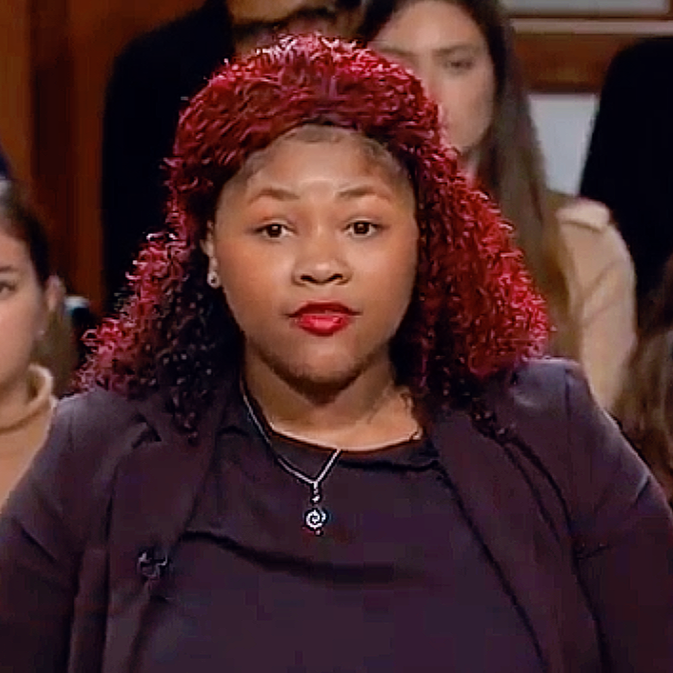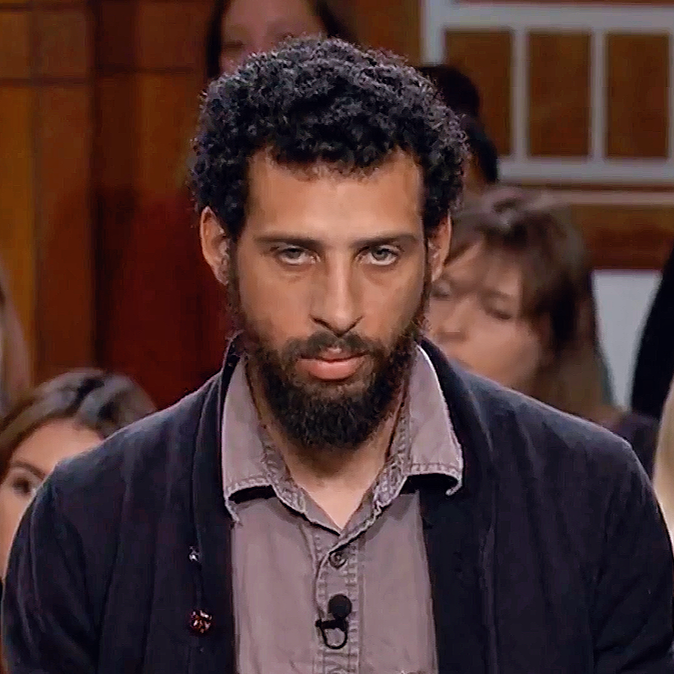
One case began with an argument over rent and ended with an arrest. The other began with a promise of a puppy and ended with a judge questioning whether an emergency labor had been left to chance. In both disputes, Judge Judy had to sort through competing memories, missing witnesses, written statements, and agreements that appeared to mean different things to the people who made them.
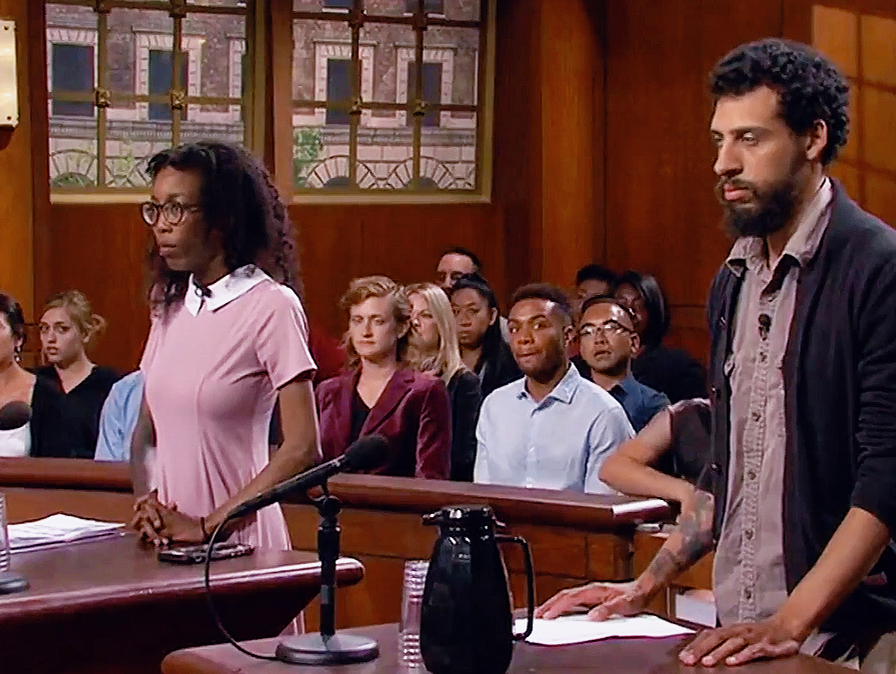
Case One : A financial argument turns physical
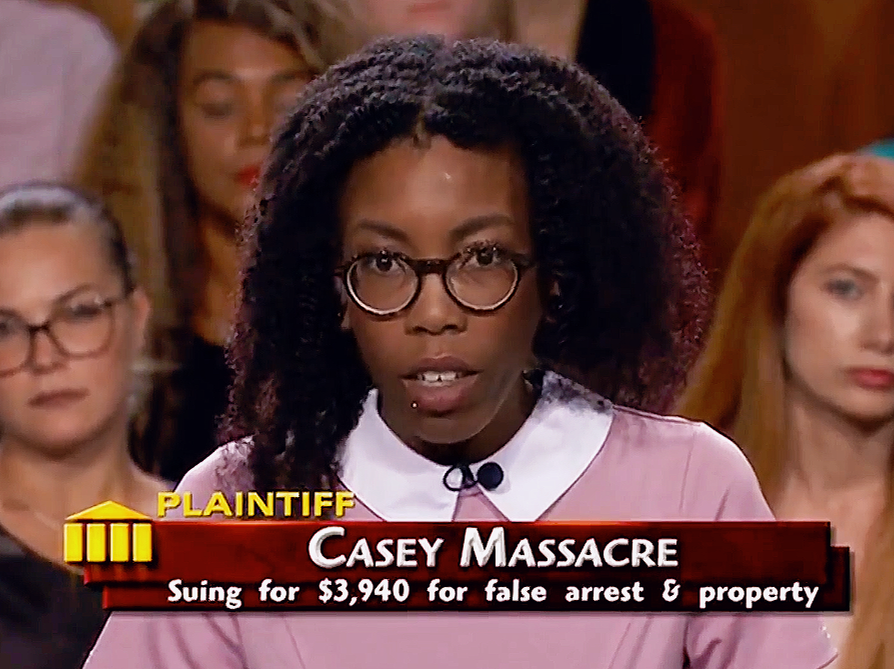
The first matter on the calendar was Massacre versus Peralta, involving Casey Massacre and her former boyfriend, Daniel Peralta. Although the relationship had ended, the pair had continued living together for roughly a year. By Casey’s account, money was at the center of the conflict. She said the couple had been arguing about her financial contribution and whether she was paying enough toward the rent.
The dispute took place on February 6. Casey said she was working and contributing a small portion of the rent, while Daniel believed she should pay more. What began as an argument over household finances, however, escalated into a physical confrontation. Both sides indicated that police were called, although the testimony became uncertain over who made the first call. Casey initially said she called; after Daniel disputed that statement, she acknowledged that both of them may have contacted police.
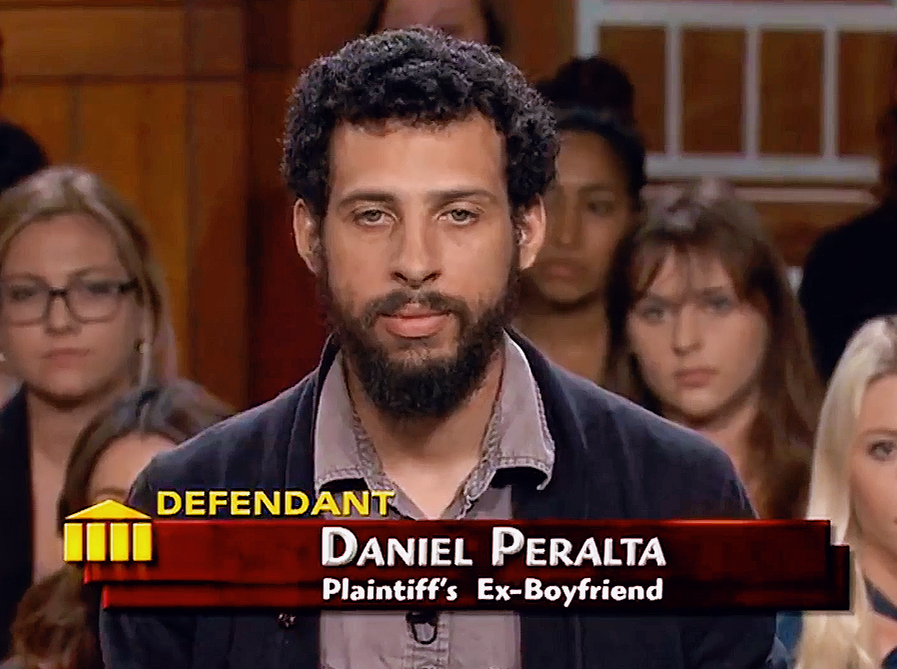
The history between the two was also relevant. Casey told the court that they had previously had a domestic argument that got out of hand and that police had been called to the same house about a month before the February incident. No one had been arrested during that earlier visit because Daniel left before officers arrived.
That background gave the court a larger context: the February dispute was not presented as an isolated disagreement between strangers, but as another episode in a volatile domestic relationship.
The arrest and the competing accounts
Casey’s lawsuit centered on what happened when officers arrived. She said she was arrested because Daniel falsely told police that she had assaulted him. Daniel’s account, as reflected in the police information discussed in court, was different: he had multiple skin abrasions, and he attributed the scratches to Casey’s fingernails.
Casey denied putting her hands on Daniel and denied biting him. She also denied that there had been physical contact between them. But the police account introduced details that complicated that denial. According to the investigation read in court, Casey had said she threw an apple at Daniel and used a lamp to separate herself from him. The account described the apple as being thrown toward a door in front of Daniel; Casey later characterized it as a rotten apple and said Daniel had been blocking the way out.
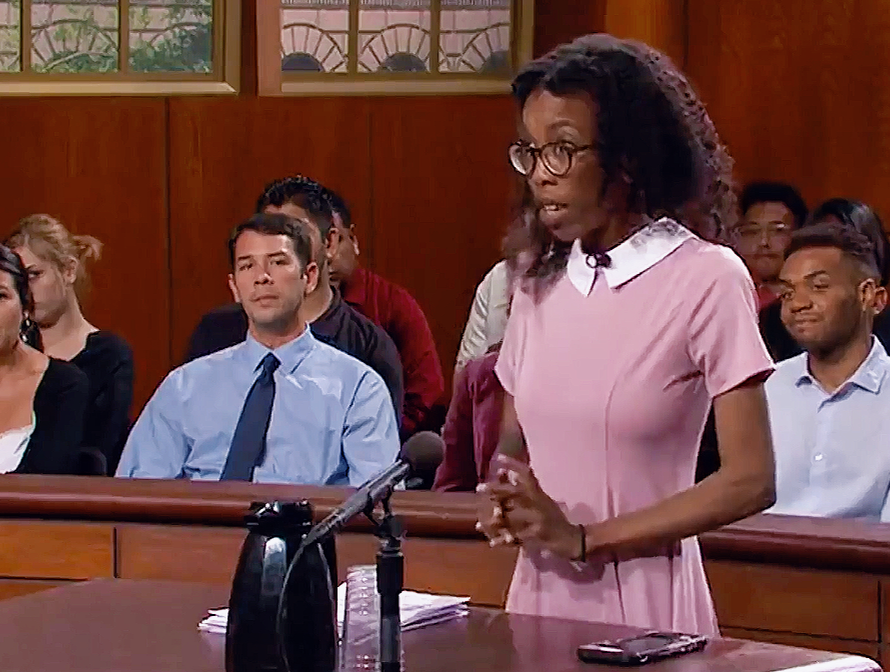
The lamp became central to Casey’s explanation. She said it was a flimsy standing floor lamp that was already broken. In her version, Daniel grabbed it, she grabbed it, and they wrestled over it while she tried to barricade herself and reach the door. She maintained that the lamp was used to create distance, not to attack him.
Casey also described practical barriers to leaving quickly. She said she was disabled, technically immobile, did not drive, and would have needed to gather her service dog and belongings before arranging an Uber. She said she left the house more than once, went to a nearby park, returned, and later went into the backyard. She alleged that Daniel followed her while shouting private matters to neighbors.
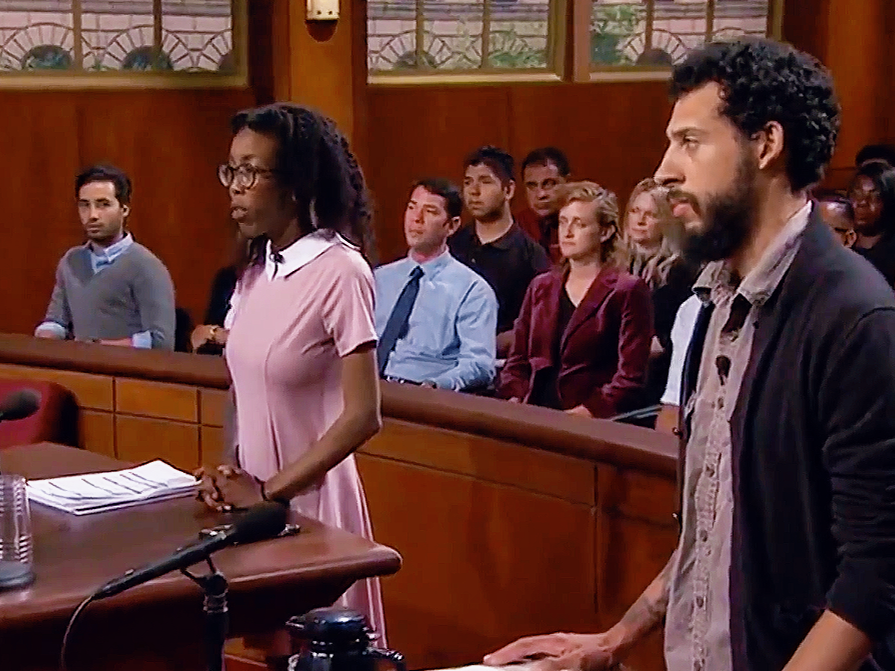
The physical evidence discussed in court did not resolve every question. The officer reported that Daniel had multiple abrasions. Casey had a visible abrasion on her left knuckle, but the investigation found no flesh beneath her fingernails. Based on Daniel’s visible injuries, the officer concluded that Casey was the dominant aggressor and arrested her for domestic violence.
Casey disputed that conclusion. She said Daniel did not have scratches when they initially fought over the lamp and alleged that he was clawing at his own face as officers approached, while police arrived with guns drawn. She also said officers told her they arrested her because of the “O.J. law.” Those claims were part of her account; the transcript does not provide a separate, complete account from every officer involved.
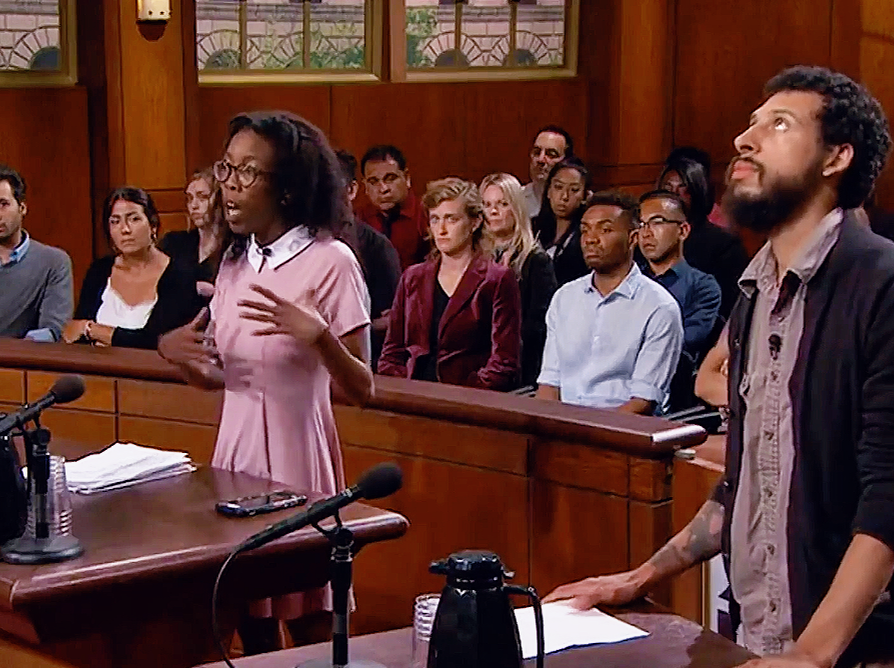
Judge Judy’s response was direct. She emphasized that domestic violence is a serious matter and repeatedly stopped Casey when Casey spoke over her. The judge also made clear that the court was not going to treat the dispute as a simple debt case detached from the alleged confrontation. After the exchange, Casey’s case was dismissed. The program’s closing remarks show the parties still disagreed: Casey said the arrest was false and tied to Daniel’s statement about scratching, while Daniel maintained that he had been physically attacked and said he would not speak to her again.
The dismissal was the court’s ruling on the claim before it. It did not establish that every disputed fact had been independently proven one way or the other.

Case Two : A Boxer breeding arrangement comes to court
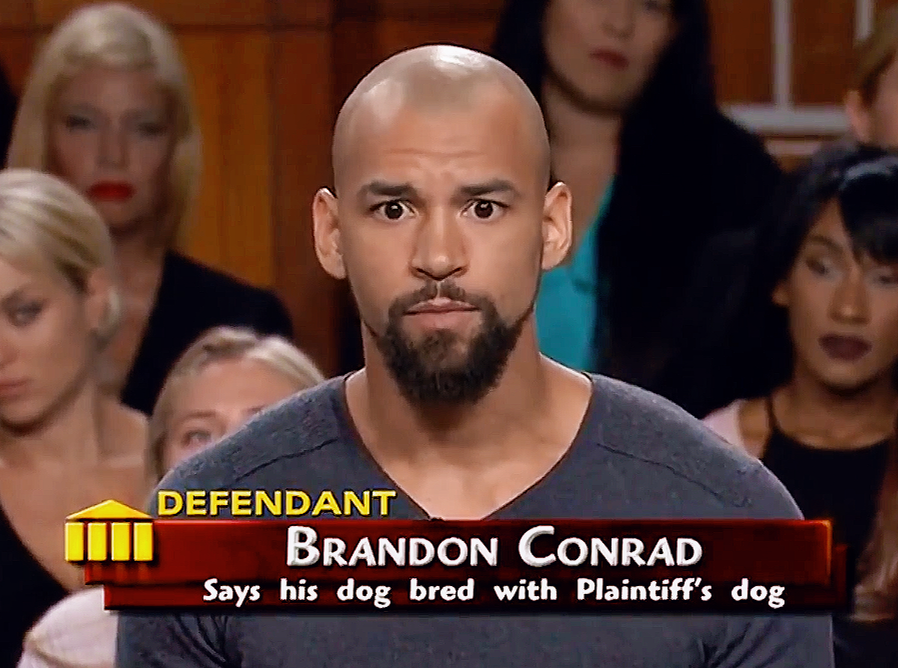
The next case involved Susan Ragan Trouten versus Brandon Conrad. This dispute was less about an arrest and more about what each person believed had been promised after two Boxer dogs were bred.
Susan said she was suing for the cost of a puppy, a stud fee, and travel expenses. She explained that a male Boxer had once belonged to her son, but the dog was then given to a friend named Craig because her son was working long hours and could not care for him properly. The testimony placed that transfer in June of the previous year, before the breeding arrangement with Brandon’s female Boxer.
Judge Judy focused immediately on ownership. By the time the male dog was taken to Brandon’s home for breeding, Susan no longer owned him. She said Craig had the dog and had told them they could breed him. Craig, however, was not in court. Susan brought a note, but Judge Judy said she did not read notes and wanted to hear from the relevant person directly.

Susan nevertheless said she expected to receive a “pick of the litter”—the right to choose one puppy. She wanted the puppy trained as a service dog. The arrangement became difficult to define because the people involved described different obligations. Susan presented it as a breeding agreement that entitled her to a puppy. Brandon said he understood that Susan would pay veterinary bills connected to complications, while Susan denied agreeing to take on those costs.
Brandon also countersued for veterinary bills and defamation of character. The court therefore had to examine not only the promised puppy, but also the consequences of the pregnancy and the emergency that followed.
The labor emergency and the missing agreement
Brandon’s female Boxer was identified in the testimony as Lulu, although a later portion of the transcript renders the name as “Leeloo.” Brandon’s written answer said he confirmed that Lulu was pregnant a month later; it then placed the start of labor on May 17, around 6 p.m. The testimony described prolonged labor and complications.
In the written answer read by Judge Judy, Brandon said the dog labored for two days. On May 19, he took her to an emergency room, where she received an examination and X-rays. The puppies were alive, but their heartbeats were faint, and a C-section might have been necessary. Brandon said he could not afford the procedure and told Susan he needed help. He claimed Susan was interested only in receiving her puppy for free.
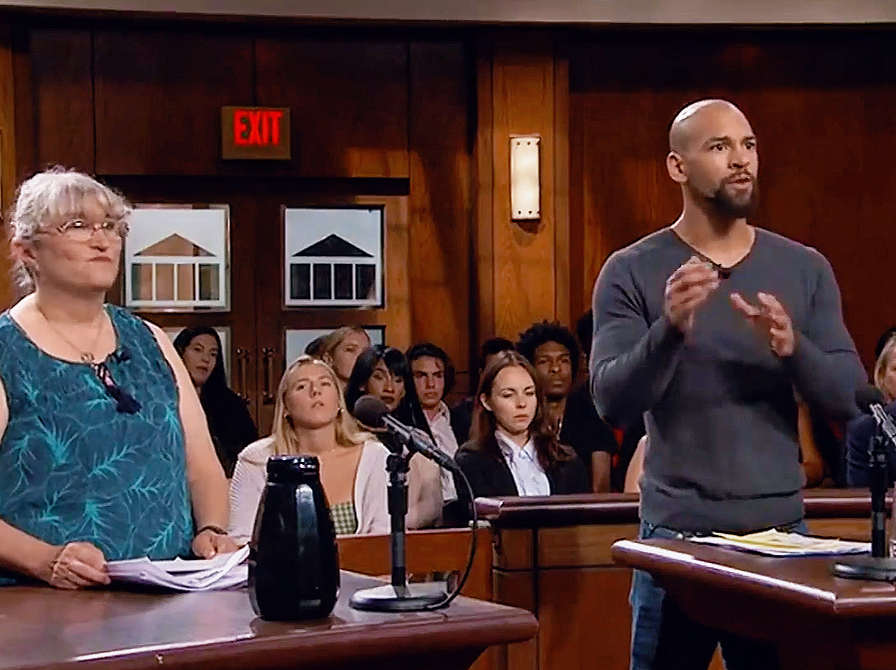
Brandon said he ultimately took the dog home and used online information to learn how to deliver the puppies in an emergency. He described being terrified and said he believed Susan would help if complications arose. Susan’s position was that she had not agreed to pay Brandon’s veterinary bills and that the breeding arrangement did not make her responsible for the consequences of his dog’s pregnancy.
Judge Judy rejected Brandon’s attempt to frame the breeding as a favor. She explained that, in the court’s understanding of ordinary breeding arrangements, the owner of the sire generally receives either a stud fee or the pick of the litter—not a promise that the other party will absorb veterinary costs. At the same time, the judge sharply criticized Brandon’s care of the pregnant dog. She pointed to the extended labor, the lack of money for a veterinarian, and the fact that two puppies died. The surviving litter consisted of six puppies.

Brandon argued that he had researched the issue and believed a dog could labor for up to 24 hours before an emergency. But Judge Judy confronted a contradiction between his spoken account and the written answer. The answer said the dog went into labor on the 17th and was taken to the emergency room on the 19th—two days later. Brandon tried to explain that he had taken her after 24 hours, but the dates did not align neatly in the testimony.
The disagreement was not only about timing. It was also about responsibility. Brandon said he did not intend to put his dog in danger and believed birth was a natural process. Judge Judy challenged that reasoning by focusing on the prolonged labor, the lack of timely veterinary care, and the consequences for the dog and puppies. Her questioning also exposed the practical danger of entering a breeding arrangement without clearly documenting who owns each dog, who pays medical bills, and what happens if the birth becomes an emergency.
The judgments
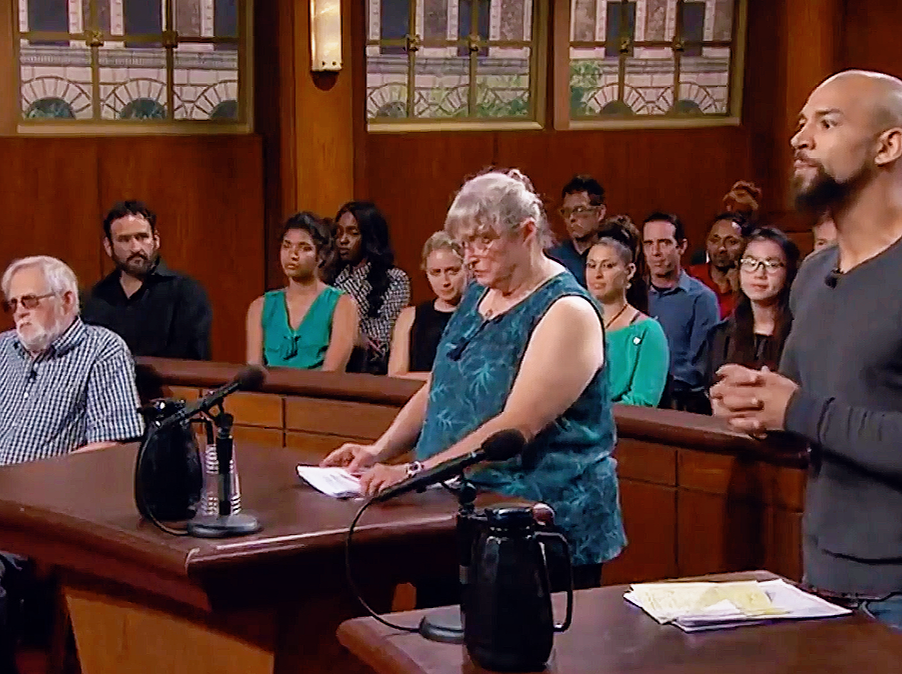
Judge Judy ruled for Susan Reagan Troughton. She held that Susan was entitled to a puppy and the pick of the litter. Susan said she wanted a female and would collect the puppy within five days. The court then ended the matter, declining to hear further argument from Brandon.
Taken together, the two cases turned on different forms of uncertainty. In Casey Massacre’s case, the uncertainty involved who initiated the physical confrontation, how Daniel’s abrasions occurred, and whether the arrest was based on a false account. In Susan Reagan Troughton’s case, the uncertainty involved ownership, the terms of an unwritten breeding agreement, and the timeline of a difficult labor.
In both matters, Judge Judy treated the parties’ own words as evidence—but not as the only evidence. Police reports, visible injuries, absent witnesses, written answers, dates, and the practical consequences of each alleged agreement all shaped the courtroom’s view. The result was a reminder that a dispute can become far more complicated when people rely on assumptions instead of clear records.
FAQ
What was Casey Massacre suing Daniel Peralta for?
Casey Massacre sued Daniel Peralta over what she described as a false arrest after a domestic dispute. She alleged that Daniel falsely told police she assaulted him. Her case was dismissed.
When did the dispute between Casey Massacre and Daniel Peralta happen?
The dispute occurred on February 6, after the former couple argued about finances and rent while still living together.
What evidence was discussed in the domestic-violence case?
The court discussed police reports, Daniel Peralta’s reported skin abrasions, an abrasion on Casey Massacre’s left knuckle, the alleged use of an apple and a broken lamp, and statements attributed to both parties.
What was Susan Reagan Troughton’s claim against Brandon Conrad?
Susan Reagan Troughton sought the cost of a puppy, a stud fee, and travel expenses after a breeding arrangement involving Boxer dogs. Brandon Conrad countersued for veterinary bills and defamation of character.
What did Judge Judy award Susan Reagan Troughton?
Judge Judy ruled that Susan was entitled to a puppy and the pick of the litter. Susan said she wanted a female puppy and would collect it within five days.
Why did the Boxer case become contentious?
The parties disagreed about who owned the male dog, what had been promised in the breeding arrangement, who should pay veterinary costs, and how long Brandon’s dog had been in labor before receiving emergency care.