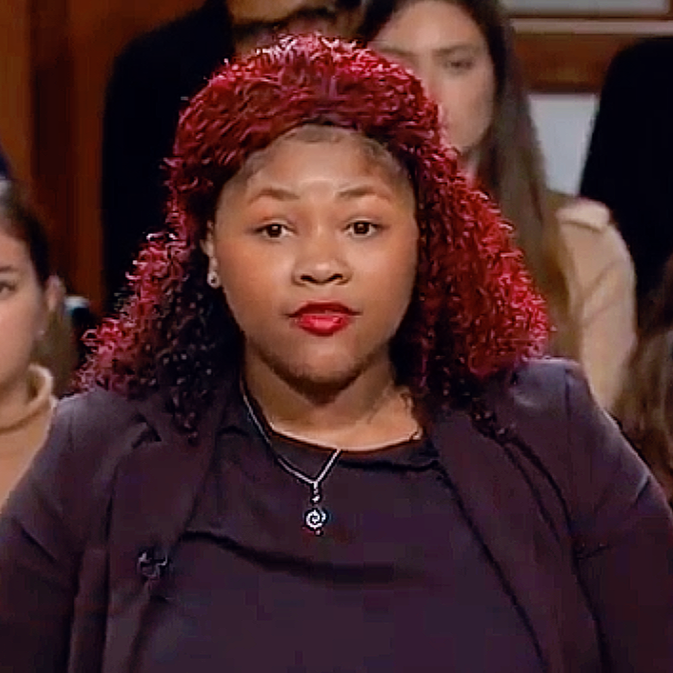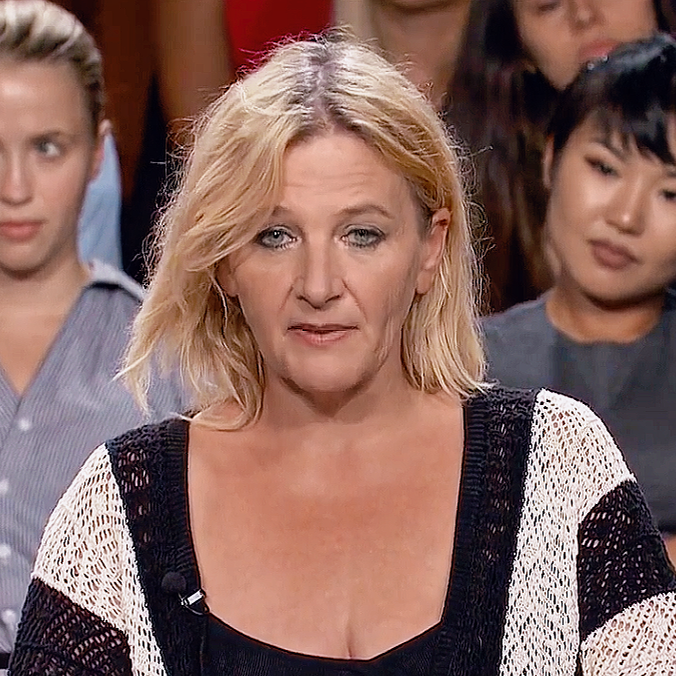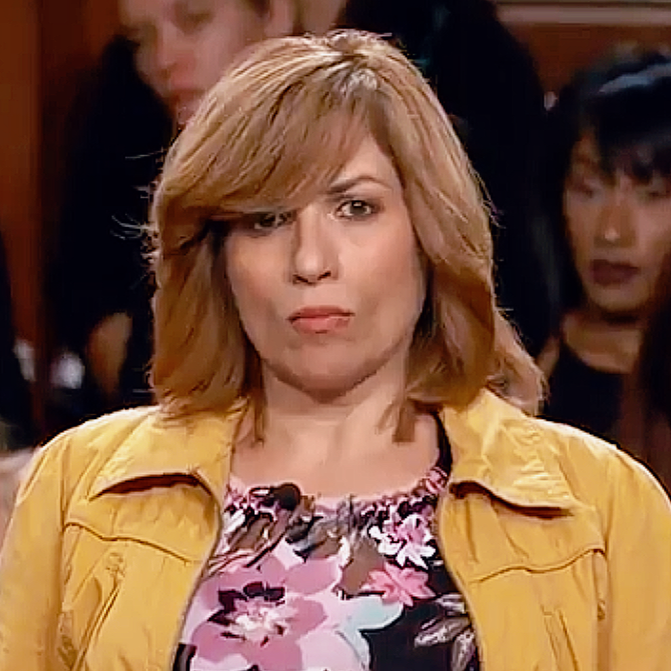
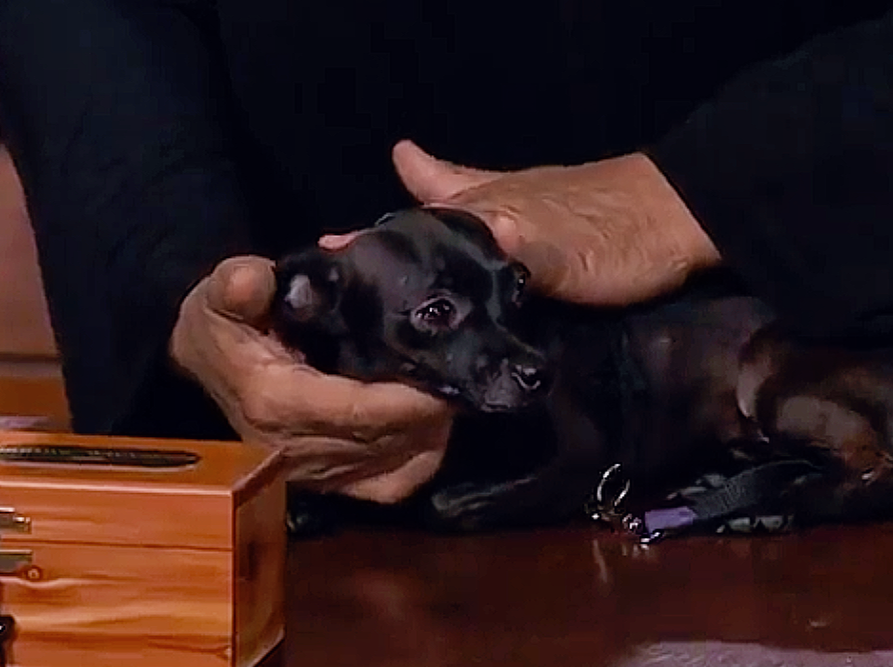
Early in the hearing, Rakesha Jones identified a box as containing her deceased dog. She said the death followed an encounter involving her neighbors’ dogs. Before deciding responsibility, Judge Judith Scheindlin focused on a question that cut through the competing stories: why had two very small dogs been left outside alone when the same fence had already failed once before?
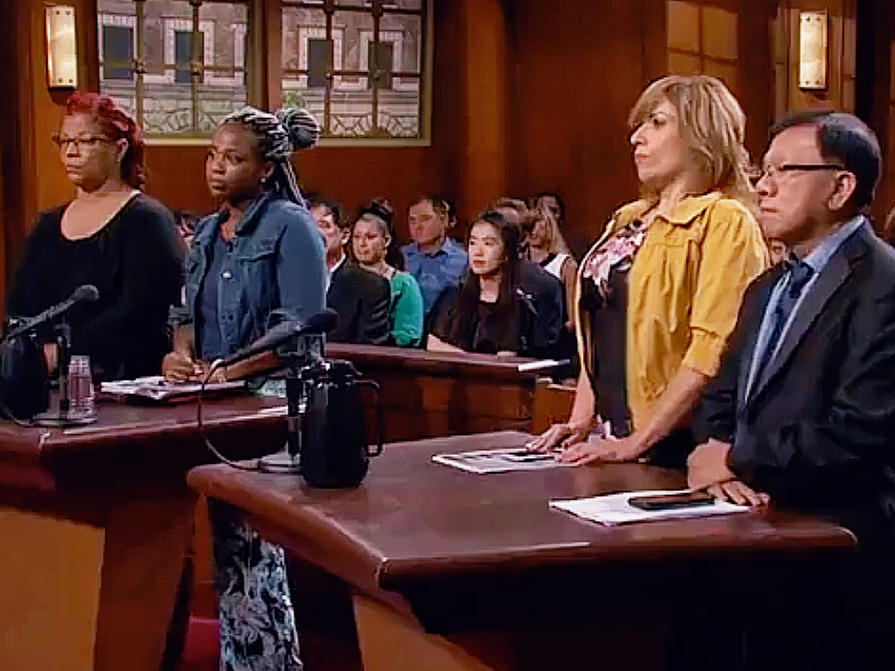
A Case Built Around a Backyard Fence
The dispute began with a family event on May 5. Rakesha Jones and her mother, Yvonne Sherrod, left home for the day, leaving two small dogs in their fenced backyard. The neighboring property belonged to Cherie Nunez-Tremel, whose household included larger dogs, including a white pit bull. Son Nguyen was identified in the case as Nunez-Tremel’s landlord.
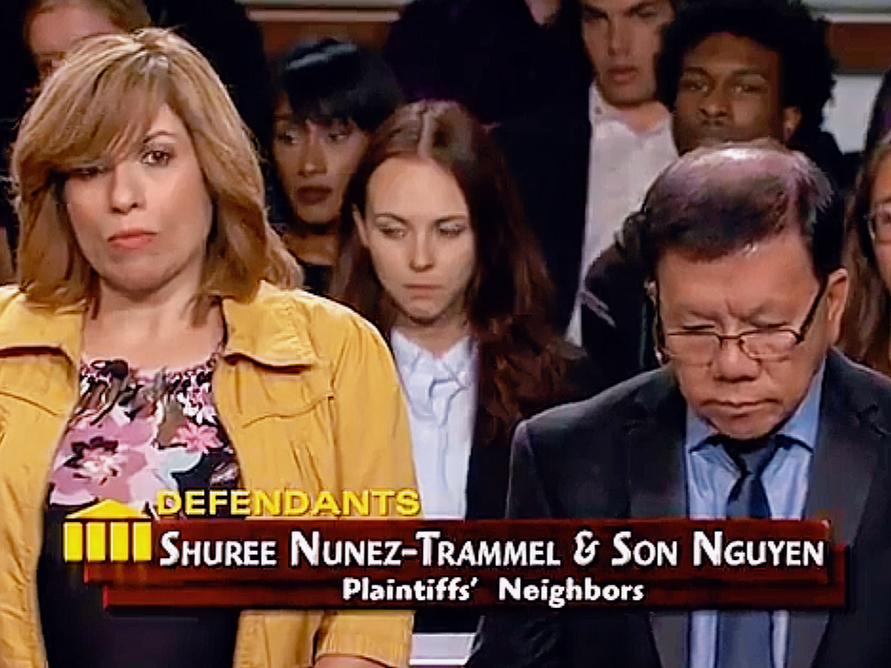
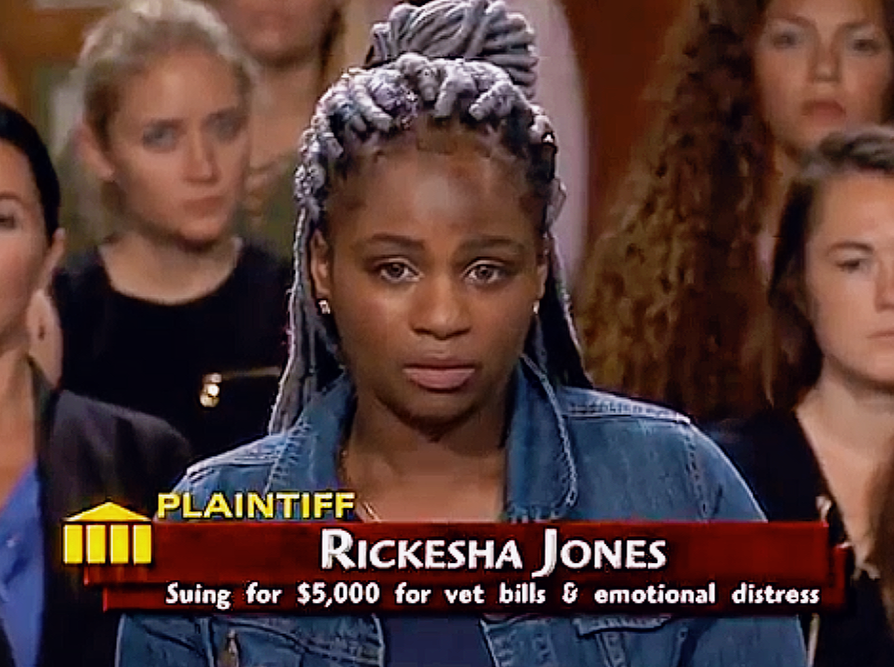
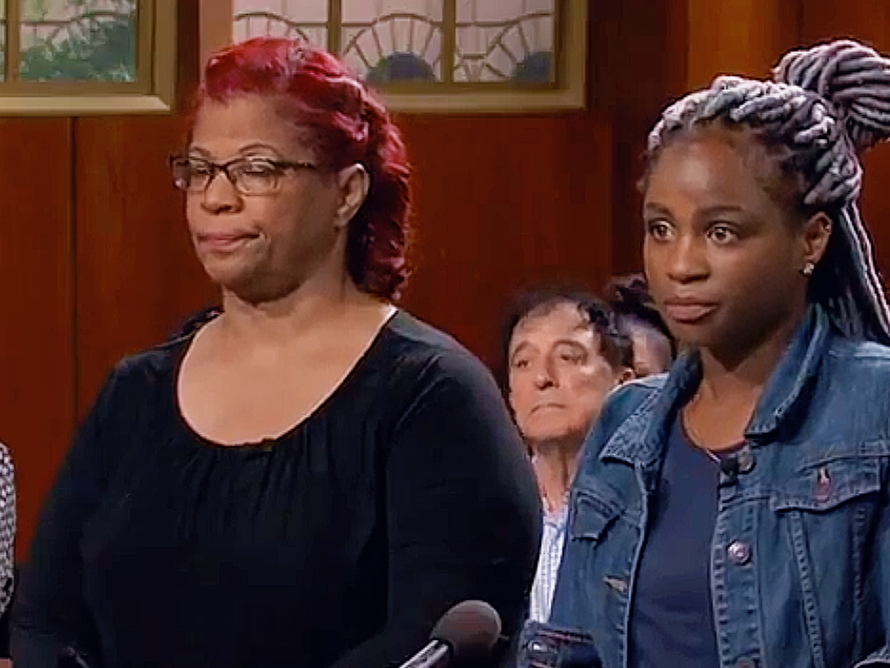
Jones and Sherrod claimed that one of the neighboring dogs got through the dividing fence, entered their yard, and attacked their dogs. One dog died. The plaintiffs sought compensation for veterinary-related expenses and other costs connected to the death.
Jones said she had photographs showing damage to the fence and evidence that a neighboring dog had previously entered her yard. The defendants offered a different account: Jones’s two small dogs had gone beneath the fence into the defendants’ yard, where an encounter with the larger dogs may have occurred before the small dogs returned underneath the barrier.
The Earlier Warning in August
The court heard that a similar problem had occurred in August of the previous year. Jones said she saw one of the defendants’ dogs come through or near the fence and hurriedly moved her own dog inside. On that earlier occasion, she said, her dogs were not in the yard when the neighboring dog entered.
Jones also described photographs of a white temporary barrier placed near a hole. According to her account, an animal-control or dog-pound worker installed it while the parties were expected to arrange a permanent repair.
The subtitles do not establish that a permanent repair was completed. Months later, the same boundary was still under scrutiny. Jones acknowledged that she and her mother nevertheless left their dogs outside on May 5 while they attended a party. Her explanation was that the temporary barrier had made the yard seem safe enough for a short period during the day.
Judge Judy did not accept that reasoning as prudent. The prior incident meant the danger was not hypothetical: the family had already seen a dog reach or challenge the fence. Leaving the two small dogs outside therefore became part of the court’s assessment, even though the judge still considered the neighbors responsible for containing their larger dog.

What the Neighbor Said She Heard
Carol Malarie, a neighbor, was called to support the plaintiffs’ account. She estimated that the incident occurred sometime around 5:00, 5:30, or 6:00 p.m.
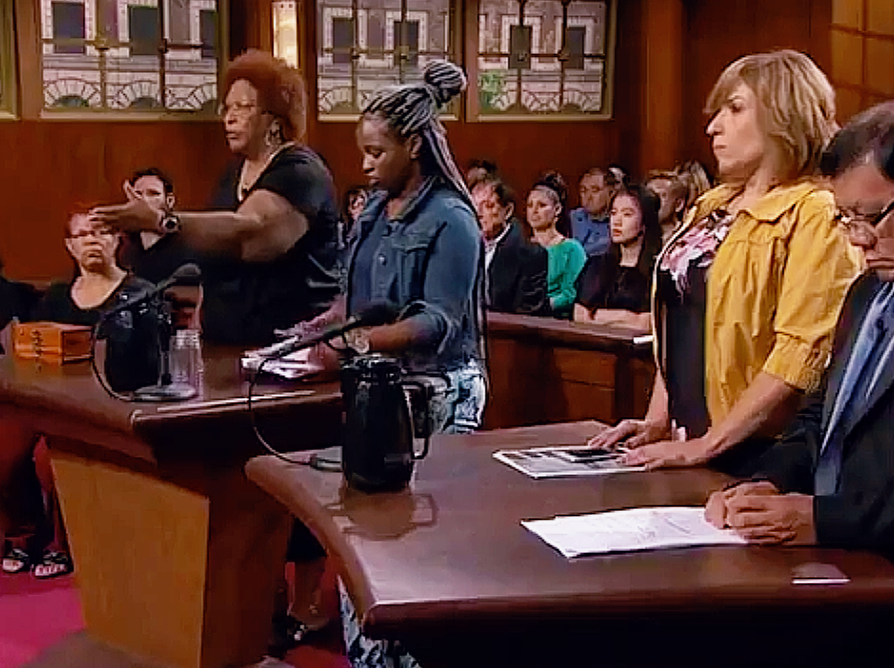
Malarie testified that she was leaving to pick up her daughter-in-law and family when she heard commotion. She described dogs crying or hollering and said she saw a stick rise and come down near the defendants’ fence. She could not identify the person holding it, and she could not say which dog was struck.
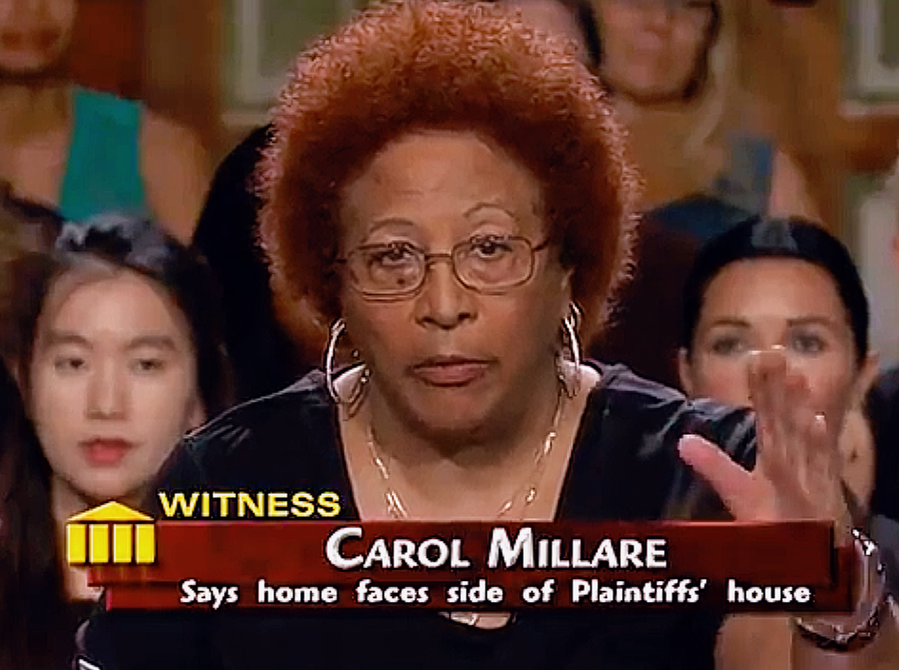
Her testimony became uncertain under questioning. At one point, Malarie said she saw a brown dog in the plaintiffs’ yard and understood that the defendants’ dogs had moved onto the plaintiffs’ property. But she later acknowledged that she had not actually seen a dog come through the fence. She had heard the commotion and inferred what was happening.
Judge Judy pressed the distinction between seeing an event and assuming its cause. Malarie ultimately said she had not seen the dogs fighting. She had heard the commotion and inferred what was happening, limiting what her testimony could prove.
The Conflicting Accounts of May 5
The defense presented Cierra, identified as Cherie Nunez-Tremel’s cousin. Cierra said she was the only adult at home while younger children were present. She testified that she heard what sounded like a scuffle while she was in the kitchen and went to a window.
From there, she said, she saw two small dogs in the backyard. The defendants’ dog moved toward a white pit bull, which Cierra described as defensive of the yard because puppies were nearby. Cierra banged on the window to make the dog stop. She said the two small dogs then ran back under the fence.
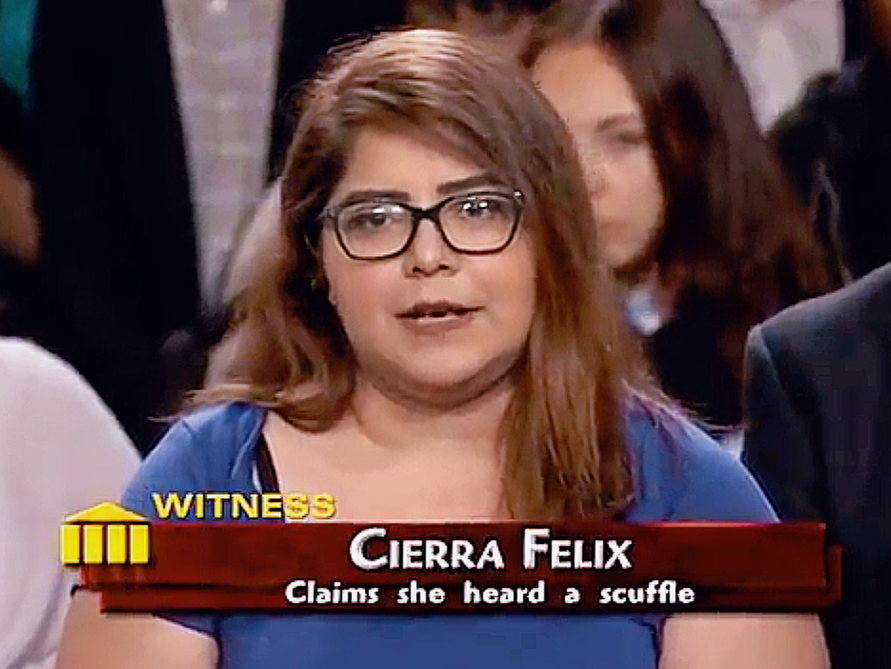
When Judge Judy asked what Cierra did next, Cierra said she walked away after seeing the dogs sniff the fence and leave the property. The judge immediately challenged that account, saying she did not believe it.
The exchange exposed the gap between the accounts: the plaintiffs described a dangerous dog entering their yard, while the defense described the small dogs entering the defendants’ yard. No witness offered a complete view of the attack.
The Fence Becomes the Central Evidence
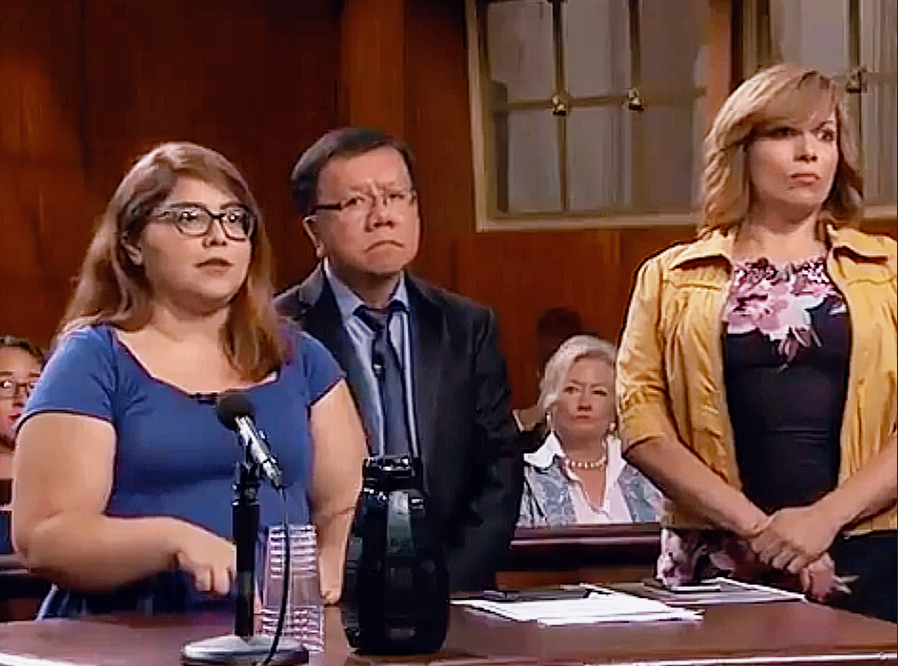
The photographs became the courtroom’s most tangible evidence. Jones pointed to older and newer images from August and May, arguing that openings or damaged sections were large enough for dogs to pass through.
When Judge Judy asked why the fence had not been repaired, Jones answered that it was not her responsibility. She said she had tried to contact the neighbor, but the neighbor was unavailable, and family members repeatedly said their mother would fix it. Jones also said that after her dog was killed, she did not repair the fence herself.
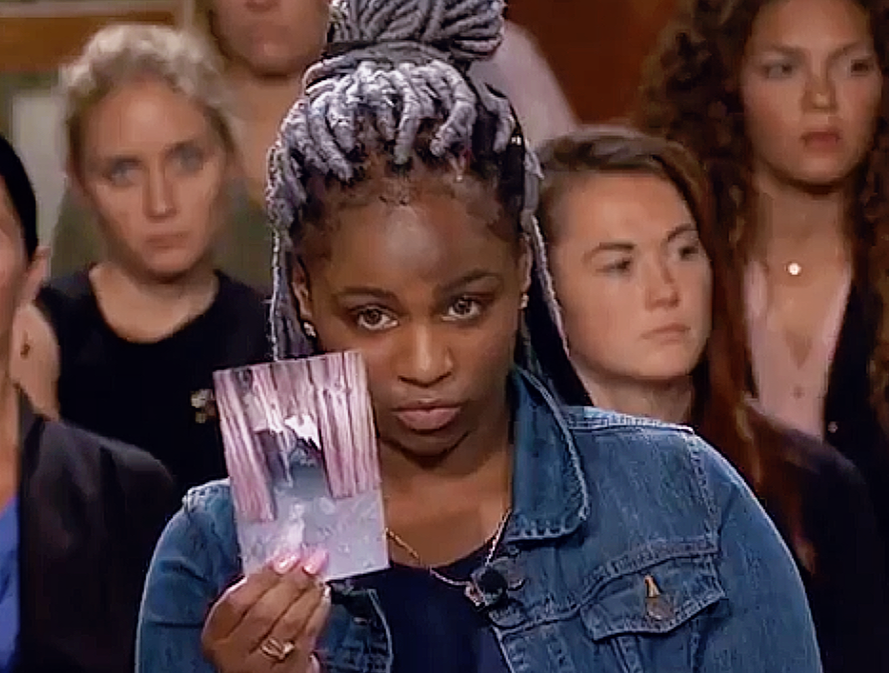
The judge’s response was direct: the fence shown in the photographs was Jones’s fence, and she told Jones to take better care of it. The temporary white border may have blocked the opening for a time, but the court viewed the barrier as inadequate protection. This criticism of Jones did not prevent the judge from separately finding the defendants responsible for the claimed bills.
Looking from the other side, Judge Judy said there appeared to be enough room for a large dog to get through. The images did not prove every step, but supported the conclusion that the fence could not reliably contain the dogs.
Judge Judy’s Reasoning
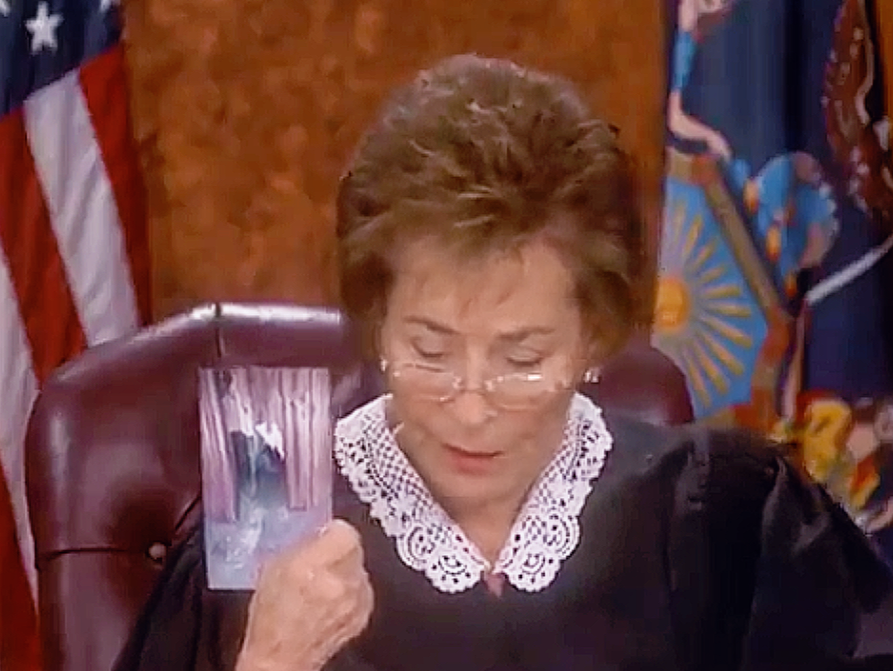
Judge Judy did not find that one side had acted perfectly. She criticized the decision to leave the small dogs unattended, especially after the earlier August incident. In her view, a responsible owner would not leave small dogs outside for hours when a neighbor’s larger dog had already reached the yard before.
At the same time, she held the defendants responsible for controlling their dog. The judge said she did not know exactly where the attack took place, but concluded that the defendants had to keep a potentially dangerous dog inside a fence capable of doing that job.
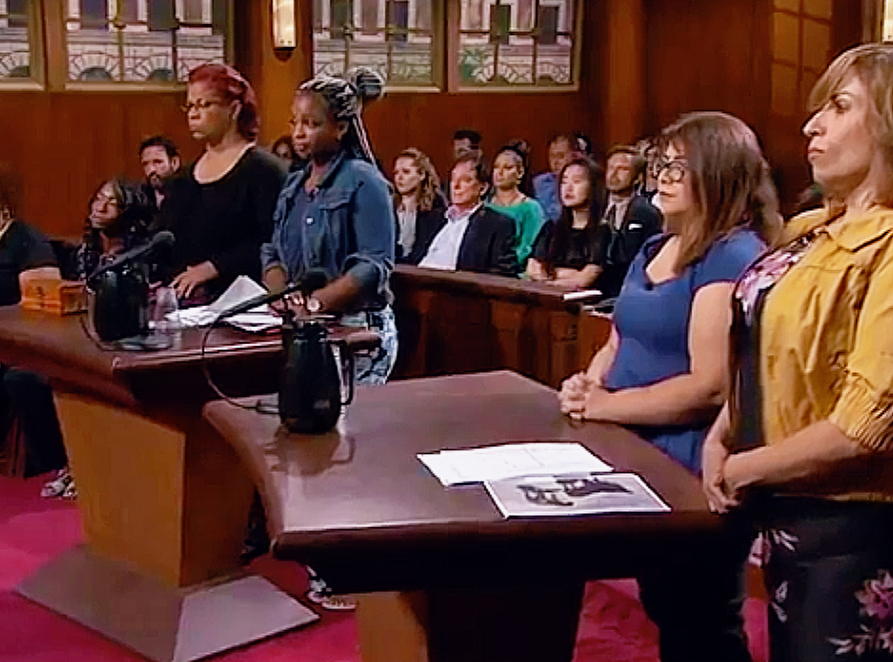
The judge also questioned the defense’s explanation of the reported beating. Because Cierra was described as the only adult at home, Judge Judy reasoned that the person Malarie saw handling the stick would likely have been the adult present. When the defendant denied it, the judge responded sarcastically that perhaps it had been a ghost. The exchange was confrontational, but the transcript does not establish any formal accusation or charge of animal cruelty.
The court also heard that the defendant had renter’s insurance but had not told the insurer about the pit bull, explaining that the dog was being fostered. She later said the dog had been re-homed.
The Judgment
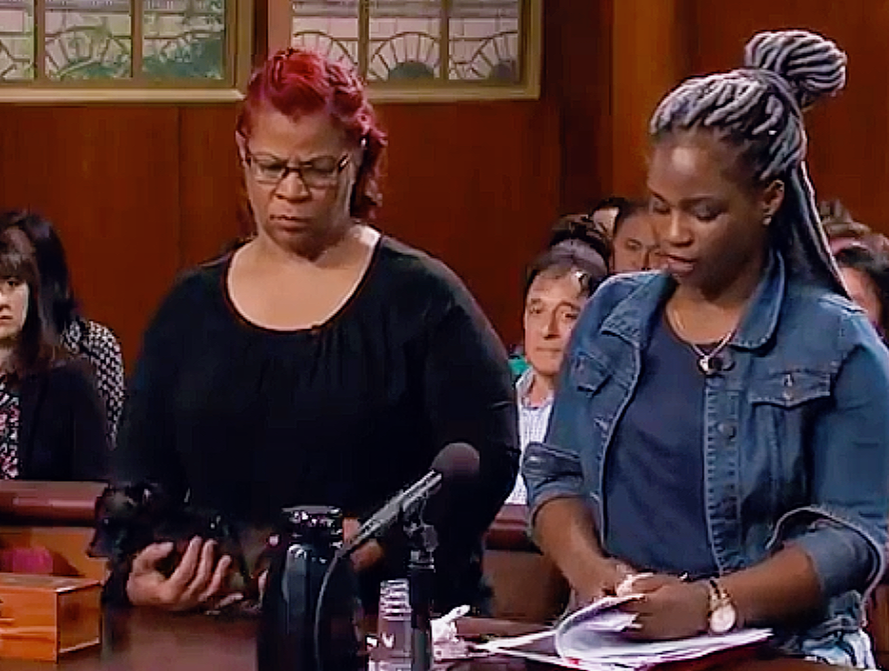
Judge Judy first stated a judgment of $250 for the plaintiffs, describing the amount in connection with the veterinary bills. Later, after asking about the deceased dog’s purchase price, she heard that the dog was a toy Yorkie acquired from out of state in Kansas and flown to the family. The stated purchase price was $2,200, although the plaintiff said she did not have proof of payment but had papers concerning the dog’s value.
The transcript then records a later judgment of $2,450 for the plaintiff. Because the subtitles present both figures in sequence without a detailed breakdown, the exact relationship between the $250 award and the $2,450 judgment should not be overstated. What is clear is that the plaintiffs prevailed and that the court assigned financial responsibility to the defendants.
What the Case Was Really About
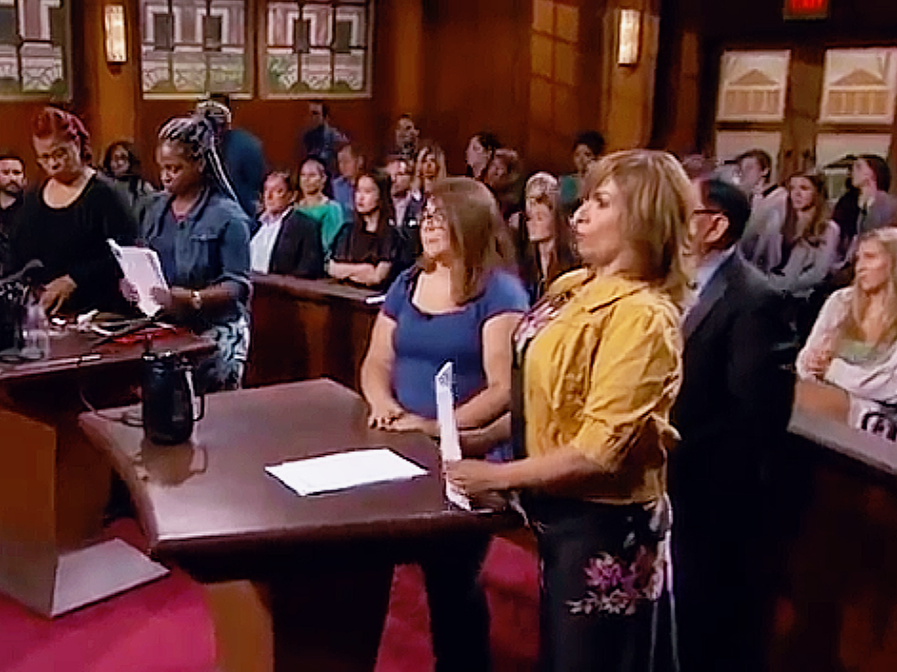
This courtroom dispute was not resolved by a single eyewitness or an unquestioned chain of events. It turned on responsibility in a situation where the evidence was incomplete and the physical boundary had already failed.
Jones and Sherrod lost a dog and argued that the neighboring animals caused the death. The defense argued that the small dogs entered the other yard. The witness accounts conflicted, the fence photographs were open to interpretation, and no one present in court offered a complete view of the encounter.
Judge Judy’s decision rested on a practical principle: owners must take reasonable steps to prevent their dogs from escaping, while people who know their own small pets are vulnerable must also protect them. In this case, the broken or inadequate fence left both responsibilities exposed. The judgment therefore placed financial responsibility on the defendants, even as the judge criticized the plaintiffs’ choice to leave their own dogs unattended and told Jones that the fence also required better care.
FAQ
What happened in the Judge Judy dog attack case?
Rakesha Jones and Yvonne Sherrod sued neighbor Cherie Nunez-Tremel and landlord Son Nguyen after one of their small dogs died following an encounter involving the neighbors’ larger dogs. The case centered on a damaged fence and conflicting accounts of which dogs crossed it.
Who was the deceased dog?
The SRT names Wednesday as a black dog and later describes the dog discussed in the value testimony as a toy Yorkie. Because the captions do not explicitly connect those descriptions, this article does not assume they refer to the same dog.
Did a witness see the attack?
No witness in the transcript clearly described the entire attack. Carol Malarie heard commotion and said she saw a stick being raised and lowered, but she could not identify who held it or which dog was struck. Cierra described seeing two small dogs in the defendants’ yard before they ran back under the fence.
Why was the fence important?
The fence was important because both sides gave different accounts of how the dogs crossed it. The court concluded that the barrier was not sufficient to contain the larger dog, despite also criticizing the plaintiffs for leaving their small dogs unattended after an earlier incident.
How much money was awarded?
The SRT records an initial $250 judgment and later a $2,450 judgment for the plaintiff. Since the transcript does not explain the calculation, those amounts should be reported exactly as presented rather than treated as a clearly itemized total.