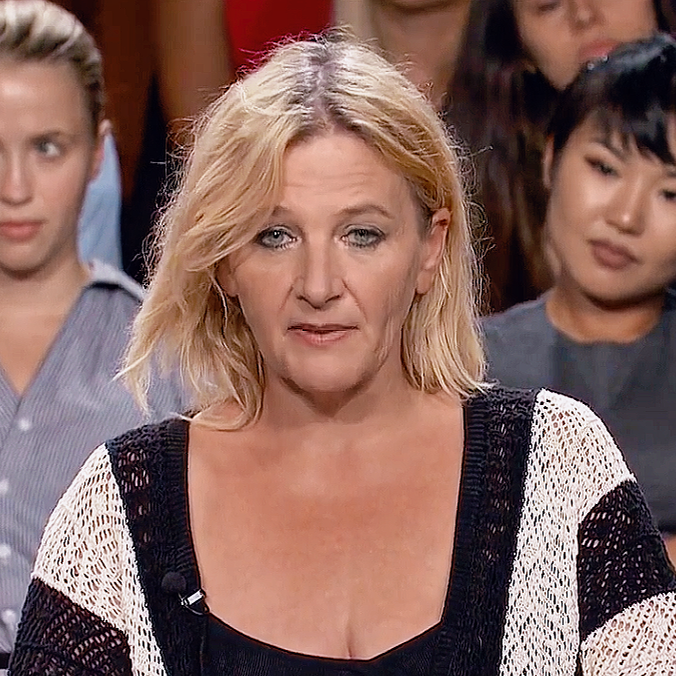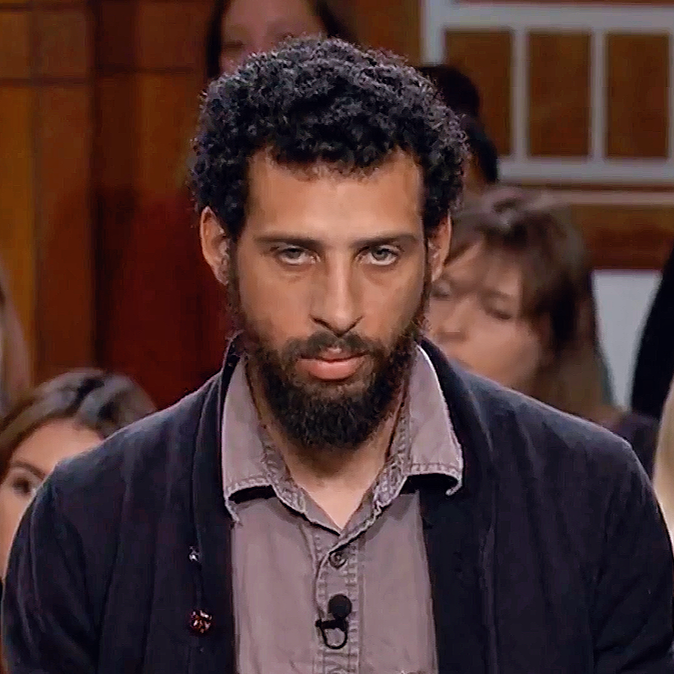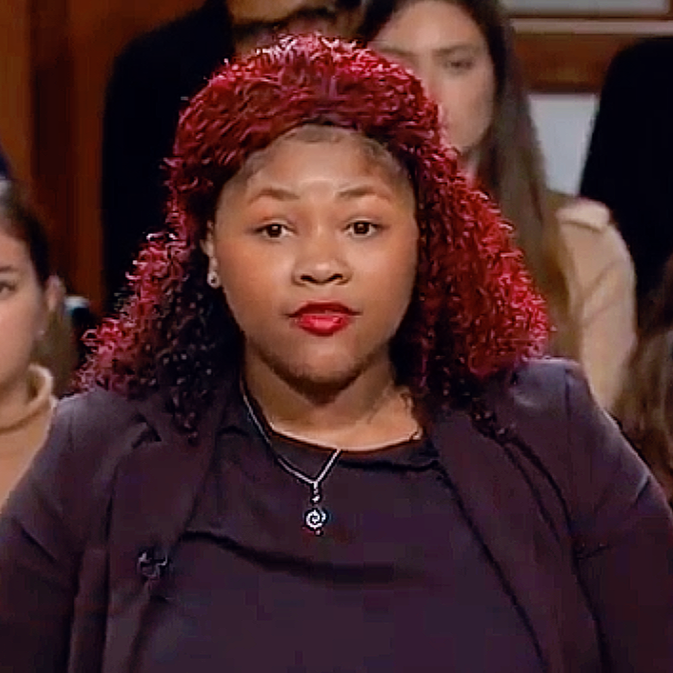
A rear-end collision had already been paid for by insurance. What remained was a more difficult allegation: that Fantasia McKinney had also kicked the driver’s-side door of Briana Williams’s car during the confrontation. In Judge Judy’s courtroom, that claim came down to one question—why was the alleged kick missing from the police report?
The people behind the lawsuit
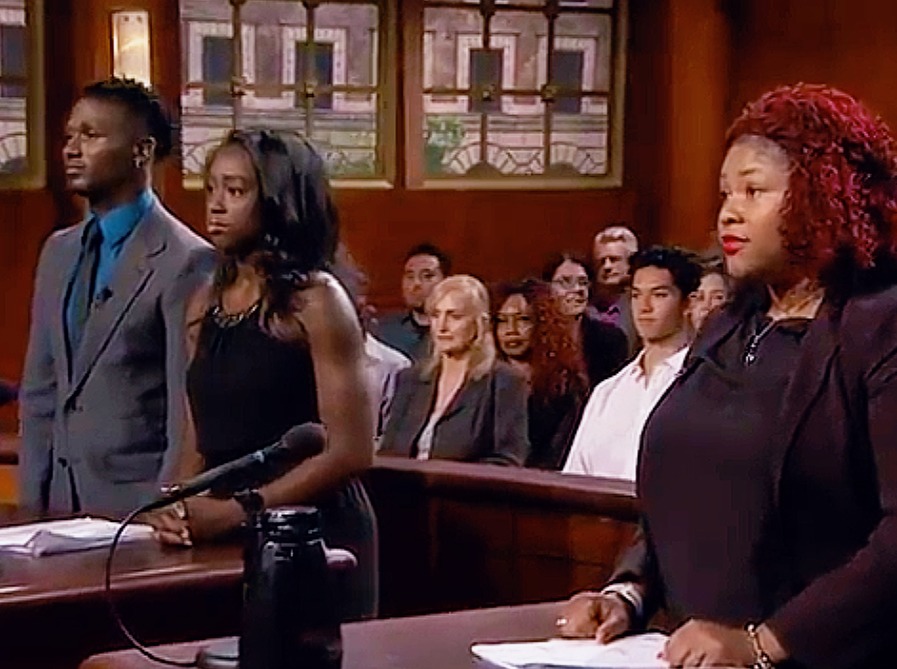
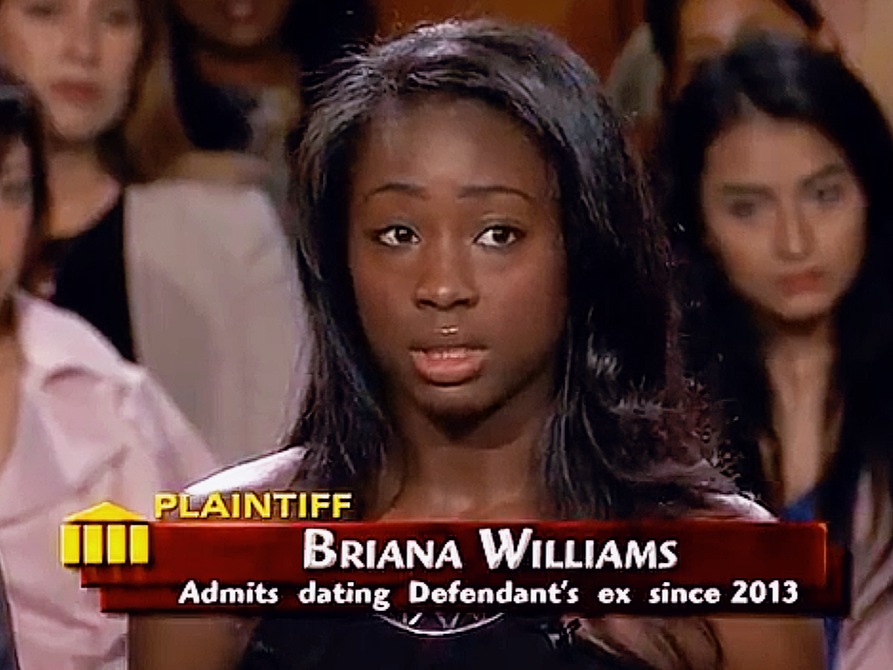
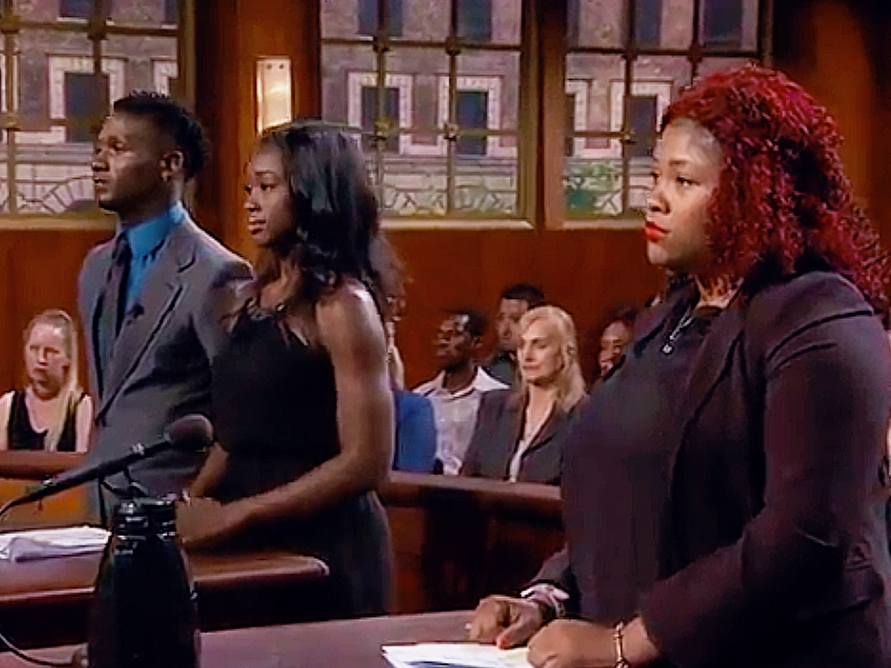
The courtroom segment identified the civil case as Williams v. McKinney, case number 146 on the calendar. The plaintiff was Briana Williams, described in the transcript as 22 years old. She appeared with her father, Lewis Williams, whose name was on the car involved in the dispute. Lewis told Judge Judy that he had not been present when the incident occurred.
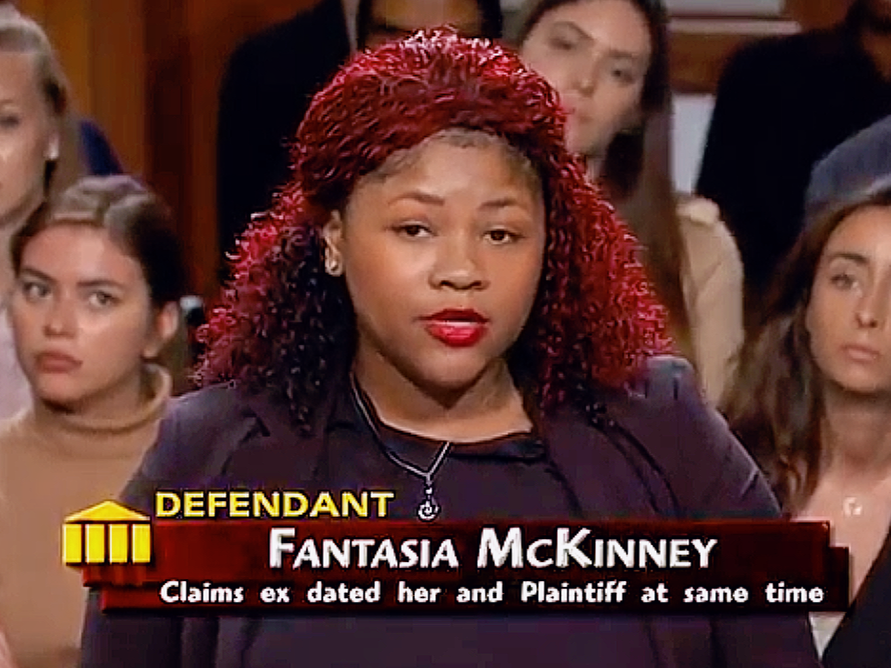
Briana’s boyfriend, Jeffrey, also appeared. The defendant was Fantasia McKinney, Jeffrey’s former girlfriend and the mother of his two children. At the time of the hearing, Jeffrey said their son was five and their daughter, Janila, was four.
That connection immediately made the case more complicated than a routine claim about vehicle damage. The people in the courtroom were linked by former relationships, current relationships, and children. Before Judge Judy could assess the alleged damage, she had to untangle how those relationships had developed.
A relationship history that followed the parties into court
Jeffrey described living with McKinney for periods of time before their relationship ended. His account included time with McKinney’s family, a move involving Lafayette, Indiana, and later a return to Merrillville. McKinney challenged parts of his testimony, saying he had stayed with her and her family for longer and more often than he suggested.
The questioning also established that Jeffrey and McKinney had once lived together and had two children. Jeffrey said he had moved to Lafayette, Indiana, attended Ivy Tech Community College, and worked through changing living arrangements before returning closer to family. McKinney disputed some of the details, and Judge Judy repeatedly asked for direct answers rather than estimates or vague descriptions.
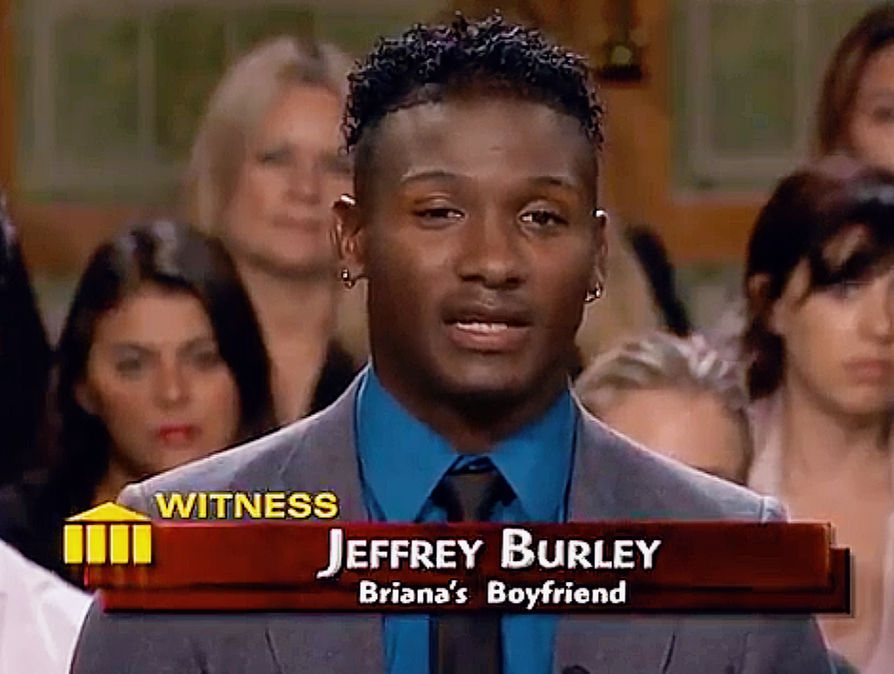
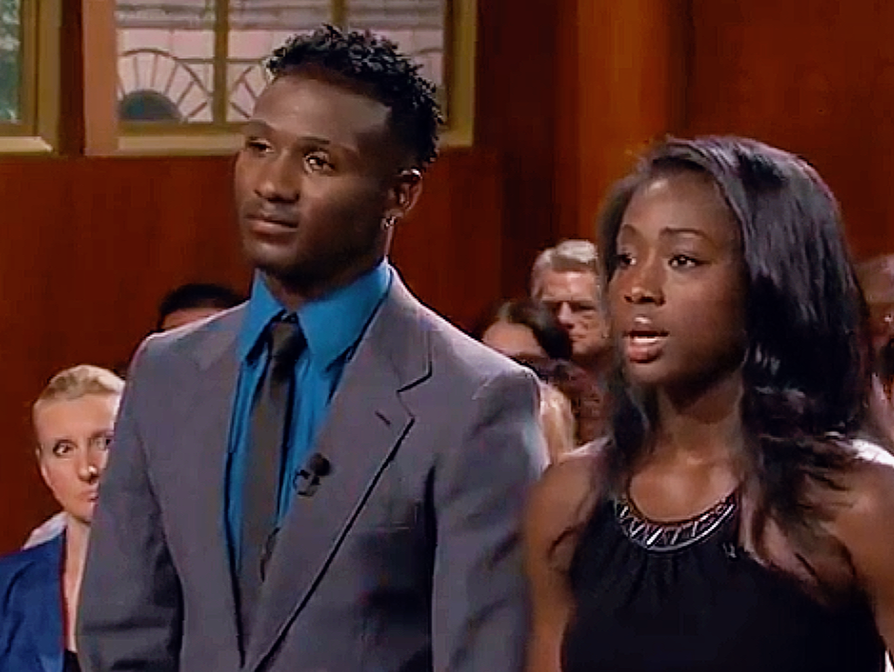
Briana said she and Jeffrey had an on-and-off relationship dating back to 2013. Jeffrey testified that they became a couple in September 2016, after he had reconnected with her. Judge Judy questioned how Briana’s account fit with Jeffrey’s relationship with McKinney and the two children they shared.
The hearing did not resolve every disagreement about the past. It did, however, show why the October encounter carried so much tension. This was not simply a dispute between two drivers. It involved an ex-partner, a new relationship, and a family history that was still being argued over in open court.
What happened on October 24, 2016
The incident was described as taking place in October 2016. During the questioning about the related criminal matter, the date was specified as October 24, 2016.
Briana said she was in the car owned by her father while picking up Jeffrey. She testified that McKinney’s vehicle rear-ended her car. The transcript indicates that McKinney’s insurance paid for the damage to the back of Briana’s vehicle, so that portion of the collision was not the central issue in the civil case.
Briana explained that she had seen McKinney and Jeffrey while McKinney was picking him up from school. She said she became excited, pressed the accelerator, and accidentally struck McKinney’s car. Judge Judy also raised the possibility that the rear-end collision had been accidental. Briana, however, made clear that she believed the later confrontation was intentional and separate from the collision itself.
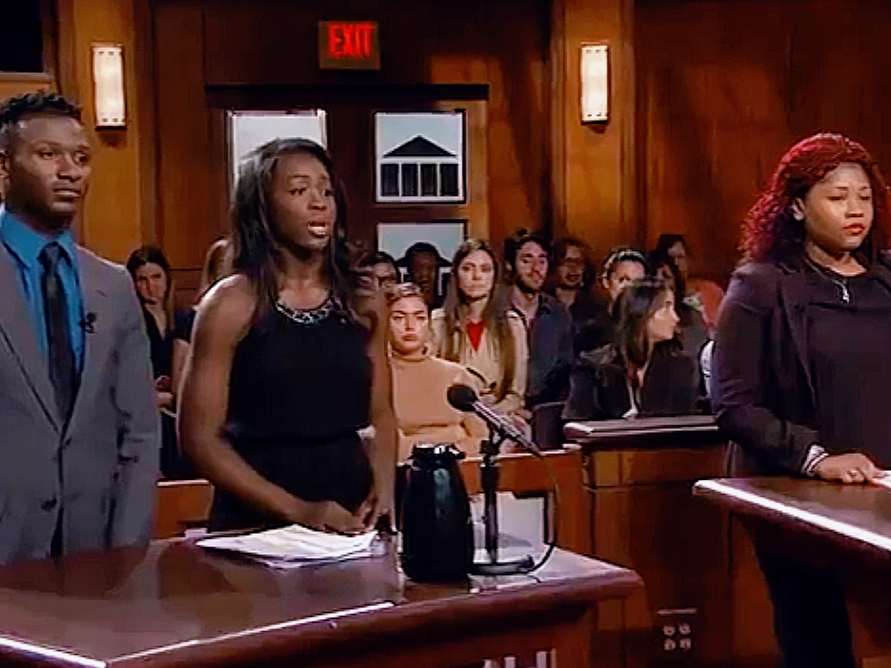
Her key allegation was that McKinney kicked the driver’s-side door during the same encounter. McKinney immediately denied it. Judge Judy asked whether the insurance company might have paid for the rear damage but excluded any separate damage connected to an alleged act of vandalism. Briana agreed that this was possible and explained that the unpaid door damage was why she had brought the claim.
There was also a timing issue. Judge Judy asked why Briana had waited nearly two years to sue. Briana said she was a student with many responsibilities and referred to the related criminal matter. That delay became important because the judge emphasized the value of a detailed account made close to the time of an incident.
The criminal case and the plea agreement
The hearing then turned to what happened in the criminal case connected to the encounter. McKinney acknowledged that she had been arrested. At first, she said she had not pleaded guilty and had not been found guilty, while also saying she had been placed on probation.
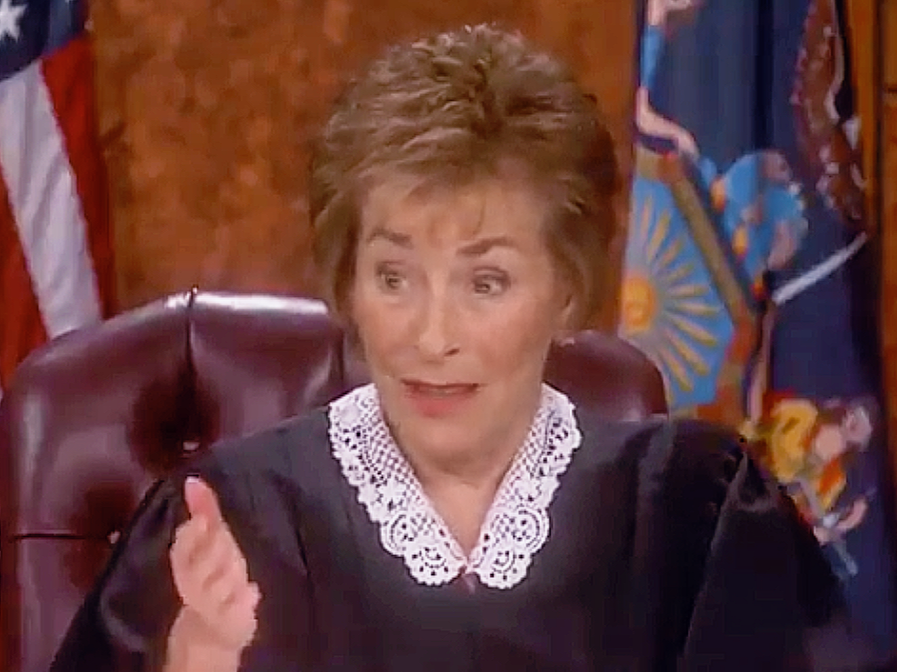
Judge Judy pressed her to explain how that could be possible. McKinney said the matter involved criminal recklessness and identified the date as October 24, 2016. Judge Judy explained that a court does not place someone on probation for an accident alone. The discussion established that McKinney had entered a plea agreement involving criminal recklessness.
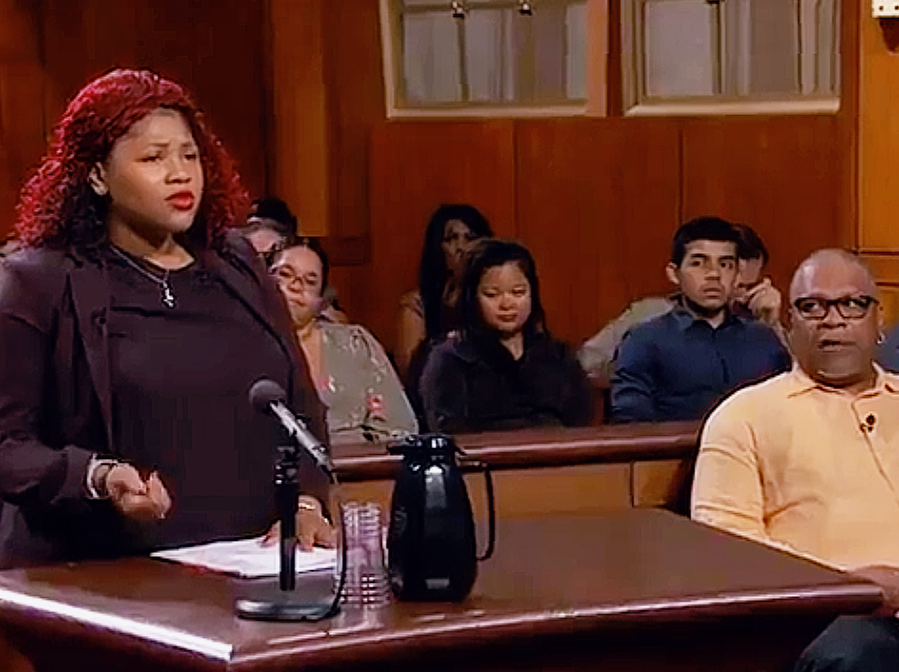
The transcript records that McKinney paid $120, was released on bond, and received a six-month deferred sentence on proof of insurance. The payment was debated in court: Judge Judy referred to restitution, while McKinney said it was court costs. Judge Judy then pointed to the plea agreement and told McKinney that she had signed it and pleaded guilty to criminal recklessness.
McKinney said she had been confused and had not meant to admit that she intentionally caused the accident. Judge Judy’s response was that the signed agreement controlled what had occurred in the criminal case. The transcript does not say that this plea agreement proved McKinney kicked the driver’s-side door. Instead, it became part of the court’s examination of the surrounding events and McKinney’s account of them.
The police report becomes the turning point
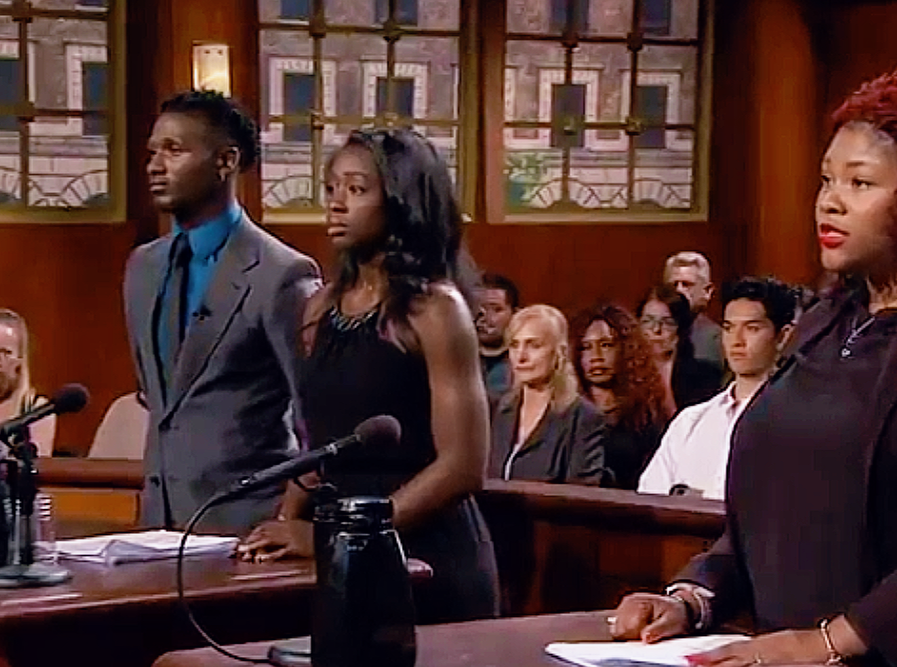
The decisive issue emerged when Judge Judy examined the police report and the photographs. According to the judge’s reading of the report, Briana told police that McKinney hit the window, yelled at her to get out of the car, and called her a name.
What the report did not contain was just as important. Judge Judy noted that Briana had not told police that McKinney kicked the driver’s-side door. The report also did not describe damage to the window. In court, however, Briana’s claim focused on a kick to the door that allegedly caused damage.
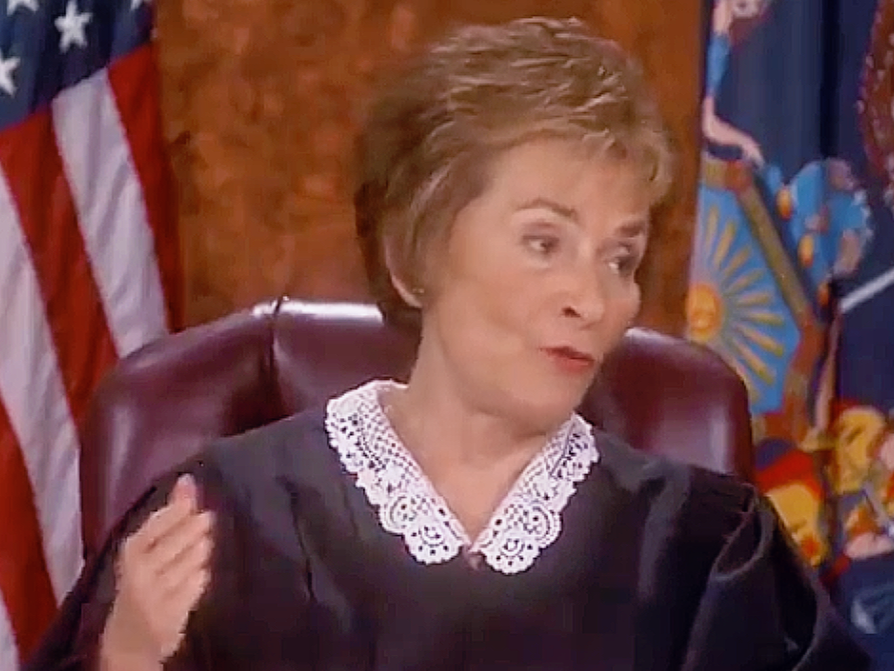
Briana responded that she had not told police every detail about the damage to the back of the vehicle either. Judge Judy rejected that as an adequate explanation. The judge’s reasoning was straightforward: a report made close to the event should preserve the account while the memory is still fresh. If the door had been kicked and damaged, the court expected that fact to appear in the original narrative.
That discrepancy did not prove that the confrontation never happened. The transcript shows that the parties had argued and that McKinney’s conduct toward the window was included in the report. But the civil claim required the court to assess the specific allegation about the driver’s-side door. On that point, the later courtroom account did not match the report presented to the judge.
The case is dismissed
After questioning the parties and reviewing the available account, Judge Judy ended the hearing with a clear ruling: “Your case is dismissed.” The dismissed case was Briana Williams’s civil claim against Fantasia McKinney. The transcript does not report a civil damages award to Briana or Lewis.
The result was not based on the existence of a past relationship alone, nor did the insurance payment resolve every disagreement between the parties. The rear-end damage had been paid through insurance. The remaining dispute was whether McKinney had separately damaged the driver’s-side door by kicking it—and whether that allegation could be supported by reliable evidence.
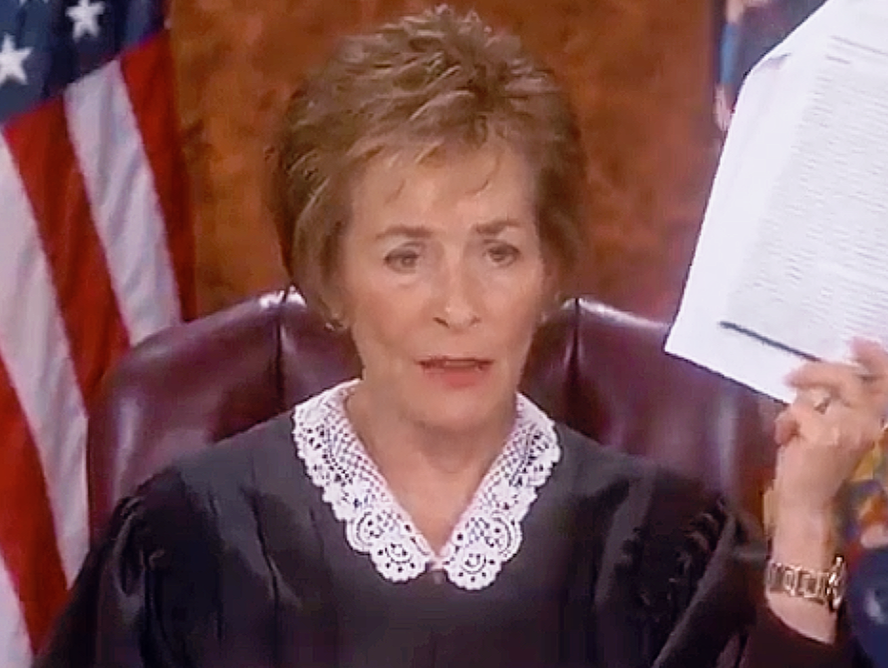
The police report created a serious inconsistency. It described shouting, a hit to the window, and an insult, but did not mention the alleged kick or damage to the door. Judge Judy was unwilling to bridge that gap with assumption or emotion.
The post-hearing comments show that the decision did not end the disagreement. One speaker said, “I respect Judge Judy, but I didn’t agree with the decision,” and said, “I did not vandalize her property at all.” The same closing sequence includes statements about verbal abuse, single motherhood, and wanting to move forward. Because the transcript does not label each post-hearing speaker, those remarks should be treated as the parties’ closing reactions rather than attributed more specifically than the source allows.
What the hearing ultimately left behind was a sharply defined lesson in courtroom evidence. Relationships may explain why a confrontation became heated, but they do not by themselves establish liability. In this case, the claim that mattered most was the claim that was missing from the earliest written account. That omission was enough for Judge Judy to dismiss the civil lawsuit.
FAQ
Who sued Fantasia McKinney on Judge Judy?
Briana Williams sued Fantasia McKinney. Briana appeared with her father, Lewis Williams, whose name was on the vehicle involved in the dispute.
What was Williams v. McKinney about?
The civil case concerned an October 2016 confrontation. Briana said McKinney’s vehicle rear-ended her car and that McKinney also kicked the driver’s-side door. McKinney’s insurance paid for the rear damage, but the alleged door damage remained disputed.
Did Fantasia McKinney admit kicking the car?
No. The transcript shows McKinney denying that she kicked the car.
What did the police report say?
Judge Judy said the report described McKinney hitting the window, yelling at Briana to get out of the car, and calling her a name. The judge noted that it did not mention McKinney kicking or damaging the driver’s-side door.
What criminal case was connected to the incident?
The transcript says McKinney was arrested and entered a plea agreement involving criminal recklessness connected to October 24, 2016. It also records a $120 payment, release on bond, and a six-month deferred sentence on proof of insurance.
Was the rear-end damage paid for?
Yes. The transcript states that McKinney’s insurance paid for the damage to the back of Briana’s car.
Why was the civil case dismissed?
The transcript indicates that Judge Judy found a significant inconsistency between Briana’s courtroom allegation that McKinney kicked and damaged the driver’s-side door and the police report, which did not mention that allegation.