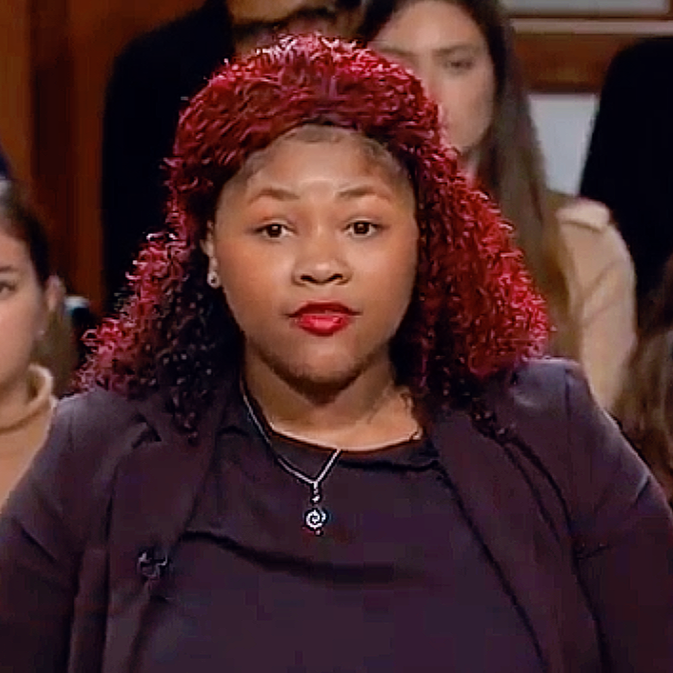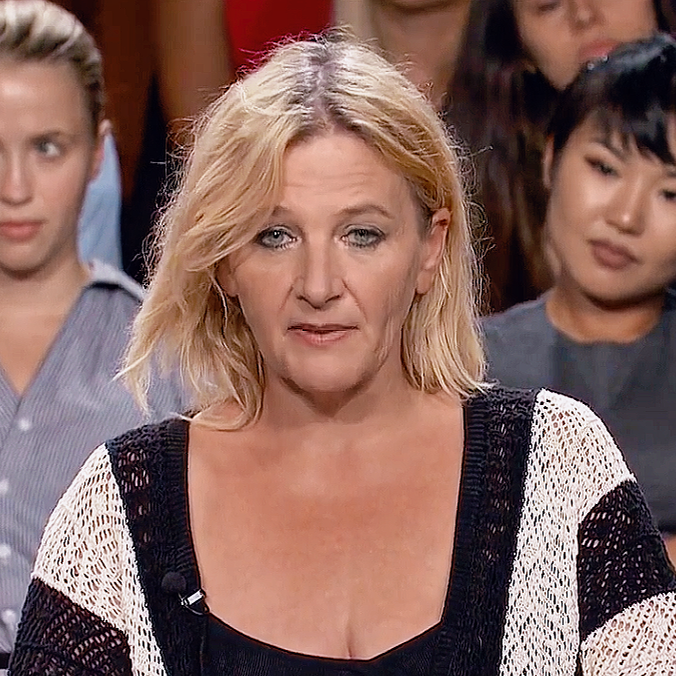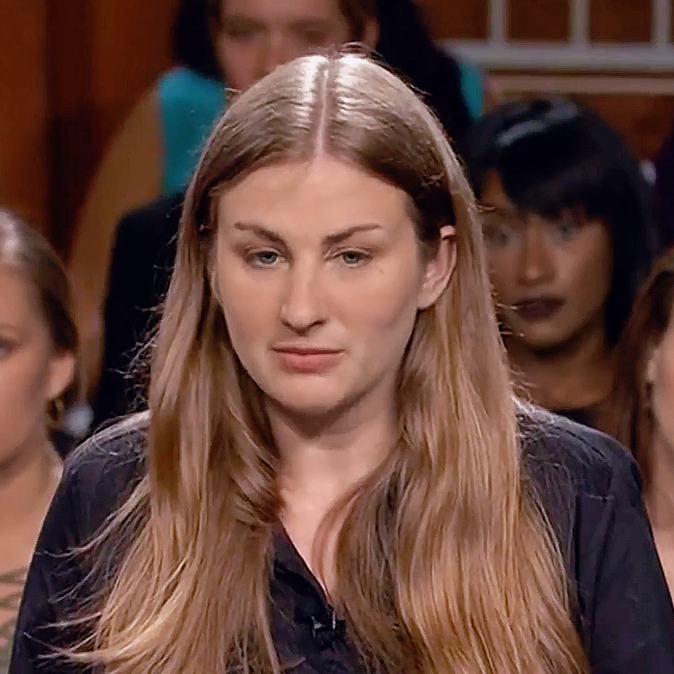
Paris High was bringing home a wedding dress in the back seat of her car, excited to show it to a neighbor. Minutes later, the celebration had turned into a painful confrontation on a front porch. In a separate case, a mother went to court over the towing of a Harley Davidson motorcycle after her son’s former roommate said a damaged room—and an unpaid promise—had changed the balance between them.
The two disputes were unrelated, but they shared a common question: when a private arrangement breaks down, who is left responsible for the consequences?
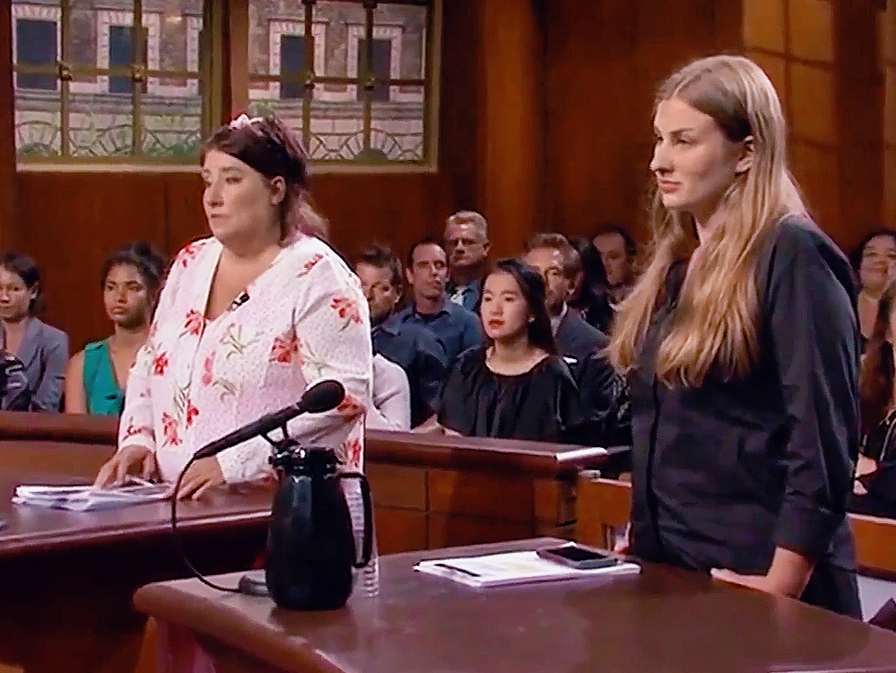
Case One: The Wedding Dress, the Porch, and the German Shepherd
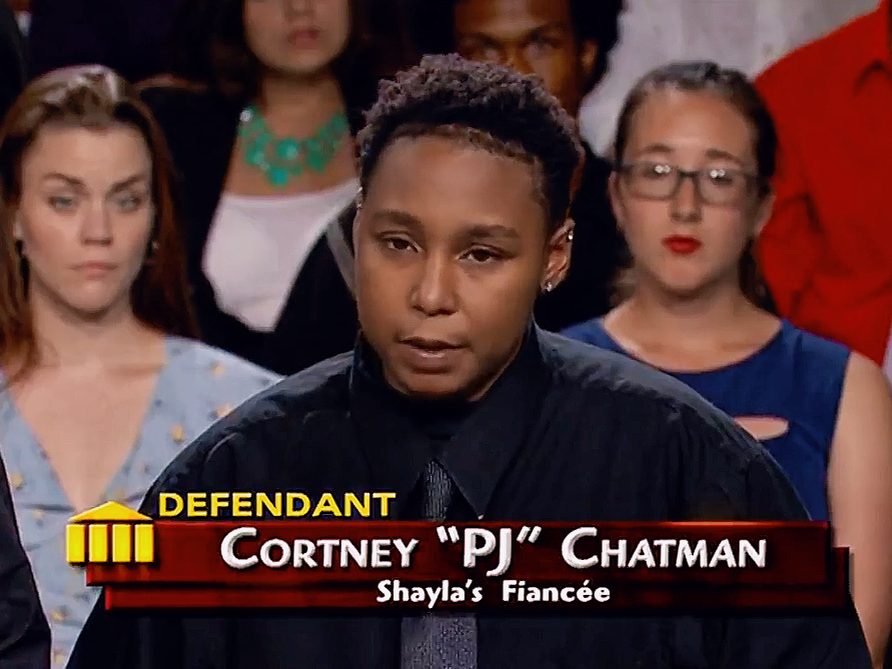
The first case was High versus Nelson Chatman, involving plaintiff Paris High and defendants Shayla Nelson and her fiancé, Courtney Chatman. High sued her neighbors after Nelson’s dog attacked her on the defendants’ front porch.
The incident happened on May 12. High and Nelson were neighbors who knew each other and described their relationship as friendly, though Nelson clarified that they were not close friends. They had lived near one another since Nelson moved in the previous September. High had visited Nelson’s home several times, and Nelson said High had even house-sat for the couple and watched their dog while they were away.
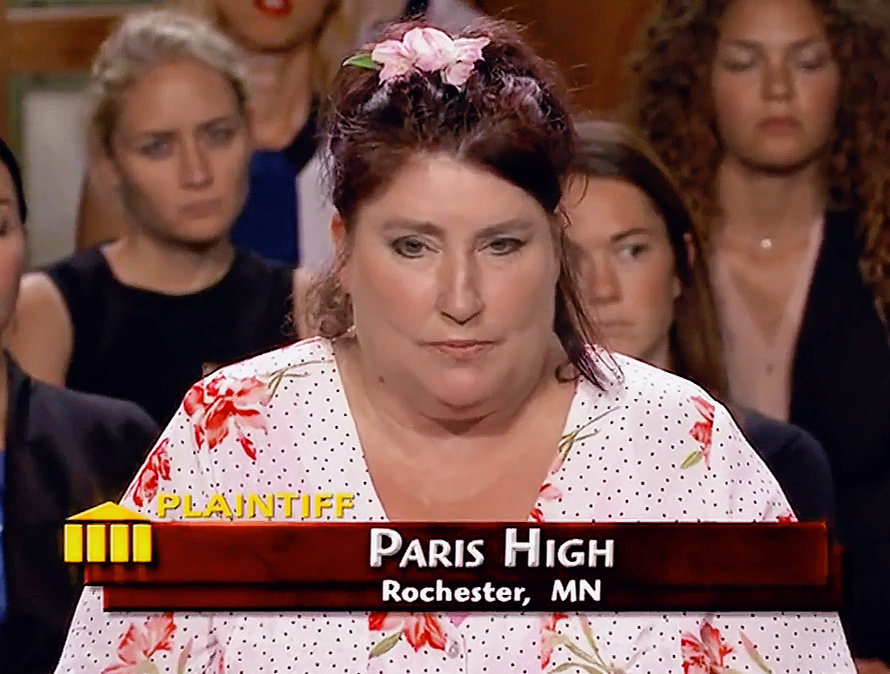
On the day of the incident, Nelson said she had returned from shopping with her mother and daughter. High was also outside near her own driveway. The two women began talking, and Nelson introduced High to her mother before her mother and daughter went into the home.
The conversation then turned to Nelson’s wedding dress. The dress was in the back seat of Nelson’s car inside a non-see-through plastic bag. High could not see it from outside, so Nelson said she offered to show it to her inside the house instead of taking it out in the driveway and risking dirt getting on it.
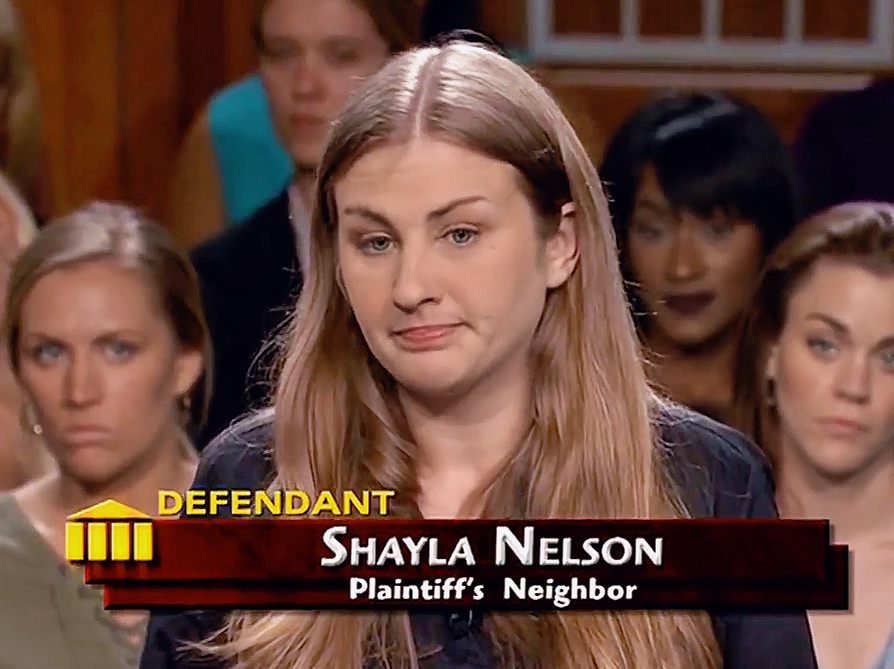
The precise sequence became the first major point of tension in the hearing. Nelson said she told High to wait because the dog was outside. She explained that her mother and daughter were already inside and that she did not think High should enter the home without her. Judge Judith Scheindlin questioned that explanation, noting that High had been to the home before and had previously watched the dog.
Nelson then said she had forgotten the dress was still in the car and needed to go back for it. The testimony placed the women near the stairs and the front porch as they moved toward the house. At that point, the dog bit High.
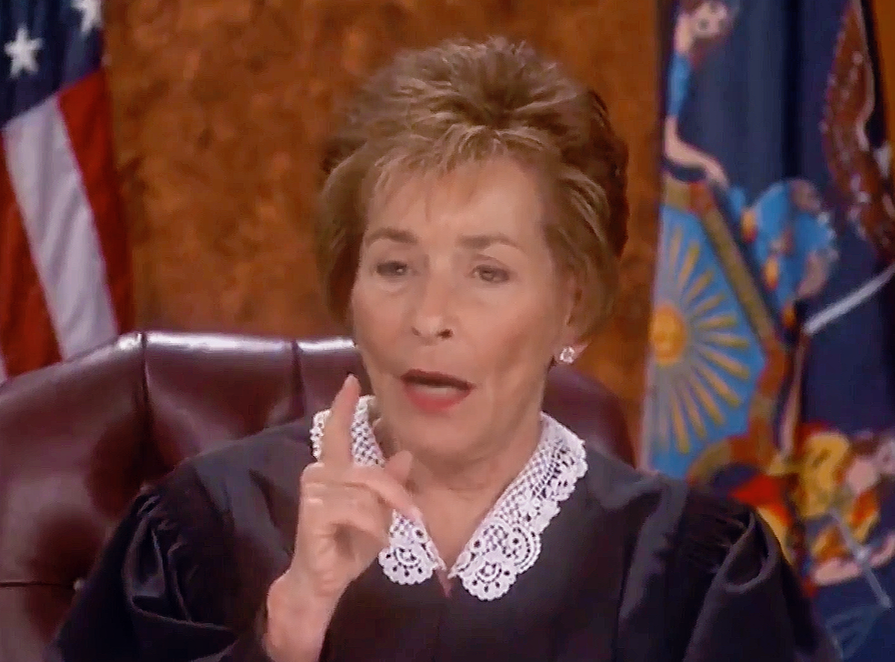
Judge Judy’s conclusion was direct: High had been invited to the property, was not trespassing, and was bitten by a dog kept outside on the front porch. The judge told Nelson that whatever explanation she constructed for herself, responsibility still followed the owner after the invited guest was injured.
What the Court Heard About the Dog’s History
The dog was identified as a German Shepherd. Nelson confirmed that the animal had been put down after the incident. When Judge Judy asked whether this had been the first time the dog bit someone, Nelson answered no.
Nelson also said the dog had cancer and a large tumor on the back of its right leg. But the medical condition did not remove the central issue in the courtroom: the defendants knew the dog had bitten before, yet the dog was still outside where an invited visitor could reach the porch.
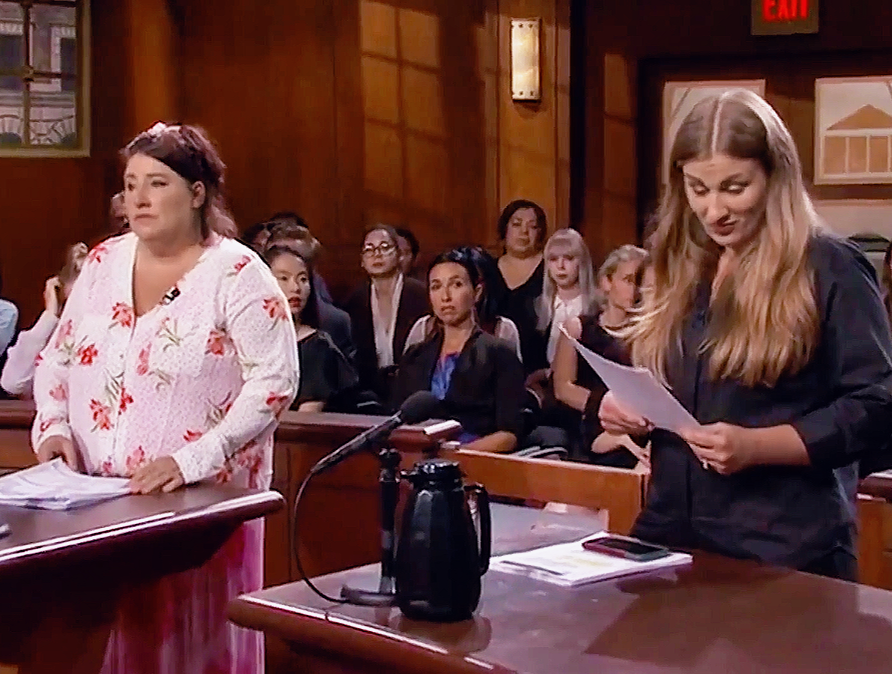
The hearing also explored what Courtney Chatman knew. He owned the house, said the dog had lived there for about seven months, and acknowledged asking whether it had bitten anyone before. He had been told that it had.
The account Chatman said he had heard was that a neighbor had come onto the property, tapped Nelson’s father, and been bitten. Judge Judy did not accept that secondhand explanation as a reason to shift responsibility. Chatman owned the home, knew the dog’s history, and had chosen to keep the animal there.
High described a serious attack. In the transcript, she said the dog bit her four times in the thigh and three times in the arm. She also described the animal going toward her throat. Later, Chatman disputed that the dog had been going for High’s throat and said he had called the dog off her. The testimony about the injuries and the exact movement of the dog was contested, but the court clearly treated the visible injuries as serious and frightening.
The hearing became heated when Chatman laughed while discussing the injuries. Judge Judy sharply challenged that reaction and asked whether he wanted to see the plaintiff’s wounds. Chatman said he had seen the injuries immediately afterward and had cleaned them. He characterized his reaction as surprise rather than amusement.
The court also learned that the house had no homeowner’s insurance. Judge Judy criticized that decision, particularly because the dog had a known biting history. She told Chatman that insurance naming the dog as an animal living in the home could have addressed the risk and might have prevented the dispute from arriving in court.
The $5,000 Award
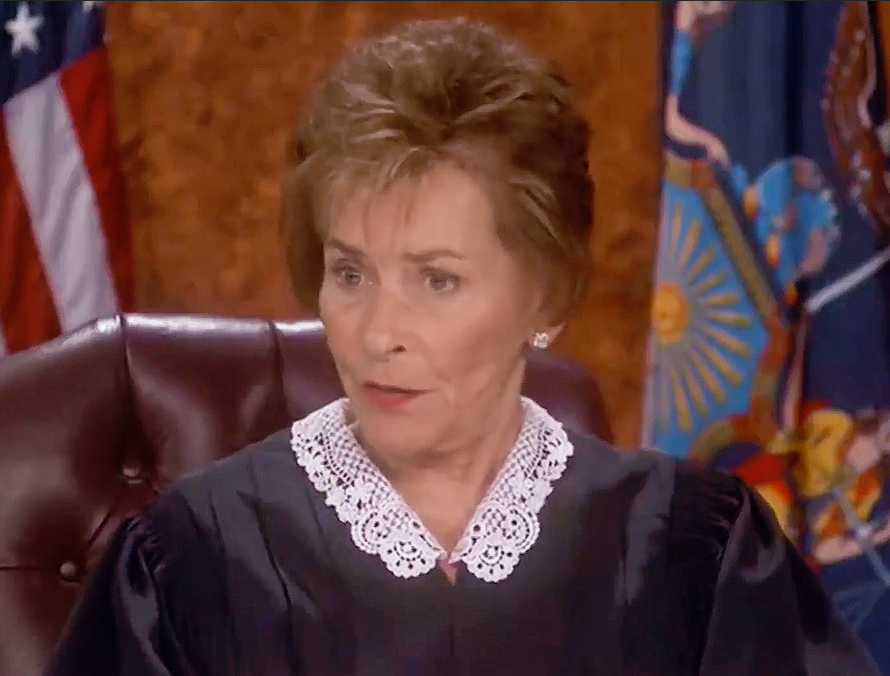
Judge Judy awarded Paris High exactly what she had requested: $5,000. The judge described the injury as terrible and frightening and told Nelson and Chatman that they were responsible for the consequences of the dog attack.
In the closing comments captured in the transcript, one of the defendants said the matter was not only about money and that the seriousness of the incident needed to be understood. The speaker questioned some of High’s account and expressed concern about children living in the area. The speaker also said they hoped the defendants would obtain insurance and make sure they had a safe dog in the future. The SRT does not identify the speaker by name in this exchange.
Case Two: The Harley Davidson and the Damaged Room
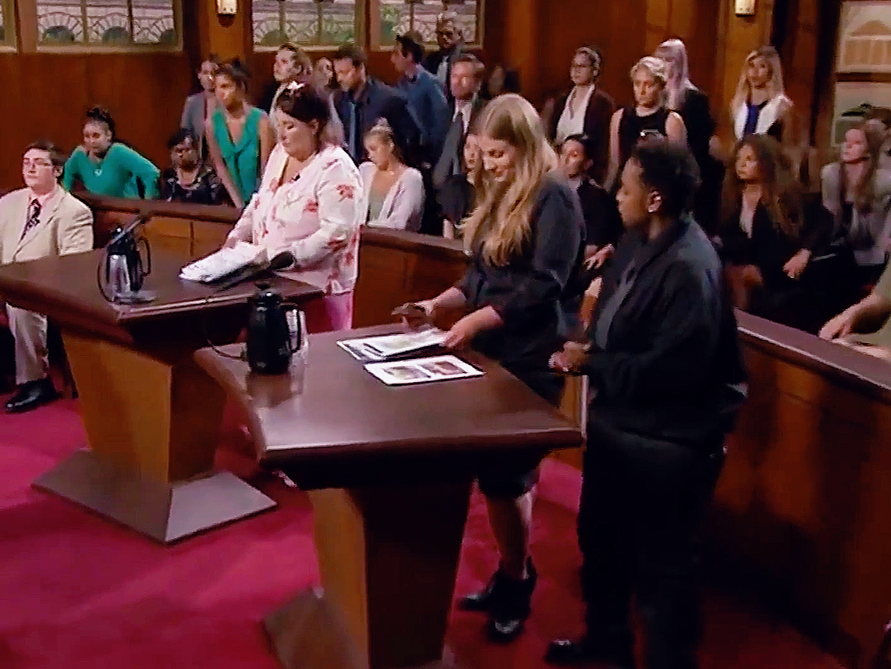
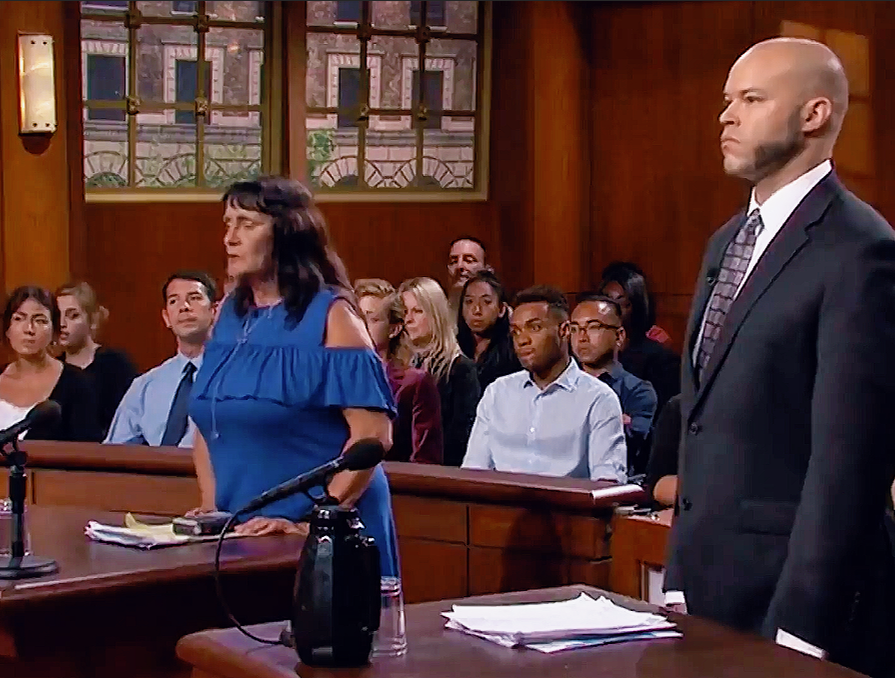
The second case, Troisi versus Jenkins, involved Diane Troisi and Anthony Jenkins Jr. Troisi was suing her son’s former roommate over towing fees after her Harley Davidson motorcycle was towed. Jenkins was described as countersuing for property damage, rent, storage, and a false police report.
Troisi’s 26-year-old son was not in court because he was incarcerated. Judge Judy immediately questioned the family history and the circumstances that had placed the son in Jenkins’s home. Troisi said her son had been welcome in her home, but that he became a serious problem while living at Jenkins’s residence.
The arrangement ended around October 2017, when Jenkins removed him from the room. Troisi later went to the house on November 5 after Jenkins contacted her and said she could pick up some of her son’s belongings. She said she had not known her son had been kicked out.
The condition of the room became central. Troisi testified that her son’s belongings were scattered around it and that one door had a hole. She initially told Jenkins she would help repair the damage. When Judge Judy asked how much she had paid, the answer was zero.
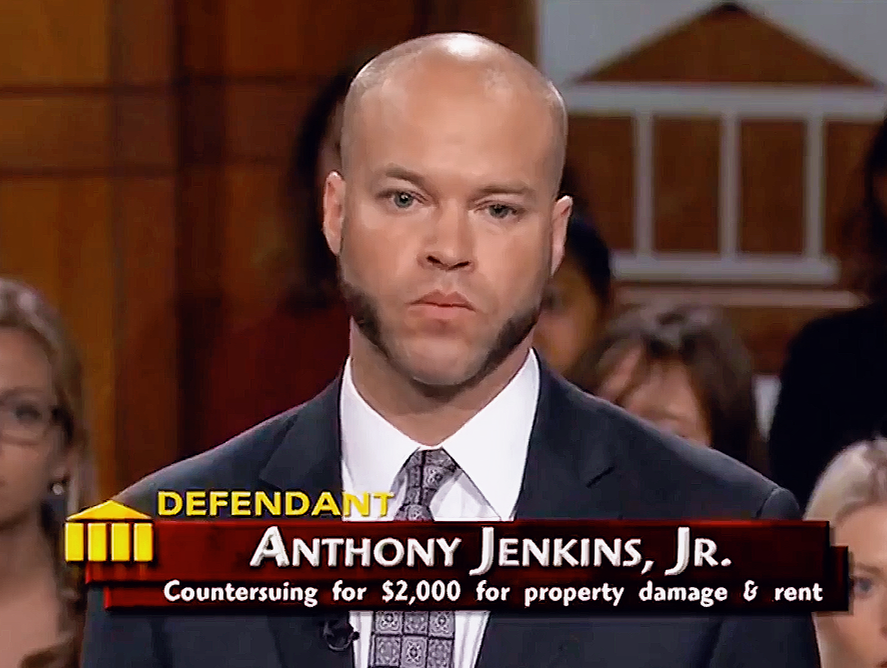
Troisi said she felt intimidated because Jenkins drank frequently and had been intoxicated when she visited. Judge Judy responded that Troisi could have mailed him a check, but Troisi argued that the damage was not her responsibility simply because her son caused it.
The motorcycle dispute developed from that unresolved promise. The Harley was titled in Troisi’s name, although her son had used it exclusively for about two years and Troisi was still making payments. Jenkins ultimately arranged for the motorcycle to be towed. Troisi retrieved it and then sought reimbursement for the towing fees.

A Promise Becomes the Center of the Dispute
Judge Judy reframed the dispute around the exchange between the parties. Jenkins was not responsible for cleaning up after a 26-year-old tenant who had damaged a room. But, in the judge’s view, Troisi had voluntarily taken responsibility when she promised to help repair the damage.
In a closing preview attached to the transcript, Troisi was heard saying that she had offered to pay before seeing the room and later realized she did not have to do so. The preview also included a reference to her speaking with a lawyer. During the hearing, she argued that Jenkins had withheld her son’s belongings, including a GoPro camera, and had kept other property.
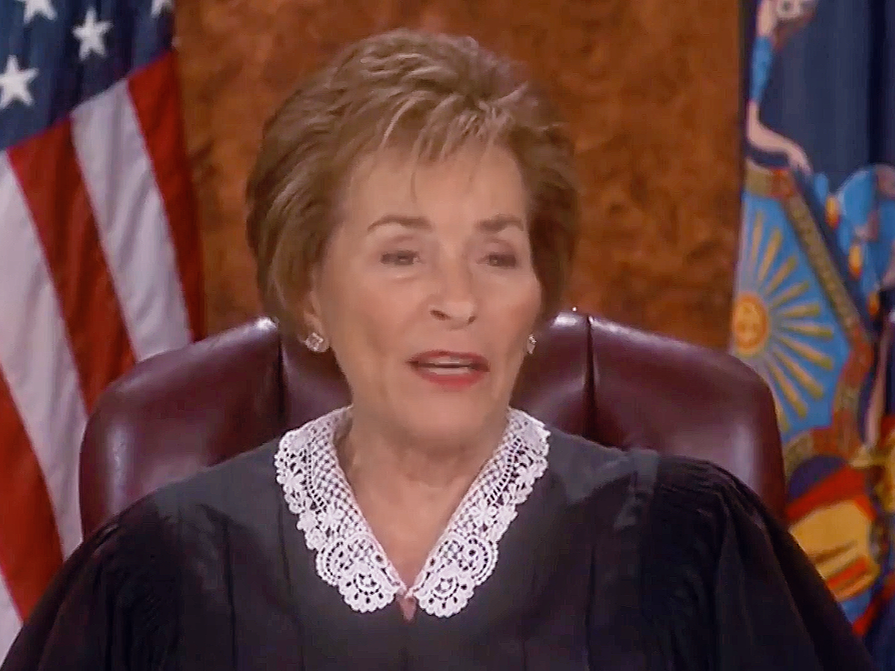
Jenkins denied taking the GoPro. Judge Judy pressed for evidence of the alleged false police report. The transcript does not establish that such a report existed; during the exchange, it includes the statement, “There is no police report. I never filed one,” without consistently identifying the speaker. The judge refused to treat the accusation as established without proof.
Troisi also referred to police instructions about retrieving the motorcycle, but Judge Judy identified that account as hearsay. The judge explained that if Troisi wanted the motorcycle returned, she could have filed a case stating that Jenkins possessed her property and that she wanted it back. Instead, the dispute became a conditional exchange: Troisi wanted the motorcycle, and Jenkins expected the promised repairs.
Troisi agreed that she had promised to fix the damage. Judge Judy emphasized that Jenkins had no legal obligation to repair the room on Troisi’s behalf, but Troisi had made a commitment and did not keep it.
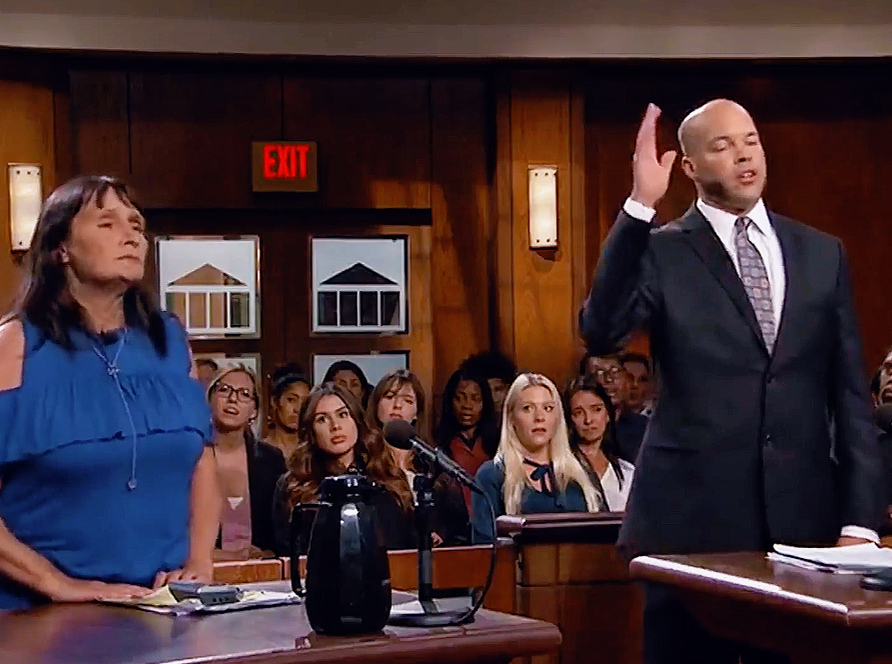
Judge Judy Calls It “Tit-for-Tat” Justice
Judge Judy described Jenkins’s decision to have the Harley towed to an inconvenient location as a “tit-for-tat” response. In her view, the inconvenience was connected to Troisi’s failure to honor the promise she had made after seeing the damage caused by her son.
The court did not accept every allegation. The claimed false police report was unsupported, and the GoPro accusation remained contested. The central exchange, however, was clear: Troisi wanted her son’s property, while Jenkins wanted the damage addressed.
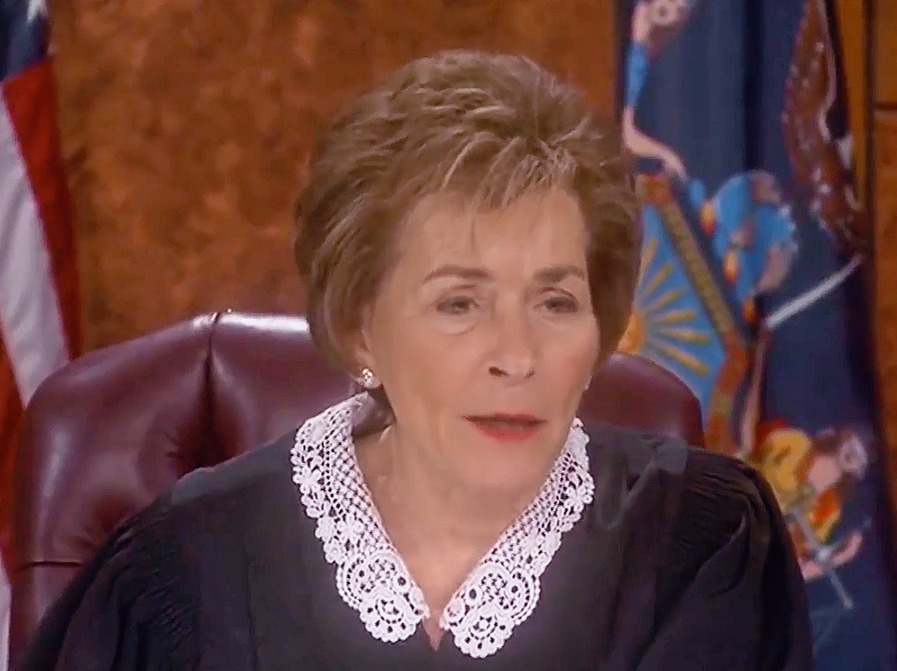
The ruling did not create a broad obligation for parents to pay for every adult child’s misconduct. Judge Judy said Troisi was not legally required to clean up after a 26-year-old. The decisive point was that Troisi had chosen to promise payment or repairs, then did not follow through.
The case ended without an award to Troisi for the towing fees. Judge Judy told her that Jenkins was not going to pay and that she should have kept her promise. Because she did not, the judge said, she would get “zippity-doo-dah.”
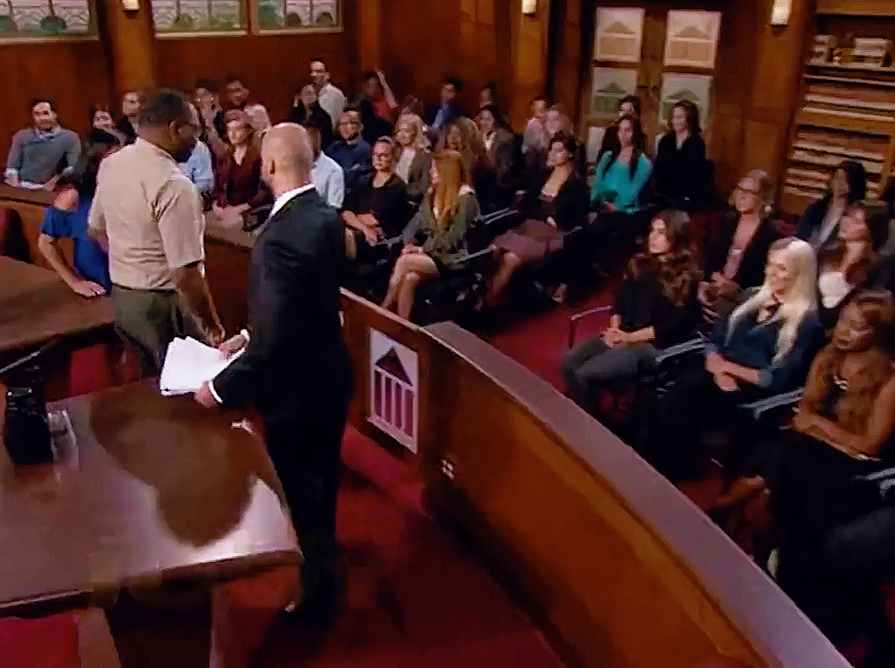
Two Cases, One Question About Responsibility
The dog-attack case and the Harley dispute involved very different facts, but Judge Judy approached both through responsibility rather than sympathy alone. In the first, a homeowner knew the dog had bitten before and allowed an invited neighbor to be exposed to that risk. In the second, a mother was not legally responsible for her adult son’s damage, but she became part of the dispute when she promised to address it.
FAQ
Who sued whom in the dog attack case?
Paris High sued her neighbors, Shayla Nelson and Courtney Chatman, after Nelson’s German Shepherd bit her on the defendants’ front porch.
When did the dog attack happen?
The testimony placed the attack on May 12. High had been talking with Nelson and was being invited to see Nelson’s wedding dress when the dog bit her.
How much did Paris High receive?
Judge Judy awarded Paris High $5,000, the exact amount she requested.
What kind of dog was involved?
The dog was identified as a German Shepherd. Nelson confirmed that the dog had bitten someone before and had later been put down.
Who was Diane Troisi suing?
Diane Troisi sued Anthony Jenkins Jr., her son’s former roommate, over fees connected to the towing of a Harley Davidson motorcycle.
Why was the Harley Davidson towed?
The motorcycle was towed after Troisi’s son left Jenkins’s home amid a dispute involving damage to the room and an unpaid promise to help with repairs.
Did Judge Judy make Troisi pay for the damaged room?
The transcript does not show Judge Judy ordering Troisi to pay for the room. Instead, the judge said Troisi was not legally responsible for her adult son’s damage but had failed to keep her voluntary promise to help repair it.
What did Judge Judy say about the motorcycle dispute?
Judge Judy described the towing as “tit-for-tat” justice and rejected Troisi’s request for towing fees because she had not kept her promise regarding the room damage.