A routine car wash became a dispute over a dented Nissan door. A motorcycle brought in for a battery problem became a disagreement over a damaged gas tank. In both cases, the money mattered—but the contradictions mattered more. Before Judge Judy, two plaintiffs arrived with claims that depended on a clear account of what happened. Instead, the hearings turned on changing explanations, missing expert testimony, and the difference between an allegation and proof.
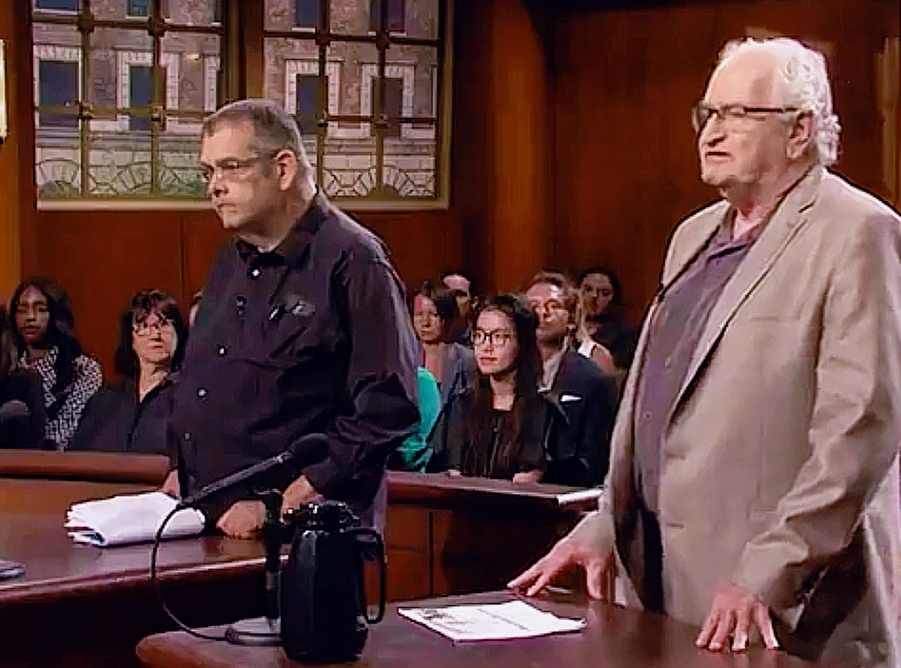
The first case: A Car Wash Queue Turns Hostile
On the morning of May 24, 2018, a car wash line became the setting for the first dispute. The incident happened at about 10 a.m. William Case Jr. was driving a 2017 Nissan Versa sedan. He had been riding around town with his girlfriend, who was described in court as a single mother of two. Craig Fouts was driving a 2017 Platinum Ford Expedition after traveling roughly 90 miles south of Pueblo. He had dropped his wife off for a doctor’s appointment and decided to wash the vehicle.
The car wash used a triple-feed system. Drivers moved through holding areas and gates, taking turns entering the wash. The arrangement required customers to understand whose vehicle was next. That sequence became the central point of disagreement.
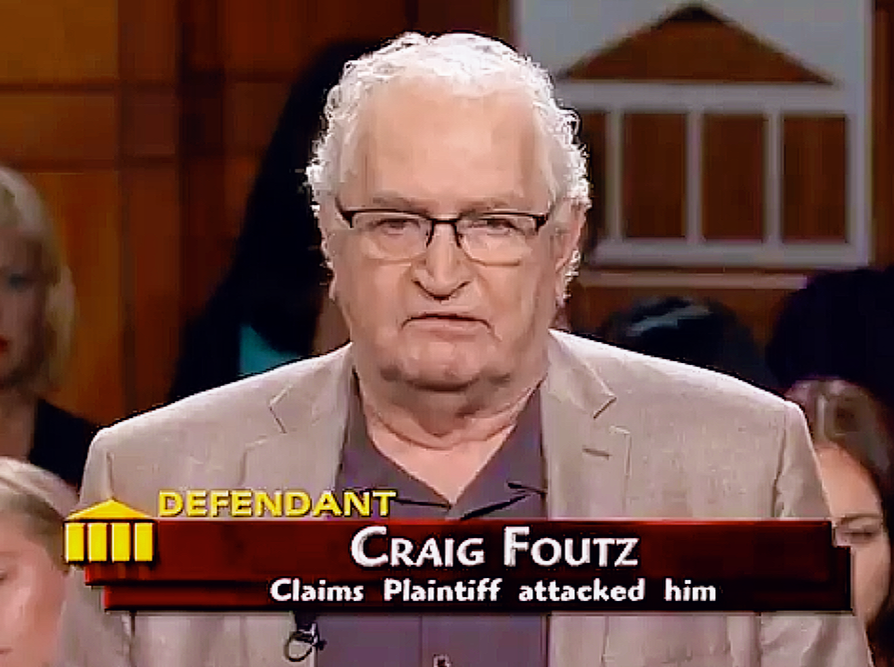
Case said the gate opened when it was his turn. He believed Fouts moved ahead of him. He recalled hearing the attendant, Thomas, tell Fouts that he was breaking the line and that the Nissan should go first. Fouts disputed that account. He maintained that he had been ahead of Case and had not cut in front of anyone.
What began as a question of position quickly became a question of conduct. The two men did not simply disagree about the line. They disagreed about who escalated the encounter and why one of them left his vehicle.
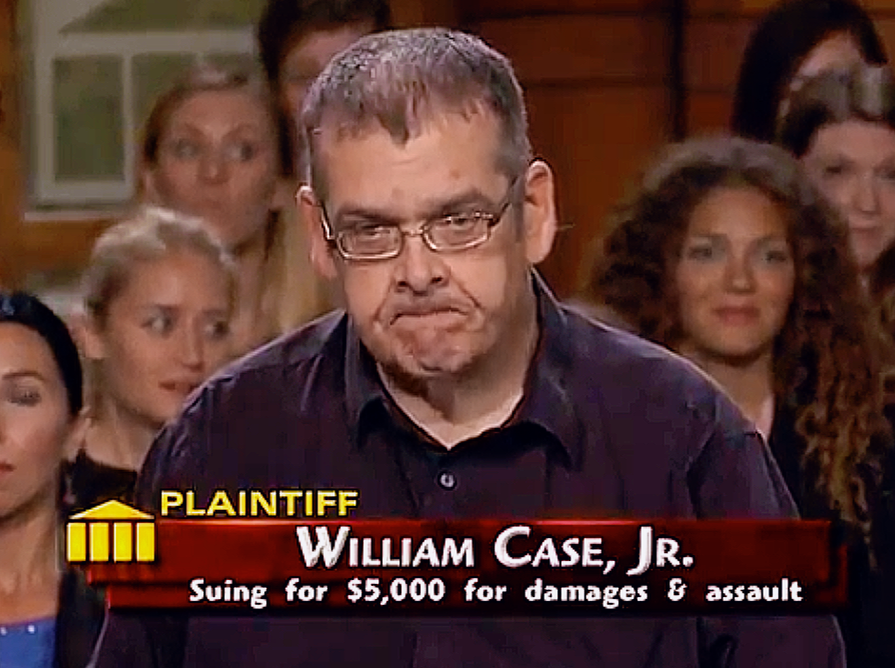
What William Case Jr. Said Happened
Case testified that Fouts entered ahead of him, then got out of his own vehicle and came toward the Nissan. According to Case, Fouts jerked open the driver’s door and punched it shut with his fist. Case said the impact left a dent in the door and caused more than $700 in damage because the paint on the new car could not be matched easily.
The alleged damage was visible in a photograph shown in court, although Judge Judy described it as difficult to see. Case also said he had recently had 21 stitches removed from his elbow. After the confrontation, he remained inside the Nissan, locked the doors, and did not get out to confront Fouts.
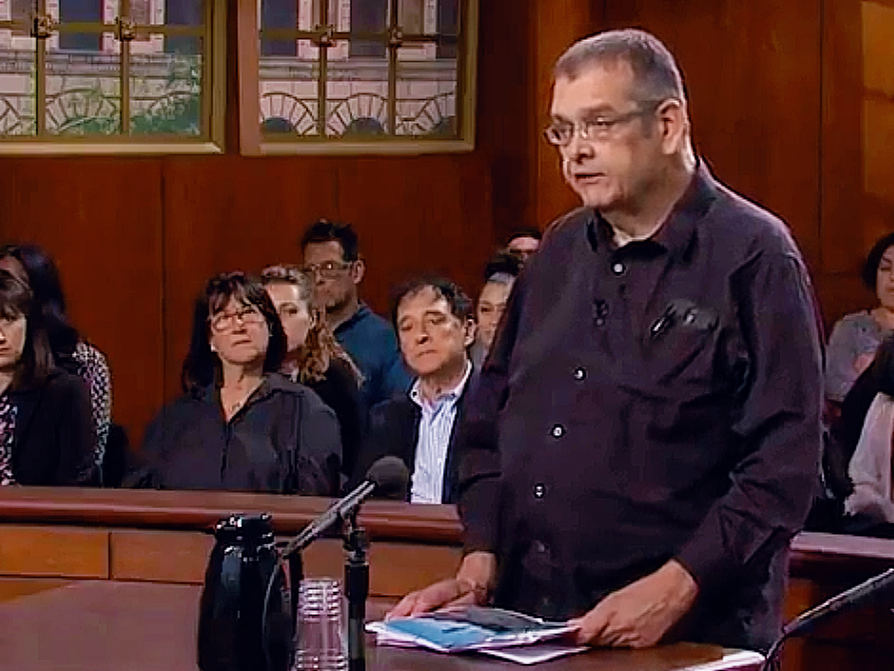
Case said he went to an emergency room and that the police came to him there. He also said the car wash manager provided Fouts’s license plate number. Case acknowledged that he was still trying to obtain a copy of the police report.
The details mattered because the setting had rules. Customers were expected to remain inside their vehicles while the automated wash pulled them through the tracks. Judge Judy repeatedly returned to that fact. In her view, once Fouts was ahead in the line, he could have stayed in his vehicle and proceeded through the wash. Case, meanwhile, could have allowed the car in front of him to go through if that was what the attendant directed.
The Contradictions in Craig Fouts’s Account
Fouts said Case had tried to move in front of him. He described a configuration involving a black truck, a center lane, and another car in the left lane. In his version, the left-lane car went forward, the black truck followed, and Case then came into the left lane and tried to get ahead.
Fouts also said he left his vehicle because he felt threatened. At different points, he suggested that Case had been honking and cursing, that Case had lunged at him with the vehicle, and that he feared the other driver might strike the side of his Expedition. But Judge Judy compared those statements with the sworn answer Fouts had already provided.
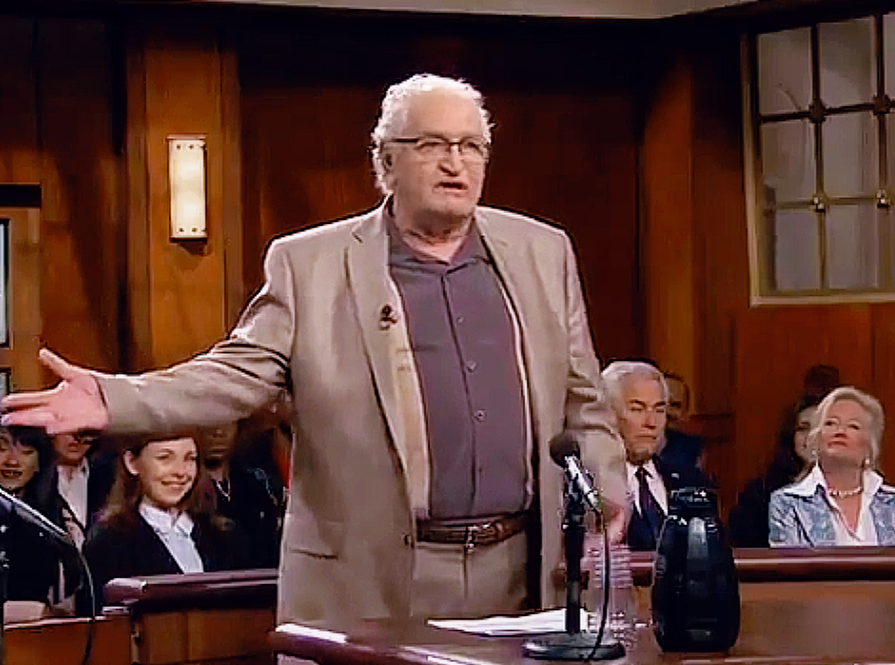
That written account did not say Case had lunged at him with the car. It did not say Case had stepped out with his fists. Instead, it said Case had lost his temper, yelled profanities out of the window, and waved his fist. Fouts’s answer also stated that he got out after pulling into the car wash tracks.
Judge Judy treated the differences as significant. Fouts was already in front of Case, she pointed out, and all he needed to do was remain in his vehicle and enter the wash. When Fouts argued that he had been threatened, she challenged the claim because Case had not left the Nissan. She also objected when Fouts attempted to interrupt before answering the question being asked.
After the judgment, Fouts added further allegations outside the main testimony. He said Case had a carved club between the seats and that he was trying to reach for pepper spray before Fouts’s girlfriend stopped him. Case denied having a weapon and said he never got out of his car. Those claims were not the basis of the court’s stated award.
The $750 Judgment
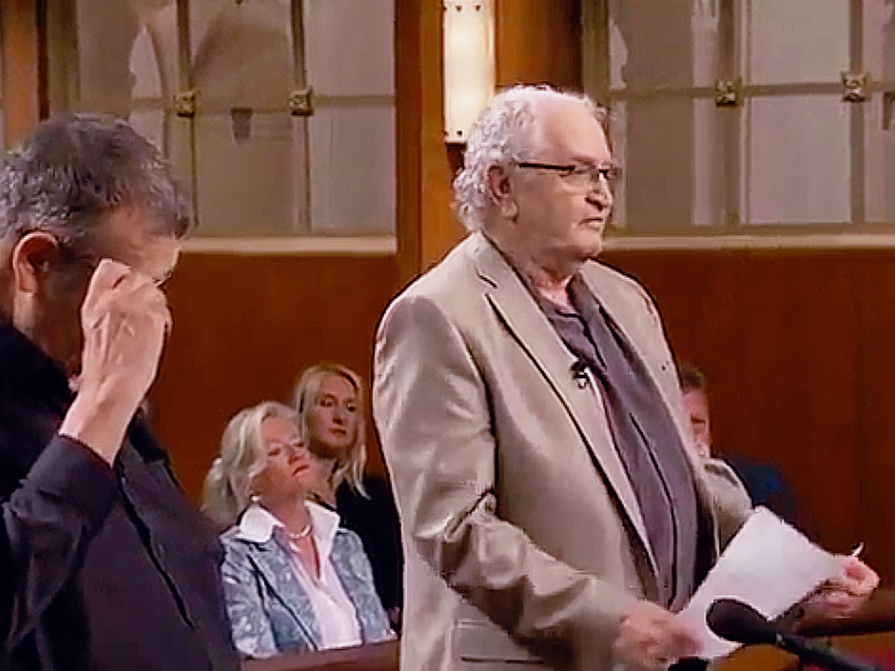
Judge Judy found for the plaintiff, William Case Jr., and awarded him $750. The amount was close to, but lower than, the damage figure Case had described. The court then ended the matter.
The SRT presents the first matter as a civil claim about vehicle damage. The hearing focused on whether the evidence supported Case’s account and whether Fouts’s changing explanations weakened his defense.
The encounter illustrated how quickly a minor disagreement can become a legal dispute. The original conflict concerned a place in a car wash queue. In court, the questions included a damaged door, an emergency-room visit, police contact, a disputed plate number, and competing claims about who felt threatened.
The second case: A Motorcycle Repair Claim Begins
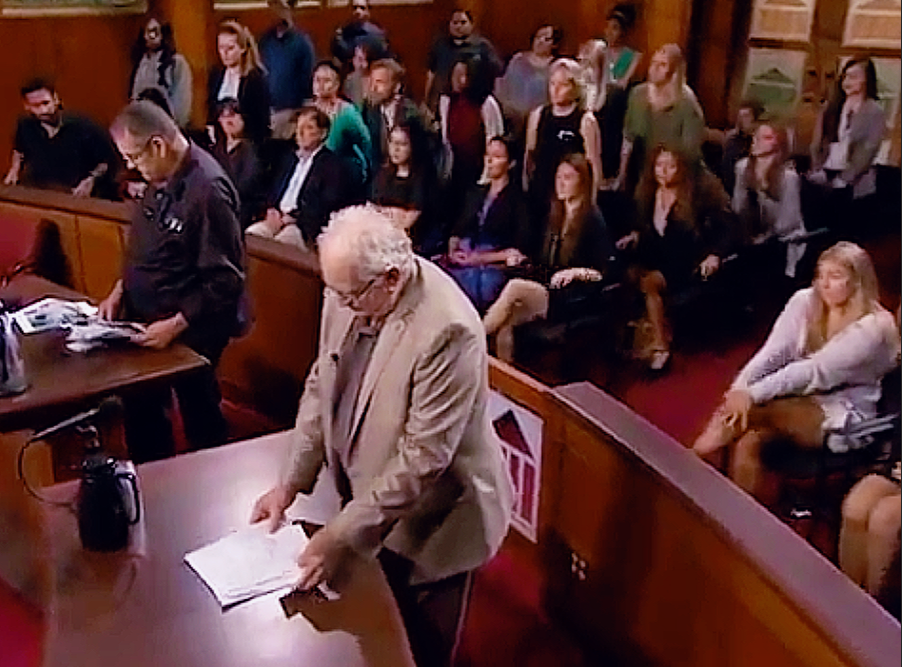
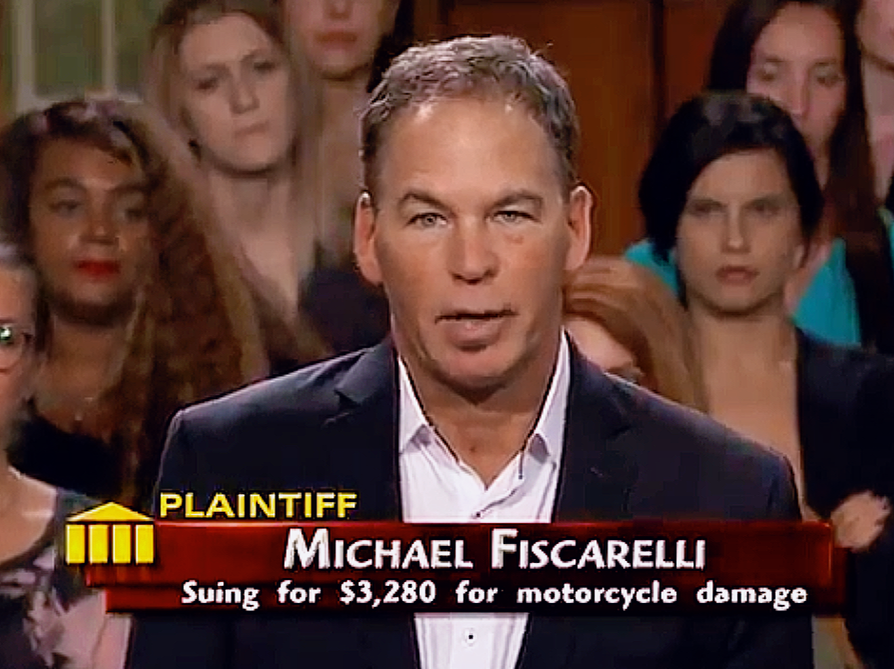
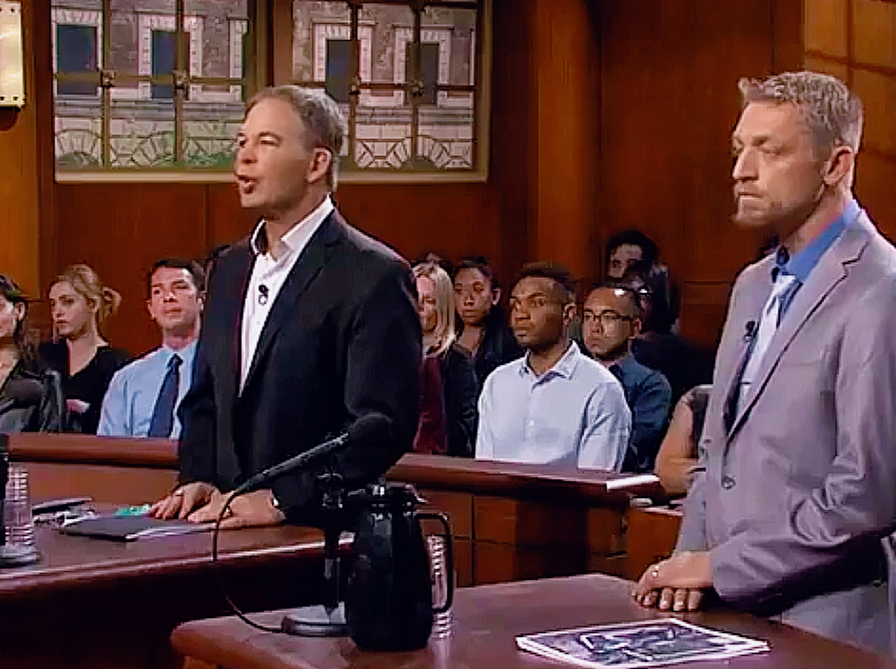
The second case involved Michael Fiscarelli and Ty Birchfield. Fiscarelli sued the motorcycle repairman for $3,200, claiming that Birchfield damaged his motorcycle while attempting to repair it.
Fiscarelli said he bought the motorcycle new from Harley-Davidson in 2010 for approximately $16,400. He had ridden it for about eight and a half years for pleasure with friends. The motorcycle had received modifications, including new pipes. Fiscarelli said Birchfield performed some earlier work while employed at American V Twin, a shop owned by Rick. By the dispute, Birchfield was operating his own business.
Fiscarelli said he brought the motorcycle to Birchfield in June 2017 after he and his wife encountered a high speed bump. He described the bike as having bottomed out and being jolted hard enough to disrupt the battery. The battery later went completely dead, so the motorcycle had to be towed to the shop.
At first, the repair appeared straightforward. Fiscarelli told the court that the motorcycle needed a battery replacement. He also said Birchfield offered to remove a minor dent from the gas tank while the battery was being replaced. But the plaintiff’s account became more complicated when the court asked what damage existed before the repair and what happened afterward.
The Story of the Speed Bump
Judge Judy focused on the difference between a motorcycle needing a battery and a motorcycle being rendered inoperable because its entire underside had been damaged. Fiscarelli said Birchfield had raised the possibility that the frame was out of alignment or cracked and that the bike might be considered inoperable. Yet Fiscarelli was eventually able to ride it out of the shop for at least ten minutes after the battery was replaced.
Fiscarelli also described a dent in the tank and a possible crack in a directional component. He said Birchfield believed the crack could have resulted from the bike going over the speed bump. At another point, however, the testimony suggested that the motorcycle had fallen over. When Judge Judy asked him to clarify whether the bike had fallen, Fiscarelli denied it, then explained that the bike had gone onto its side while being parked.
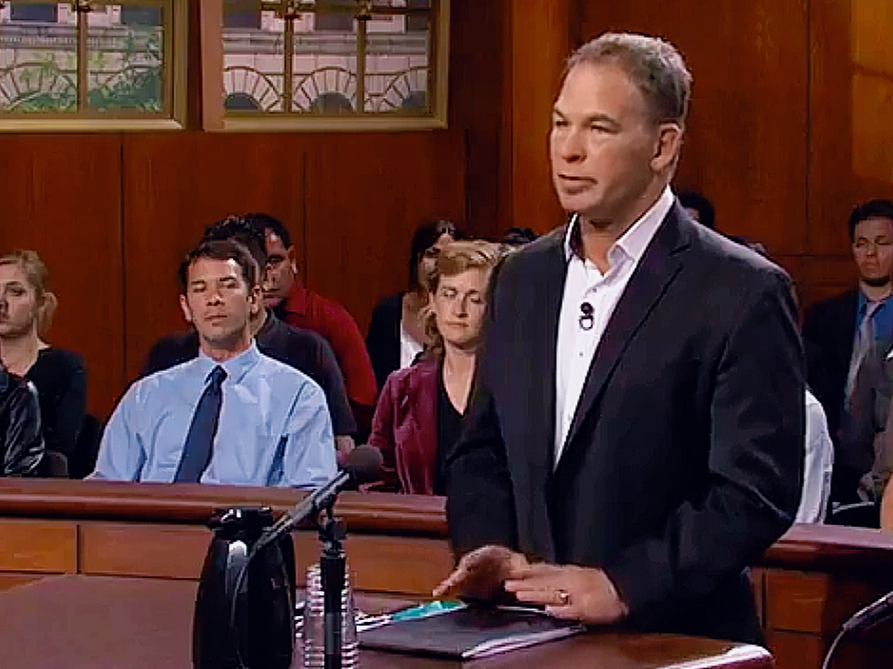
He said the motorcycle could not start that night and was left at a bar. The next day, a towing company took it to his house, and Birchfield then picked it up. Fiscarelli did not pay Birchfield for the repair. He said he later took the motorcycle somewhere else because Birchfield had destroyed the tank.
Judge Judy also confirmed that Fiscarelli had written Birchfield a check and then reversed it. The motorcycle was taken elsewhere and repaired. Fiscarelli’s wife appeared with him, but Judge Judy noted that she was not a mechanic who could testify that Birchfield had destroyed anything.
Why the Motorcycle Case Was Dismissed
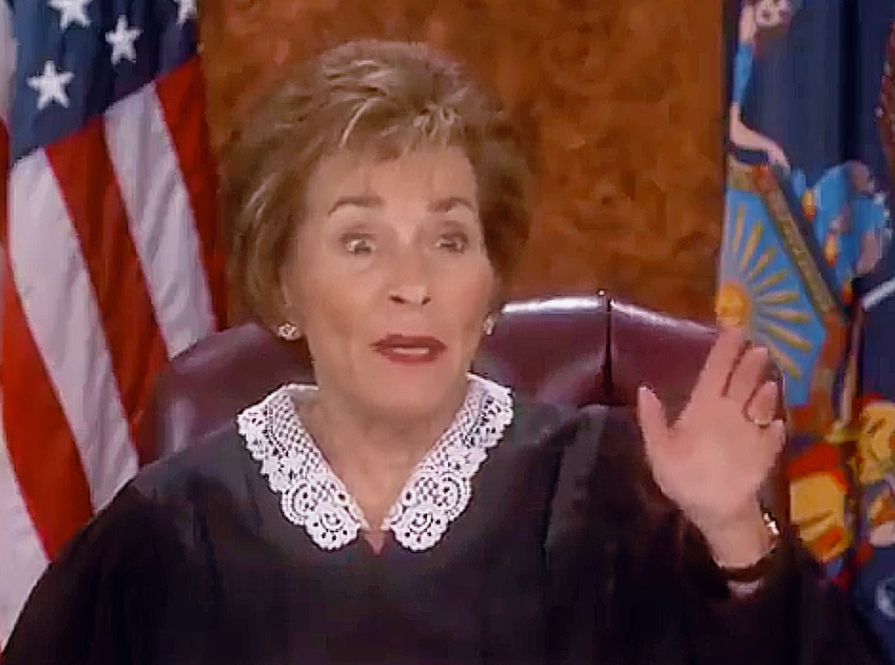
Birchfield denied destroying the gas tank. He also said he was not a mechanic when Judge Judy asked him directly, even though the case described him as a motorcycle repairman. The court’s stated problem was not simply that Birchfield denied liability. It was that Fiscarelli did not present an expert who could establish that Birchfield caused the damage.
Judge Judy also had to weigh Fiscarelli’s shifting description of the motorcycle’s condition. The complaint suggested that the main problem was a battery. The hearing included a speed-bump impact, possible frame damage, a tank dent, a possible crack, and an account that the bike went onto its side. Fiscarelli ultimately acknowledged that he had ridden the motorcycle away after the battery was replaced.
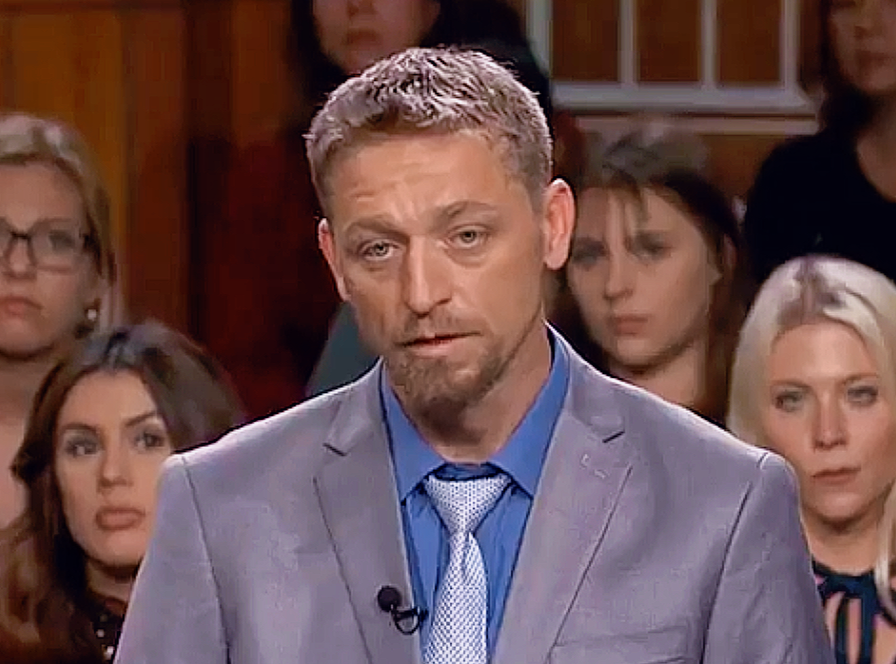
The court dismissed Fiscarelli’s case. That ruling did not establish that no damage occurred. It meant that, on the evidence presented in this hearing, the plaintiff did not prove that Birchfield was responsible for the claimed damage in a way that supported the $3,200 demand.
A later preview included additional allegations about the tank. It stated that Birchfield had used air while attempting to remove the dent, that the tank seam split, and that gasoline later sprayed toward Fiscarelli’s face. The preview also described the tank being replaced and the motorcycle leaving the shop in operable, nearly new-looking condition. Those statements appeared after the dismissal as a preview of a future segment, not as findings in the case decided during this episode.
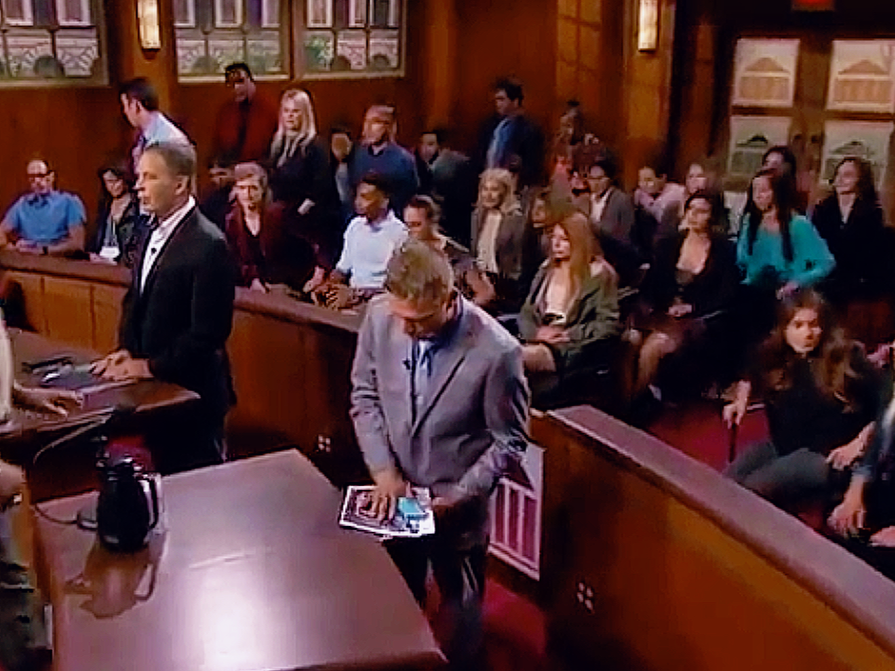
What These Two Cases Had in Common
The two lawsuits involved different objects. One concerned a Nissan door at a car wash. The other concerned a motorcycle tank and a battery replacement. Yet both hearings turned on the same question: which parts of the story could be supported consistently?
In the car wash case, the defendant’s sworn written answer became important because it differed from his live explanation of why he left the vehicle. In the motorcycle case, the plaintiff’s description of the original problem and the later damage became difficult to reconcile. In both matters, the court separated what a party believed happened from what that party could establish through testimony and evidence.
The cases also showed why context matters in small-claims disputes. A line at a car wash can create a chain of actions that ends with a property-damage claim. A battery problem can become a much larger lawsuit when the parties disagree about whether a dent was pre-existing, whether a bike fell, and whether a repair caused additional damage. Once the stories changed, the court had to evaluate not only the alleged damage but also the reliability of the account supporting it.
FAQ
What happened in William Case Jr. v. Craig Fouts?
William Case Jr. claimed that Craig Fouts damaged his Nissan at a car wash after a dispute over which vehicle was next in line. Case said Fouts opened and struck the Nissan’s door. Judge Judy awarded Case $750.
How much did William Case Jr. receive?
The court entered judgment for William Case Jr. in the amount of $750.
What was Michael Fiscarelli suing Ty Birchfield for?
Michael Fiscarelli sued Ty Birchfield for $3,200, claiming that Birchfield damaged his motorcycle while attempting to repair it.
Why was the motorcycle case dismissed?
The case was dismissed after the hearing raised questions about the motorcycle’s condition, the sequence of events, and whether Fiscarelli had evidence proving that Birchfield caused the alleged tank damage. Judge Judy also noted that no expert was presented to establish the claim.
Did the two cases involve criminal charges?
The SRT presents both matters as civil courtroom disputes. The first included discussion of police contact and an emergency-room visit, but the stated judgment was for vehicle damage. The second concerned a repair and alleged property damage.
What is the main lesson from these Judge Judy cases?
The hearings show that a compelling allegation is not enough by itself. Consistent testimony, clear documentation, and evidence linking the defendant to the claimed damage can determine whether a civil claim succeeds.