A relationship that began on Facebook quickly turned into hotel bills, payday loans, and a bail payment. In the same episode, a former friendship unraveled over a $4,000 loan that the plaintiff said was real but could not clearly connect to her financial records. Across both cases, Judge Judith Scheindlin confronted the same question: what can a person prove when a promise to repay is stronger than the paperwork supporting it?
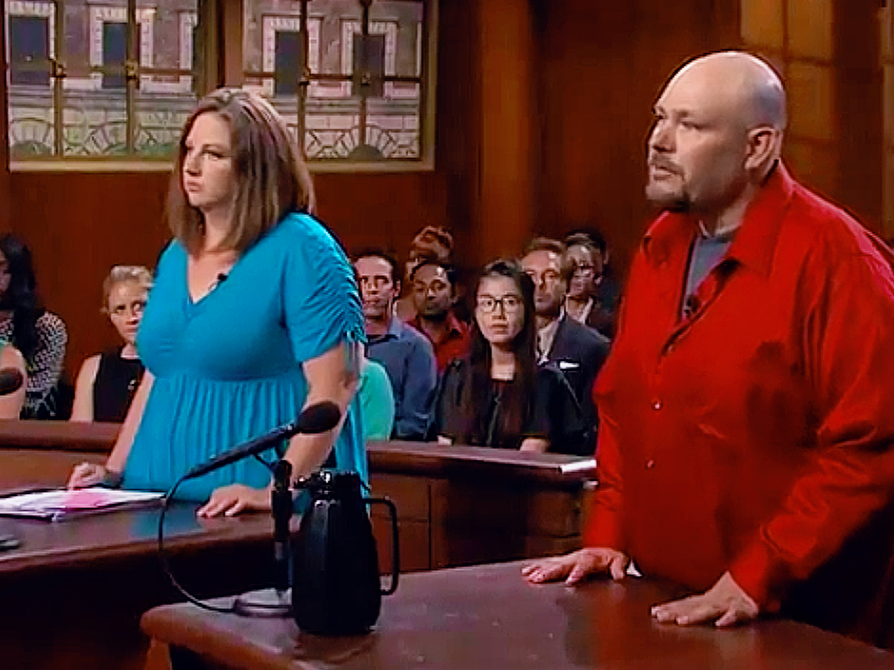
The first case: Benham v. Luna. A Relationship That Became a Financial Dispute
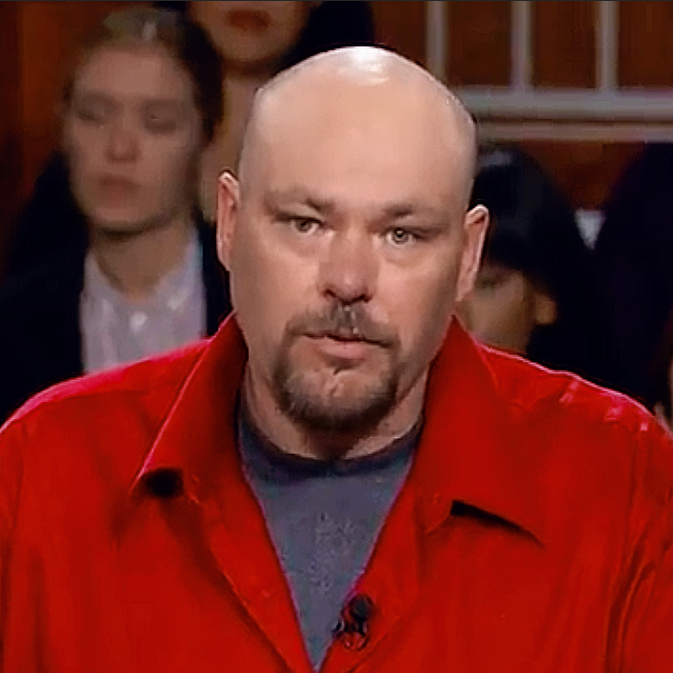
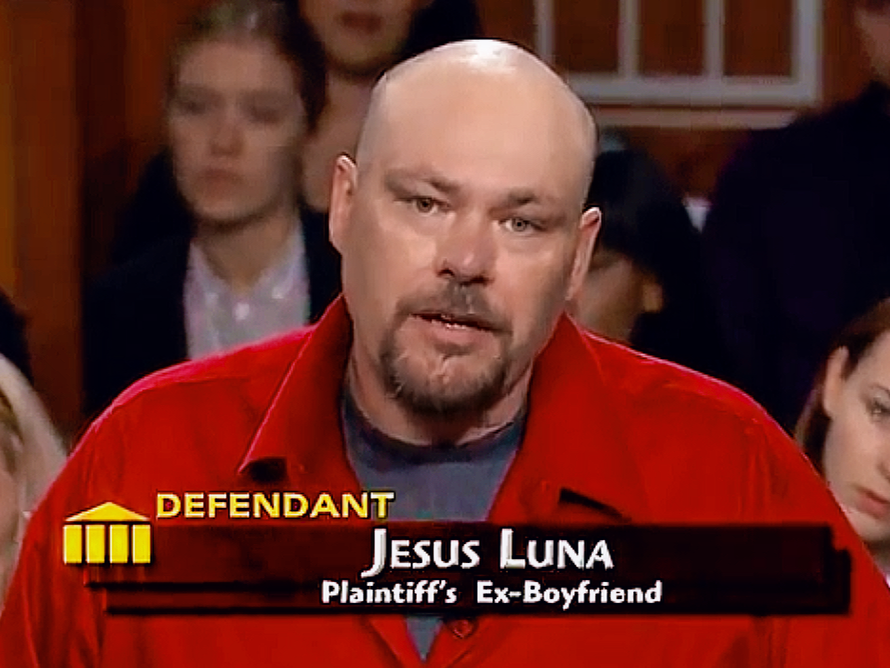
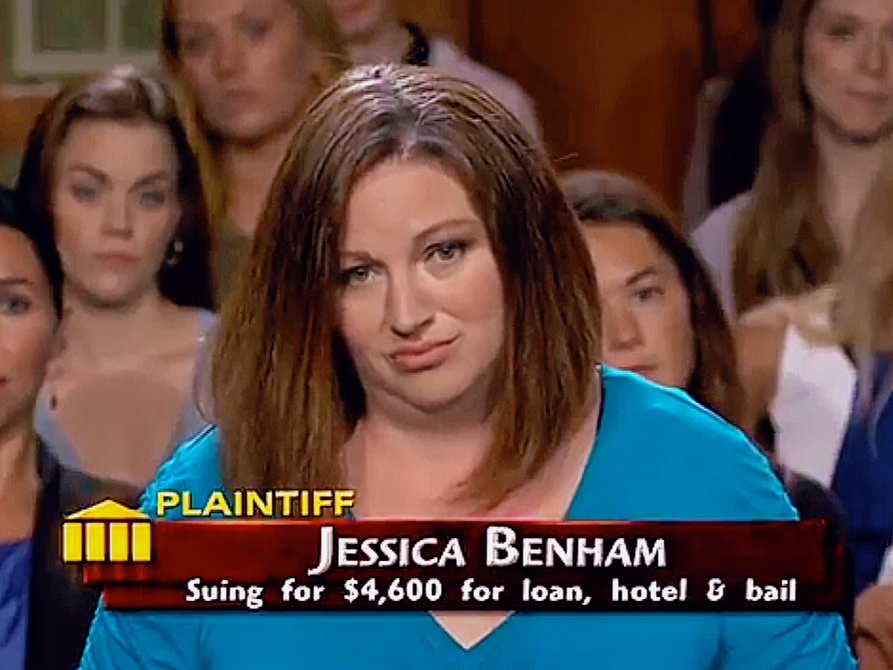
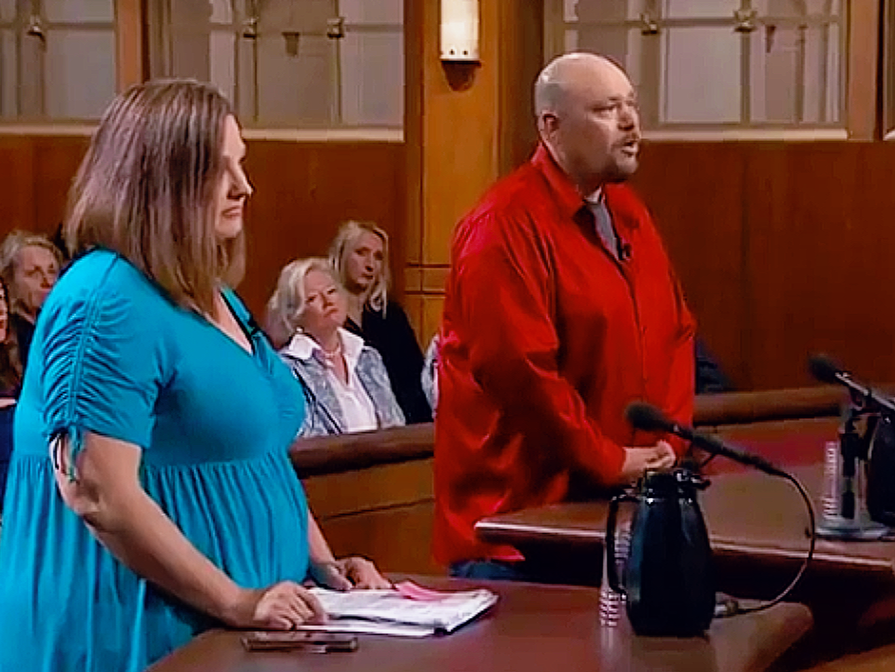
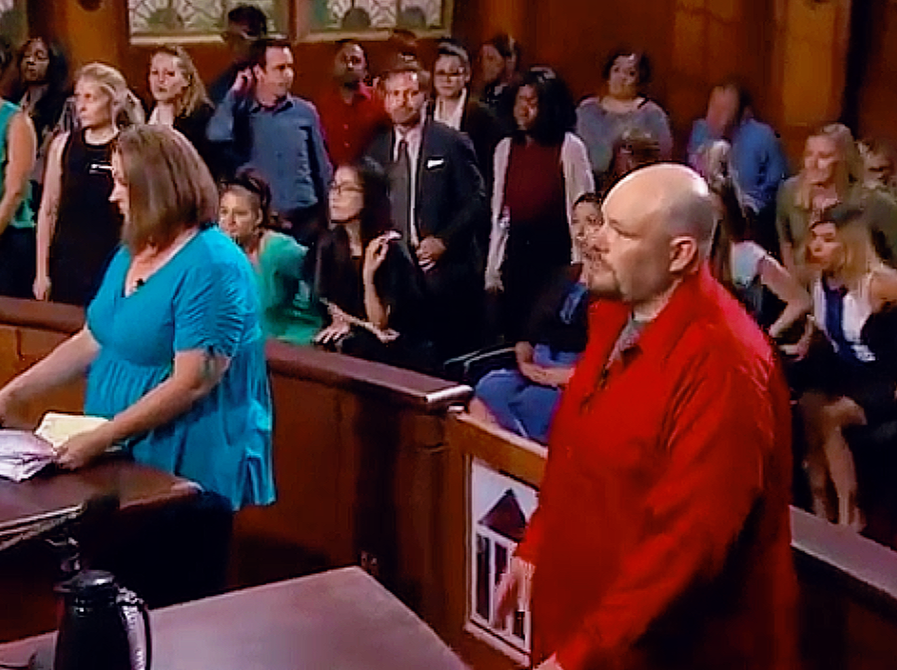
The first case, identified in court as Benham versus Luna, involved Jessica Benham and her former boyfriend, Jesus Luna. Benham sued Luna for money connected to hotel rooms and bail. The episode later summarized her claim as $4,600 in total, although the courtroom discussion separated the hotel expenses from the bail-related amount.
Luna told Judge Judy that he met Benham through Facebook in April. They met in person roughly a week later, with Luna placing the first meeting around April 15. The timing became central because, only weeks after the relationship began, Luna was facing a serious housing problem.
He said he had been evicted after discovering that the person from whom he rented was not actually the owner of the home. Luna maintained that he did not directly ask Benham for money. Instead, he said he told her he was “in a bind” and had just been evicted. According to his account, Benham responded that she did not want to see him on the street and offered to get him a hotel room.
Benham described the arrangement differently. She said Luna told her he would be paid and would repay her when the money arrived. She continued paying for hotel rooms after that expected payment failed to appear. The transcript states that she used her credit card, sent money through Western Union, and took out six payday loans to keep him housed.
The dispute was not simply about whether Benham paid. Both sides acknowledged that she paid for hotel-related expenses. The conflict was over the promise behind those payments, the amount owed, and whether Luna’s expected settlement would ever provide the repayment he had described.
The Timeline Behind the Hotel Bills
The court’s questioning established a compressed timeline. Luna and Benham met in April. Luna said he was evicted in May. Benham then helped him obtain hotel rooms, and Luna remained in hotels until the end of May. Benham testified that she could no longer continue financially after that point.
The hotel arrangement also produced conflicting accounts about how often Benham entered the rooms. Benham initially said she was not really in the hotel room and would go to the hotel to use her credit card. When pressed, she said she had never been in Luna’s room. Luna contradicted that statement, describing an occasion at a Super 8 Motel when Benham was already sitting on the bed.
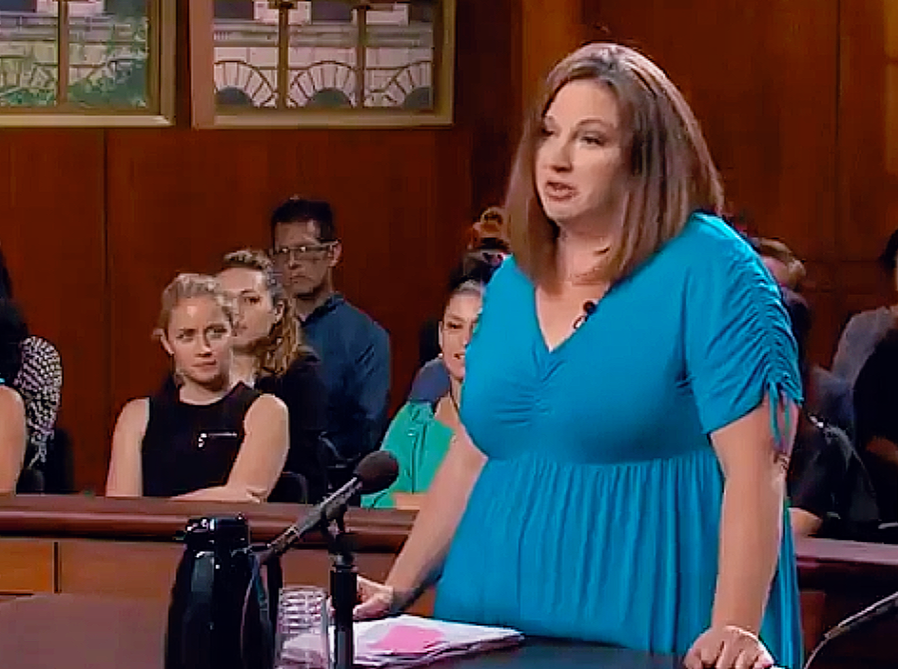
Luna said Benham had asked what he wanted from the relationship and then said, “Why don’t we get through this first?” He interpreted the wording as significant. He also said she came into the room on most occasions when she rented a room for him. Benham’s position was that she was paying for the rooms, not living in them.
The court also heard that Luna had told Benham he would pay her back by the end of May, when he expected to receive settlement money. That date passed without the anticipated repayment. The financial pressure then shifted to Benham, who said she had borrowed money herself to continue helping him.
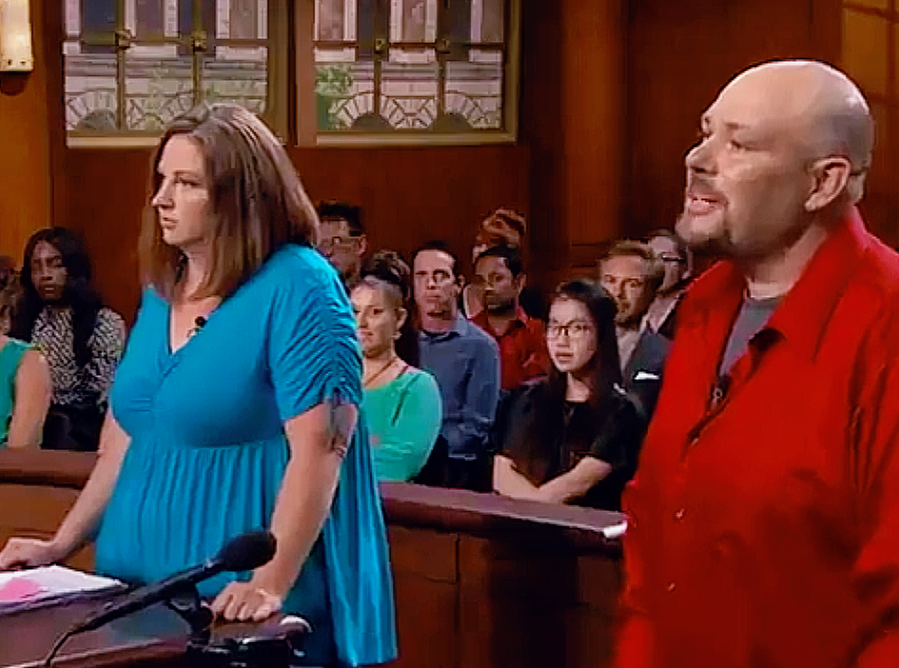
Why the Settlement Check Changed the Case
Luna’s expected settlement arose from a workers’ compensation dispute. He said his employer had disputed the claim after failing to pay workers for two weeks, delaying the process by roughly a month and a half. The check was described in court as $2,600, but Luna testified that garnishment reduced the amount he actually received to $116.
Judge Judy repeatedly returned to that figure. Luna acknowledged that child support had been taken from the settlement. He explained that the arrears had remained after his children became adults and were later collected from the check. Judge Judy emphasized that the deduction reflected unpaid child support, even though it explained why the anticipated repayment did not materialize.
Benham said Luna had presented the settlement as a substantial amount and had agreed to repay her from it. She produced a text message that she believed showed that agreement. The message, as described in court, referred to Luna cooperating with the labor board and promising to give her money once he was paid.
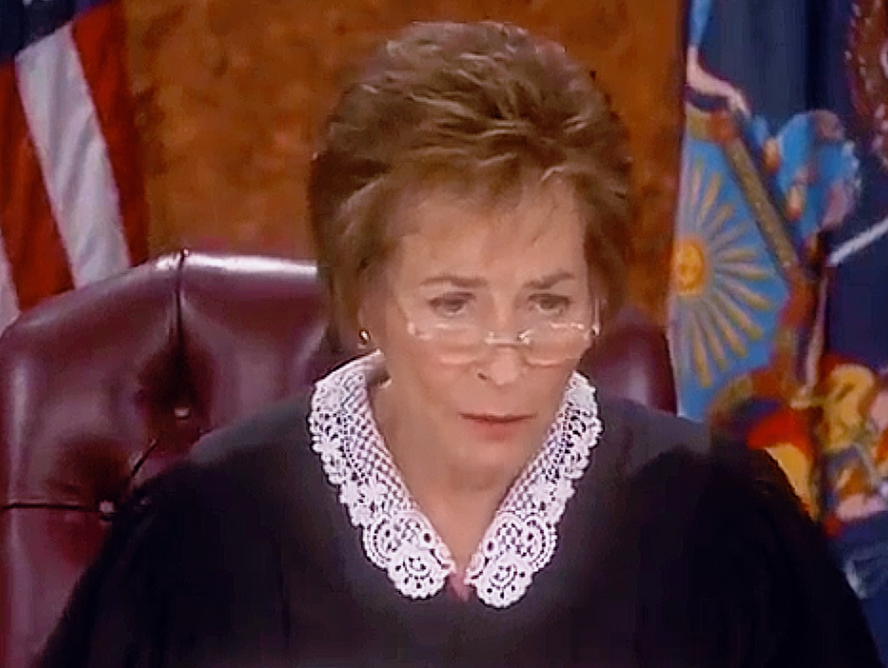
Judge Judy treated the dispute as a possible verbal contract. She tested the promise against a hypothetical loan that would be repaid when an expected payment arrived. Her questioning focused on whether Luna’s words amounted to a promise to repay the money or only a promise connected to the expected settlement.
The ruling conversation also exposed another part of the relationship. Benham said Luna went back to live with his former girlfriend. Luna first denied being aware of that claim, then acknowledged that he had stayed at the former girlfriend’s house for three nights. He also said he used her car to go to the labor board. When Benham could no longer pay for hotels, she had allowed him to stay in her home for three days, although Luna said he found that arrangement uncomfortable.
The $750 Bail Claim
The bail portion of the case was more concrete. Luna had been picked up on May 15 on a warrant from Denver, Colorado. He said the warrant involved a traffic violation and a failure to appear after he had been hit by a semi-truck. Judge Judy clarified that the warrant was not issued for child support, although child-support issues affected the wider financial situation.
Luna’s bail was set at $750. Benham, however, paid $150 through a bondsman to get him out. She sued for $750, explaining that she had taken out a loan for that amount and that Luna had continued calling her from jail, causing her account to go into the negative.

Judge Judy challenged the gap between the amount Benham actually paid and the amount she claimed. The court concluded that Benham was entitled to recover the $150 she paid to the bondsman. The additional amount was not awarded. Judge Judy told Benham that Luna’s child-support arrears and traffic problem were his responsibility, not hers, but the court could only address the proven loss before it.
The case ended with Benham receiving the $150 bail-related amount. The transcript does not state a separate full award for all hotel expenses. After the ruling, the parties continued to disagree about Luna’s promises and Benham’s motives, but the courtroom portion was over.
The second case: Tenorio v. Patterson. A $4,000 Loan Under Scrutiny
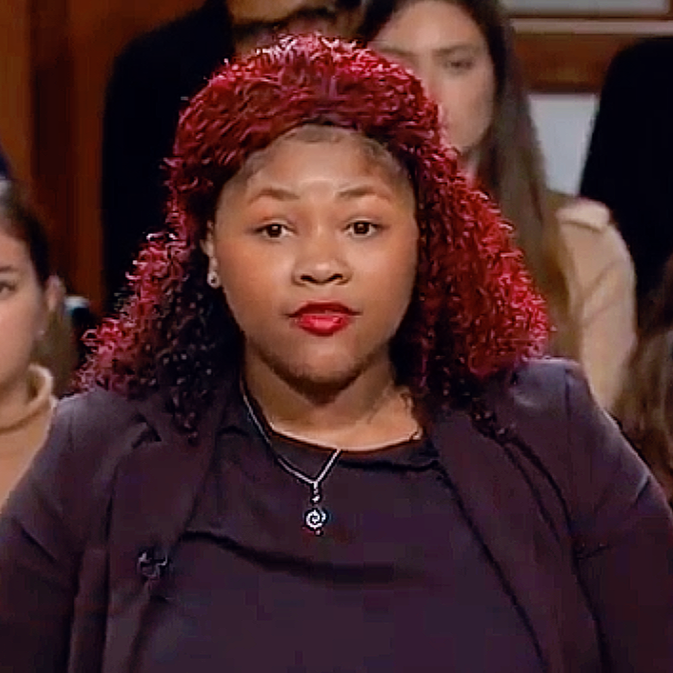
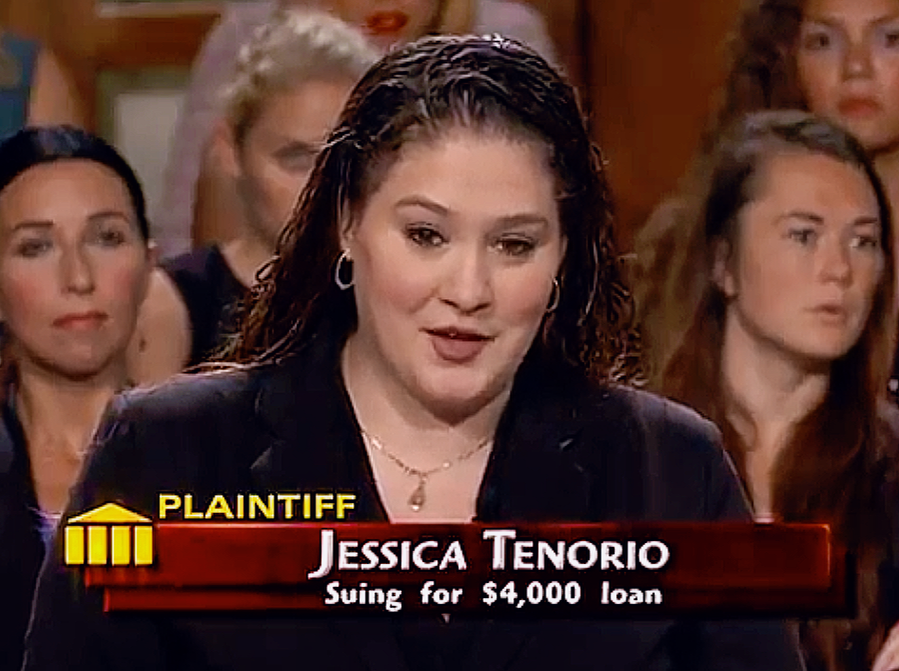
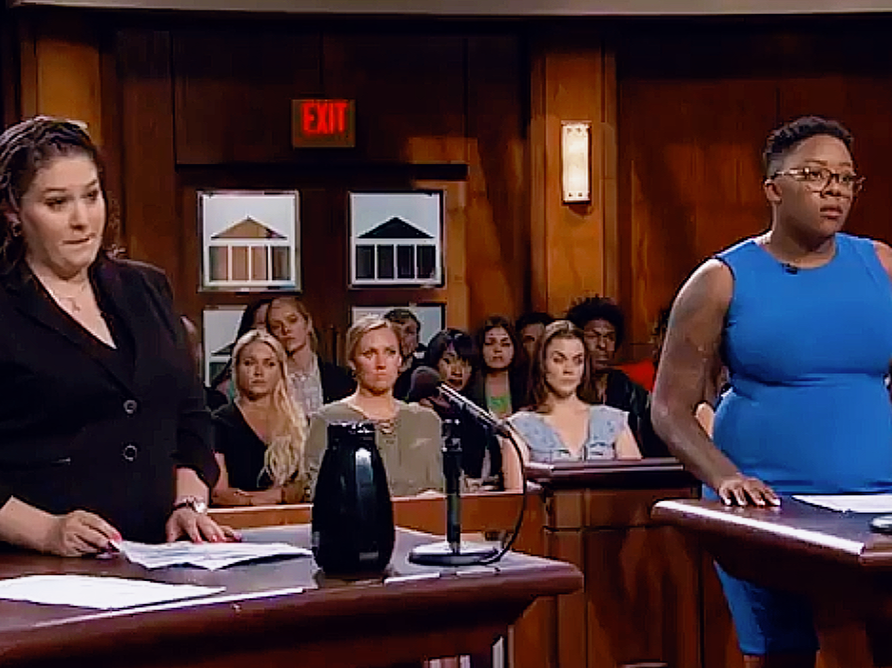
The second case involved Jessica Tenorio and her former friend, Ashley Patterson, who was identified as 25 years old. Tenorio sued Patterson for an unpaid loan that she said had been used to catch up on bills.
Tenorio told the court that she worked as a cashier and night auditor and brought home about $300 per week. She also testified that she had received a $65,000 settlement after falling on black ice in her building. She said she received the settlement in March of the previous year.
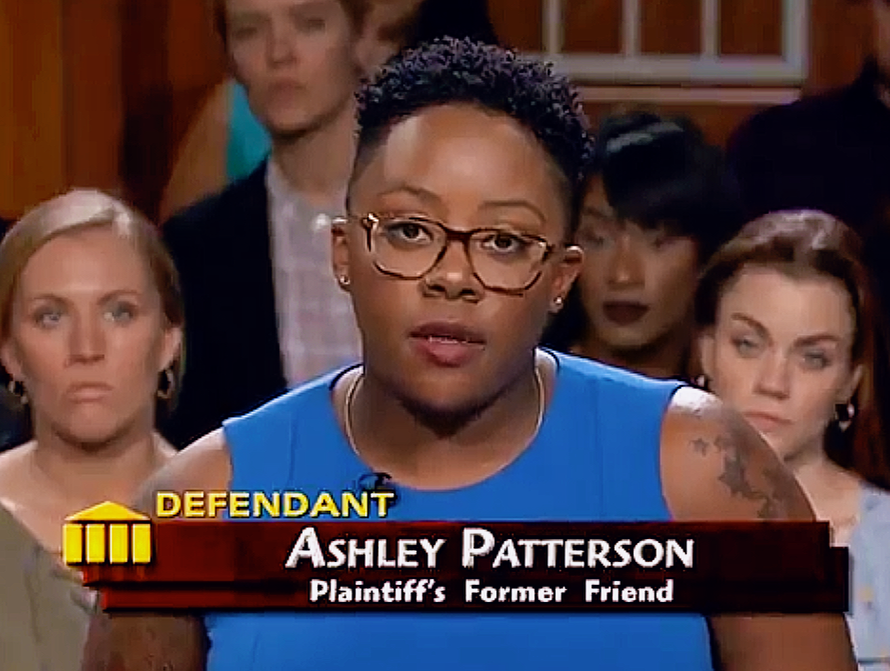
Patterson was unemployed at the time of the hearing. She had lived in New York before moving to North Carolina in July 2018. She also acknowledged wanting breast surgery that had cost $4,000 in February, before the settlement was due. The transcript presents these details as part of Judge Judy’s effort to understand each woman’s financial circumstances and the timing of the alleged loan.
Tenorio said Patterson asked to borrow $4,000 in January 2017 because she was behind on bills. Tenorio’s written complaint stated that she had the money because she had received a large settlement. But during questioning, Tenorio said the money came from her savings and that she gave it to Patterson before leaving.
That distinction became decisive.
The Timeline That Undermined the Claim
Judge Judy asked Tenorio to prove where the $4,000 came from. Tenorio produced a record showing a $3,500 cash withdrawal from savings in December 2016. The document did not show where the money went, and it did not match the $4,000 amount in the lawsuit.
The court then compared the withdrawal date with Tenorio’s statement that she received the settlement in March 2017. If the alleged loan was made in January 2017 and came from the settlement, the settlement could not have been the source. Tenorio responded that the money came from savings, but that explanation did not match the wording of her complaint or the amount of the withdrawal presented as evidence.
Tenorio also referred to a message that she believed showed she had lent Patterson the money. Judge Judy reviewed it and concluded that it did not establish a $4,000 loan. The court did not necessarily find that Tenorio had never loaned Patterson any money. Instead, Judge Judy said the evidence did not support the specific amount claimed.
Patterson testified that Tenorio had lent her $4,000 in January and that she had simply picked up the money. But Patterson said she did not know where Tenorio obtained it. When Judge Judy pointed out that the evidence did not match the settlement timeline, the testimony did not resolve the contradiction.
Judge Judy dismissed the case without prejudice, meaning Tenorio could take the dispute back to a local small-claims court in North Carolina, New York, or elsewhere. The court’s conclusion was not that no money had changed hands. It was that the evidence presented did not make the $4,000 claim sufficiently clear for the case as heard.
What the Two Cases Had in Common
The two disputes involved different relationships and different amounts, but they turned on the same courtroom principle: a promise is difficult to enforce when the amount, terms, or supporting records remain unclear.
In Benham v. Luna, the court separated the losses that could be connected to a specific payment from the broader relationship dispute. Benham proved that she paid $150 toward bail, but the larger $750 claim did not match the amount she actually paid. The hotel dispute was complicated by conflicting accounts about repayment, the expected settlement, and the parties’ living arrangements.
In Tenorio v. Patterson, the court focused on chronology. The plaintiff’s complaint connected the loan to a settlement that arrived later, while the financial record showed a different amount withdrawn earlier. The text message did not fill that gap.
Neither case was decided by emotion alone. The courtroom scenes included frustration, sarcasm, and personal accusations, but the decisions turned on the evidence presented: payment records, dates, messages, and the exact amount claimed. For anyone watching these cases as a lesson in small-claims litigation, the message is direct. Document the loan, state the repayment terms clearly, and make sure the amount in the lawsuit matches the records.
FAQ
What was Benham v. Luna about?
Jessica Benham sued her former boyfriend, Jesus Luna, over money connected to hotel rooms and bail. The transcript states that the broader claim totaled $4,600, while the court separately examined hotel expenses and a $150 bail payment.
How much did Jesus Luna actually receive from his settlement?
Luna said he expected a settlement of about $2,600 but received only $116 after child-support arrears were deducted.
How much did Jessica Benham recover for bail?
Judge Judy awarded Benham the $150 she paid to a bondsman. The court did not award the additional amount she claimed up to $750.
Why was Tenorio v. Patterson dismissed?
The case was dismissed without prejudice because the evidence did not clearly prove that Tenorio loaned Patterson $4,000. The timeline, withdrawal amount, complaint, and message did not align.
Did the court find that Jessica Tenorio never loaned Ashley Patterson money?
No. Judge Judy said she did not necessarily believe Tenorio had loaned Patterson nothing. The court said the evidence did not establish a loan of $4,000.
What does “dismissed without prejudice” mean in this case?
It means the case was dismissed without permanently preventing Tenorio from bringing the dispute to another appropriate small-claims court.
Sources
Primary source: The user-provided subtitle transcript, JudgeS23E16.srt, covering the courtroom proceedings in Benham v. Luna and Tenorio v. Patterson.
No external factual claims have been added to this article. Names, dates, amounts, testimony, and courtroom outcomes are based on the supplied transcript.