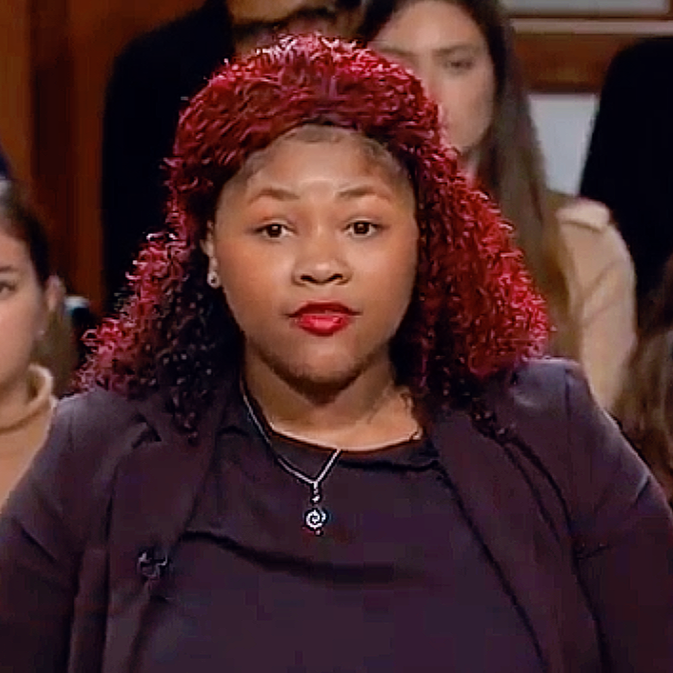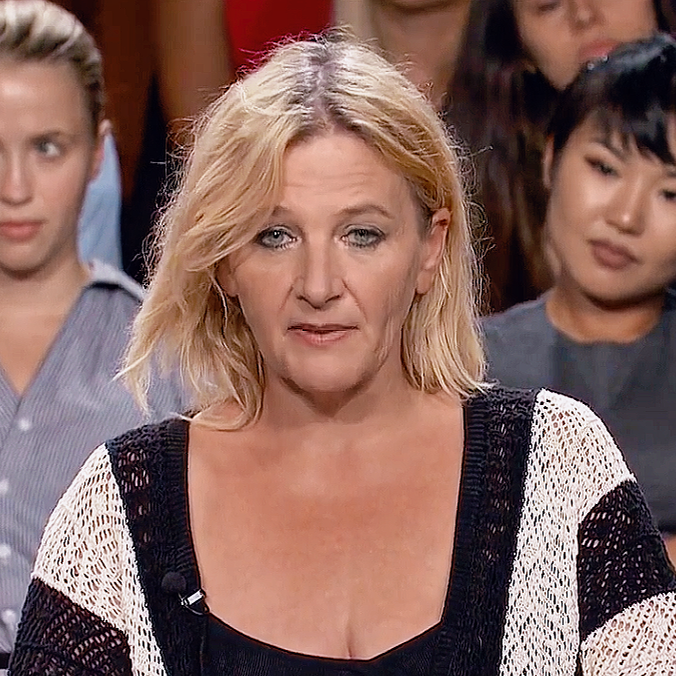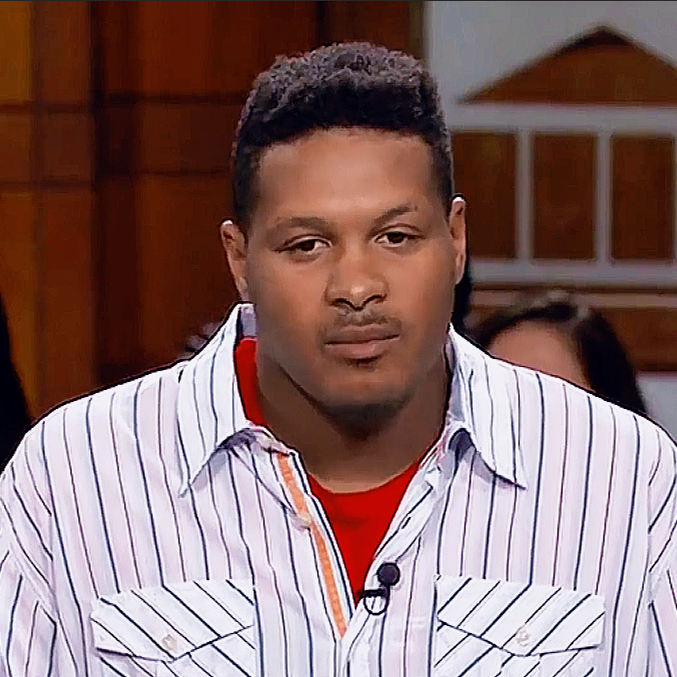
A $200 payment brought Ashley Henderson and Randy Wade into court, but the money quickly opened a much larger question: why would anyone help a former partner pay bail without first asking what the arrest was for? In the second case, a dog, a driveway, and a damaged car produced an equally sharp dispute over where a collision happened—and whether the visible damage came from that collision at all.
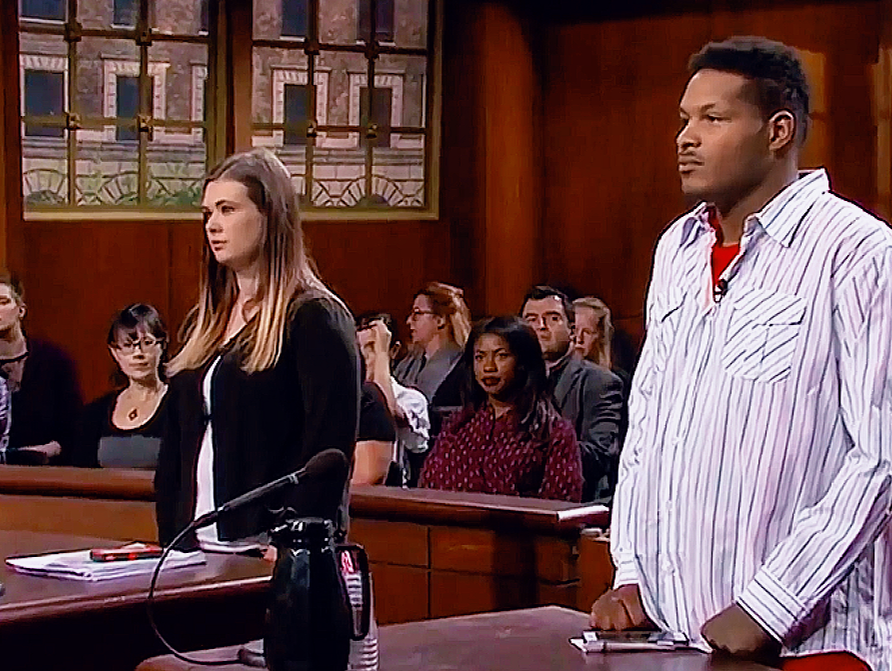
The first case: Henderson v. Wade
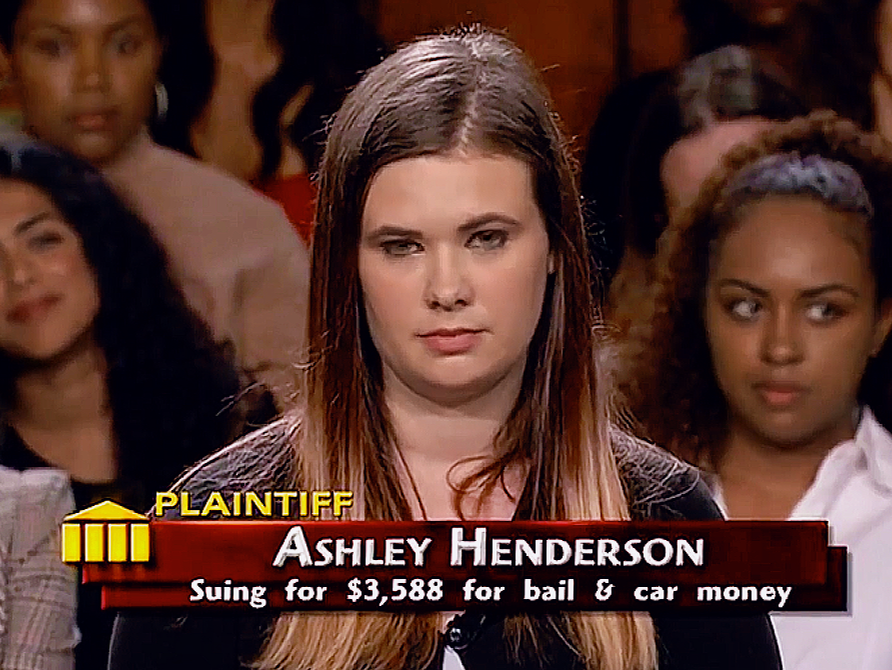
The first matter on the calendar was Henderson v. Wade, involving Ashley Henderson and Randy Wade. The case was presented as a dispute between former friends and former romantic partners. Henderson sought the return of money she said Wade owed her, including a $200 bail payment and money she provided toward a vehicle.
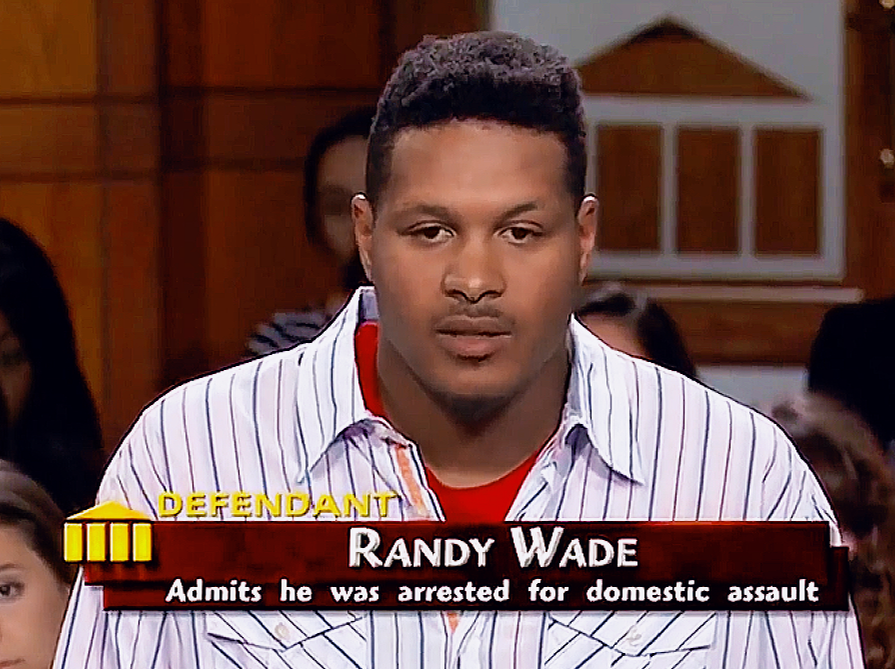
Judge Judith Scheindlin began with the bail issue. Wade acknowledged that he had been arrested on November 4 of the previous year for strangulation and domestic assault. He said the alleged victim was an ex-girlfriend. He also said the bail had been set at $50,000, that he was paying a bail bondsman, and that the criminal case was still pending.
The transcript records Wade answering that this was his first involvement with the criminal justice system. The judge then focused on a much smaller amount: Wade had come up short by $200 on a bail payment. Henderson’s position was that she had covered that shortfall. Wade initially denied that she had paid it.
A bail payment surrounded by contradictions
The testimony shifted when the judge confronted Wade with his written answer. In that document, Wade had stated that Henderson never loaned him money for bail. He wrote that he had mentioned being worried about making the next payment, and that he later found money in his glove compartment. According to his written account, he tried to return the money, but Henderson refused and insisted that he use it for bail.
That account did not match Wade’s first courtroom answer. When the judge pointed out the difference, Wade said the written statement was correct but tried to distinguish between Henderson leaving money in his glove compartment and Henderson directly paying the bail bill. The judge treated the explanation as an attempt to change the meaning of the evidence.
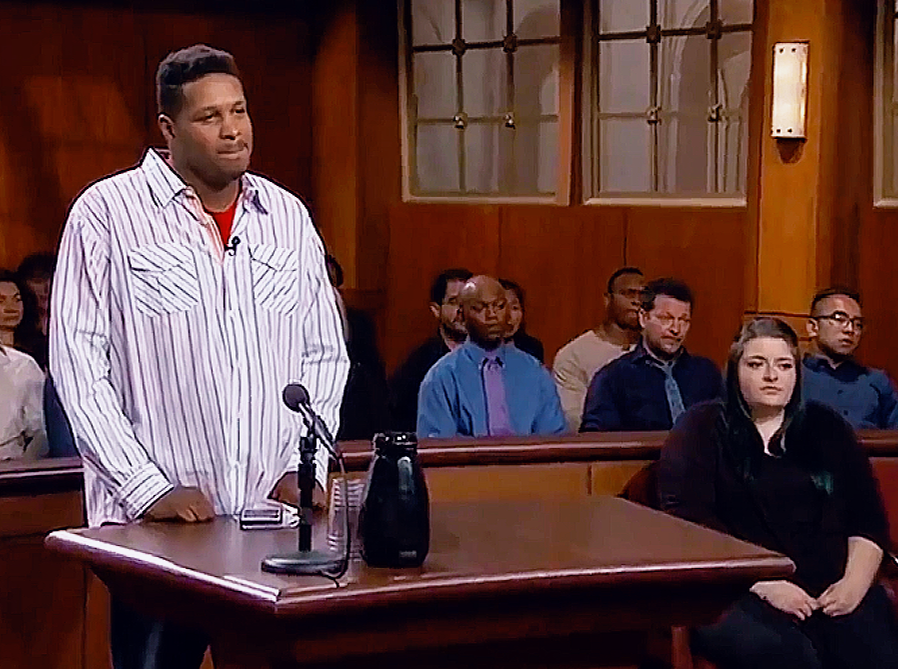
The exchange became more revealing when the judge asked who Wade’s current companion was. The woman identified herself as his girlfriend. The courtroom then learned that Wade had a new relationship while the earlier domestic-violence case remained pending and while the financial dispute with Henderson was before the court.
Judge Scheindlin sharply questioned both Wade and his girlfriend about the decision to provide or accept money without asking what the bail was for. The transcript does not identify the girlfriend by name. The judge emphasized that a $50,000 bail connected to a domestic-violence arrest was not a minor detail that a prospective partner should overlook.
The criticism was not a finding of guilt in the pending criminal matter. It was part of the judge’s assessment of the witnesses’ decisions and credibility in the civil case. The criminal case itself was described in the transcript as unresolved.
The $2,500 car deal
Henderson’s larger claim concerned a vehicle. She said her own car was unreliable and that Wade presented himself as someone who knew more about buying cars. She gave him a total of $2,500, in three payments: $1,000 initially, another $500 two days later, and a final $1,000 about a month afterward.
Henderson explained that the first $1,000 was intended to help Wade find a vehicle for her. Wade told her it was not enough. He then showed her a vehicle and said that an additional $500 would allow him to obtain the title. Henderson said Wade later told her that he had paid the seller, but the title never appeared.
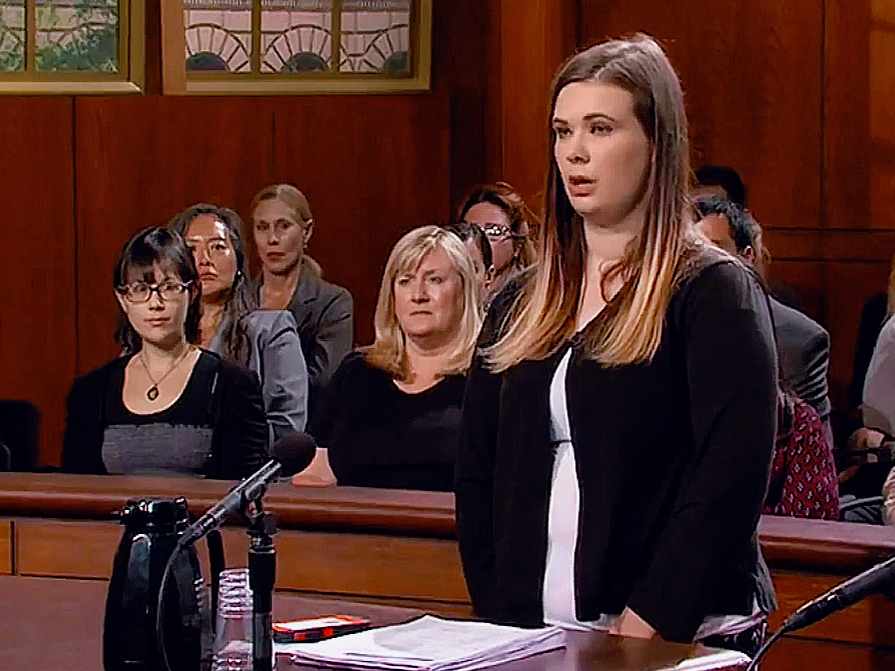
For Henderson, that missing title was the first clear warning sign. She said Wade continued showing her the vehicle and telling her that the purchase would move forward. She produced text messages and a picture of the car. In her account, Wade described the vehicle as costing $2,500 and said he knew the person selling it. Henderson said she still needed another $1,000 and planned to pay the balance after receiving her tax return.
The details also exposed what Henderson had not asked. She had never seen the vehicle brought to her, and she did not know the seller’s name. The judge’s earlier criticism about the bail payment echoed through this part of the testimony: Henderson had relied on Wade’s claimed expertise without verifying the underlying transaction.
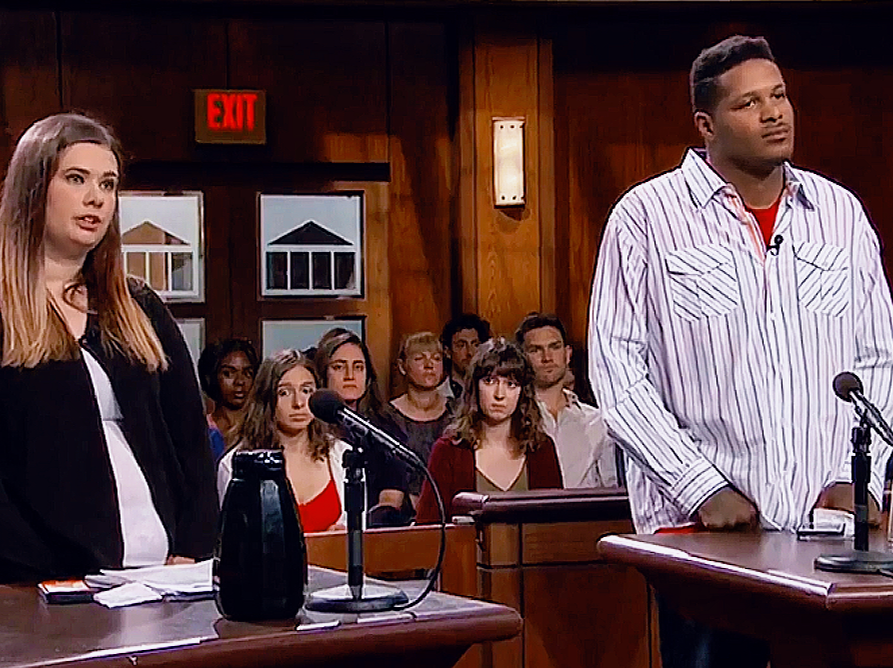
Wade did not deny receiving the money, but he disputed what it represented. He said he had suggested a car for Henderson to purchase and sent her the picture because he knew more about Grand Prix vehicles than other cars. When asked what Henderson gave him the money for, he returned to the glove-compartment explanation, saying she had not given him money in the way she claimed.
The text messages, however, did not support the version Wade was presenting in court. Judge Scheindlin told him that his messages contradicted his testimony. The court’s concern was not simply that the parties remembered the transaction differently. It was that Wade’s written answer, oral testimony, and explanation of the money did not form a consistent account.
A $2,700 judgment for Ashley Henderson
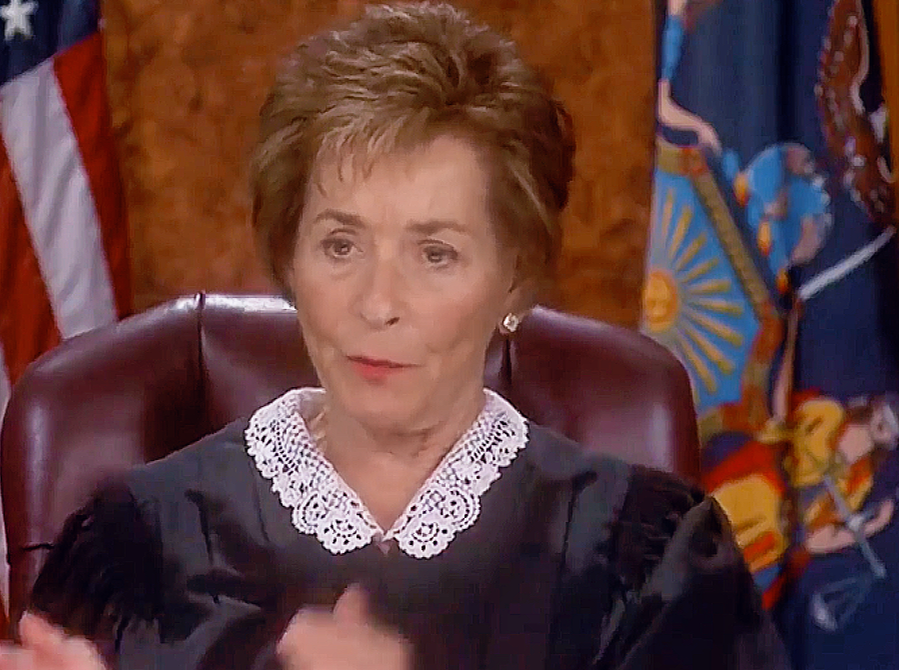
After reviewing the competing accounts, Judge Scheindlin awarded Henderson $2,700 and entered judgment for the plaintiff. The amount corresponds to the $2,500 vehicle-related claim and the $200 bail payment described at the beginning of the case.
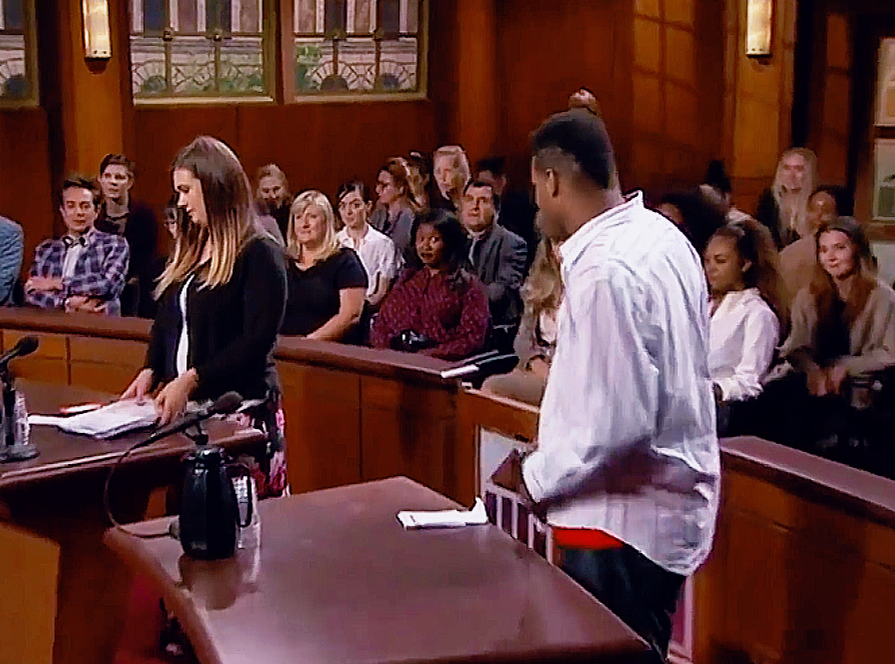
The ruling closed a dispute in which the missing title mattered as much as the missing money. Henderson had trusted Wade with funds for a car and with a smaller payment connected to his bail. The court accepted her claim for the combined amount. Wade’s post-hearing comments suggested that he believed the result was unfair, while Henderson said she believed he knew he was wrong and was embarrassed.
The transcript does not provide a resolution of Wade’s pending criminal case. That distinction matters. The civil judgment addressed the money claimed by Henderson; it did not determine whether Wade was guilty of the criminal allegations described in court.
The second case: Thomas v. Cotto
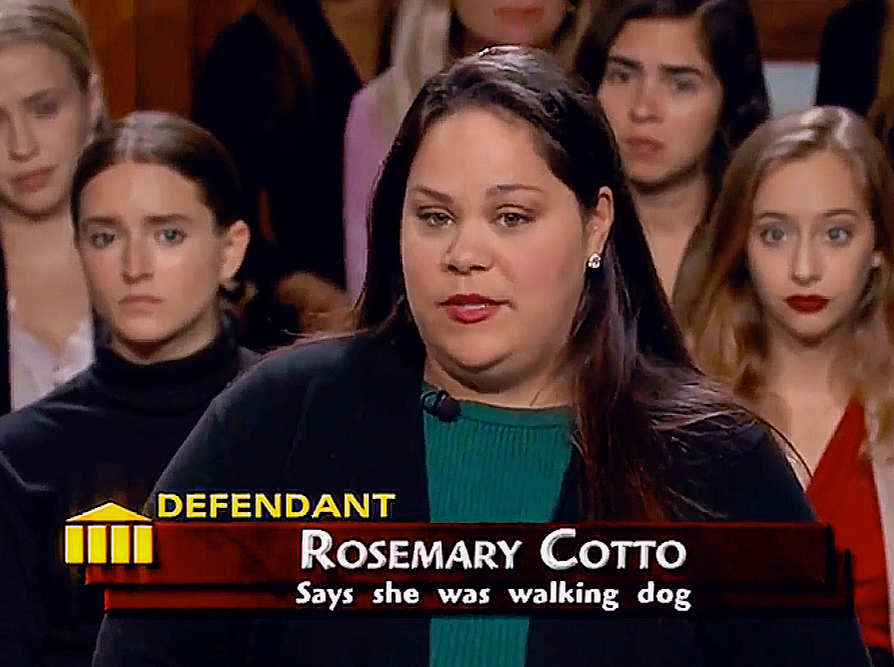
The next matter was Thomas v. Cotto. Rhonda Thomas, a motorist, sued Rosemary Cotto for vehicle damage and medical expenses after Thomas’s car collided with Cotto’s dog. Cotto filed a counterclaim seeking veterinary expenses for the dog.
Both sides agreed that a collision occurred. They disagreed about where it happened and what caused the damage. Thomas said she had been driving on the road at approximately 4:15 p.m. on Thursday, March 22, while returning home from work. She said a black dog ran out from a driveway and struck the front portion of her car.
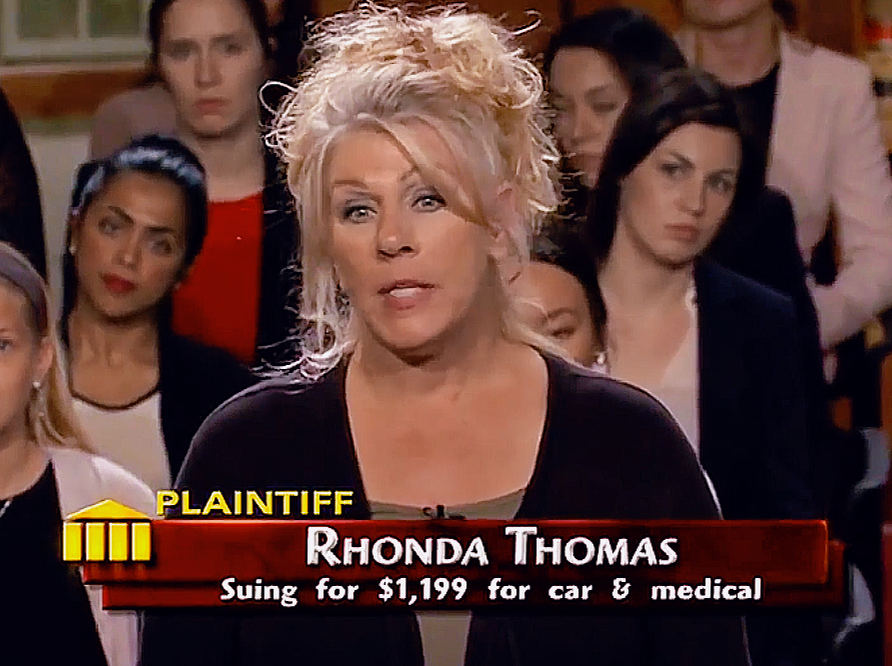
Thomas had insurance, but her deductible was $500. She sought that amount, along with medical expenses. She described damage beneath the car, a piece of the front light, and the front-right bumper. She also said that parts from underneath the hood were left in the road behind her.
Cotto’s account was different. She argued that Thomas had swerved into the driveway and onto private property. From Cotto’s perspective, Thomas—not the dog—was responsible for the incident, and Thomas should pay the dog’s veterinary bills.
The road, the driveway, and the dog
Judge Scheindlin asked Thomas to use a courtroom chart to show where she had been driving and where the collision occurred. Thomas pointed toward the road and described the dog running directly from the driveway into the front of her car. The judge repeatedly asked her to identify the exact location rather than moving her hand broadly across the chart.
Cotto maintained that the car had entered the driveway. She said the dog was being handled near the property and that Thomas’s vehicle came toward it. Later, Cotto explained that she had been walking the dog, handed the leash to her fiancé, and went inside to get the dog a treat after the walk.
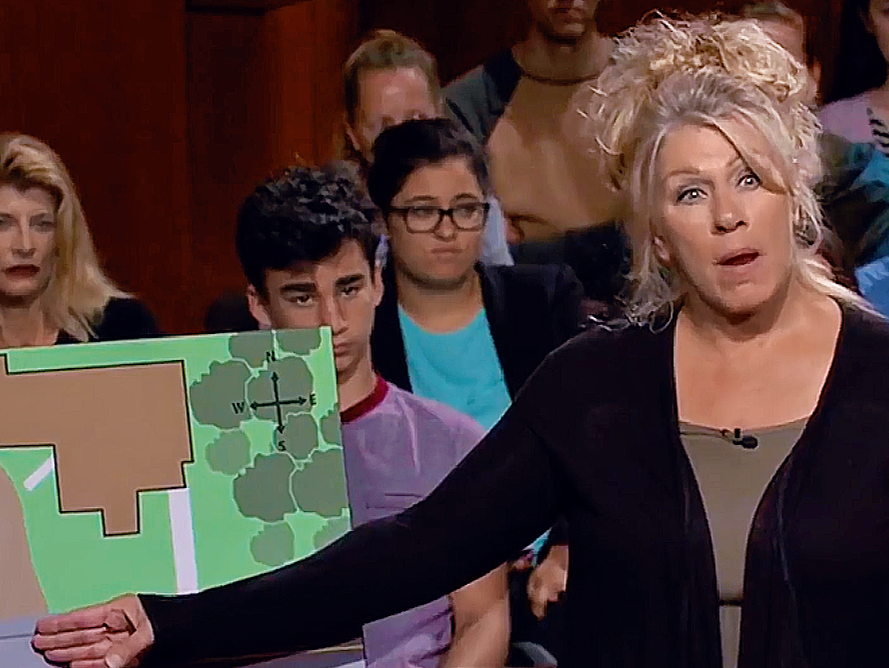
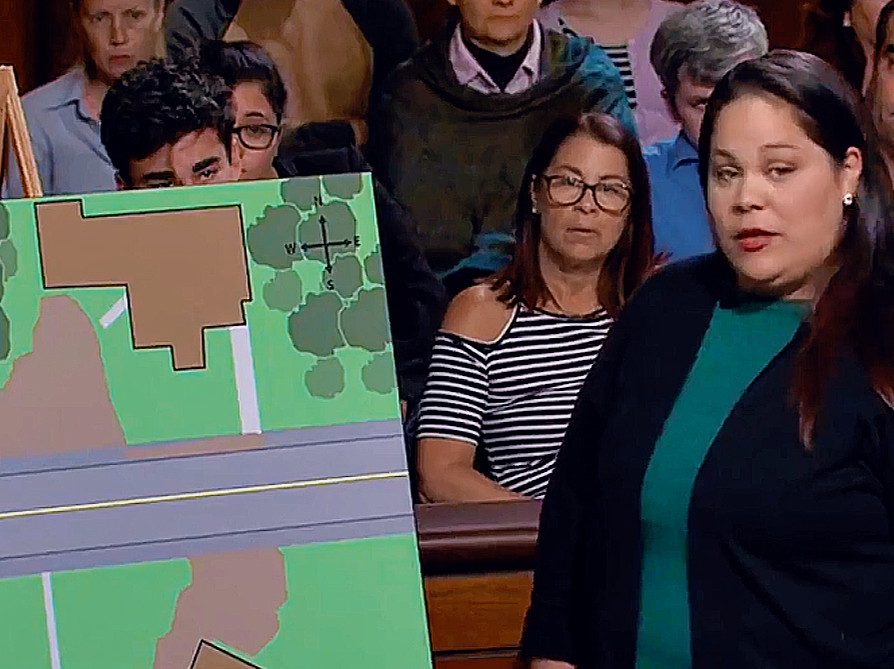
The testimony became difficult to reconcile. At one point, the account suggested that the dog was being held on a leash. At another point, Cotto’s written answer described Thomas driving up the driveway and hitting the dog, while the judge’s questioning focused on whether Cotto and Thomas even shared a driveway. Judge Scheindlin noted that Cotto’s house appeared to be nowhere near the road shown on the chart.
Cotto tried to explain that the driveway blended into the sidewalk and was difficult to see. The judge rejected the idea that this explained how a driver traveling on the road could have gone onto the driveway to hit the dog. The physical layout, as presented through the diagram, became more important than the competing descriptions.
Why the diagram changed the case
The court also examined photographs of Thomas’s car. Thomas had difficulty circling the precise area where she said the dog caused damage because much of the damage was underneath the vehicle. Cotto argued that the visible condition looked like old rust or damage caused by going over something in a grocery-store area, not damage from the dog.
Judge Scheindlin stated that she did not believe the dog caused all of the damage shown in the photographs. Even so, the judge noted that Thomas had a $500 deductible and had repaired the car. The central question became whether Cotto’s dog had collided with the vehicle and whether Cotto had failed to keep the dog under control.
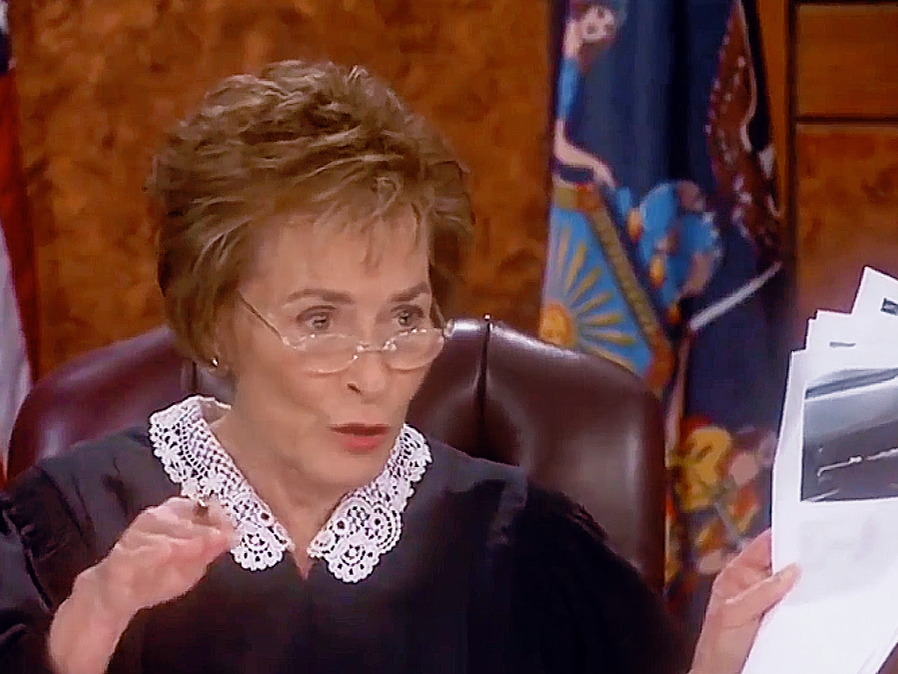
The judge returned to the driveway layout and asked Cotto to show where the house, the entrance, and Thomas’s car had been positioned. Cotto’s answers allowed the judge to establish that a vehicle could have been parked close to the house without traveling through the path Cotto described. The physical demonstration weakened the claim that Thomas had driven onto the property to strike the dog.
Cotto later said she had handed the leash to her fiancé while she went inside. She suggested Thomas might have been texting or not paying attention, then said Thomas swerved and hit the dog. The dog survived and was described as fine. Judge Scheindlin nevertheless placed responsibility on Cotto, telling her to keep the dog under control.
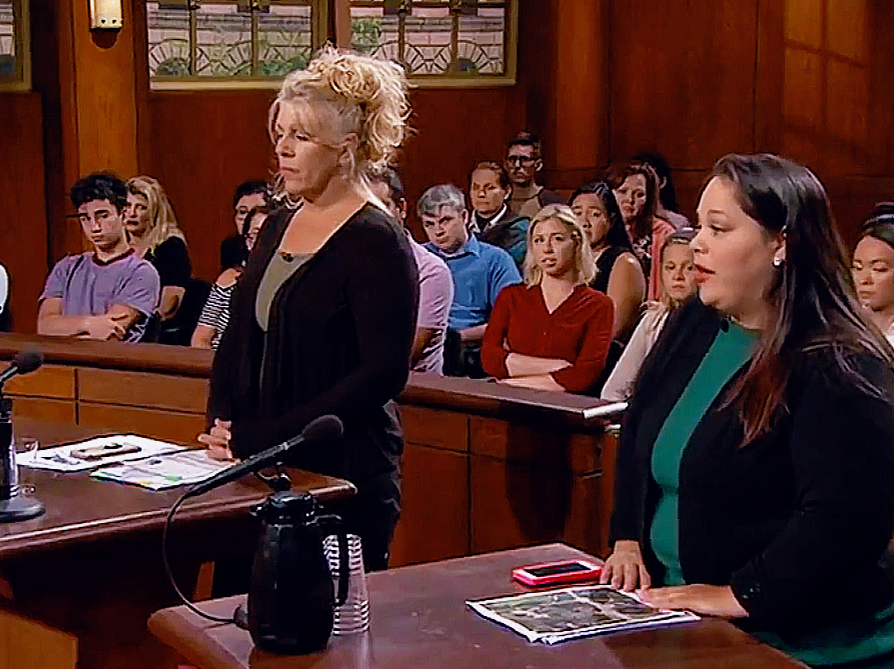
A $500 judgment and a rejected countersuit
Judge Scheindlin ruled for Thomas in the amount of $500, matching the insurance deductible. The court rejected Cotto’s counterclaim for the dog’s veterinary expenses. When Cotto continued to insist that the dog had been leashed and that she had a countersuit, the judge repeated that the ruling had already been made and that the case was finished.
The transcript’s closing comments show that the parties left with sharply different views. Thomas said she was grateful that the dog was safe but maintained that the animal had caused the collision. Cotto said the damage predated the incident and insisted that the dog had been leashed. The final remarks underscored the judge’s central instruction: people responsible for animals must keep them under control.
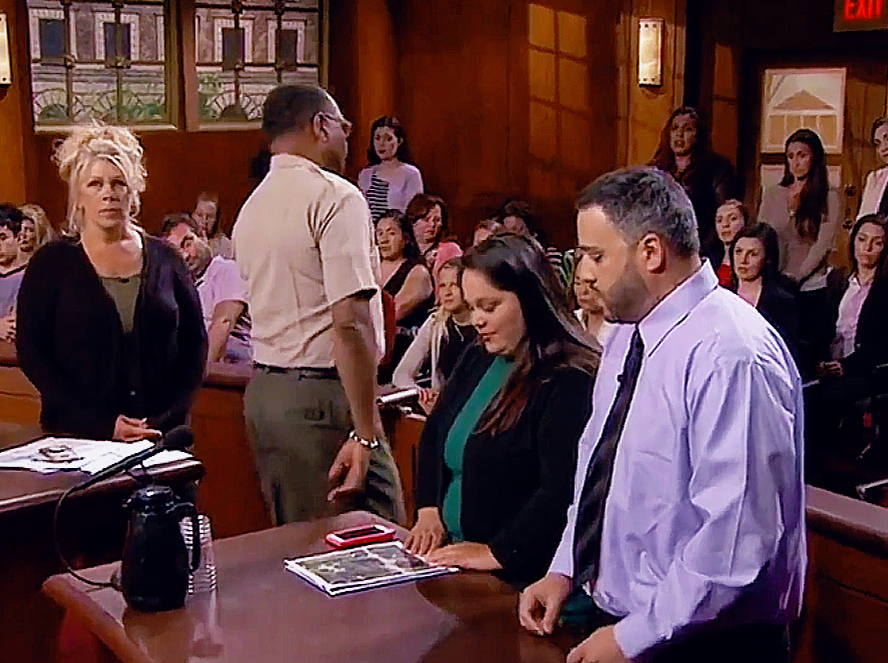
Together, the two cases turned on the same courtroom problem: competing stories had to be tested against documents, photographs, written answers, and physical layouts. In Henderson v. Wade, inconsistencies about money and a car led to a $2,700 judgment. In Thomas v. Cotto, the road-and-driveway diagram and the question of control led to a $500 judgment and a rejected counterclaim.
FAQ
What happened in Henderson v. Wade?
Ashley Henderson sued Randy Wade for money she said he owed, including a $200 bail payment and $2,500 connected to a vehicle purchase. Judge Judith Scheindlin ruled for Henderson and awarded her $2,700.
Why was Randy Wade arrested?
In the transcript, Wade said he had been arrested on November 4 of the previous year for strangulation and domestic assault involving an ex-girlfriend. He also said the criminal case was still pending.
What was the car dispute about?
Henderson said she paid Wade $2,500 in three installments to help obtain a vehicle and its title. She said the title was never delivered. Wade disputed her characterization of the payments.
What happened in Thomas v. Cotto?
Rhonda Thomas sued Rosemary Cotto after Thomas’s car collided with Cotto’s dog. Thomas claimed the dog ran into the road. Cotto argued that Thomas drove onto the driveway and caused the incident.
How much did Rhonda Thomas receive?
Judge Scheindlin awarded Thomas $500, the amount of her insurance deductible, and rejected Cotto’s counterclaim for veterinary expenses.
Did the dog survive the collision?
Yes. The transcript states that the dog was okay after the incident.