
A bruise, a tax return, and a disputed promise brought two very different conflicts before Judge Judith Scheindlin. In one case, a mother sought part of a 2017 tax refund after her daughter had been living with the child’s father. In the other, food deliverer Zandro Bautista asked for $5,000 after saying Katrina Rios’s dog bit him at an apartment door. Both cases arrived with emotional claims. Both were ultimately narrowed to a more basic question: what could the evidence actually support?
Case One : The Tax-Refund Dispute Begins With a Changing Custody Arrangement
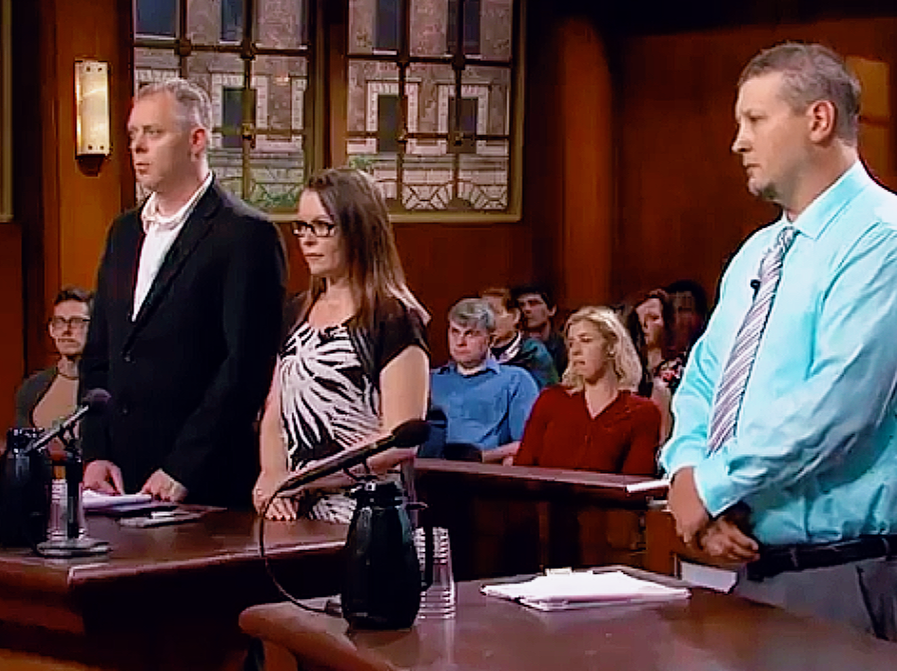
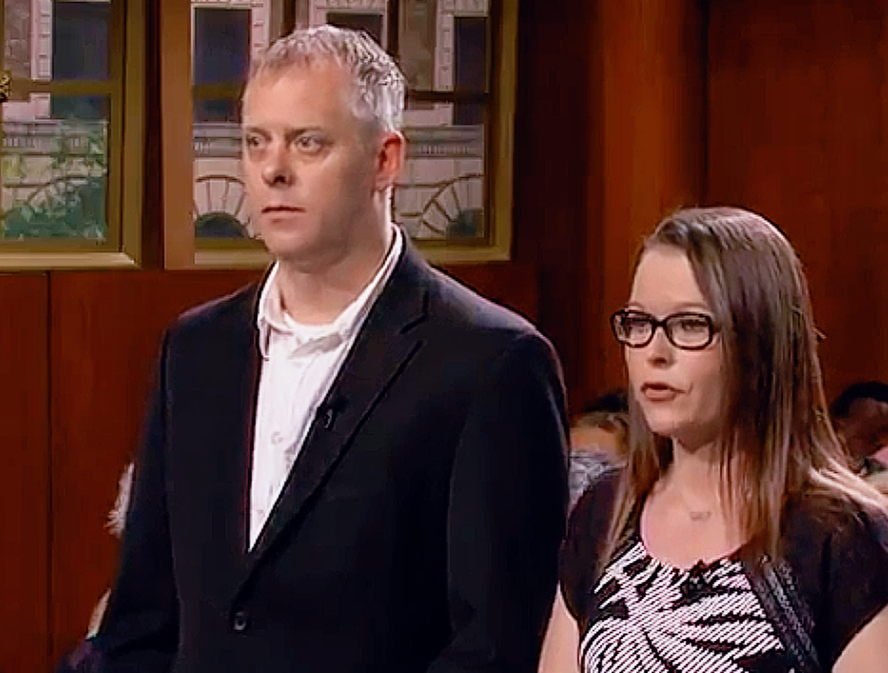
The first matter, identified in the transcript as Peterson and Maciewski versus Sylvester, involved Sarah Peterson, her husband Joseph Maciewski, and Andrew Sylvester, the father of Sarah’s daughter. The plaintiffs were seeking half of a tax refund and the cost of clothing. The hearing quickly revealed that the financial dispute was tied to years of changing living arrangements rather than a single, straightforward agreement.
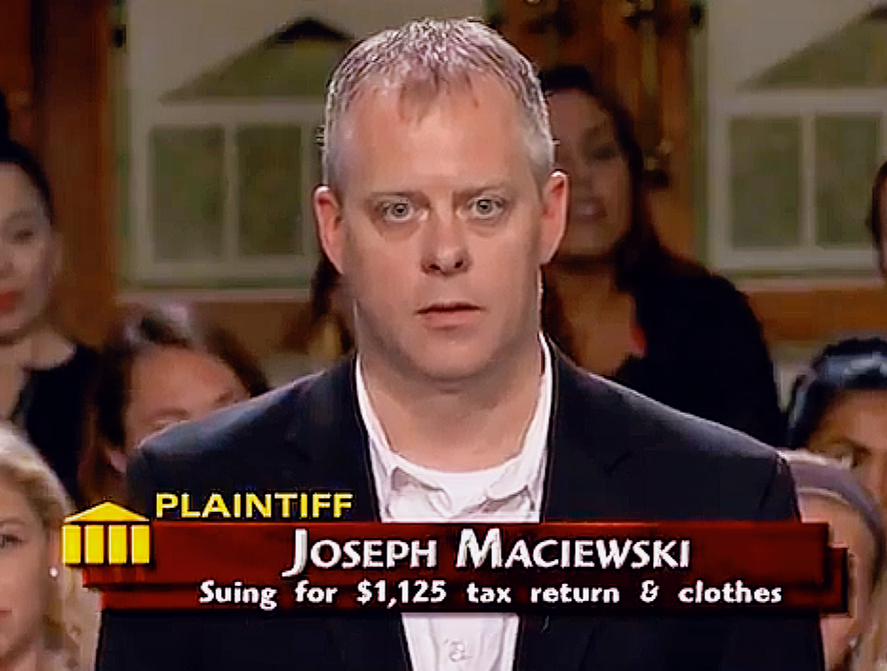
Maciewski testified that he had been married to Peterson for almost nine years. When he met her in 2009, her daughter was living with her. The child was five years old at the time, and there had not been a formal custody order in place, according to the testimony.
That arrangement later changed. In 2013, the daughter went to live with Sylvester. She remained with him for a little more than a year and a half—described in court as roughly two years—because she attended school there. The child returned to Peterson and Maciewski in 2015, but the reunion did not last permanently. Peterson testified that the daughter went back to live with her father in October 2016, and that she continued living with Sylvester afterward.

By the time the case reached court, the family history mattered because the plaintiffs were challenging how the child had been treated on a 2017 tax return. Sylvester had claimed the child as a deduction for that year. Peterson acknowledged that her daughter had lived with him during 2017 and that she had paid no child support that year.
Why the 2017 Deduction Became the Center of the Case
Peterson’s position depended on an alleged 2016 agreement. She said Sylvester had approached her with an arrangement under which she would claim the child because the child was covered under Peterson’s insurance—along with the insurance provided by Peterson and Maciewski for their daughters.
Judge Judy did not allow the discussion to remain general. She pressed the parties for dates and documentation. Who had insured the child in 2014? Peterson answered that she had. Who had insured the child in 2015? Again, Peterson said she had. For most of 2016, she maintained that the child had been on her insurance, although Sylvester also confirmed that he had covered the child for part of that year because the child had lived with him.
The testimony became less favorable to Peterson when the court focused on 2017. She said her insurance had covered the child until March, when the coverage was dropped. Her explanation was that Sylvester had “double filed,” while she had tried to keep the child insured because, in her view, he was not good with paperwork.
That argument did not answer the question Judge Judy considered decisive. If the child was in Sylvester’s custody in 2017 and Peterson was not paying child support, the judge told her, Sylvester was entitled to claim the child for that year. Peterson was entitled to zero of the tax credit, Judge Judy stated.
Peterson continued to emphasize the alleged agreement. She said she was bringing the case because Sylvester had made the agreement with her in 2016. Judge Judy rejected the attempt to shift the focus away from the child’s actual residence and the absence of support payments. The courtroom exchange showed the difference between a family understanding and a claim that could be enforced on the evidence presented.

The Courtroom Turns to Child Support and Clothing
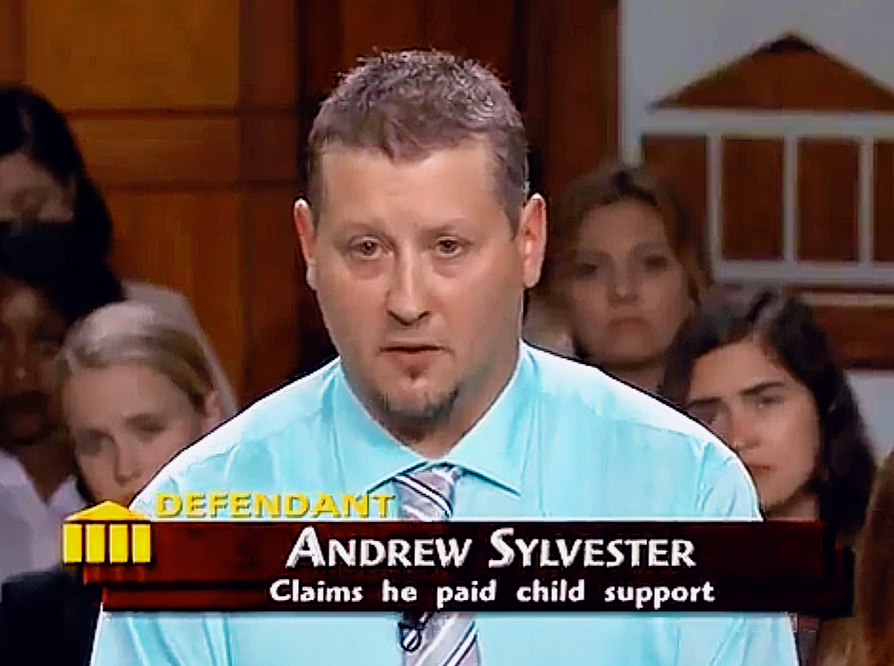
The hearing then moved to the support history. Sylvester confirmed that he had lived with the child’s mother until 2013 and that he had been under a court order to pay child support. He recalled paying approximately $331 per month and said he had paid it.
Peterson responded that Sylvester had not started paying until the child was six and had paid for only two years, until the child was eight. When asked how much she had paid after the child began living with her father, Peterson did not identify regular monetary payments. Instead, she said she bought the child’s clothes and sent them to Sylvester’s home.
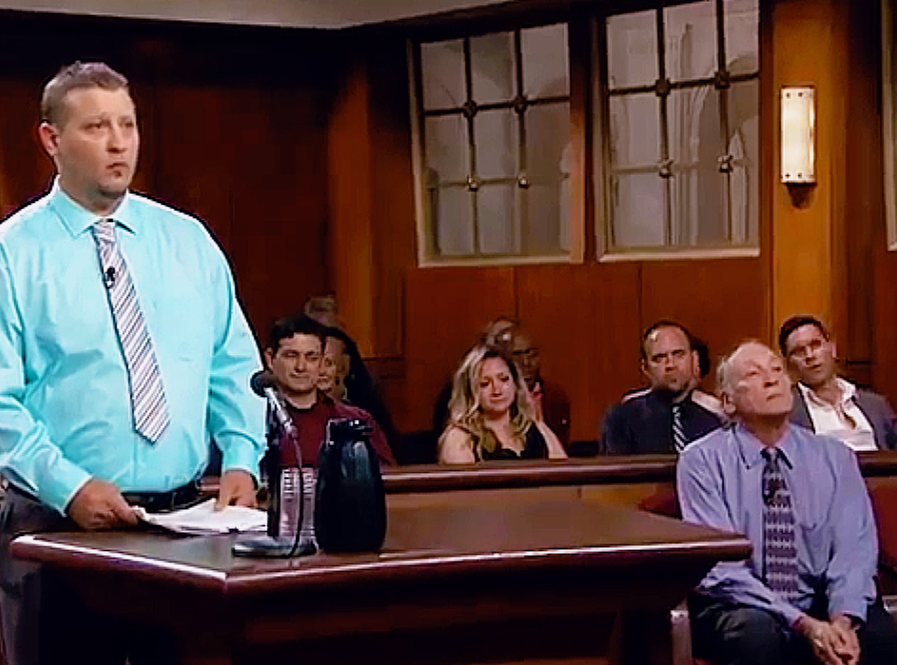
Judge Judy drew a sharp distinction between buying clothing and paying child support. Peterson argued that she supported her daughter by purchasing clothes, while also maintaining a supply of clothing at her own home because the child did not bring a bag when she visited. Judge Judy’s response was direct: the child was entitled to support from both parents, and Peterson’s clothing purchases did not establish the support payments relevant to the tax claim.
The case was dismissed. When Peterson and Maciewski attempted to continue the argument, Judge Judy repeated that they had no case. Sylvester then tried to raise a separate allegation—that Peterson had claimed the daughter in 2016 when the child lived with him. Judge Judy questioned why he had not brought that issue forward earlier. He referred to his lawyer and said he was waiting to hear back, but the exchange did not change the outcome of the first matter.
The closing remarks in the transcript returned to the family conflict. Peterson said her daughter’s health and safety had been jeopardized in the past and that she intended to serve Sylvester with custody papers. She also said her daughter came first. The transcript does not provide a later custody ruling.
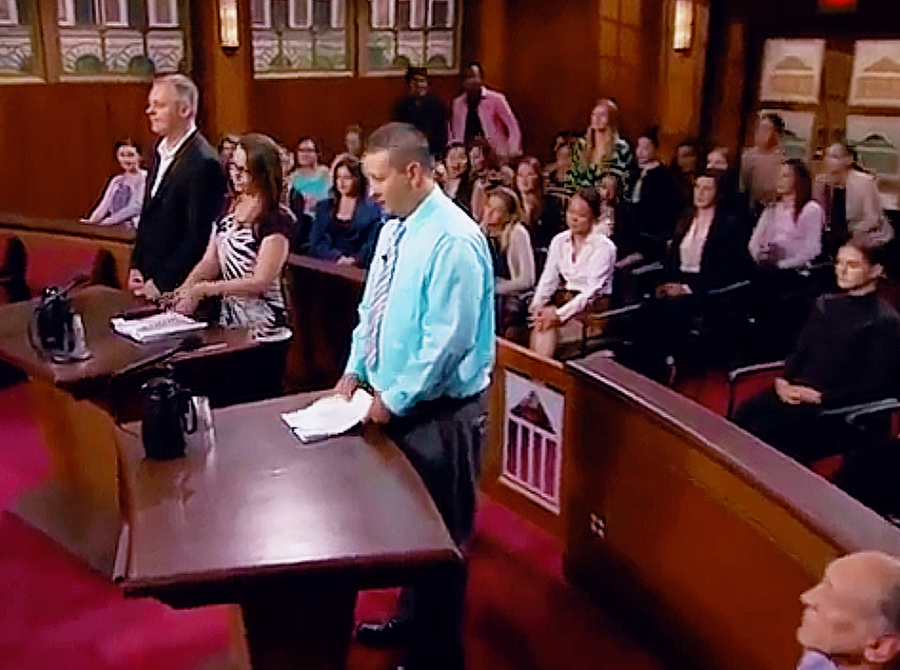
Case Two : A Dog, a Delivery, and a Disputed Ankle Mark
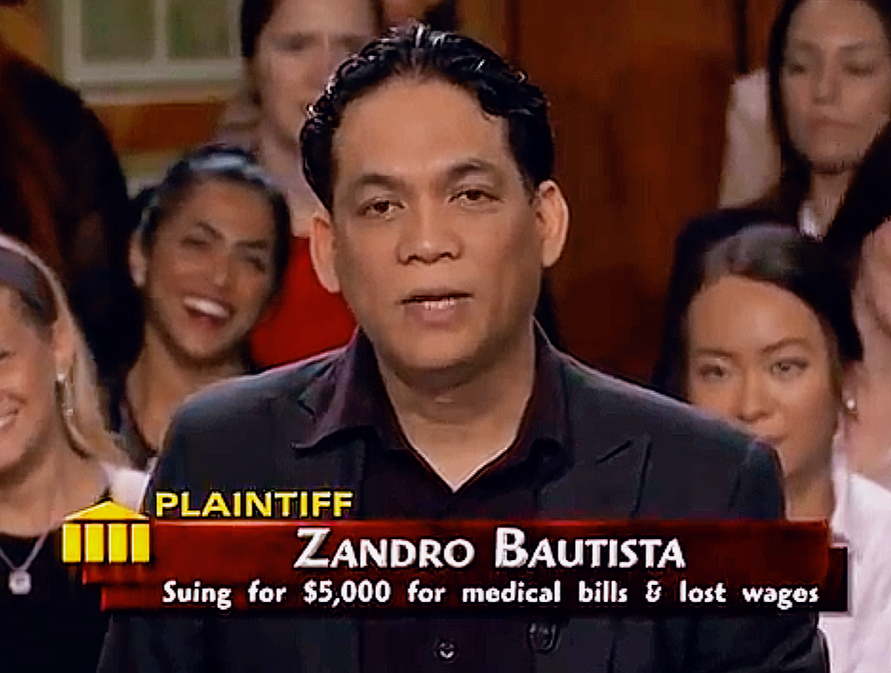
The second case, Bautista versus Rios, shifted from family finance to a claimed injury. Food deliverer Zandro Bautista sued Katrina Rios for medical bills and lost wages after saying Rios’s dog bit him during a delivery.
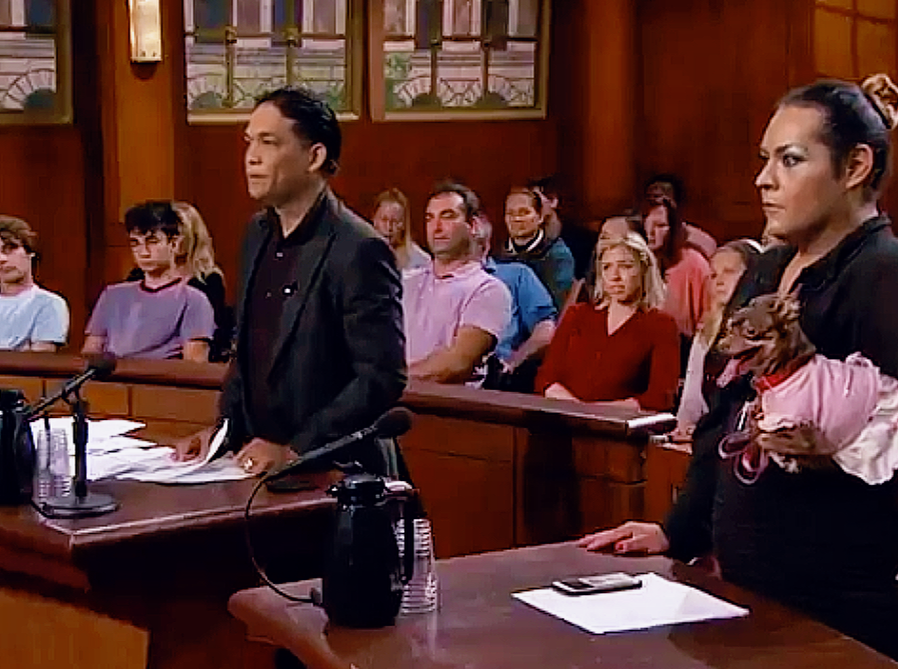
The delivery occurred on March 2. The order was identified as Burger King. Rios testified that she was at work, while her roommate was at the apartment with the dog. Because Rios had not been present, the roommate described what happened at the door.

According to that testimony, Bautista knocked or rang the bell. The roommate was sitting on the living-room couch, jumped up, and opened the door. The dog ran toward Bautista and barked. The roommate said she herded the dog back and held it behind her while she tried to receive the food.
Bautista then said the dog had bitten him. The roommate testified that she had not actually seen the bite. She said she later saw a small bruise or mark on his ankle after he asked to come inside. Before letting him into the apartment, she put the dog in a cage because it was still barking.
The roommate said Bautista was worried about rabies and asked whether the dog had insurance. She offered contact information for Rios and said she believed the dog was vaccinated, but she did not present herself as the dog’s owner. Bautista ultimately called 911. Fire department personnel came to the apartment, examined him, checked his blood pressure, and told him he was fine. They also told him that rabies could not be contracted in the described circumstances because there was no broken skin. Bautista said he would drive himself to a hospital.
Why Judge Judy Rejected Most of the Second Claim
When Judge Judy reviewed the photograph of Bautista’s ankle, she described the mark as insignificant. The transcript records her conclusion that there had been no broken skin and that Bautista had not suffered the injury claimed in the lawsuit. She also criticized the decision to call an emergency service over what she characterized as a nip that did not break the skin.
Bautista had sought $5,000. Judge Judy told him to erase that figure from his mind. She acknowledged that the dog should not have nipped him and that he had experienced fear, but she did not accept that the event supported the requested amount. The hearing also included discussion of Bautista’s clothing: Judge Judy noted that the mark had not broken through his pants.

The court’s criticism extended to the medical bill. A bill of $1,074 for an emergency-room visit was, in Judge Judy’s view, unreasonable for a mark that had not broken the skin. She said a walk-in clinic would have been more appropriate. Bautista explained that he was a full-time independent contractor for GrabHub delivery and had no insurance. He also said he was uncomfortable around dogs and was still shocked by the incident.
The judge did not award the $5,000 claim, lost wages, or the full emergency-room bill. Instead, she ruled for Bautista in the amount of $250, describing it as what it would have cost him to see a doctor and be told not to worry. The award was tied to the March 2 visit. The case then ended.
The Final Award and the Lesson in Documentation
These two cases were not decided by which party sounded more distressed. They turned on dates, residence, payments, insurance records, photographs, medical necessity, and the limits of the claims actually presented.
In the tax dispute, the daughter’s residence with Sylvester during 2017 and Peterson’s admission that she paid no child support left the requested tax-credit share unsupported. In the dog-bite case, the court accepted that a nip may have occurred but found that the evidence did not support a serious injury or a $5,000 loss.
Neither matter is presented in the transcript as a criminal case. What it shows is the pressure of a courtroom where emotionally charged narratives must be reduced to provable facts. The final results were stark: the first case was dismissed, while the second produced a limited $250 award rather than the compensation requested.
FAQ
Why was the Peterson-Macheskey tax-refund case dismissed?
The transcript indicates that Peterson’s daughter lived with Andrew Sylvester during 2017, Peterson paid no child support that year, and Sylvester claimed the child on his tax return. Judge Judy concluded that Peterson was not entitled to the requested tax-credit share.
How much child support did Andrew Sylvester say he paid?
Sylvester testified that he paid approximately $331 per month under a child-support order before the child began living with him in 2013.
Did Judge Judy award Zandro Bautista $5,000?
No. Judge Judy rejected the $5,000 demand. She awarded Bautista $250 for the cost of seeing a doctor after the March 2 incident.
Was the dog bite proven to have broken the skin?
No. The testimony and Judge Judy’s remarks emphasized that there was no broken skin. Fire department personnel also reportedly told Bautista that rabies could not be contracted in the described circumstances.
Who owned the dog in the second case?
The transcript identifies Katrina Rios as the defendant and the dog’s owner, while her roommate was the person present at the apartment during the delivery.
What happened to the custody dispute after the first hearing?
Sarah Peterson said she intended to serve Andrew Sylvester with custody papers. The transcript does not include a later custody decision.