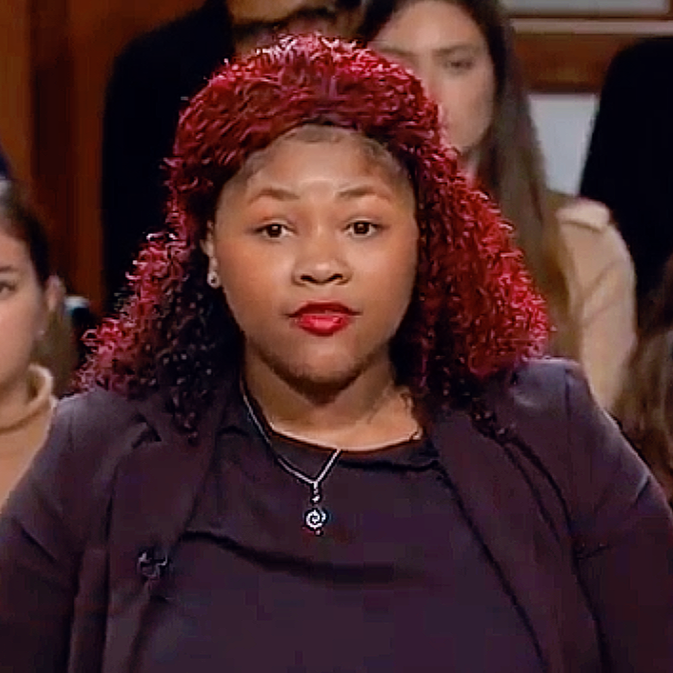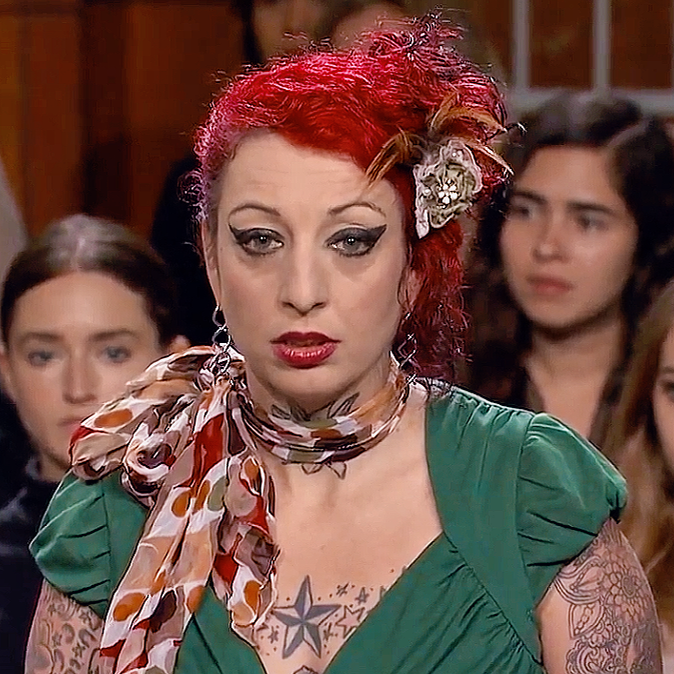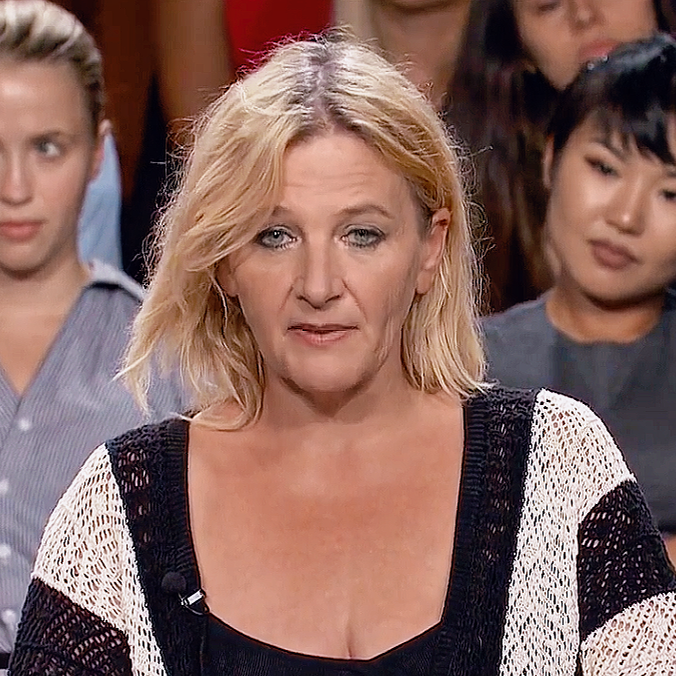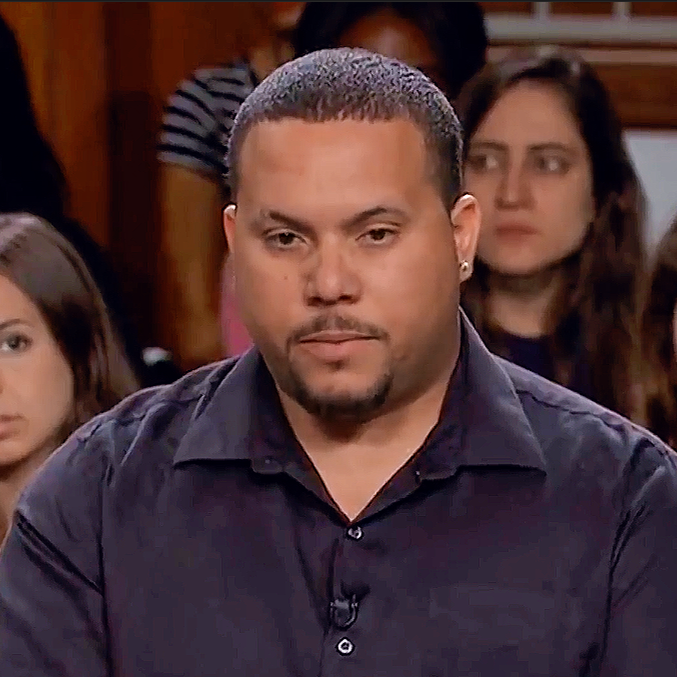
The courtroom opened on a question that sounded simple: who should pay after an 18-year-old drank hard liquor at a party and ended up in the hospital with alcohol poisoning? By the time Judge Judith Scheindlin began pressing the witnesses, the dispute had become less about one medical bill and more about a chain of decisions—where the young man went, what he told his mother, what he chose to drink, and what his adult friend did or did not control.
Then the case ended, and another kind of conflict took its place. A cookbook partnership that began over a drink had turned into a demand for payment, a counterclaim for costs and legal fees, and an argument over intellectual property. In both matters, the central issue was not simply what people hoped would happen. It was what they had actually agreed to, what they had done, and whether the result created a legal obligation.
Case One : The hospital bill after a college party
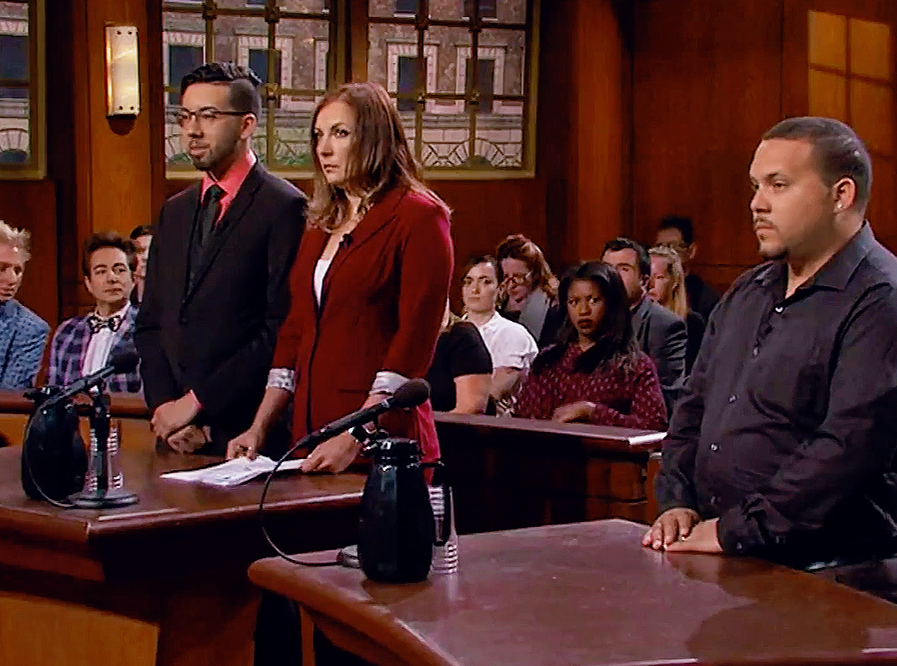
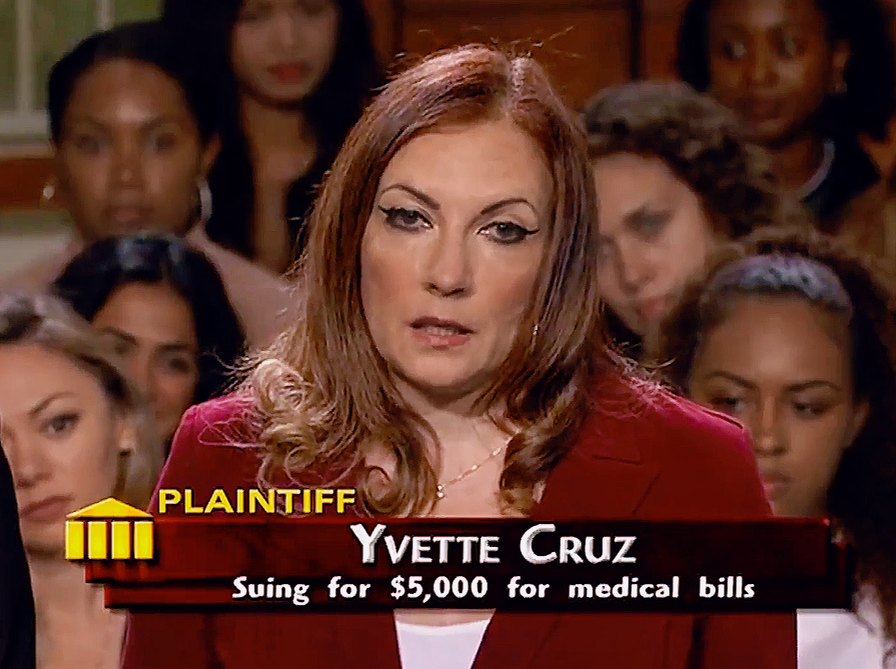
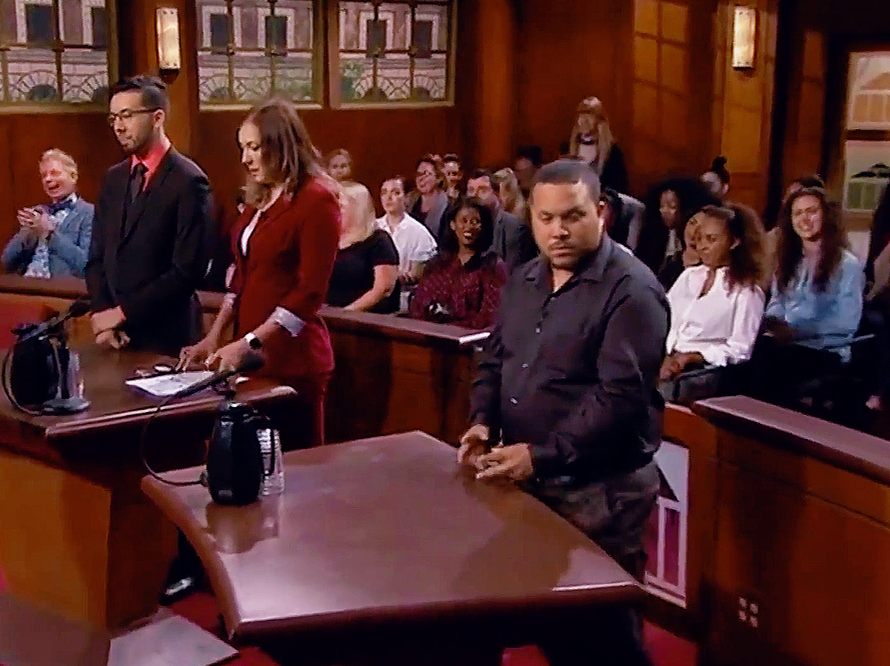
The first case was Yvette Cruz v. Jonathan Andino, identified in court as case number 61 on the calendar. Cruz sued Andino, her 18-year-old son’s 26-year-old friend, seeking payment for a hospital bill connected to a night of heavy drinking.
The relationship between the young man and Andino had developed through work at a children’s center. The son said he had known Andino since beginning work there around 2015. Both had served as counselors, and the son described the relationship as friendly. He also acknowledged that Andino sometimes picked him up, including for trips connected to working out.
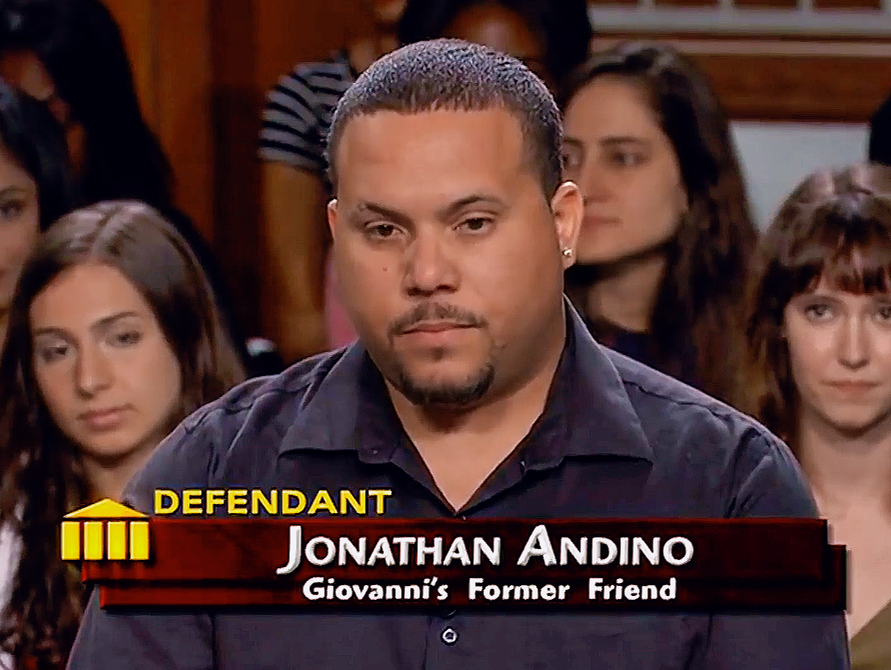
That history mattered because the case was not about strangers meeting for the first time. Cruz’s son knew Andino, trusted him enough to leave with him, and had apparently been around him on earlier occasions. But the night at issue did not take place at Andino’s home. According to the testimony, Andino picked the young man up and took him to the home of an acquaintance or friend whom the son did not know.
The son’s mother was at home when Andino arrived. She knew Andino was her son’s friend. The son was invited to what he described in court as a party, held on a Saturday. There, he began drinking.
How the drinking night unfolded
Judge Judy focused closely on the first drink. The son explained that the group was playing beer pong, but the cups contained hard liquor rather than beer. He had played beer pong before. He testified that he first learned the game in high school, when he was approximately 15 or 16, at friends’ homes while their parents were away. He had also played at Rensselaer Polytechnic Institute after starting college.
The explanation of the game was straightforward. Cups were arranged in a triangle on each side, and players threw a ping-pong ball toward the cups. When a ball landed in a cup, someone drank whatever alcoholic liquid was inside. The son told the court that he usually played with beer, not hard liquor, although he acknowledged that he had sometimes played with hard liquor at college.
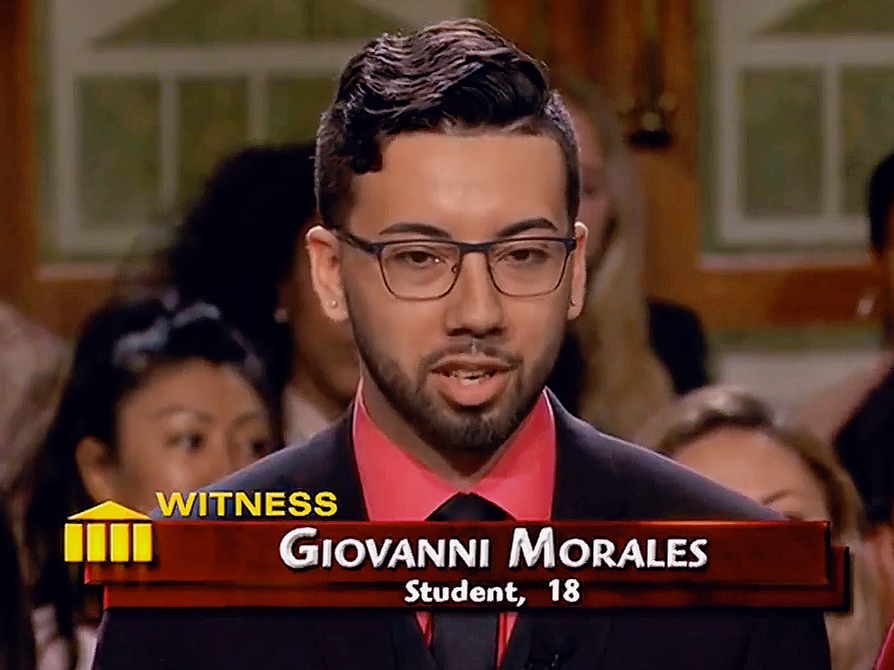
On this night, the difference was significant. He said he drank a couple of the hard-liquor servings during the game. Afterward, he went to get water because he was not accustomed to drinking that way. The testimony established that nobody held him down, forced alcohol down his throat, or compelled him to play. He knew he was going to a party where alcohol would be present, and he participated voluntarily.
The consequences came later. The son became so ill that Cruz took him to the hospital. The case describes the condition as alcohol poisoning, and the testimony states that he was in an intensive care unit. Cruz argued that Andino should be responsible for the resulting medical costs because he had taken the young man to the gathering.
The lie that changed the courtroom’s focus
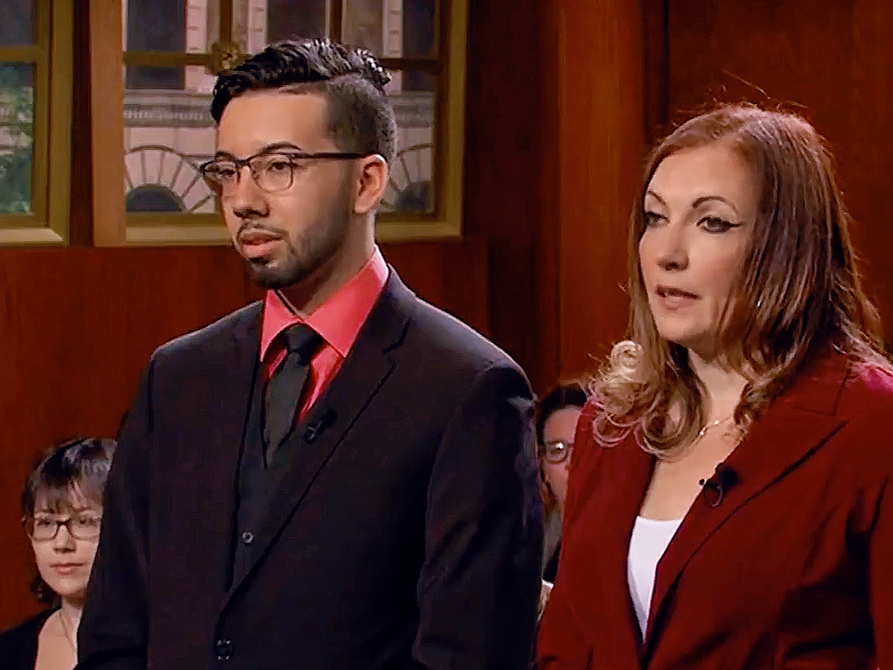
The son’s account also revealed a separate family conflict. He did not tell his mother that he was going to a party. Instead, he told her he was going to hang out with Jonathan. When Judge Judy asked why, he answered that he was a college student afraid his mother would yell at him.
That admission shifted the emotional center of the hearing. Cruz had experienced the frightening aftermath: a sick teenager, a hospital visit, and an intensive-care stay. But the son had concealed the nature of the outing before it began. Judge Judy repeatedly returned to that fact, contrasting the mother’s concern with the son’s own decisions.
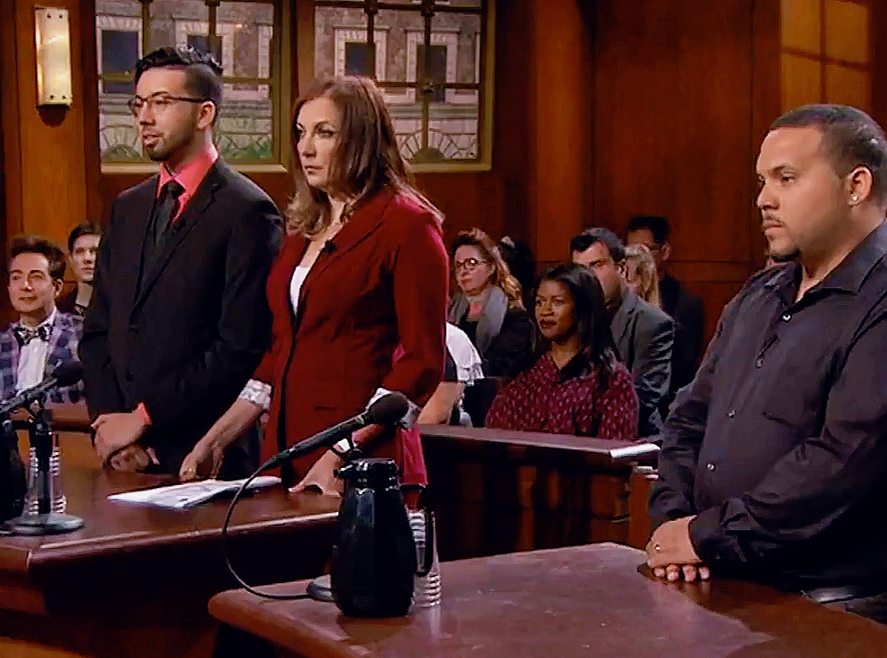
The judge also challenged the son’s attempt to distinguish a “party” from a smaller get-together. The son suggested that, as a college student, he associated the word party with dancing and many people. Judge Judy did not accept that distinction as meaningful in the circumstances. A gathering involving underage students, alcohol, and beer pong was still the kind of event a parent would reasonably want to know about.
The exchange became tense when Cruz appeared to disagree with her son’s answers. Judge Judy reminded her that the son had already testified that he learned to play beer pong in high school while living at home. The judge’s point was not that the mother had approved of underage drinking. It was that the son’s history showed a pattern of making his own choices about alcohol, first as a teenager and later as a college student.
Judge Judy’s ruling on responsibility
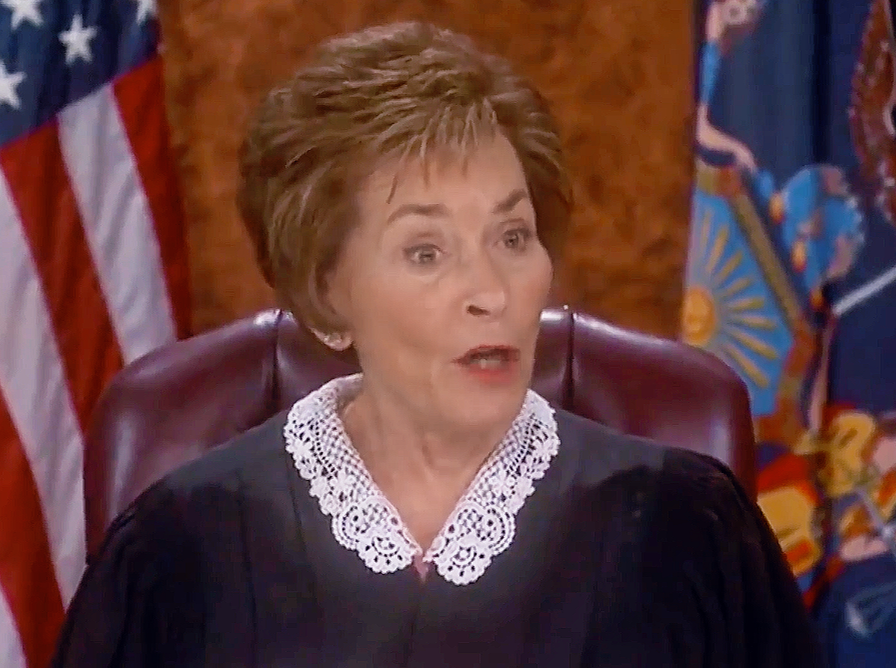
Judge Judy ruled that Jonathan Andino was not responsible for the son’s drinking. The judge stated that the young man had gotten himself drunk and had consumed too much alcohol. He had not been in Andino’s home, and the evidence did not establish that Andino forced him to drink or controlled the alcohol he chose to consume.
Cruz tried to explain that Andino had said he would help pay because he felt bad. Judge Judy separated that possible private promise from the legal question before the court. If Andino wanted to contribute out of sympathy, he could do so. But the court did not find him legally responsible for the hospital bill on the evidence presented.
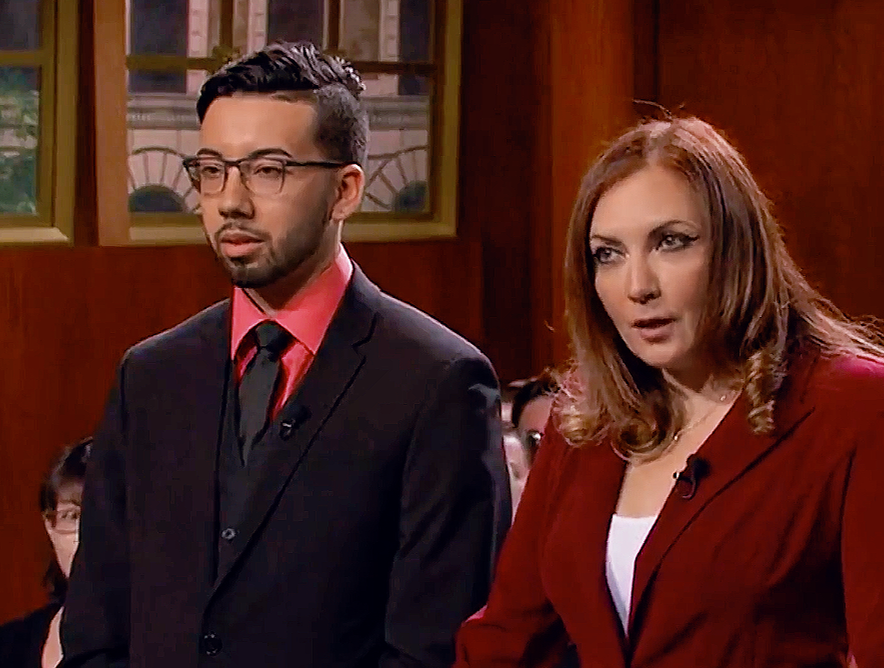
The judge also emphasized the son’s age and legal responsibilities. At 18, he could vote and could join the army, even though he could not legally purchase alcohol. The final lesson was direct: if someone cannot handle alcohol, the safest choice is not to take it. The judge also added a warning about the lie told to Cruz: do not lie to your mother.
The decision did not erase the seriousness of the hospital visit. Cruz’s fear and the son’s medical crisis were real. But the ruling treated the crisis and legal liability as separate questions. Sympathy for the aftermath did not establish that Andino had caused the drinking or had a duty to pay for its consequences.
Case Two : The cookbook partnership dispute
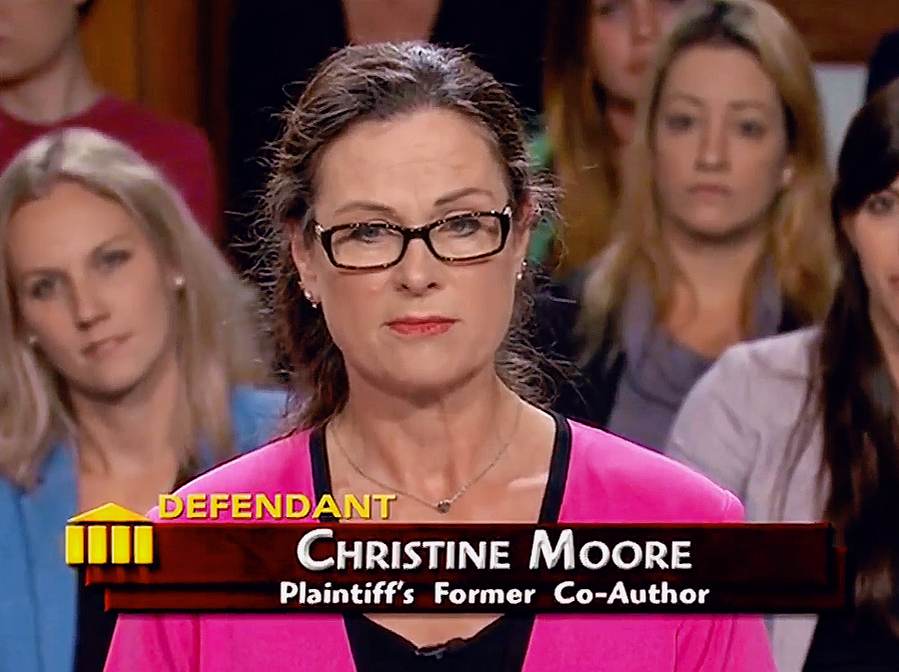
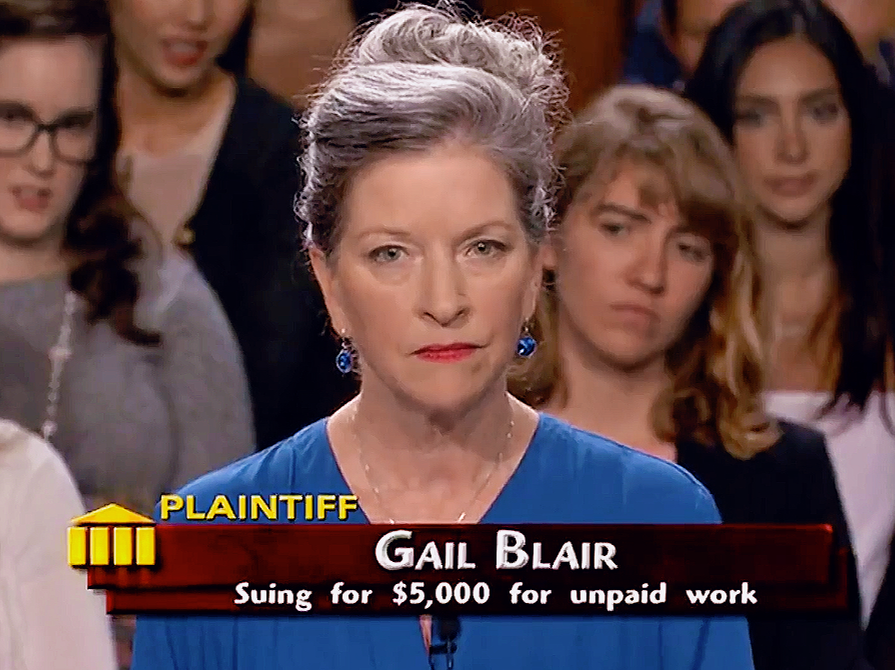
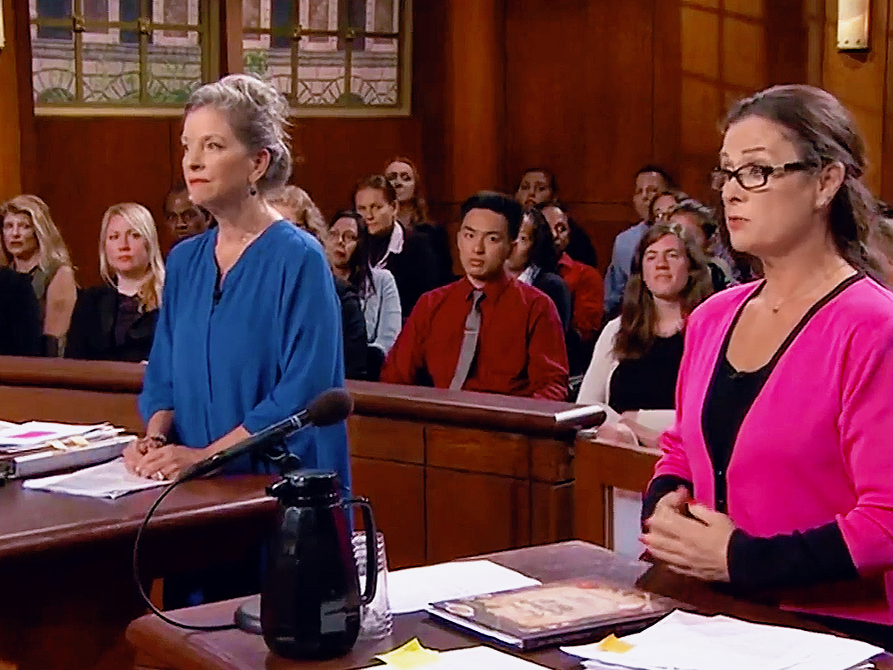
The second case was Blair v. Moore. Food consultant Gayle Blair sued cookbook co-author Christine Moore for payment connected to work on a book. Moore countersued for book costs and legal fees.
The project concerned foods intended to detox the body. At first, the courtroom description suggested a division of labor: Blair would handle recipes while Moore would write the text. Blair corrected that summary. Both women had contributed to the recipes, while Blair described her role as involving intellectual property and production costs.
Judge Judy questioned that characterization. She explained that a recipe can constitute intellectual property, and that a unique methodology used in a clinic may also qualify as intellectual property. But the existence of intellectual property did not automatically create a right to payment. The court still had to determine what the two women had agreed to do and how compensation would work.
Blair maintained that Moore had attempted to publish the book without giving her appropriate attribution. The book had been published. During the questioning, one side said no money had been made and another disputed the suggestion that no copies had been sold, pointing to an Amazon listing. A receipt was produced showing that the book had been purchased online less than a month earlier. That established that the book existed and could be purchased, but it did not establish that the project had generated profit.
A contract built around future profit
The alleged agreement began informally. Blair said the two women had known each other for about a year before starting the book and had discussed the arrangement while sitting over a drink. According to her account, both would contribute recipes. They would work on the project, and after the book generated profit, the proceeds would be divided equally.
Blair said Moore was expected to create and contribute recipes rather than simply copy and paste material. Blair would provide the professional component associated with the detox concept and the finances behind it. The agreement, as Blair described it, was a 50-50 split after expenses had been covered.
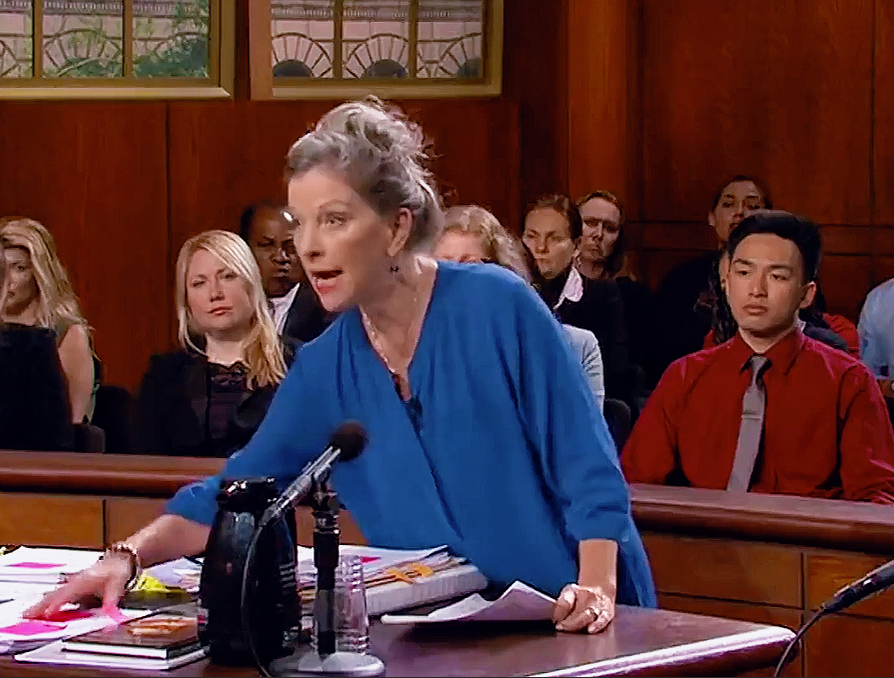
The financial figures were central. Moore testified that she had put $4,500 into production and editing. Blair said she had contributed no cash. When asked how much she had contributed in money, Blair answered zero. When asked how much profit she had made from the book, she also answered zero.
That answer undermined the payment claim. If the agreement required the project to cover expenses before profits were divided, and the book had produced no profit, there was nothing to split. Judge Judy told Blair that she was not entitled to money under the agreement as described because the necessary profit had never materialized.
Why the cookbook claim failed
Blair continued to argue that her work had value. Judge Judy did not deny that work had been performed. Instead, she drew a distinction between effort and compensation. Writing, developing recipes, editing, photography, and production can all require time and money. Yet a business arrangement may still place the risk of failure on the people who enter it.
The judge compared the cookbook project to the entertainment industry. People can spend hours creating a program or a product that nobody buys. The work may be genuine, but it does not guarantee a profit. In this case, the agreement was presented as a chance to share profits after costs were covered. The evidence showed no profit.
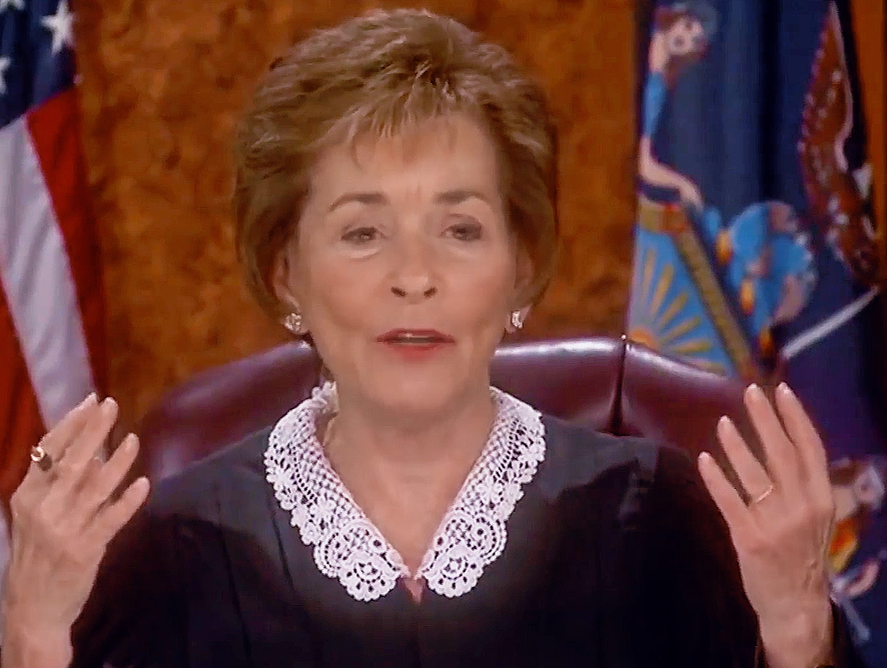
Blair asked for a release that would allow her to continue with the cookbook. Judge Judy refused. The judge said the issue before the court was about cash and the financial arrangement, not an opportunity to decide broad intellectual-property rights in Blair’s favor. The court concluded that Blair had taken a business risk, and the book had not produced money.
The ruling ended with no award to Blair. The case illustrated a different form of responsibility from the first dispute. In Cruz’s case, the question was whether an adult friend should pay for another person’s voluntary conduct. In Blair’s case, the question was whether work performed under a profit-sharing arrangement created a debt when the venture produced no profit. In both cases, Judge Judy looked past the emotional force of the outcome and returned to the underlying agreement and evidence.
FAQ
Who sued Jonathan Andino?
Yvette Cruz sued Jonathan Andino over a hospital bill after Cruz’s 18-year-old son became ill from drinking at a party and was treated for alcohol poisoning.
Did Judge Judy hold Andino responsible for the drinking?
No. Judge Judy ruled that Andino was not legally responsible for the son’s drinking. The son testified that he voluntarily played beer pong and drank hard liquor.
Why was Cruz’s son taken to the hospital?
According to the testimony, he drank too much and suffered alcohol poisoning. The transcript states that he was treated in an intensive care unit.
What was the second case about?
Gayle Blair sued Christine Moore for payment related to work on a cookbook. Moore countersued for book costs and legal fees.
How was the cookbook partnership supposed to work?
The testimony described an arrangement in which both women would contribute recipes, costs would be covered, and profits would then be divided 50-50.
Why did Blair receive no payment?
The court found that the book had generated no profit. Under the agreement described in court, there were no profits to divide and no basis for the requested payment.