Before Judge Judy, one question landed with startling simplicity: did a limousine hired for nine people have to take two passengers home early? That question led from a late-night argument to competing injury claims and two sharply different accounts of what happened beside the vehicle.
A Contract Built Around a Group Night Out
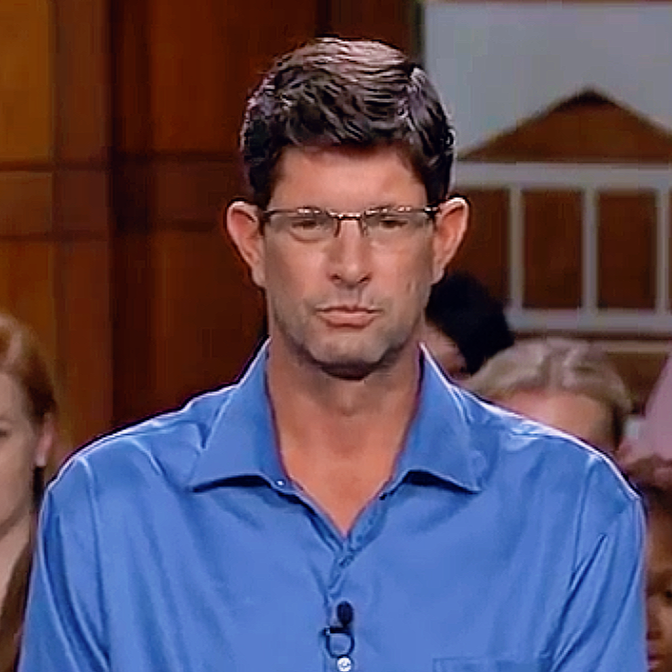
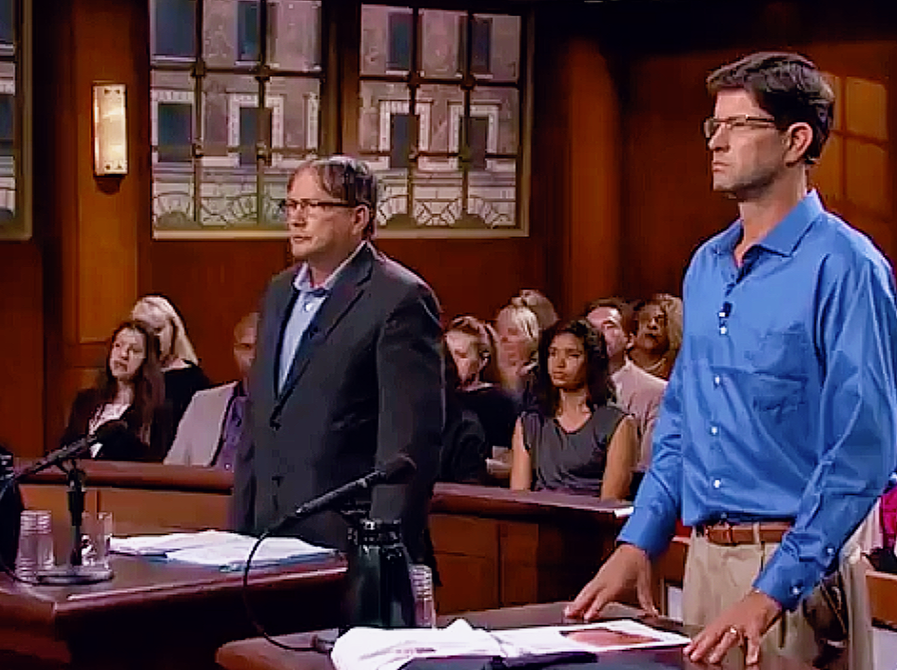
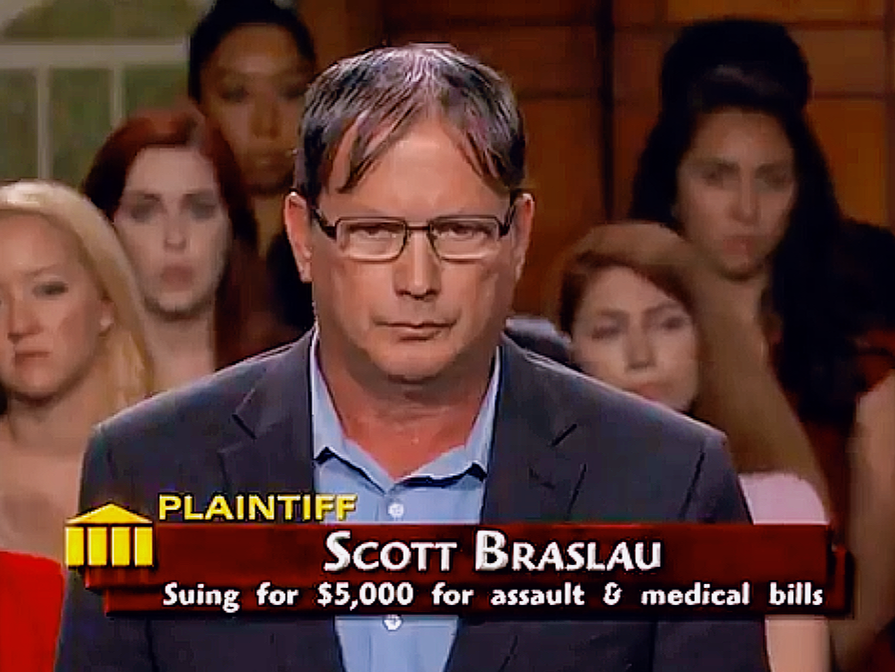
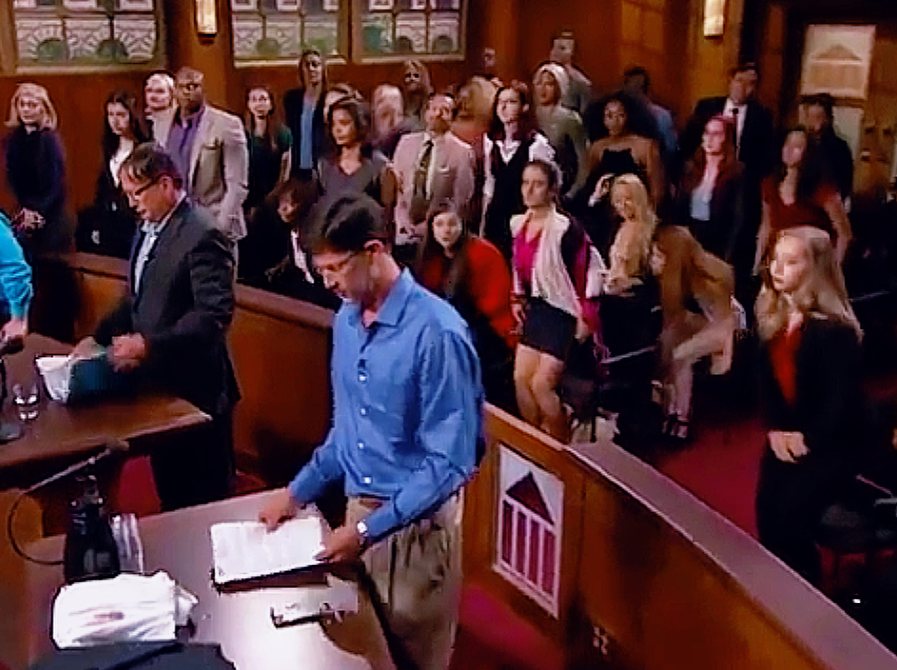
The case, identified in the episode as Braslaw versus Donnicka, began with a transportation agreement for a nine-person evening. Scott Braslaw, the owner of a limousine company, told Judge Judith Scheindlin that he had owned the business for three years. He operated two limousines and a town car, with drivers working for him, but chose to drive the May 19 job himself because he needed the money.
The party was arranged through Mrs. Wellendorf. The group planned to travel to Vic and Anthony’s Steakhouse at 2118 Lamar Street, then continue to a club on Main Street. The limousine was scheduled to pick up the guests at about 7 p.m. and, according to the testimony about the written contract, return them to the Wellendorfs’ address on Plum Street at 3 a.m.
The trip from Plum Street to the restaurant was described as roughly 30 miles, or about 25 minutes without traffic. The restaurant and club were close to one another downtown. The arrangement was presented as a group itinerary, not an open-ended promise to transport individual passengers home whenever they chose.
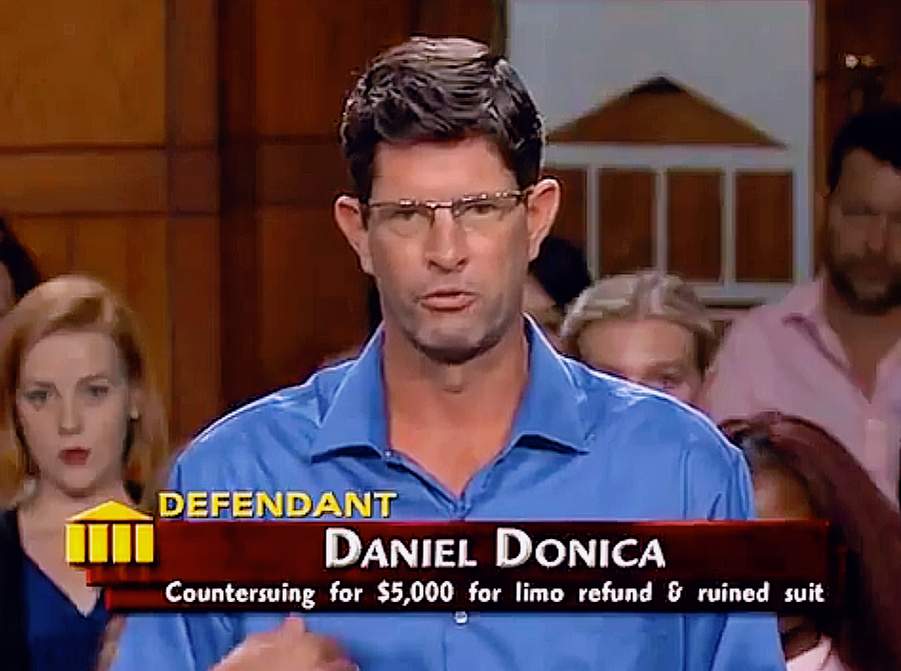
Daniel Donnicka and his wife were among the guests. Their account was that the Wellendorfs picked them up before the limousine arrived. The testimony was not perfectly consistent about the arrival sequence, but the limousine was organized around the entire party.
The Plan Changes After Dinner
The group left the steakhouse shortly before 11 p.m. The original plan was to go to the club and remain out until the scheduled return. Donnicka and his wife, however, wanted to go home instead.
That request created the central contractual dispute. Judge Judy focused on the practical consequence of taking two people back to Plum Street: the driver would have to spend approximately 25 minutes traveling away from the club and another 25 minutes returning. The other seven guests would be left at the club while the limousine made the detour. In the courtroom’s framing, the proposed trip would add about an hour to the evening and change the service promised to the group.
Braslaw said the driver declined to take the couple home because that was not what the contract required. Donnicka acknowledged that he was irritated and admitted he had been rude, but he did not remember his exact words. Braslaw described Donnicka as shouting, “Take me home right now.” Judge Judy noted that the demand itself was not necessarily terrible, even if the manner in which it was delivered had become confrontational.
Braslaw said he stopped the limousine near the club, where he intended to find a place to park and wait for the other clients to call for pickup. He testified that he tried to find a solution by contacting Mrs. Wellendorf and asking whether the couple could be taken home before the driver returned for the rest of the party. He said he called approximately ten times, but her phone was inside the limousine and he had no other number.
Two Accounts of the Roadside Confrontation
The most serious part of the case concerned what happened after the limousine stopped.
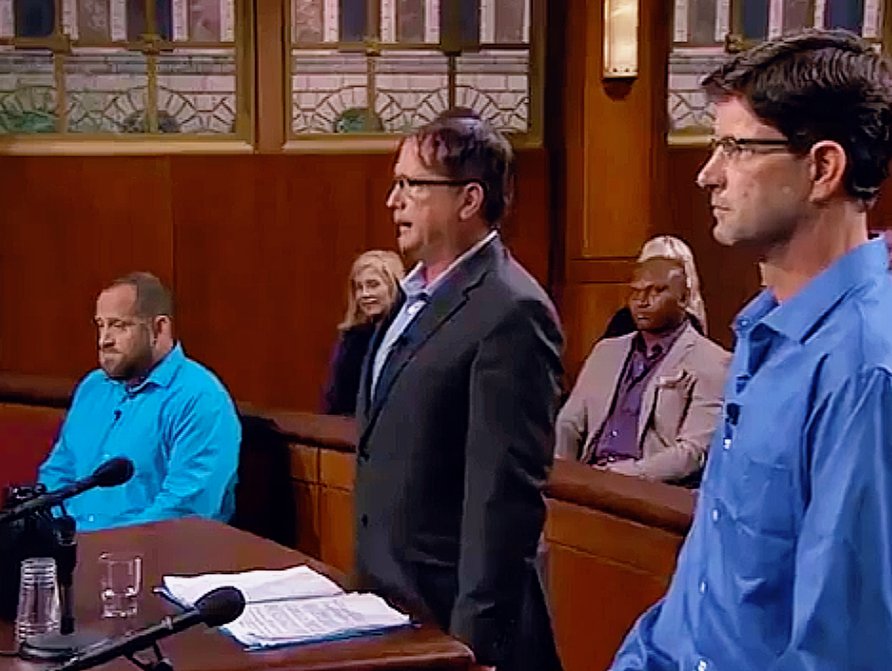
Braslaw testified that he got out and headed toward the rear of the vehicle to speak with the couple. According to his account, Daniel Donnicka jumped out on his side, ran around the limousine, and began repeatedly striking him in the face. Braslaw said he did not call police at the scene because the attack continued and he believed he had to fight back. He described himself as approximately 5 feet 10 inches tall and Donnicka as about 6 feet 5 inches. Braslaw said he struck Donnicka hard enough to make him fall, although Donnicka got back up.
Braslaw also testified that Donnicka’s wife and another person watched the confrontation. He said he warned the couple that he would call police if they did not leave the premises. In his version, they eventually left in an Uber.
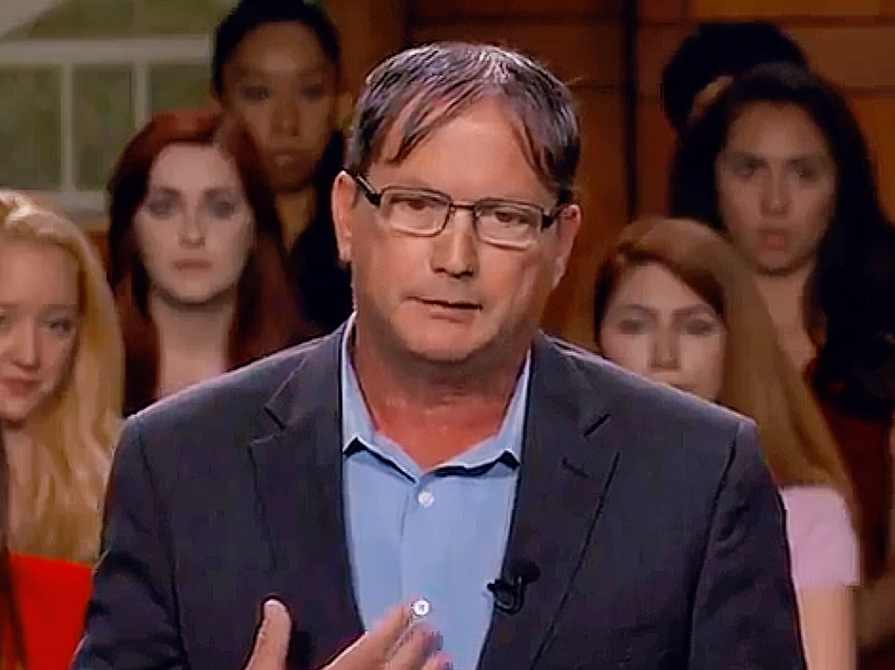
Donnicka disputed that account. He said Braslaw was driving in an unsafe manner and making sharp turns, causing him and his wife to be knocked around in the back of the limousine. He maintained that Braslaw stopped the vehicle and pulled him out. Donnicka also said Braslaw left him and his wife under a highway in what he described as a dangerous area with a large homeless population.
The testimony therefore presented two incompatible narratives. One described an unprovoked attack on a driver attempting to manage a contract dispute. The other described a passenger reacting after being shaken around inside the vehicle and then being pulled out. The SRT does not establish an independent eyewitness account that resolves the conflict.
The Evidence That Complicated the Story
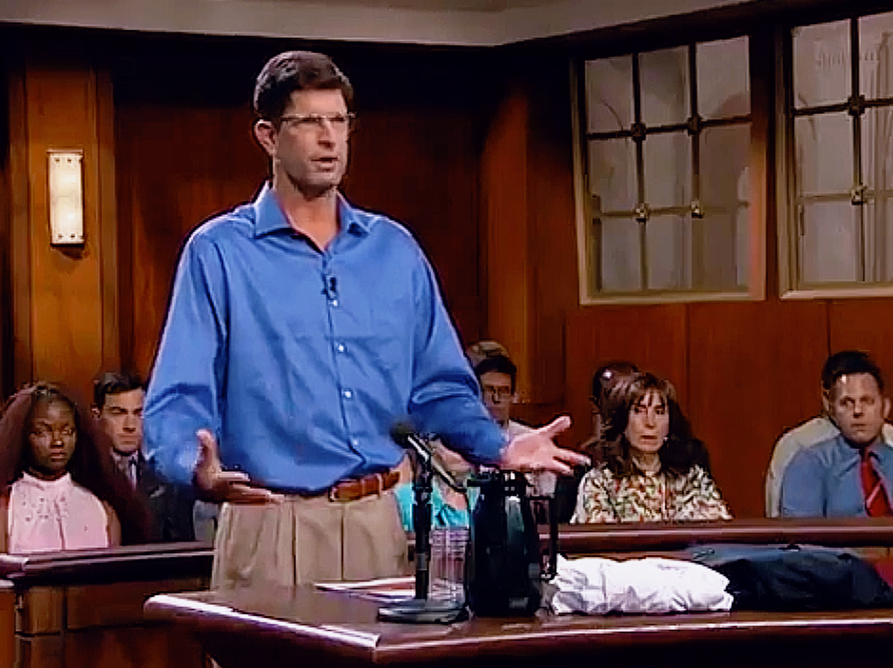
Photographs were shown in court to document injuries. Braslaw said he had medical bills and sought compensation for the alleged assault, medical treatment, and pain and suffering. Donnicka also presented photographs and medical paperwork, maintaining that he had been injured.
Neither side called police immediately at the scene. Braslaw said he made a report on May 21, two days after the incident and one day after dropping the guests off. Donnicka testified that police came to his home on June 6 for the first interview. Judge Judy asked why he had not filed a complaint before then. Donnicka answered, “I wasn’t raised that way.”
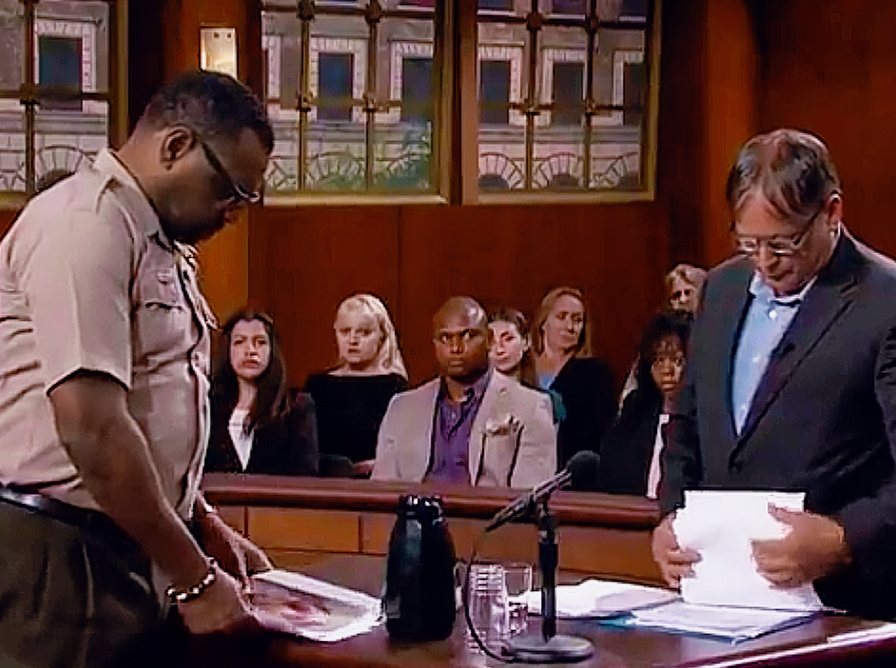
The judge also contacted Mrs. Wellendorf by telephone. Her account, as summarized in the episode, created problems for Donnicka’s version of the encounter. Judge Judy said Mrs. Wellendorf had indicated that Donnicka told her a different story: that Braslaw had been making sharp turns, that Donnicka and his wife had fallen inside the limousine, and that Donnicka got out after the vehicle stopped. According to the judge’s description, Mrs. Wellendorf did not say Braslaw pulled him from the car.
The drinking timeline also became relevant. Mrs. Wellendorf reportedly said the group began having cocktails before the limousine arrived and continued drinking through dinner. Donnicka said he had two drinks during the evening and one during the limousine ride, for three in total. Braslaw, who was driving, said he had not been drinking.
These points did not independently prove every detail of either account. They did, however, give Judge Judy a basis for examining the consistency of Donnicka’s statements and the limits of his
Judge Judy’s Ruling
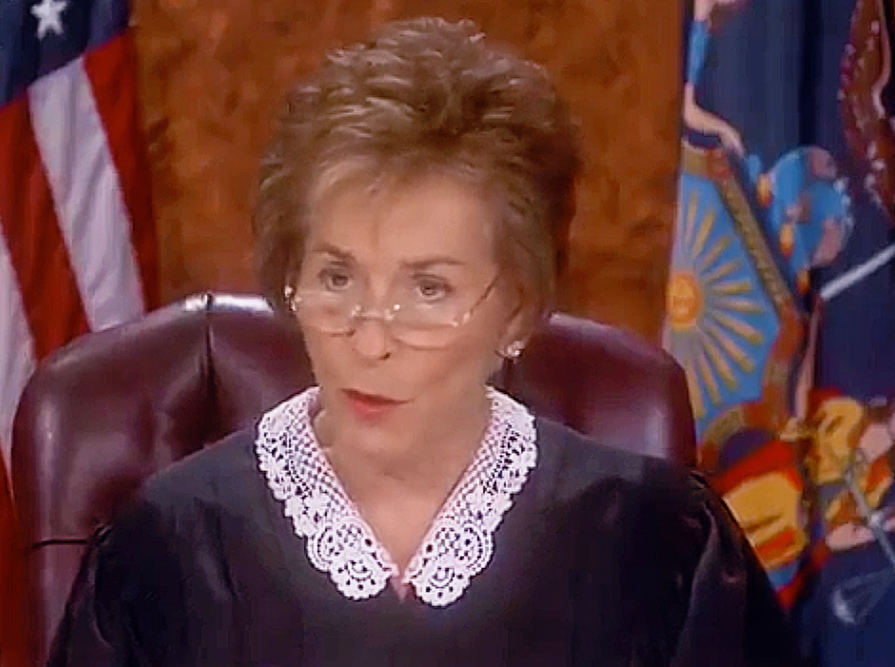
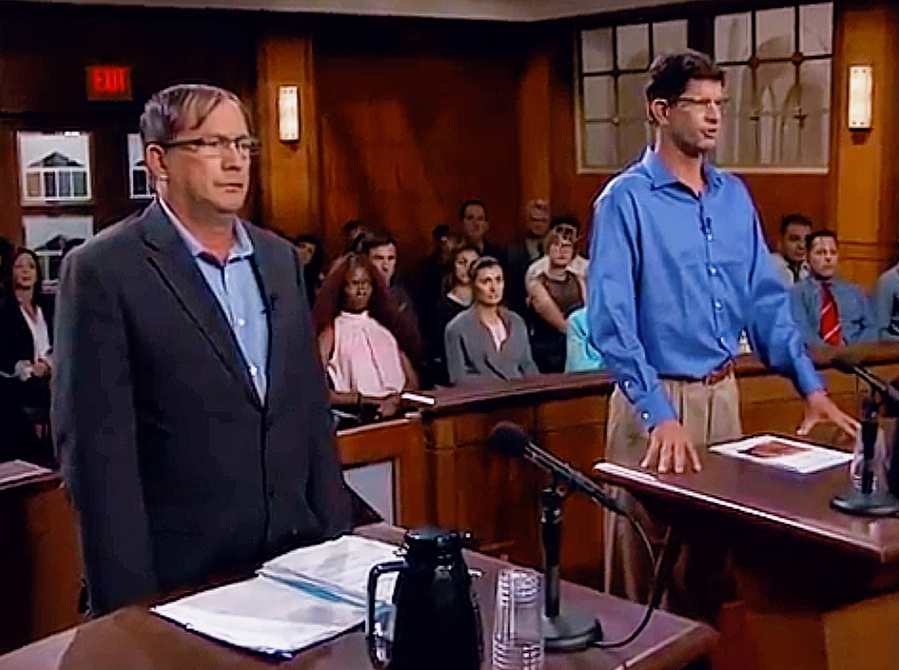
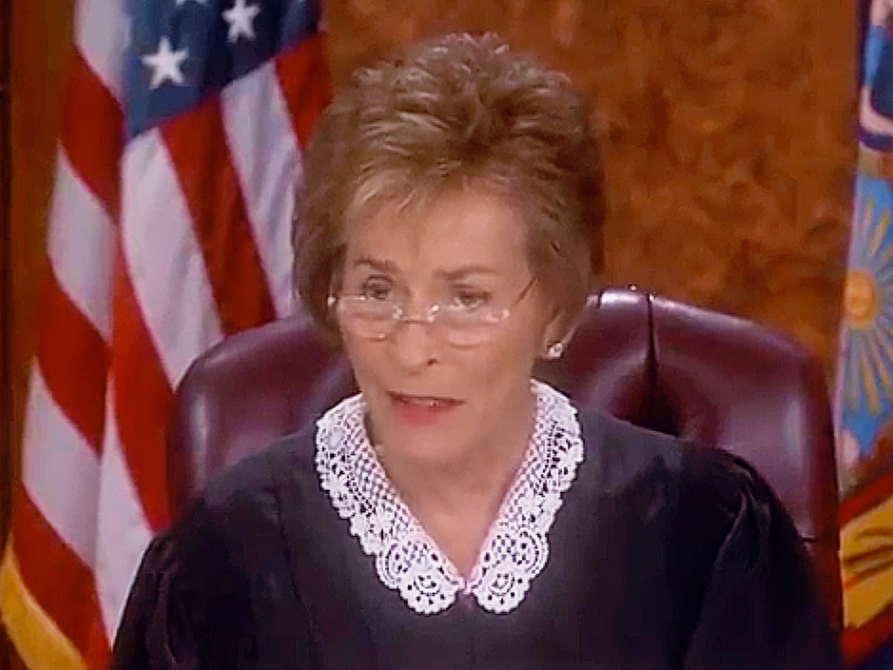
Judge Judy ruled for Scott Braslaw. She ordered Donnicka to pay $1,251 in medical bills and an additional $1,500 because he had lost his temper that night. Together, those itemized amounts total $2,751. The closing SRT instead records the judgment as $27.51, an apparent caption or transcription error. The discrepancy should be flagged rather than silently presented as a settled total.
Donnicka’s counterclaim for the return of limousine fees, a ruined suit, and pain and suffering was dismissed.
Judge Judy’s reasoning centered on the contract and the group’s transportation needs. She said the agreement provided specific locations and did not require the driver to take individual passengers home at will. If Donnicka and his wife wanted to leave early, the practical alternative was to call a cab or an Uber rather than divert the vehicle and strand the other seven guests.
What the Case Ultimately Turned On
The ruling was about what the service had been hired to do, how an individual request affected the group, and whether the evidence supported the competing accounts.
The SRT presents no criminal conviction and does not establish that every allegation was independently verified. It records a civil courtroom dispute in which both sides claimed injury, neither called police at the scene, and later testimony was used to test the consistency of the parties’ stories. Judge Judy ultimately found Braslaw’s claim sufficiently persuasive and rejected Donnicka’s counterclaim.
The case ended with a blunt lesson from the bench: a group transportation contract has limits, and frustration over those limits does not justify turning a disagreement into a physical confrontation.
FAQ
What was the case on Judge Judy about?
The case was Braslaw versus Donnicka, a dispute between limousine company owner Scott Braslaw and former client Daniel Donnicka. Braslaw alleged that Donnicka assaulted him after demanding to be taken home early. Donnicka disputed the account and filed a counterclaim involving limo fees, a ruined suit, and pain and suffering.
Why did the limousine driver refuse to take Daniel Donnicka home?
According to the testimony, the limousine had been contracted for a group itinerary: the Wellendorfs’ address, Vic and Anthony’s Steakhouse, a club, and a scheduled return to Plum Street at 3 a.m. Taking Donnicka and his wife home early would have diverted the vehicle and left seven other guests at the club.
Did anyone call police during the alleged assault?
No police were called at the scene according to the testimony. Braslaw said he filed a report on May 21. Donnicka testified that police later came to his home on June 6 for an interview.
What did Judge Judy award Scott Braslaw?
The episode records medical bills of $1,251 and an additional $1,500 related to Donnicka’s loss of temper, which total $2,751. The closing SRT instead includes a $27.51 figure, so the original broadcast or court record should be checked before publishing one definitive total.
Who won the case?
Scott Braslaw won the plaintiff’s claim. Daniel Donnicka’s counterclaim was dismissed.