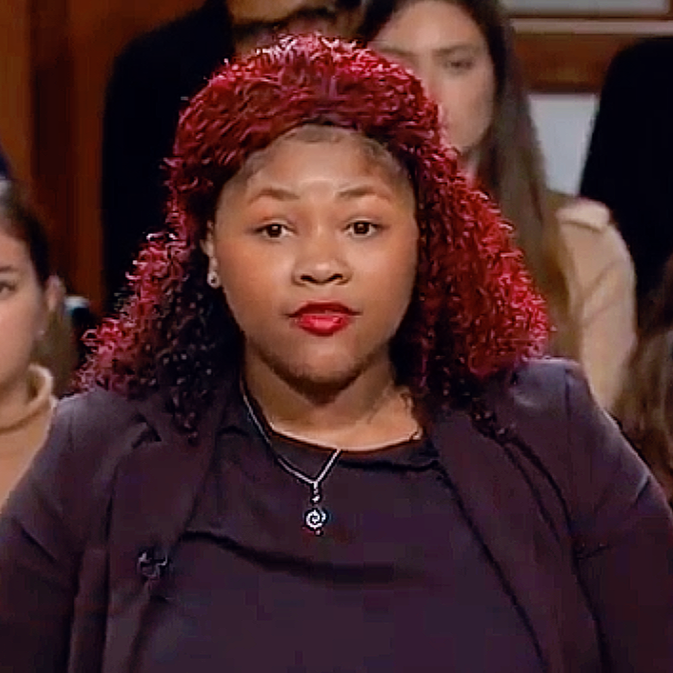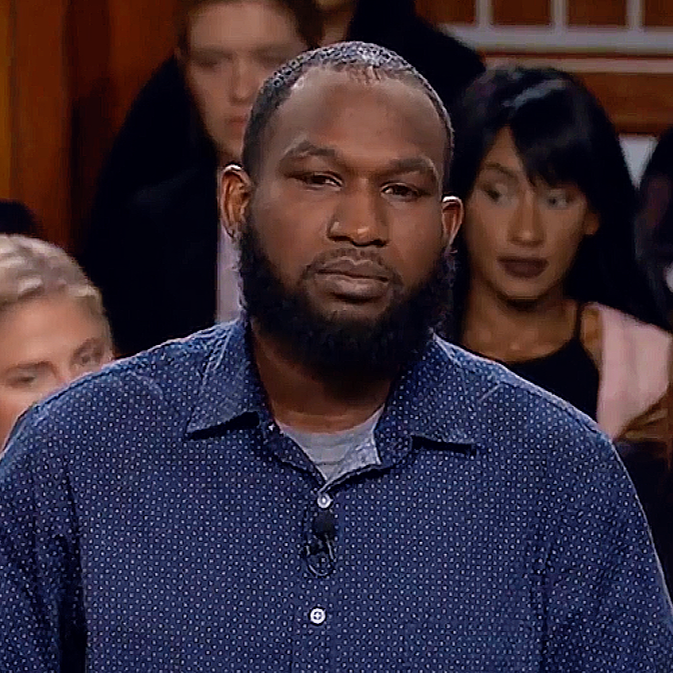
A private image leaves one woman distressed. In another case, a shared home becomes the center of arguments over keys, rent, an unwanted guest, and alleged violence. By the time both disputes reach Judge Judith Scheindlin’s courtroom, the question is no longer simply who is angry with whom. It is whether the evidence can separate accusation from proof.
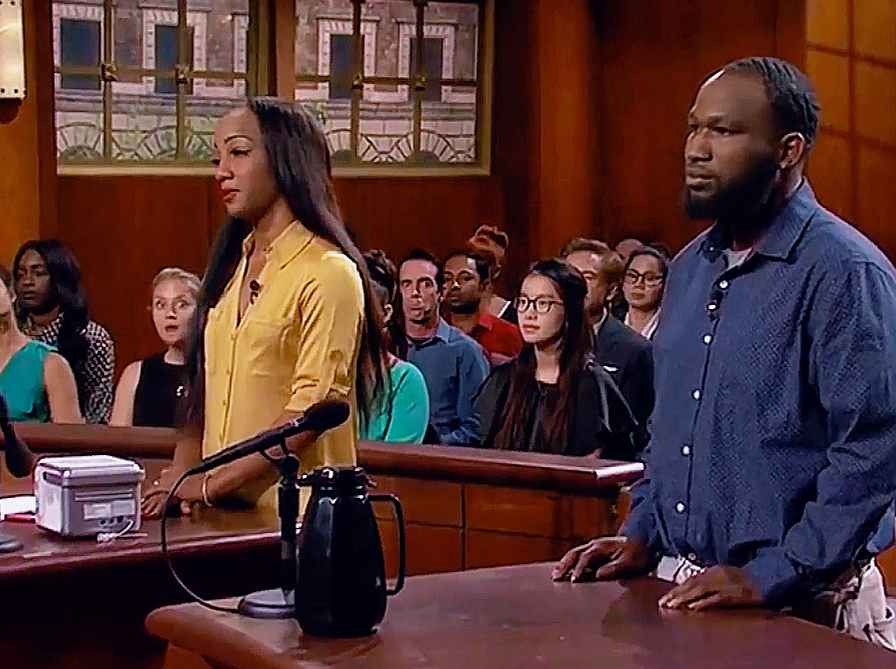
Case One : When private pictures became a courtroom dispute
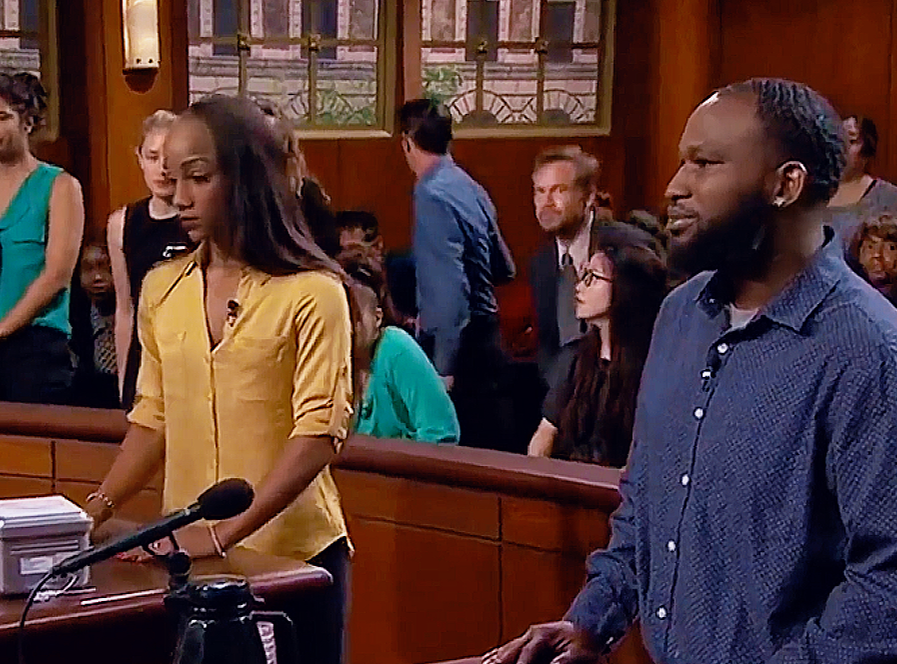
The first case opened with a stark allegation: LaRonda Redd said intimate photographs she had not intended to publish were placed on the Internet. The defendant, Avery Washington, was not accused of taking the photographs. The dispute centered on whether he had obtained access to them and then posted them to cause embarrassment.
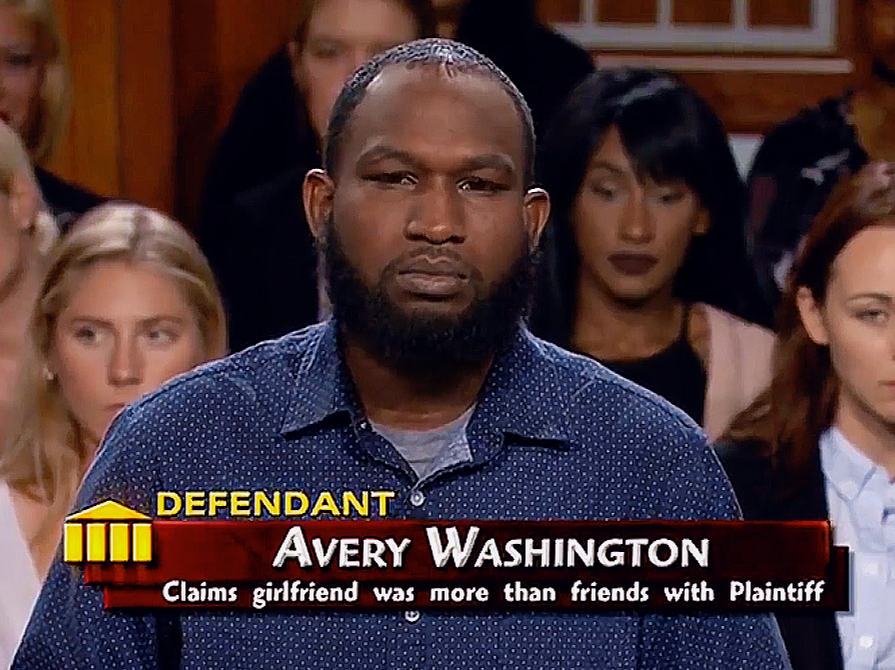
Judge Judith Scheindlin immediately focused on the central legal problem. It was not enough for Redd to say that Washington had a reason to be angry or jealous. She had to prove that he was the person who posted the pictures.
That distinction shaped the entire hearing. The courtroom heard about a complicated relationship involving Washington, his girlfriend Jasmine Melton, and Redd. It also heard about a phone, a recorded conversation, and a disagreement involving car keys and personal property. What initially appeared to be a simple accusation became a credibility contest.

The relationship behind Redd v. Washington
The case was identified as Redd v. Washington, case number 107 on the calendar. Redd sued Washington for posting nude pictures of her on the Internet.
Washington acknowledged that he had a girlfriend named Jasmine. He also acknowledged that Jasmine and Redd had been friends, although his first description suggested the relationship may have been closer than ordinary friendship. The two women were described as “more than friends,” a detail Judge Scheindlin later viewed as significant.
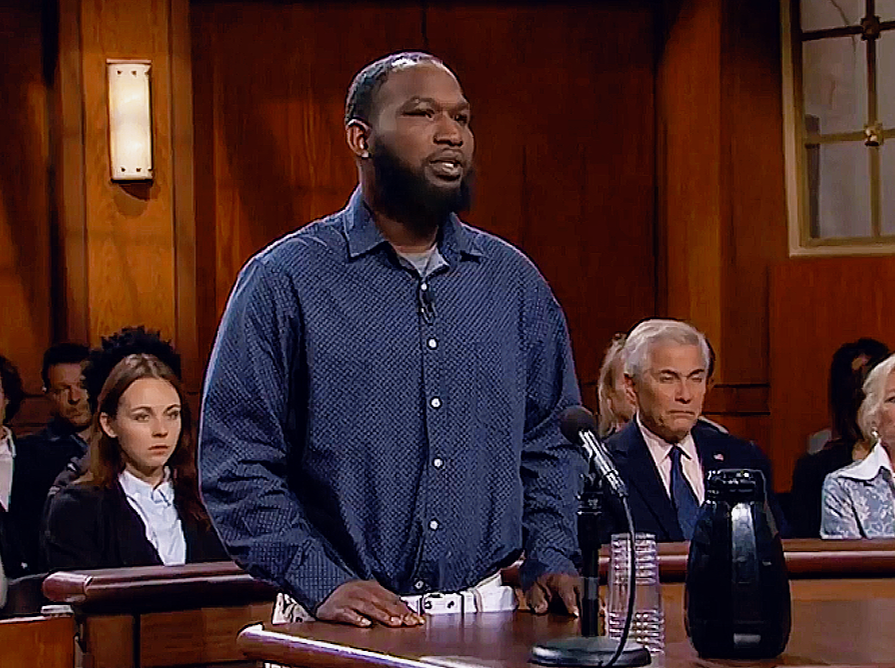
Redd testified that she had taken pictures of herself and sent them to Jasmine. She said she had not sent them to anyone else. Her allegation was that Washington, jealous of the relationship between the two women, gained access to the photographs and posted them online. Redd said the publication caused her aggravation and distress.
Washington agreed with Judge Scheindlin’s broader condemnation of anyone who deliberately publishes private photographs to embarrass another person. He repeatedly accepted the principle that such conduct would deserve consequences. But he denied that he had posted Redd’s pictures.
The judge then turned to the evidence. Redd had the photograph itself. More importantly, she said she had a recording connected to the period after the images appeared online.
The recording and the witness who changed the case
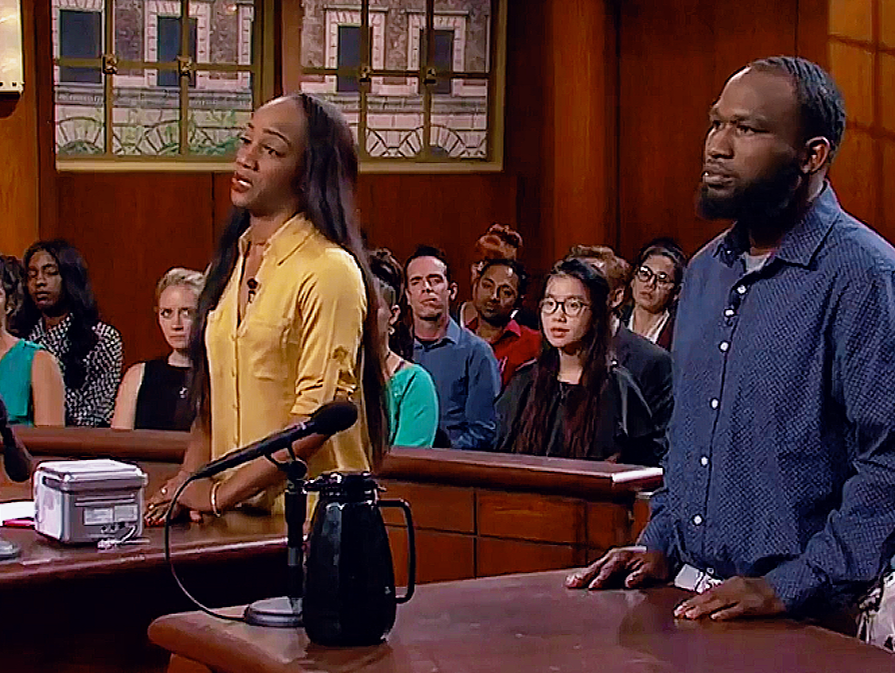
According to Redd’s account, she called Jasmine after the pictures were posted. Jasmine was with Redd in a car while speaking with Washington by telephone. Redd said the conversation involved Washington’s possession of Jasmine’s phone and threats to post material stored on it.
Washington initially challenged the account. He said the alleged conversation never took place and questioned how Redd could prove it. Judge Scheindlin pressed him on whether he had ever possessed Jasmine’s phone and seen pictures of Redd.
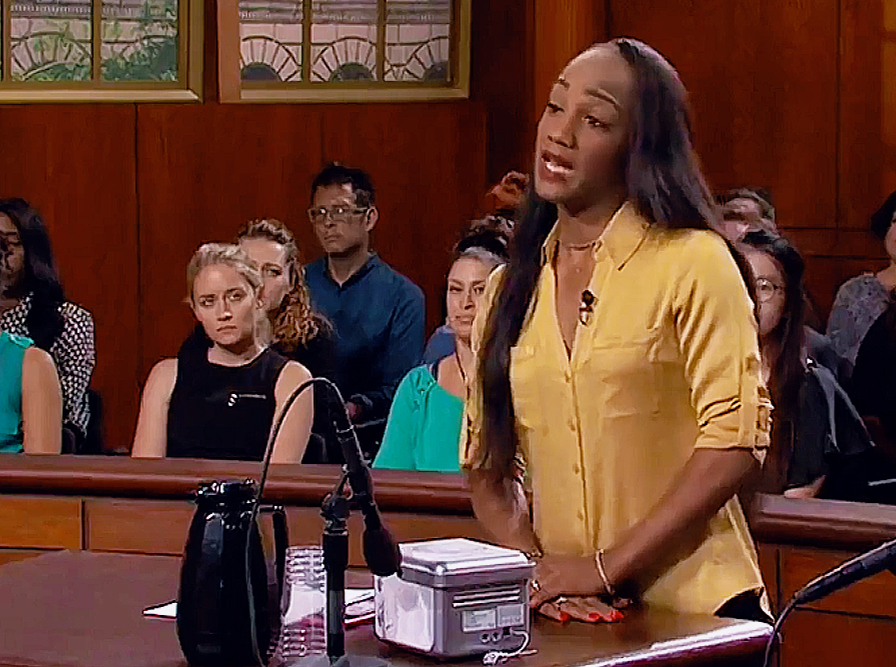
His answers shifted. Washington said he had been with Jasmine for three years and had possessed her phone on many occasions, but he denied seeing Redd’s pictures. He also described a moment when Jasmine asked whether he had posted pictures of Redd. Judge Scheindlin pointed out that the question itself suggested a conversation about the photographs and Washington’s possible access to them.
The judge warned Washington to be careful and tell the truth. The issue was not merely whether he had access to the phone. Redd still had to establish that he had posted the pictures. But the testimony raised a direct question about Washington’s denial.
Judge Scheindlin then asked whether Jasmine was present in the courthouse. Washington said she was traveling with him and was in the back. The judge ordered that she be brought forward and sworn as a witness.

Jasmine Melton confirmed her name under oath. The court played the recording. When asked whether she remembered the conversation, Jasmine said yes. She also confirmed that she had been in the car with Redd and had been speaking with Washington.
The recording involved an argument. Jasmine remembered that Washington wanted his property, including his car keys, and that the dispute lasted for a significant period. She did not initially recall every detail, including what he had threatened to do. But when Judge Scheindlin reminded her that Washington wanted his keys, Jasmine confirmed that point.

That testimony mattered because Washington had denied that the voice on the recording was his. After Jasmine recognized the conversation and confirmed that she had been speaking with him, the judge returned to the broader credibility issue.
Judge Scheindlin told Washington that she had not needed to break up his relationship or prove every detail of the romance. She only needed to determine who was telling the truth. In the judge’s view, the recording was consistent with Jasmine’s account, while Washington had denied that the conversation was his.
The $5,000 judgment
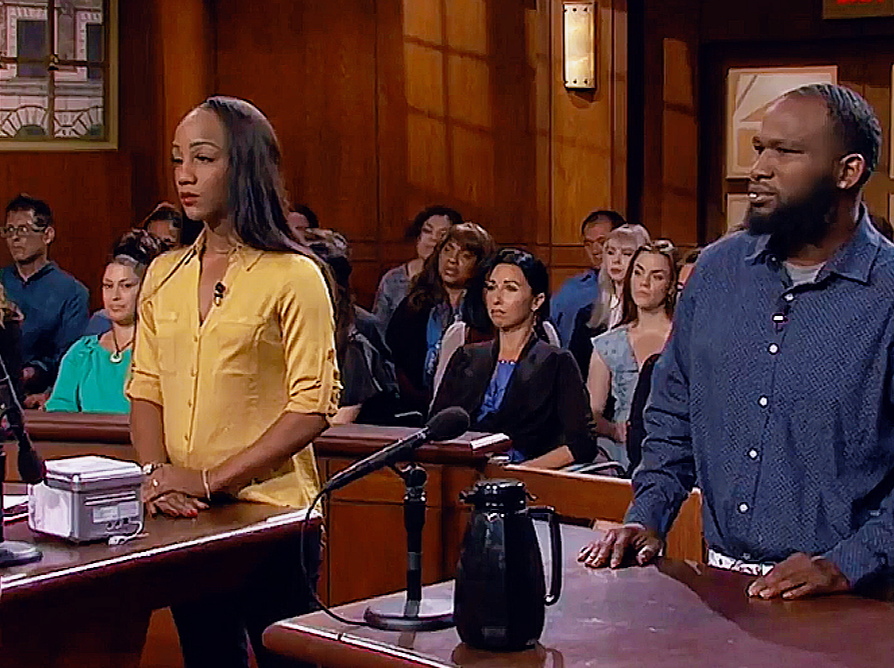
The courtroom exchange ended with a direct finding. Judge Scheindlin said Washington was the liar because the recording was his, unless Jasmine herself was lying. When Washington suggested that Jasmine was confused, the judge rejected that explanation. She said she knew the difference between confusion and lying.
Judge Scheindlin ruled for the plaintiff, LaRonda Redd, in the amount of $5,000. The first case ended with Redd receiving a judgment after the court accepted the evidence that contradicted Washington’s denial.
The result did not erase the private nature of the dispute or the distress described in court. It did, however, establish the outcome recorded in the transcript: judgment for the plaintiff and a $5,000 award.
Case Two : A roommate arrangement begins to unravel
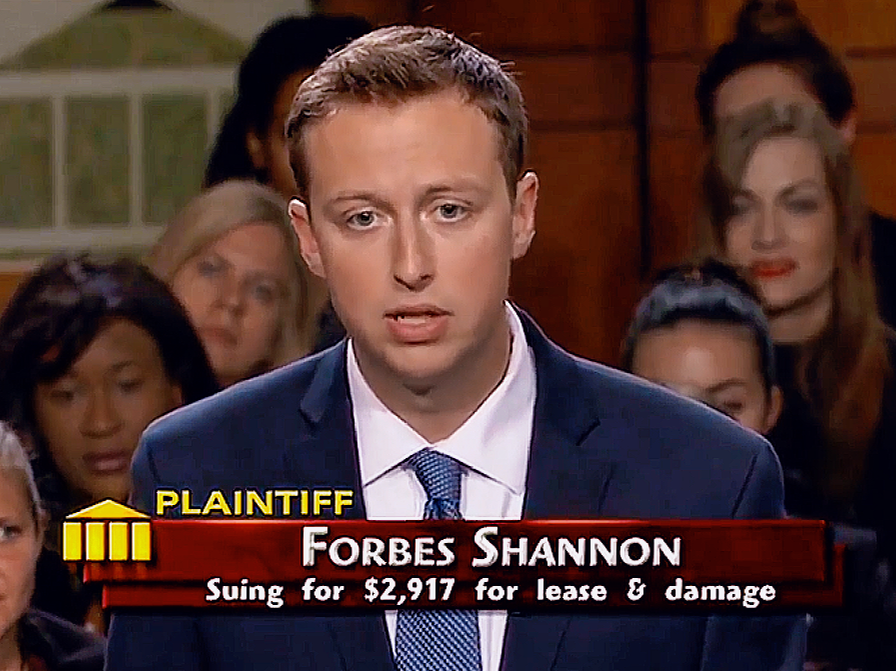
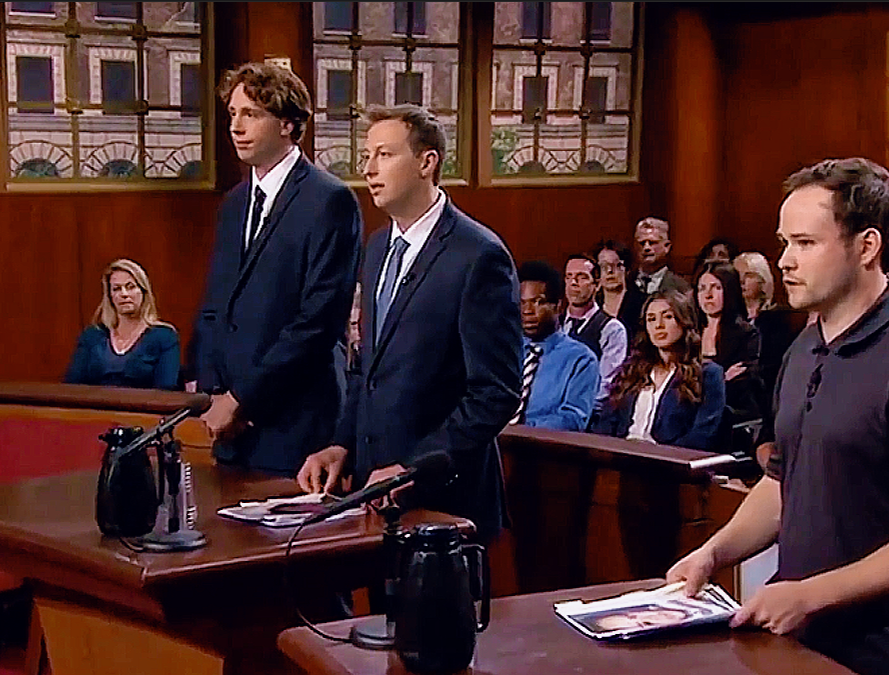
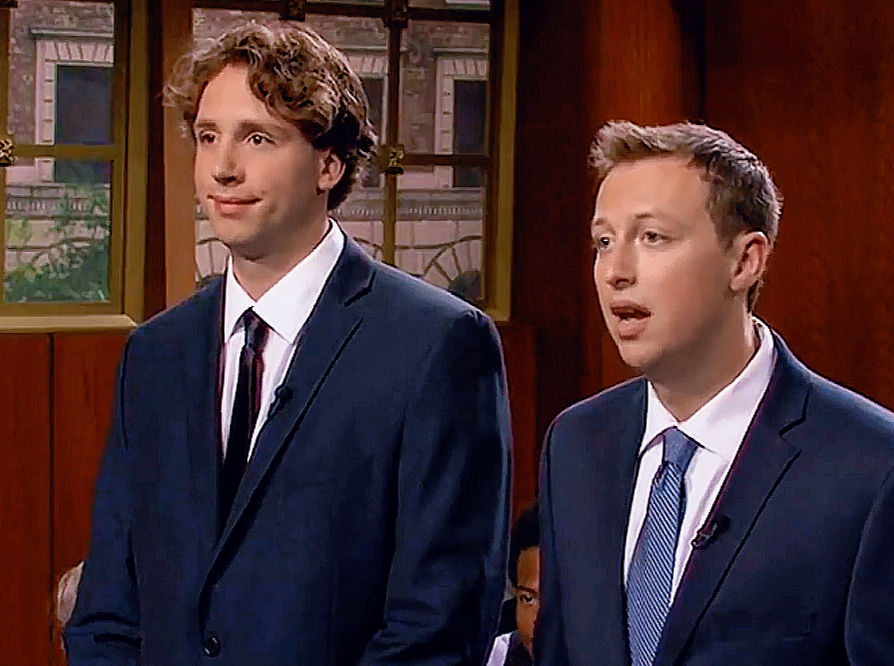
The second case moved from private images to a shared home. The parties were identified as Forbes Shannon, Zach Lennison, and their former roommate, Michael Burry. Shannon and Lennison sued Burry, alleging that he had broken the lease and caused damage to the home. Burry filed counterclaims involving an illegal eviction, storage fees, and assault.
Judge Scheindlin quickly recognized that the dispute contained several competing allegations. She chose to address the assault claims first, but she also questioned why the parties had continued living together after the first alleged incident.
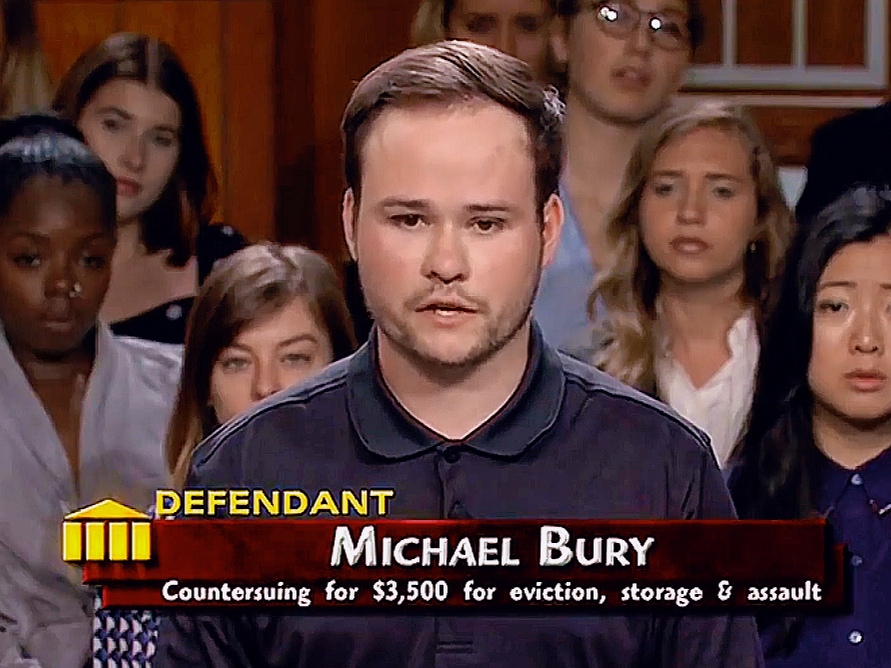
The three roommates moved into a house together on August 1, 2017. According to the testimony, an incident involving Burry occurred that month while he was drunk. Shannon described it as an assault, but Judge Scheindlin noted that no police report had been filed regarding the alleged August assault.
The roommates nevertheless continued living together for roughly six months. They remained in the home through August, September, October, November, December, and January. That continued arrangement became important to the judge’s assessment of the allegations.
Judge Scheindlin compared the situation to people who have an argument, continue living together, and later reinterpret an earlier confrontation after the relationship finally breaks down. Her point was not that an alleged assault could never matter. Rather, the timing and conduct of the parties raised questions about how the earlier event fit into the larger dispute.
The January guest and the road to April
The conflict intensified in January 2018. Burry was asked about a friend named Seth who came to stay at the home. Burry said Seth wanted to move to Phoenix and that he allowed him to stay temporarily. The testimony changed between one night, a weekend, one day, and two nights.
Burry said he had spoken with both roommates. He initially told them Seth would stay for a week, but after they objected, he said Seth stayed only for a weekend. Judge Scheindlin repeatedly pressed him to keep the timeline straight.
The testimony suggested that the January guest issue contributed to the decision to end the roommate arrangement. Shannon and Lennison wanted Burry to leave, while Burry said the parties reached a mutual agreement that he would move out. He remained in the house until the last day of April and testified that he paid rent for January, February, March, and April.
By the time Burry left, Shannon was still living in the home. He told the judge that the house was more peaceful. A friend was expected to move in on July 1, although the judge noted that the friend had originally been expected to move in earlier.
The plaintiffs argued that Burry’s departure left them responsible for rent he had agreed to pay. They said they had made clear that neither plaintiff could afford the rent without him. Judge Scheindlin focused on the timeline: the discussion occurred in January, but Burry did not move out until the end of April. That gave the remaining roommates four months to find another roommate.
Why the second case ended without a recovery
The transcript does not record a monetary judgment for either side in the roommate dispute. Instead, after hearing the competing positions, Judge Scheindlin told the parties that neither side had a case. In the exchange, she specifically focused on the fact that the plaintiffs had four months to find a replacement roommate after the January discussion. The transcript does not provide a separate detailed finding on each of Burry’s counterclaims.

The case also ended with sharply different descriptions of the household. In later comments, Burry described being left in downtown Scottsdale without a way home, being punched, thrown into a wall, and threatened. He denied making a threat to slit anyone’s throat. The opposing account described Burry as intoxicated and aggressive, while Burry characterized the confrontation as a struggle in which he tried to get the others off him.
Those statements were presented as opposing accounts after the ruling. They do not change the recorded courtroom outcome. The second dispute ended without the transcript identifying an award to either side.
What these two cases reveal
Although the cases involved very different allegations, both turned on credibility and chronology. In Redd v. Washington, a recording and Jasmine Melton’s testimony undermined Washington’s denial. The judge found for Redd and awarded $5,000.
In the roommate case, the timeline worked differently. The parties continued living together after the alleged August incident, Burry paid rent through April, and the January-to-April period gave the remaining roommates time to address the housing problem. The transcript records the judge concluding that neither side had proved a viable case.
The contrast is a reminder that courtroom drama is not the same as courtroom proof. Anger, damaged relationships, and severe accusations may explain why people come to court. They do not, by themselves, establish liability. The outcome depends on what the evidence can support.
Frequently Asked Questions
Who sued Avery Washington?
LaRonda Redd sued Avery Washington, alleging that he posted nude photographs of her on the Internet without her permission.
What evidence was presented in Redd v. Washington?
The transcript refers to the photographs, a recording of a telephone conversation, and testimony from Jasmine Melton. Jasmine confirmed that she was speaking with Washington during the recorded argument.
How much did LaRonda Redd receive?
Judge Judith Scheindlin entered judgment for the plaintiff in the amount of $5,000.
Who was Jasmine Melton?
Jasmine Melton was Avery Washington’s girlfriend and a friend of LaRonda Redd. She was called as a witness and testified after the court played the recording.
Who were the parties in the roommate case?
Forbes Shannon and Zach Lennison sued their former roommate, Michael Burry. Burry countersued over alleged illegal eviction, storage fees, and assault.
When did the roommates move into the house?
The testimony placed the move-in date on August 1, 2017.
When did Michael Burry leave?
Burry left on the last day of April after paying rent for January, February, March, and April, according to the testimony.
Did the transcript record a payment in the roommate case?
No specific monetary award is recorded in the provided SRT. Judge Scheindlin told the parties that neither side had a case.