
A soldier left for military training believing a former friend would protect his property. When he returned, his truck was reportedly undriveable, its license plates had been switched, and his gun was no longer where he expected it to be. In a second case, a disagreement over a thermostat became a breakup, a disputed phone, a contested dog, and a fight over rent and a loan.
Both disputes reached Judge Judith Scheindlin’s courtroom. In each, the emotional story was larger than the legal question. The court had to separate what the parties believed from what they could prove.
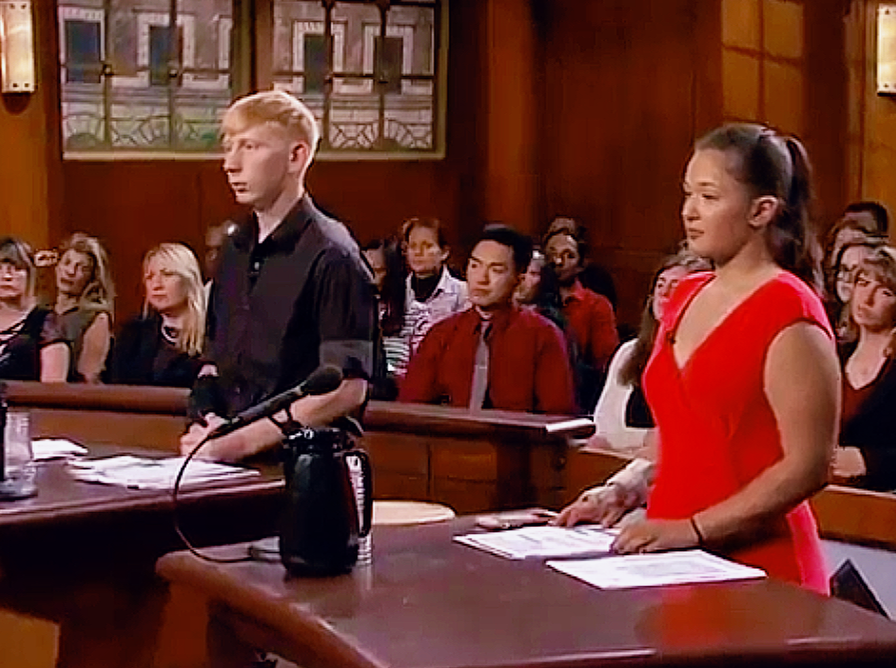
Case One : Brian Parr Jr. v. Catherine Allison
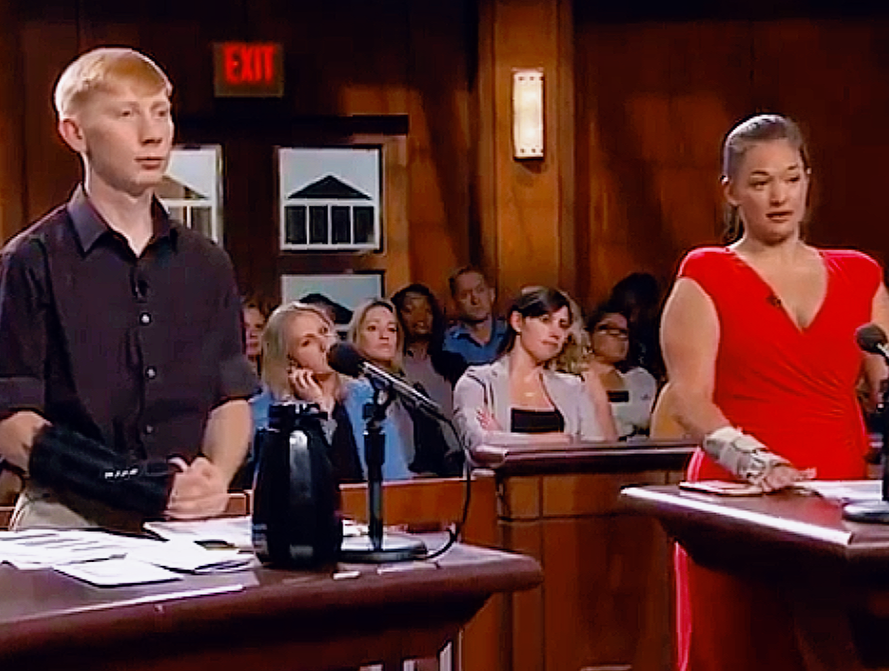
Brian Parr Jr., 21, appeared in court against Catherine Allison, 22, a former friend. Parr was an active member of the Marines. He told the court that he was being shipped to Alaska for military training beginning January 19, 2018, and that he would be away through March 19, 2018.
Before leaving, Parr arranged for Allison to store some of his property. The central item was a truck. He left the vehicle at her property, along with its key. He said the truck was registered and that its registration was current when he departed. Allison had her own car, so the truck was an additional vehicle at her home. Parr said he had made it clear that Allison was not supposed to drive it.
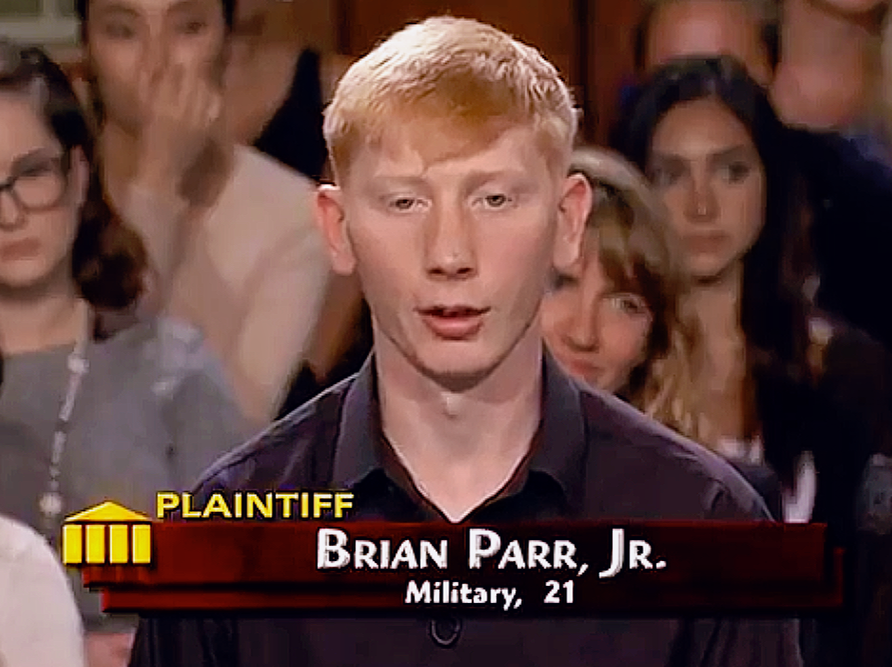
The arrangement also involved Parr’s gun. The courtroom heard conflicting descriptions of where the firearm had been stored. Allison said it was left under her bed at Parr’s direction and later moved to the back seat after a phone conversation. Parr said the gun had been left in the truck. Judge Judy criticized the decision to store a firearm without a locked case, and Parr agreed with her criticism.
The gun dispute quickly became a dispute over proof. Allison said she turned the gun over to Parr’s sergeant in the middle of March. She said the sergeant came to her house after being directed by “Scott.” Parr did not accept that account. He believed Allison had either lent the gun to a friend or sold it, but he did not have proof that she had attempted to sell the weapon. He had a video that he said showed her attempting to sell some of his other items, but not the gun itself.
Judge Judy noted that the gun was registered to Parr. Even so, the court did not resolve that claim in his favor on the evidence presented. The discussion moved to the truck, where the parties had more material to examine.

The truck, the gun, and the evidence
When Parr returned from Alaska, he said the truck had been moved away from Allison’s property and was no longer drivable. He also said the license plates had been switched. The vehicle’s condition became the practical center of the lawsuit.
Parr presented receipts that he said showed Allison had driven the truck while he was away. The receipts included small purchases, including amounts of $5 and $4.28. One item had lipstick on it. Allison did not deny driving the vehicle. Instead, she said Parr had given her permission to use it for limited purposes, including getting gas and moving it to his barracks or a nearby parking lot. She referred to messages that she said supported her account.
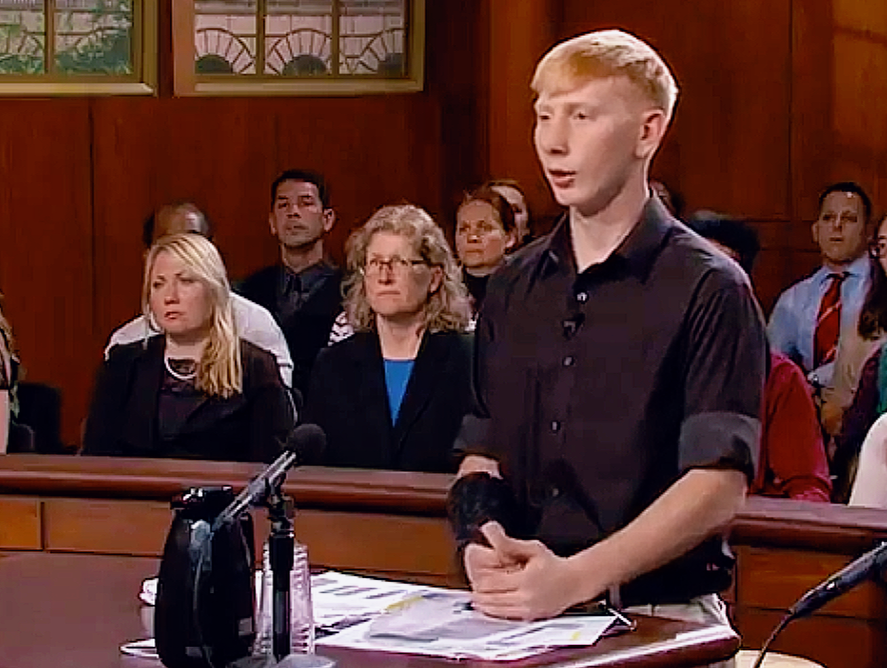
The judge accepted one important point: Allison had driven the truck. But proving that she drove it was not the same as proving that she caused the damage. Parr said the repairs were for new damage that had not been present before he left. Allison maintained that the truck already had mechanical problems, including an alignment issue, and that she had driven it only short distances.
The photographs created another problem for Parr. Judge Judy asked for pictures taken before he left the truck in Allison’s care and pictures taken afterward. Parr had after photographs and a picture taken approximately two weeks before his departure. The before photograph showed a truck with visible dirt and rust around the lower body and wheel area. Parr argued that the relevant wheel had been straight before he left and was visibly out of position in the later images.
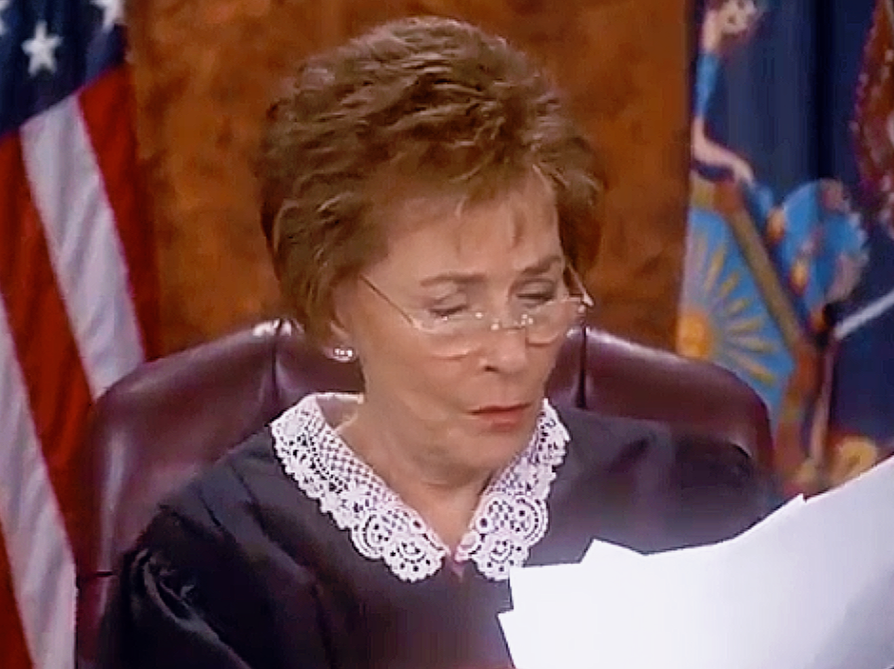
The exchange became increasingly technical. The court discussed the wheel, the axle, camber alignment, wear and tear, and the possibility of a ball-bearing problem. Parr said the repairs cost $4,700. Judge Judy asked to see a paid receipt for that amount. The transcript does not provide testimony from a mechanic, and it does not establish through the evidence described exactly when the damage occurred or whether Allison’s driving caused it.
The court ultimately awarded Parr $1,517. The SRT does not give a detailed calculation for that figure. His broader claim concerning the gun was not granted on the record presented, and the truck dispute did not result in the full $4,700 he described.
The counterclaim for rent and towing
Allison filed a counterclaim of her own. She sought $200 for towing-related expenses, describing it as two charges connected to keeping the truck from being towed from her house. When Judge Judy asked to see receipts, Allison said she did not have them. The court ruled that without receipts, she did not have a case for that claim.
Allison also sought $350 per month, half of the utilities, and half of the Wi-Fi costs. She said the agreement had been made through text messages before Parr left. When asked to show where Parr had agreed to pay $350 a month, she did not produce the necessary proof in the exchange described by the transcript. Parr denied agreeing to the rent, though Allison said he acknowledged owing electricity and Wi-Fi costs.
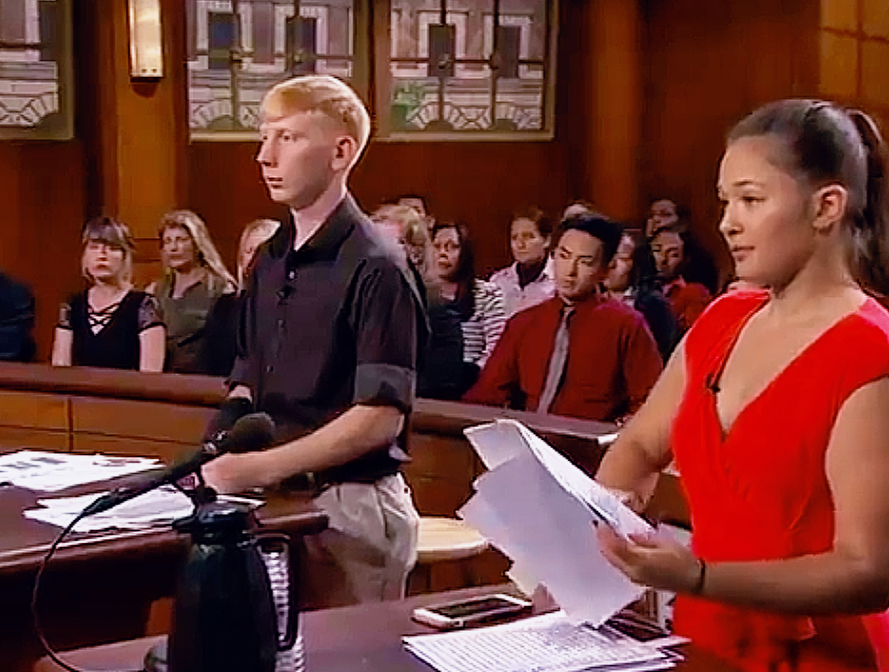
The court dismissed the counterclaim. Judge Judy also clarified the living arrangement on which Allison relied. Allison said Parr had stayed at her house before he went to Alaska. The testimony placed his stay around January 9, with his deployment on January 19, meaning he had been there for approximately ten days. The court did not treat that brief period as establishing the roommate relationship Allison used to support her rent claim.
The final ruling in the first case was judgment for Brian Parr Jr. in the amount of $1,517, while Catherine Allison’s counterclaim was dismissed. The hearing ended with both parties still disputing each other’s credibility, but the judgment turned on the claims and evidence presented in court rather than on their personal accusations.
Case Two : Alicia Johnson v. Charles Loper
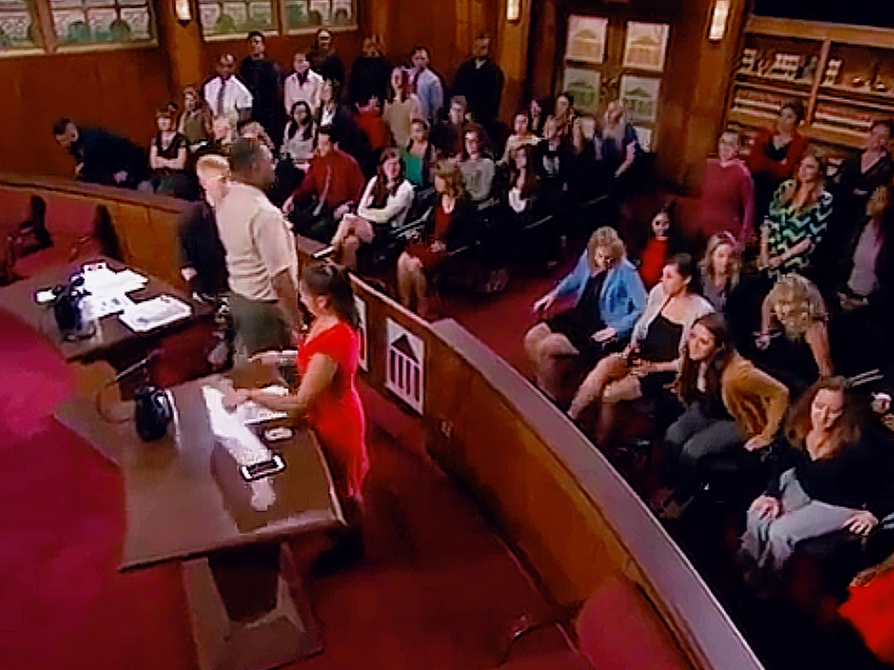
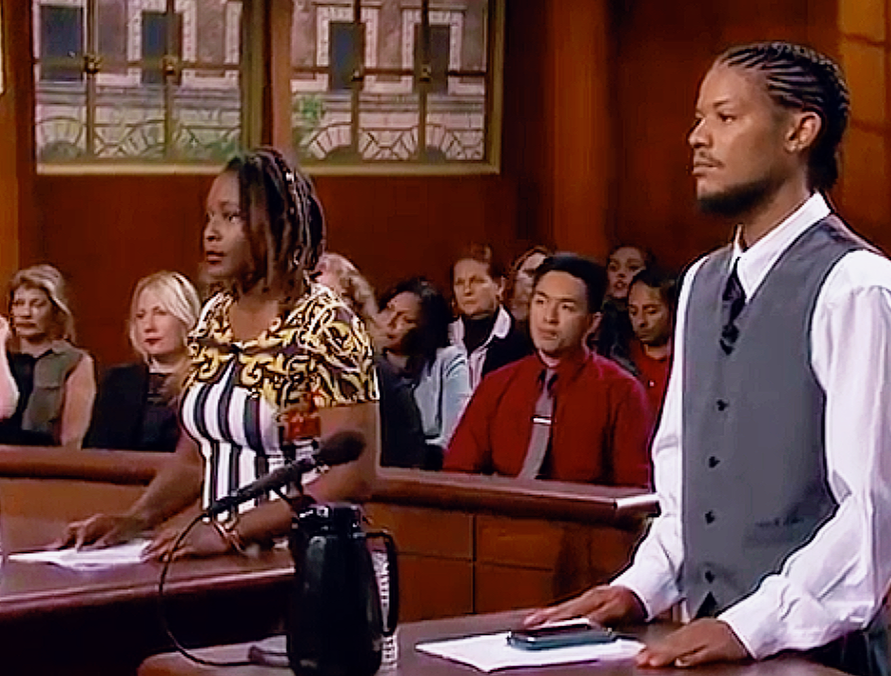
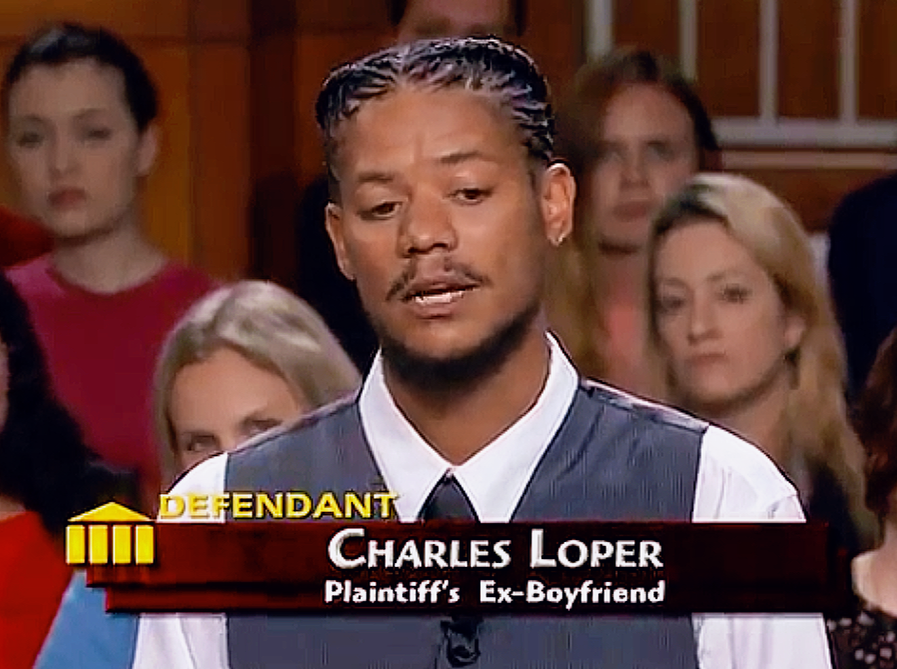
The next case involved Alicia Johnson and her former boyfriend, Charles Loper. Johnson sued Loper for rent, half of a loan, and her dog. Loper’s position was that the loan was Johnson’s responsibility, that he did not owe rent after she forced him out, and that he did not know where the dog was.
The couple had signed a one-year lease together. Loper said he moved in on October 6 and moved out on May 4. He had paid rent for April but not for May. The immediate reason for leaving, according to his testimony, was a fight on May 3.
The phone dispute begins with a thermostat
The argument began over the thermostat. Loper preferred the apartment warmer; Johnson preferred it cooler. During the argument, Loper said he removed the thermostat battery. Johnson then took his phone and ran out of the apartment.
Johnson acknowledged taking the phone. She said she was upset, made several calls from it, and contacted Loper’s father to tell him that she and Loper were having a conflict. She eventually returned to the house but did not return the phone that night. The two slept in separate rooms, with Johnson in the daughter’s room and Loper in the main room.

On May 4, Loper returned from work in a pickup truck to collect more of his belongings. He asked Johnson for the phone. According to his testimony, she said she had “gone crazy” and no longer had it. Johnson later acknowledged that she had possessed it and had changed its settings. Judge Judy characterized that conduct as taking Loper’s property and, in effect, destroying its usefulness.
That finding mattered to the rent claim. Johnson argued that Loper still owed rent because both had signed the lease. Judge Judy rejected that position. The judge said Loper did not have to continue living with Johnson if Johnson took his property, and that the landlord could pursue him under the lease without making him remain in the apartment under those circumstances.
The loan, the dog, and the final ruling
The courtroom then turned to the dog. Johnson said Loper took her Shih Tzu on May 5. She explained that the dog had been a gift in 2010. Loper denied doing anything with the dog and said it was at the home when he left to collect his furniture. Johnson said the police did not print a report for her because of an issue involving Loper’s phone and a warrant.
Judge Judy expressed concern about the dog, making clear that she would be very upset if someone took another person’s pet. But the immediate dispute was resolved when Johnson confirmed that the dog had returned home. Once the dog was back with her, the court did not award her damages for that part of the claim.
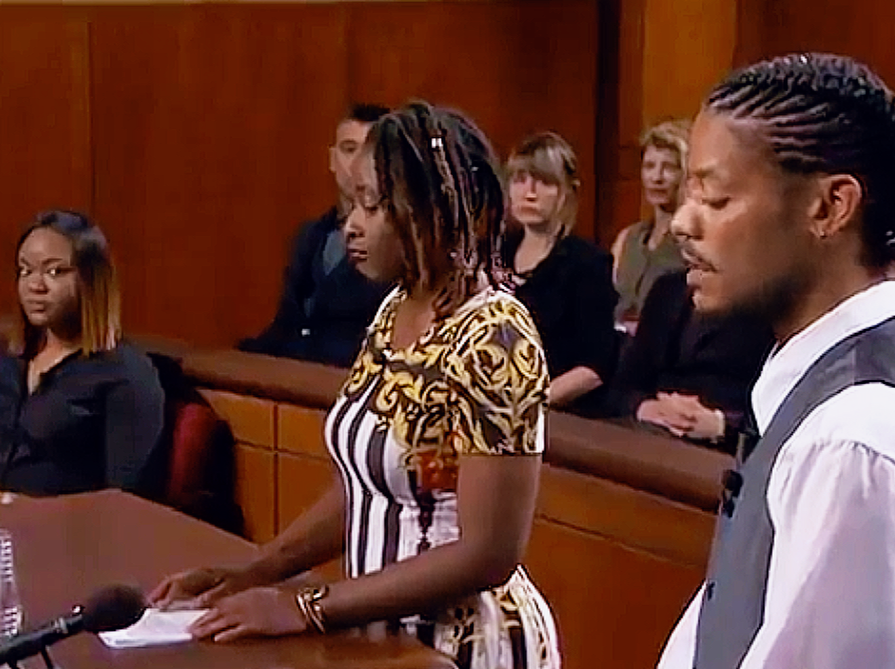
The last major issue was a loan Johnson had taken out while the couple was homeless. She said the money was used to secure a new place to live, including the first and last month’s rent. Johnson maintained that Loper had agreed to pay half because he would live there with her.
By the time of the hearing, Johnson was still living in the two-bedroom home. Loper had been gone for approximately a month. When Judge Judy asked who else lived there, Johnson answered that nobody did. Johnson also said she did not have the finances to continue caring for the lease and had begun advertising for a roommate.
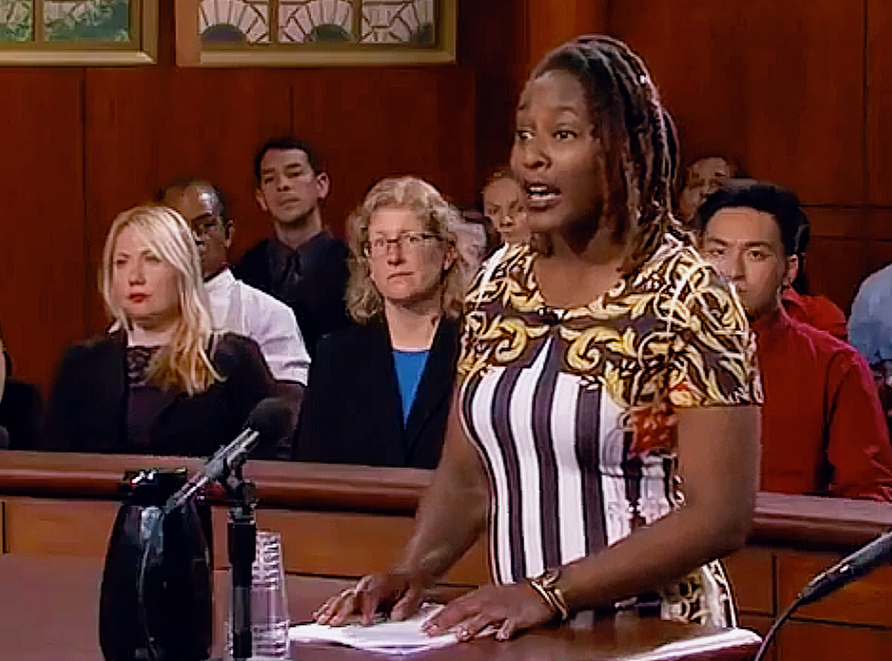
The court dismissed the case. The SRT does not state a monetary award to Johnson or Loper in this second matter. The hearing ended after the rent, phone, dog, and loan claims had been examined and the judge concluded that Johnson had not established a recoverable claim on the record presented.
Taken together, the two cases illustrate why small-claims disputes become difficult when personal relationships and informal agreements overlap. Parr left property with a friend without a written storage contract. Allison claimed rent and towing costs without producing the receipts or agreement the court requested. Johnson and Loper signed a lease, but their private conflict over a phone affected the court’s view of the rent claim. In both matters, the judge returned to the same question: what can the evidence actually prove?

FAQ
What was Brian Parr Jr. suing Catherine Allison for?
Brian Parr Jr. sued Catherine Allison over damage to his belongings and the loss of his gun while he was away for military training. The truck became the main issue argued in court.
How much did Brian Parr Jr. receive?
Judge Judy awarded Brian Parr Jr. $1,517. The transcript does not give a detailed calculation for that amount.
What happened to Catherine Allison’s counterclaim?
Catherine Allison’s counterclaim for towing fees, rent, utilities, Wi-Fi, harassment, and slander was dismissed. The court specifically noted that she lacked receipts for the towing claim and did not show an agreement for the claimed rent.
Did the court find that Catherine Allison drove the truck?
Yes. The hearing established that Allison drove the truck. However, the judge distinguished between proving that she drove it and proving that she caused the damage.
What did Alicia Johnson claim Charles Loper owed her for?
Alicia Johnson claimed that Charles Loper owed her rent, half of a loan used for moving expenses, and damages related to her Shih Tzu.
Why did Alicia Johnson and Charles Loper fight?
Their argument began over the apartment’s thermostat. Loper preferred it warmer, while Johnson preferred it cooler. The dispute escalated after Loper removed the thermostat battery and Johnson took his phone.
What happened to Alicia Johnson’s dog?
Johnson said Loper took the dog on May 5. Loper denied taking it. During the hearing, Johnson confirmed that the dog had returned home.
What was the outcome of Johnson v. Loper?
Judge Judy dismissed the case. The SRT does not identify a monetary award in the second case.