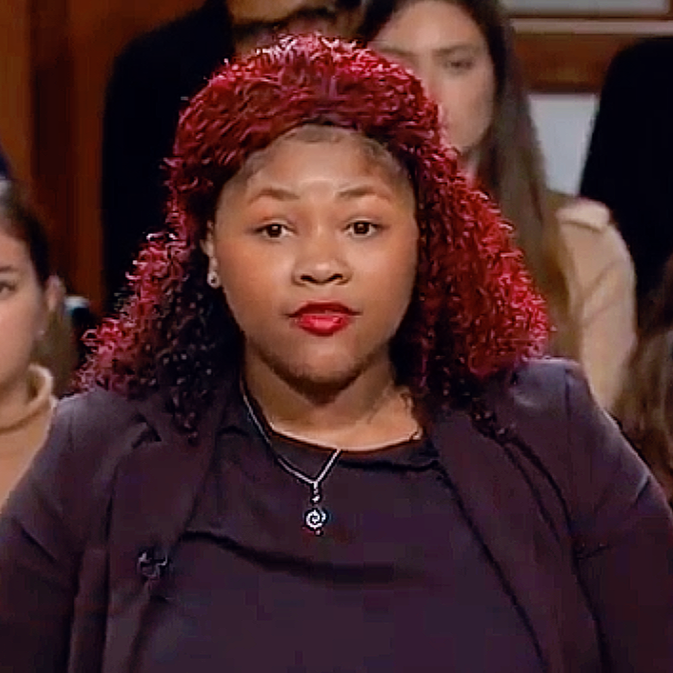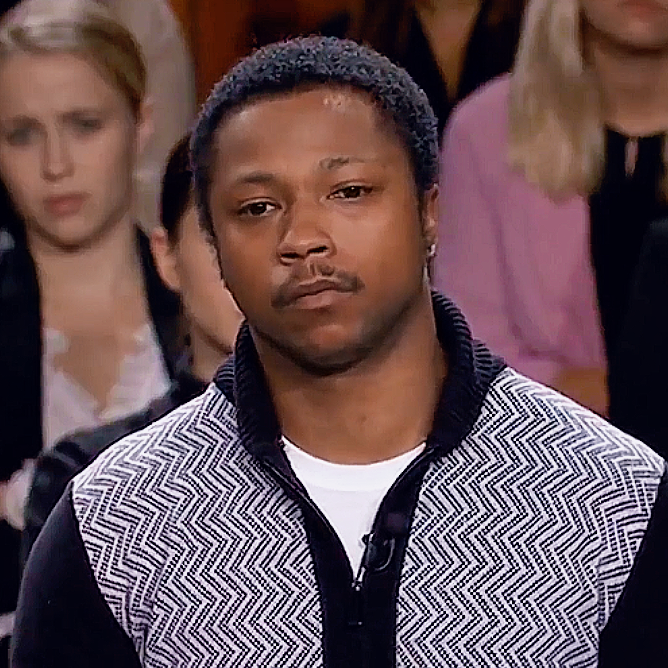
A friendship began with a favor: one woman signed for a car after her friend’s credit prevented her from financing it herself. Months later, the vehicle was totaled on black ice, an insurance payment fell short, and a $6,000 balance remained. In a second case, a former roommate borrowed a car for an airport trip and ended up arrested during a traffic stop after police found marijuana and pills inside. In both disputes, the vehicles were more than property. They became evidence of trust, responsibility, and the stories people told after that trust collapsed.
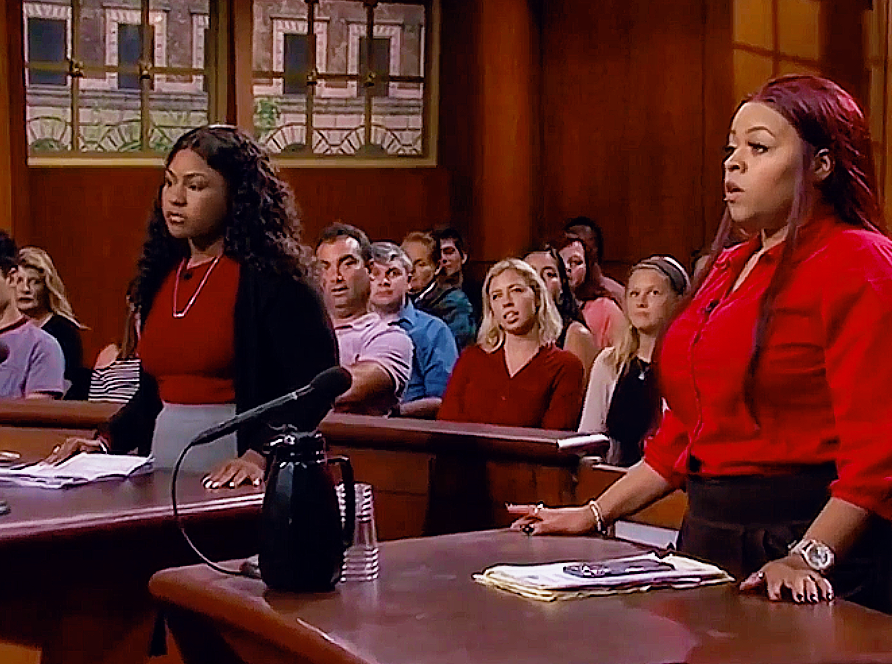
Case One : A Favor Becomes a Debt
Nalani Farrow, 24, is suing her former friend, Anashatir Hines, also 24, over the unpaid balance on a vehicle Farrow helped her obtain. Hines responds with a countersuit alleging harassment.
The dispute is not simply about who drove the car. It is about who agreed to pay for it, what each woman understood the arrangement to be, and what happened when the vehicle disappeared from the road in a crash.
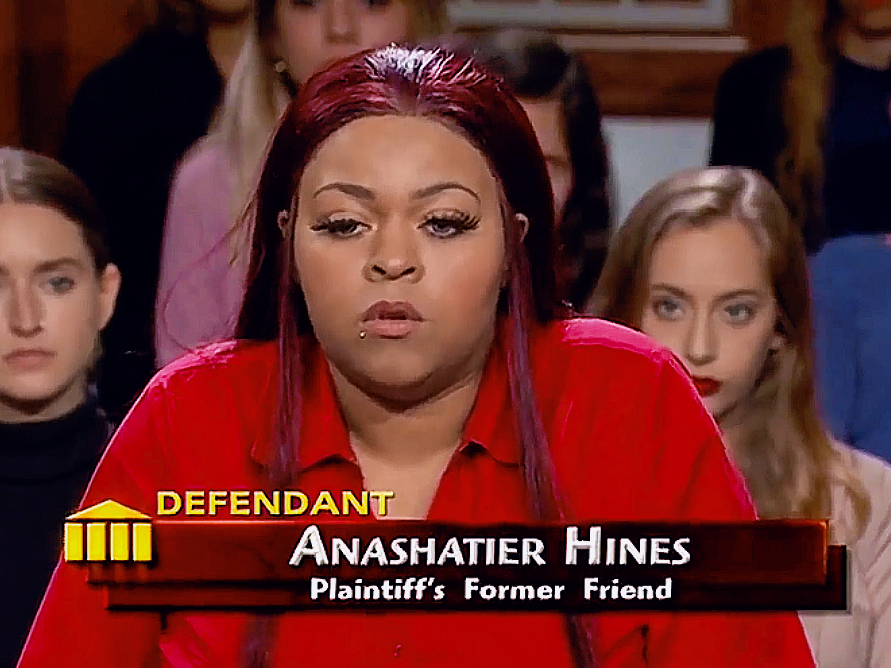
The courtroom record, as presented in the SRT, shows a friendship that once made an informal financial arrangement seem possible. It also shows how quickly an arrangement can become difficult to prove when the parties no longer agree on what they promised one another.
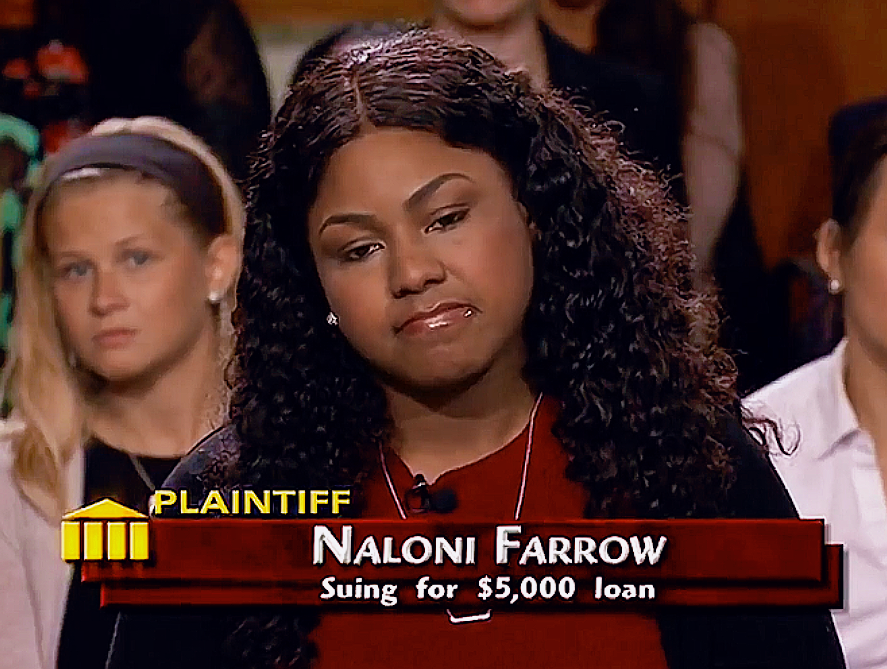
Farrow v. Hines: The Dodge Dart Dispute
Judge Judith Scheindlin begins with Hines’s employment and financial circumstances. Hines says she works for Handy in housekeeping and has done so for approximately three to four months. Before that, she worked at Mercy Serving Food from January until approximately April. Earlier, she worked full-time for BDC and earned about $1,200 per month. She says her credit score was around 600 and denies ever having filed for bankruptcy.
The questions then turn to the car dealership. Hines initially struggles to give a direct account of when she went there with Farrow. She first indicates September, then later says the visit occurred on October 1, 2017. She explains that both women were looking for vehicles, although Hines did not have a car and wanted something that could take her from point A to point B.
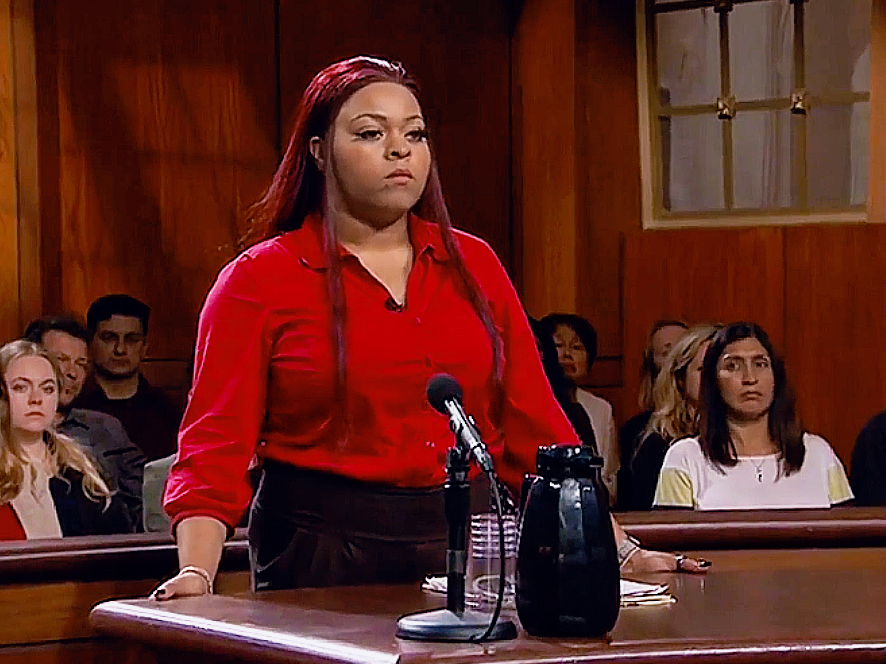
At the dealership, Hines says she learned that her credit was not strong enough to finance the vehicle in her own name. The car at issue was identified as a black 2016 Dodge Dart. Hines does not recall its price. She maintains that Farrow was also obtaining a vehicle that day, and that the two women discussed an arrangement under which Farrow would sign for the loan.
According to the account summarized by Judge Scheindlin, the title and loan would be placed in Farrow’s name because Hines’s credit made the financing more expensive or unavailable. The understanding, Farrow says, was that Hines would make the monthly payments and pay for insurance.
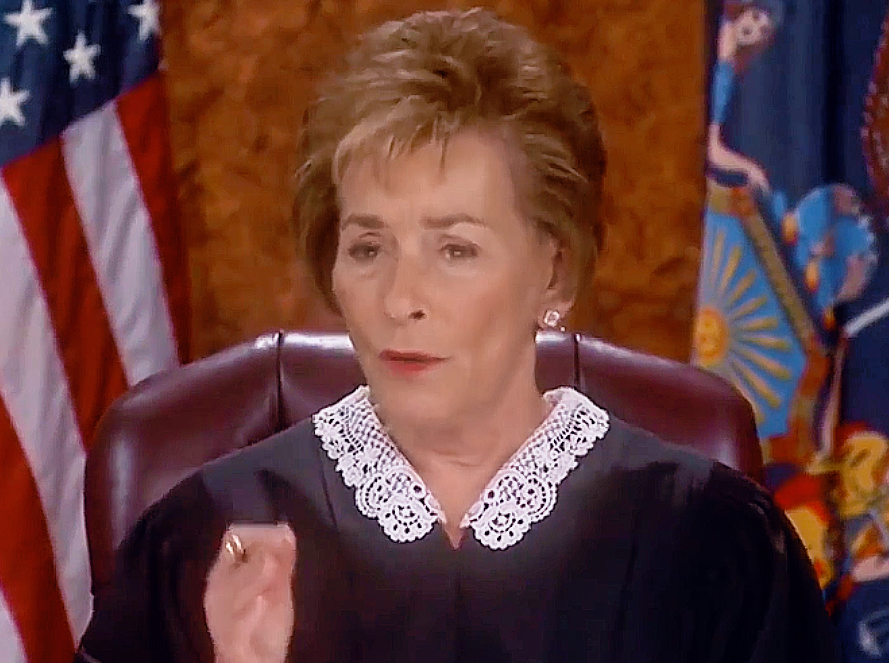
The Testimony Begins to Change
The judge’s central concern is not merely Hines’s memory. It is the difference between what Hines says in court and what she wrote in her sworn answer.
When asked whether she went to a dealership with Farrow, Hines eventually confirms that she did. She also confirms that she was not in a position to obtain a vehicle because of her credit. But when the court asks about the timing, her answers move between September and October. She acknowledges that she was driving a black 2016 Dodge Dart by October 15, 2017—roughly two weeks after the date she ultimately gives for the dealership visit.
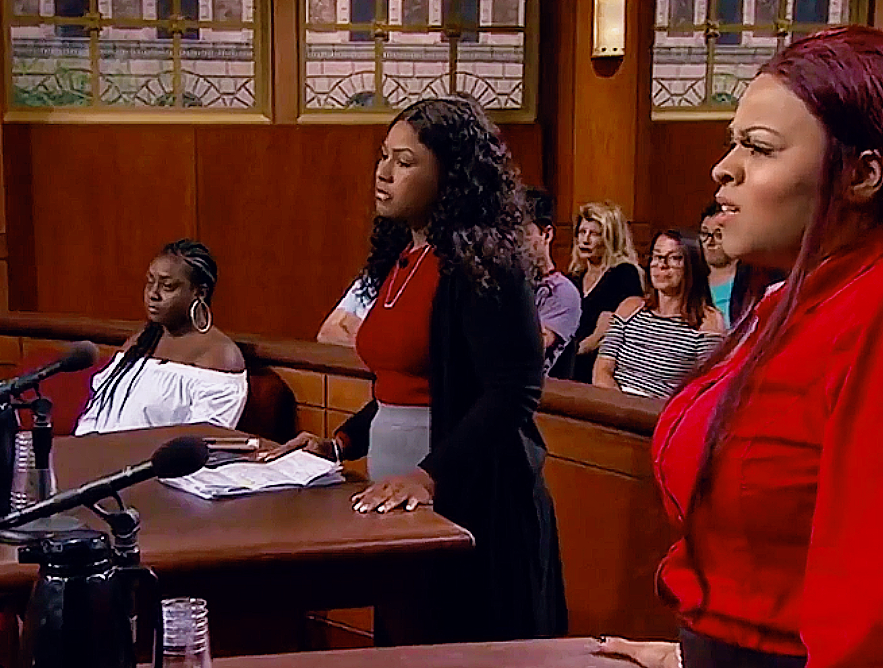
Judge Scheindlin points out that Hines’s sworn statement describes the situation differently. In that written account, Hines says Farrow had purchased a new car and did not want her family to know until she sold her old one. Hines says Farrow asked her to keep the vehicle at her home. Because they were best friends, Hines says she agreed. She also says Farrow told her she could use the extra vehicle while keeping it at her residence.
That version makes Hines a caretaker and permitted user rather than the purchaser. Her position is summed up in the line that the car was “never my car.”
But the arrangement still contains an important concession: Hines says she paid Farrow for insurance. She says she believed the vehicle was fully insured and that the arrangement benefited both women. The payment becomes significant because it suggests that Hines accepted at least some financial responsibility for the car, even while denying ownership.
The Totaled Car and the Remaining Balance
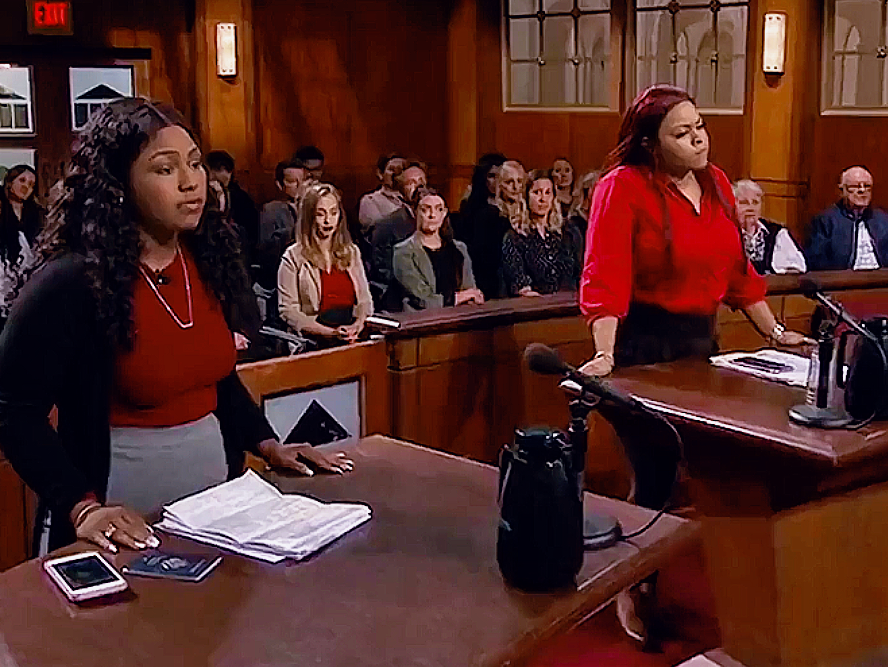
Hines says the vehicle was totaled in December after she hit a patch of black ice and crashed into a parked car. She says she felt terrible and told Farrow to make an insurance claim. The insurance payment covered part of the vehicle’s cost, but there was no gap insurance. Judge Scheindlin states that approximately $6,000 remained on the loan and that Farrow was still responsible for that balance.
The court then tests Hines’s account against the payment history. Hines confirms that she made a payment in November, but when asked how much she initially identifies the $320 payment as insurance. Asked about December, she says she made no payment because the vehicle had already been totaled and she no longer had it.

Hines also repeats that she was merely holding Farrow’s vehicle. Her argument is that the car was never registered in her name and therefore the remaining debt should not become her responsibility. Farrow’s position, as described in court, is the opposite: she helped Hines buy the car, signed for the loan, and expected Hines to cover the monthly obligations and insurance.
The judge rejects the idea that the ownership label alone settles the dispute. The testimony about the dealership, the payments, the use of the car, and the crash all point toward an agreement that existed outside the formal title documents.
The Ruling in the First Case
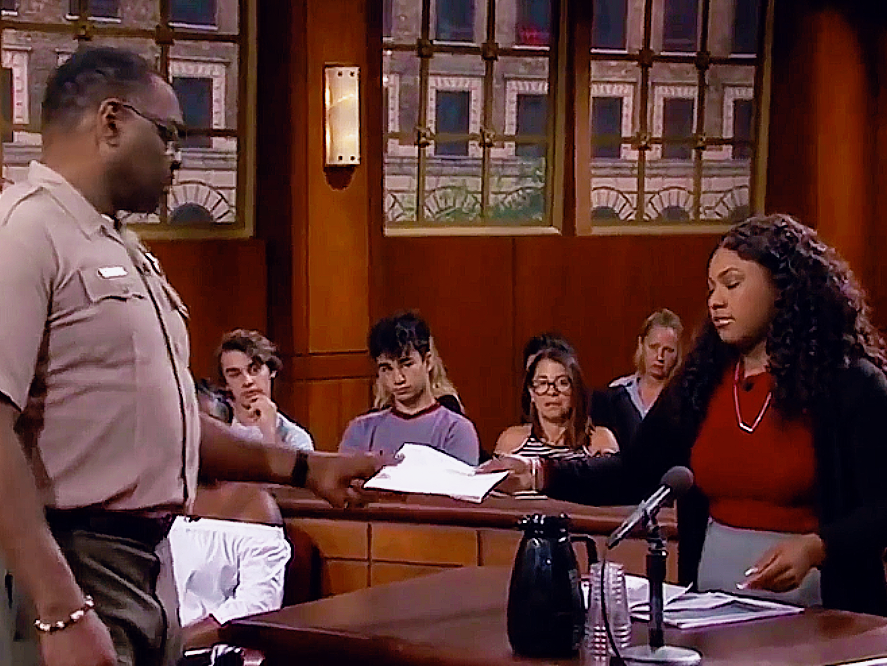
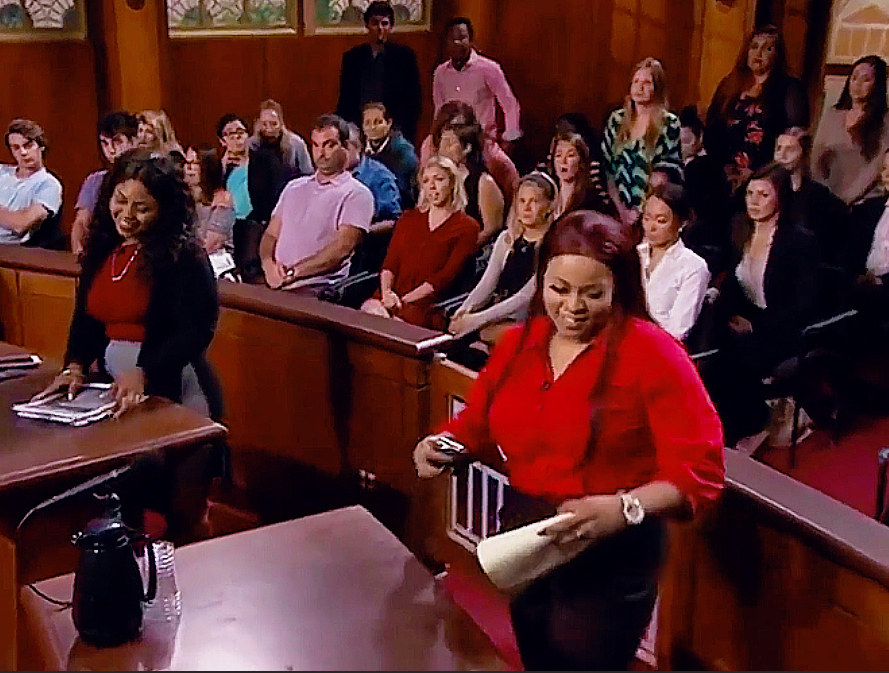
Hines’s harassment counterclaim is dismissed. Judge Scheindlin then rules for Farrow and orders Hines to pay $5,000.
The amount is lower than the approximately $6,000 balance described during the questioning, but the SRT does not provide a separate explanation for the difference. What it does make clear is that the court accepts Farrow’s core account: Hines used the vehicle under an arrangement that carried financial obligations, and the accident did not erase those obligations.
Hines reacts with surprise and later says she is grateful that Farrow bought her a vehicle, while also maintaining that she had only agreed to help “a little bit.” The exchange ends with the two former friends leaving the case behind, but not before the judge delivers a broader warning: helping someone who cannot help themselves can create consequences for the person who signs the paperwork.
Case Two : Gonzalez v. Gaston: A Ride to the Airport
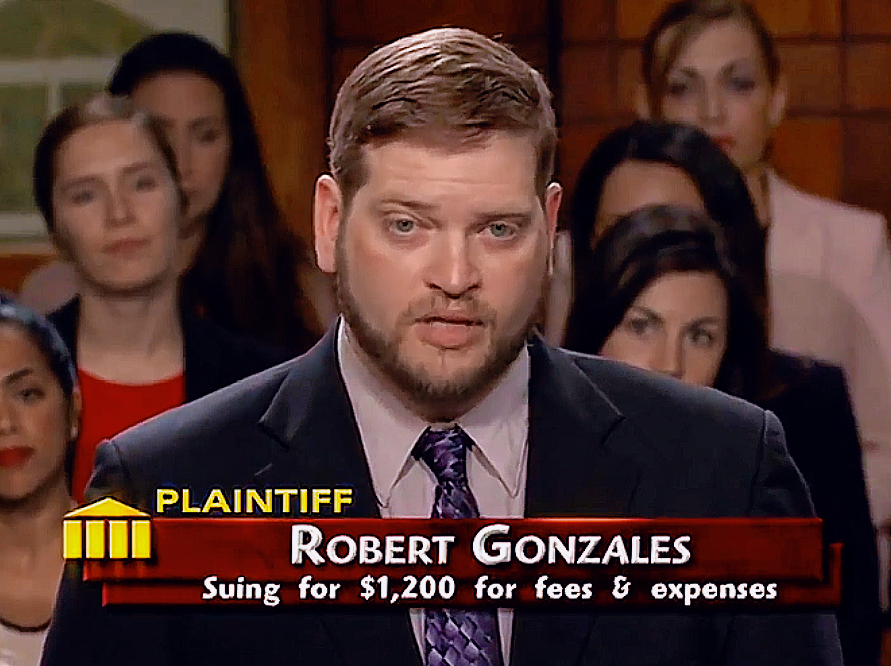
The second case involves former roommates Robert Gonzalez and Zeb Gaston. Gonzalez is suing Gaston for impound fees after Gaston was arrested for possession of drugs while driving Gonzalez’s car. Gonzalez also seeks moving expenses and punitive damages.
At first, Judge Scheindlin summarizes the case as a straightforward borrowing arrangement. Gaston drove Gonzalez’s car with permission. The car was impounded. Gonzalez wants Gaston to pay the cost of retrieving it. The additional claim is that the incident made it necessary for Gonzalez to move because he was involved in a custody dispute concerning his daughter and no longer believed he should live with Gaston.
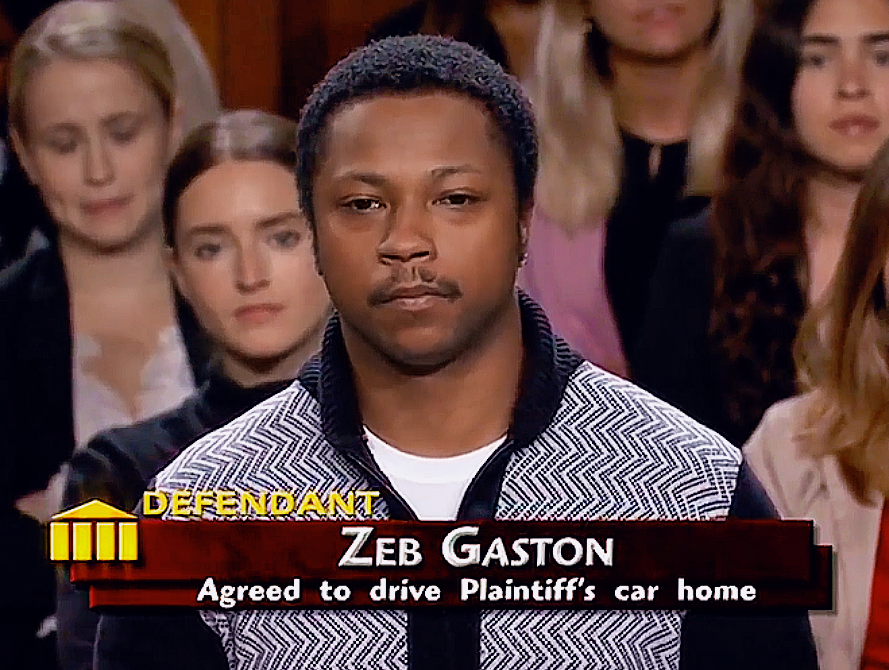
Gonzalez’s complaint provides a more specific setting. He says he was traveling to a funeral and had asked to take his daughter with him. The child’s mother, with whom he was not living, refused. Gaston then agreed to drive Gonzalez to the airport. Gonzalez says he drove to the airport, Gaston rode with him, and Gaston drove the car home afterward.
The problem came during that return trip—or, as the testimony later clarifies, after Gaston did not drive directly home. The vehicle was pulled over because its inspection sticker had expired.
The Expired Inspection and the Impound Fee
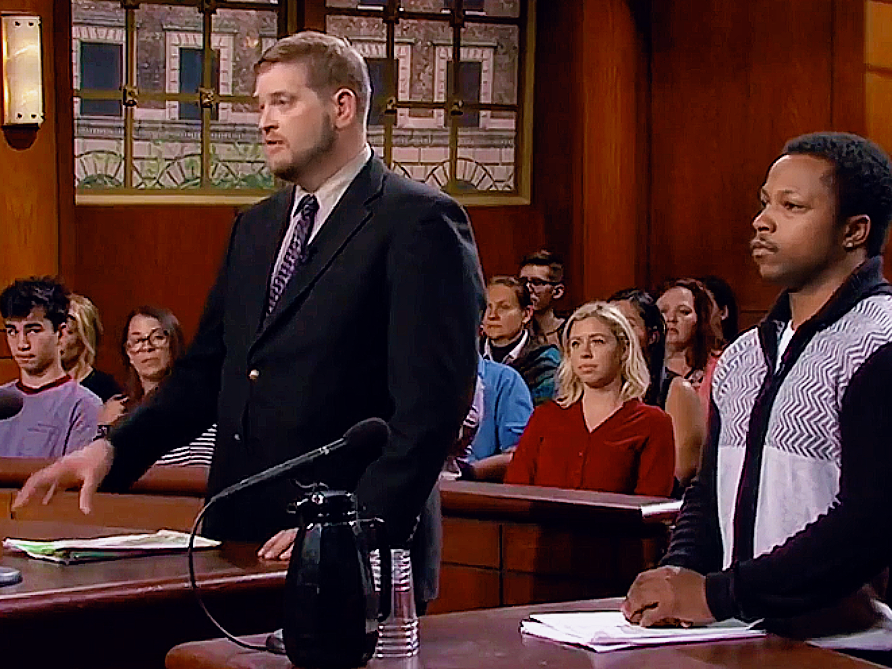
The condition of the vehicle becomes a major issue. Gonzalez says the car was registered and had current tags, but he also acknowledges that the inspection sticker was expired. The inspection had expired the previous year.
Judge Scheindlin explains that a vehicle with an expired inspection may not lawfully be driven on the street. Gonzalez attempts to separate the expired inspection from the impoundment, but the court focuses on the basic fact that the car should not have been on the road in that condition.
During the stop, police removed Gaston from the vehicle and searched it. Drugs were found inside. Gonzalez says he paid $350 to recover the car from the impound lot.
The courtroom does not establish that the expired inspection alone caused the impoundment. In fact, Judge Scheindlin says she has no idea whether the vehicle would have been impounded for that reason by itself. Gonzalez points to a police report and information he says came from the Rensselaer Police Department and the impound lot. The judge cautions that statements from those sources, offered in this manner, would be hearsay.
That distinction matters. A party may believe that officials explained why a car was impounded, but a courtroom decision must rest on admissible proof rather than an account of what someone else allegedly said.

Drugs Found in the Vehicle
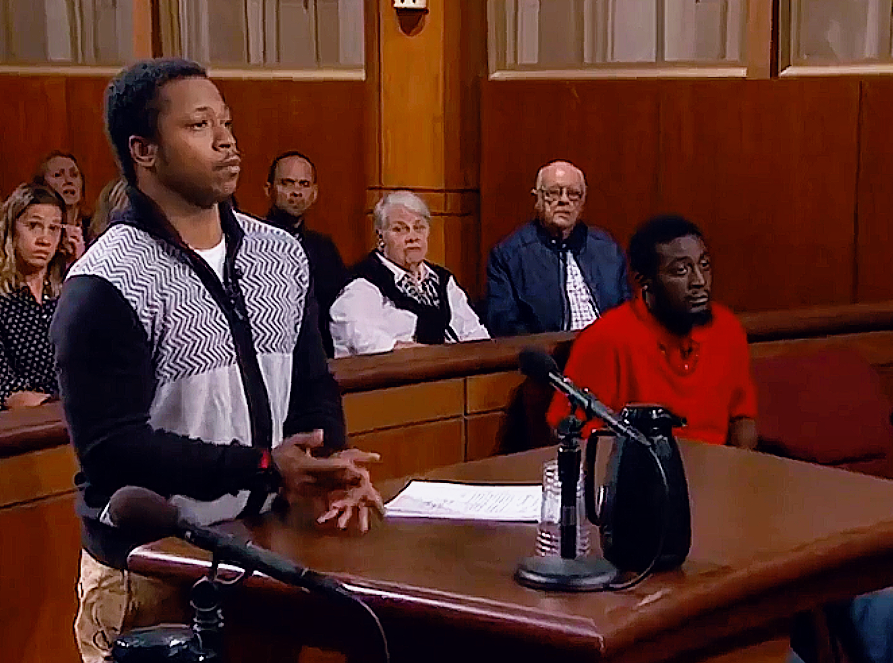
Gaston says police found a small amount of marijuana and a small amount of pills. He says the criminal matter was over and that he had received a misdemeanor for disorderly conduct. He also says Gonzalez was not charged and that his case was dismissed.
Gonzalez’s account, however, places greater emphasis on the circumstances surrounding the stop. He says the car was impounded after Gaston picked up another person and drugs were found in the vehicle. The SRT does not establish that Gonzalez knew about or possessed the drugs, and the court does not find him criminally responsible for them.
The case therefore turns on a narrower civil question: whether Gaston should be required to reimburse Gonzalez for the impound fee and the other costs claimed in the lawsuit.
A Claim for Moving Expenses
Gonzalez argues that the incident affected his living situation. Because of his custody dispute and the presence of drug use in the residence, he says he needed to find an independent place to live and seeks moving expenses from Gaston.
Judge Scheindlin draws a line between sensible advice and legal liability. She says Gonzalez’s lawyer gave good advice in suggesting that he might not want to live in a place where someone used pills and someone else used marijuana. Finding a separate residence may have been prudent. But the judge says that decision was Gonzalez’s to make and did not establish that Gaston owed him the cost of moving.
The court dismisses Gonzalez’s case. The proceeding ends without an award for impound fees, moving costs, or punitive damages.
Two Cases, One Recurring Question
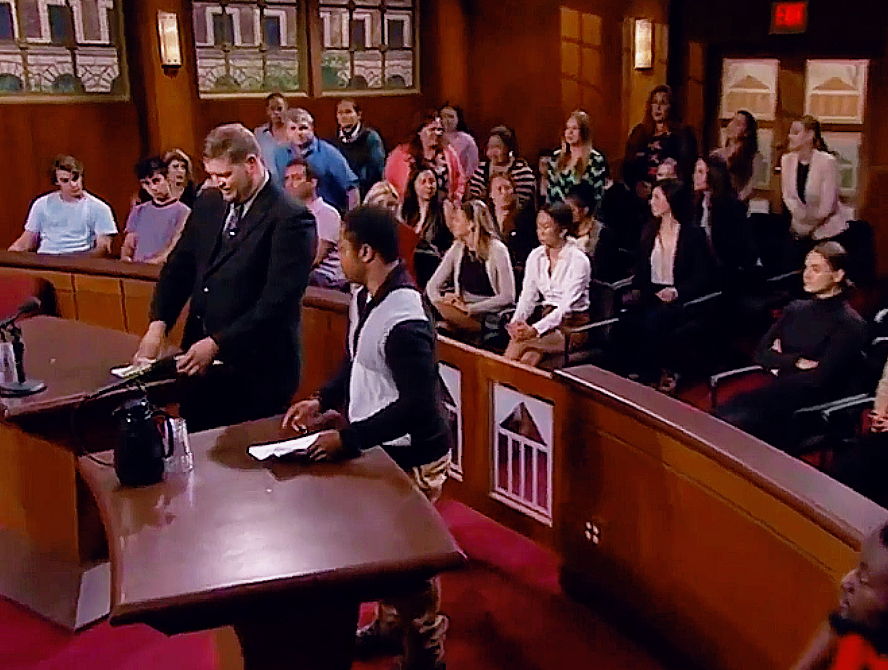
The two disputes involve very different conduct, but they share a central problem: informal arrangements became formal legal claims only after something went wrong.
In Farrow v. Hines, friendship led to a loan arrangement that left one person legally responsible for the debt and the other in possession of the vehicle. Once the Dodge Dart was totaled, the parties disagreed about whether the driver was a buyer, a borrower, or merely someone storing a friend’s car.
In Gonzalez v. Gaston, permission to drive a vehicle created an opportunity for an impound fee, a criminal case, and a dispute over the consequences of an expired inspection. The court was not asked to decide whether the roommates’ living arrangement was wise. It was asked whether the available proof connected Gaston legally to Gonzalez’s claimed losses.
Together, the cases show why verbal promises and friendly favors can become dangerous when money, vehicles, insurance, and personal instability overlap. A title may identify the registered owner, but it does not necessarily describe every promise made between the people involved. At the same time, a person seeking reimbursement must prove more than anger, suspicion, or information received outside the courtroom.
The episode ends with a preview of another argument over the impounded vehicle. One side says the car was taken because the driver picked up a drug dealer friend and had drugs inside. The other denies selling narcotics. The preview leaves the accusation unresolved; the cases covered here end with the rulings already delivered: judgment for Farrow in the first dispute, dismissal for Gonzalez in the second.
FAQ
What was Nalani Farrow suing Anashatir Hines for?
Nalani Farrow sued Anashatir Hines over the unpaid balance on a car Farrow helped her obtain. The vehicle, a black 2016 Dodge Dart, was later totaled after Hines said she hit black ice. The insurance payment did not cover the entire loan.
How much did Judge Judy order Anashatir Hines to pay?
Judge Judith Scheindlin ruled for Nalani Farrow and ordered Anashatir Hines to pay $5,000. Hines’s harassment counterclaim was dismissed.
What happened to the Dodge Dart?
According to Hines’s testimony, she crashed the 2016 Dodge Dart into a parked car after hitting black ice in December. The vehicle was totaled, and approximately $6,000 remained on the loan after insurance paid part of the cost.
Why did Robert Gonzalez sue Zeb Gaston?
Robert Gonzalez sued former roommate Zeb Gaston for a $350 impound fee, moving expenses, and punitive damages. Gaston had been driving Gonzalez’s car when police stopped him and found marijuana and pills in the vehicle.
Why was Gonzalez’s case dismissed?
The court dismissed Gonzalez’s case. Judge Scheindlin questioned the proof connecting Gaston to the claimed losses and noted that Gonzalez’s decision to move to an independent residence was his own, even if his lawyer’s advice was sensible.
Did the SRT establish that Robert Gonzalez was charged with a crime?
No. The SRT states that Gonzalez was not charged and that his case was dismissed. It says Gaston had a misdemeanor involving disorderly conduct.