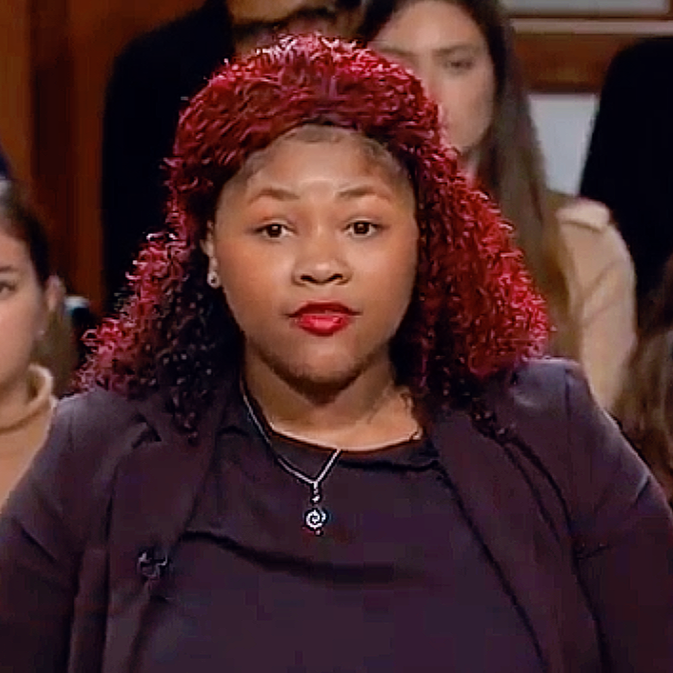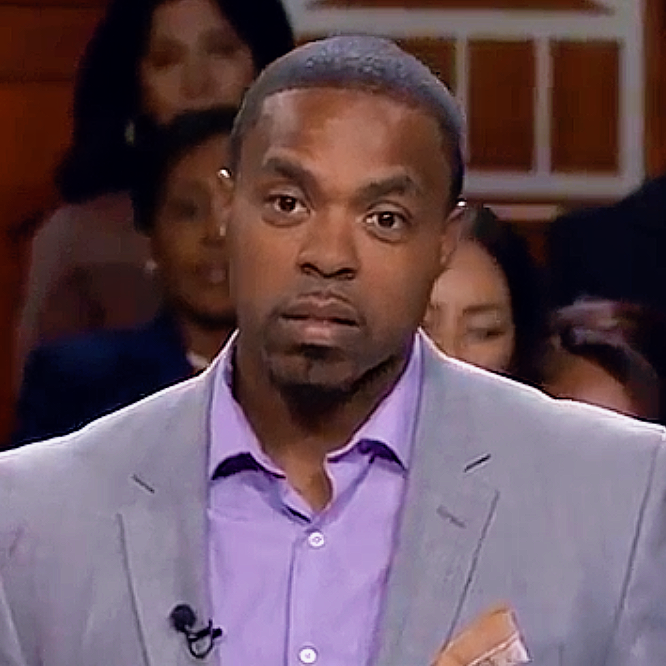
The dispute began with a missing paycheck and ended with Judge Judy questioning whether a workplace harassment accusation had been supported by evidence. In a tense courtroom exchange, Elena Menz asked for unpaid wages from her former employer, Bartholomew Ben Israel. Ben Israel answered with a counterclaim involving cleaning equipment, lost business, slander, and allegations that Menz had misrepresented their relationship. By the end of the hearing, Menz received nothing, while Ben Israel was awarded $1,036—not the $5,000 he had sought.
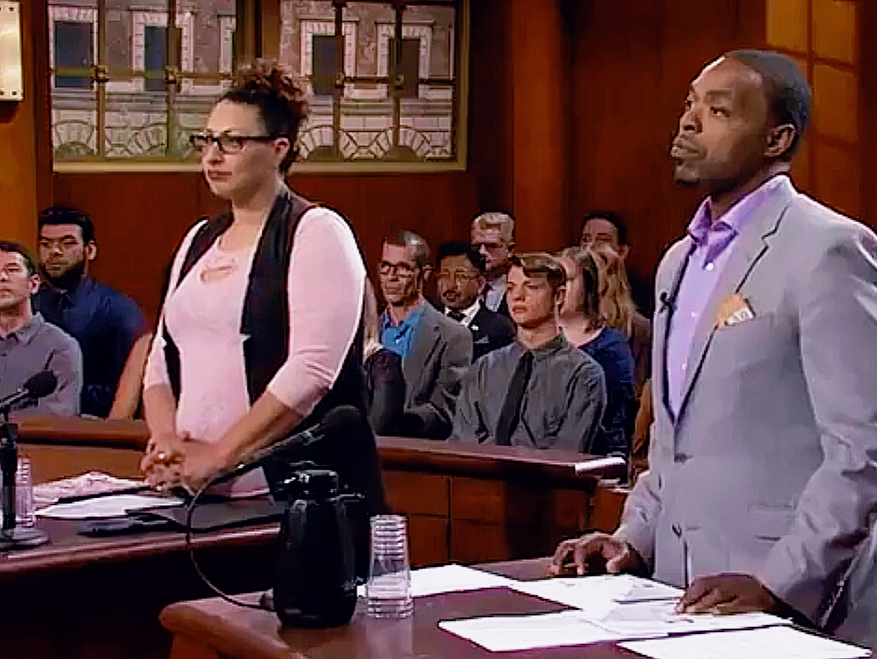
The employment dispute begins
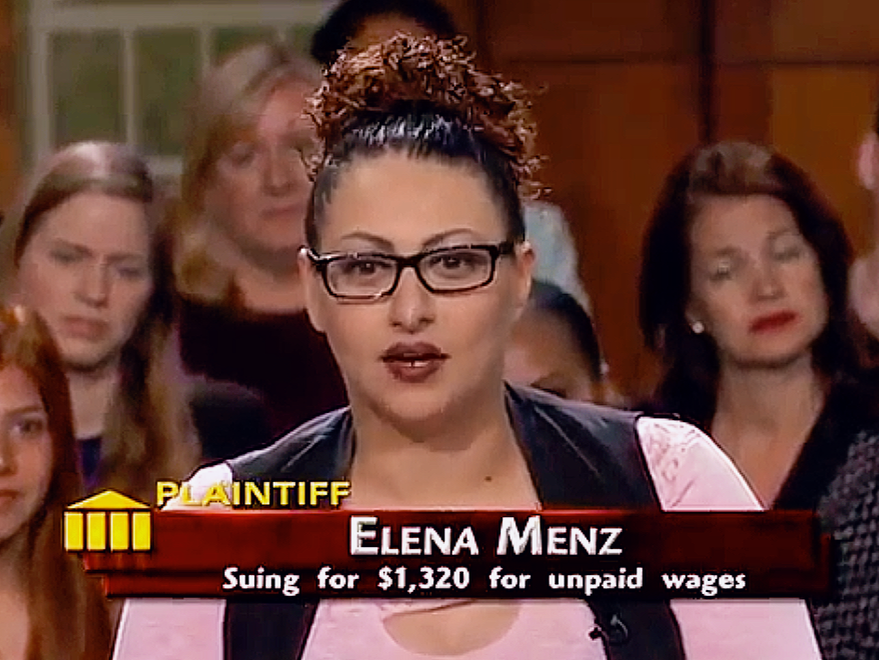
The hearing opened as Menz v. Ben Israel, case number 20. Elena Menz was suing her former employer, Bartholomew Ben Israel, for unpaid wages. Ben Israel operated a house-cleaning service that connected clients with employees who cleaned private homes.
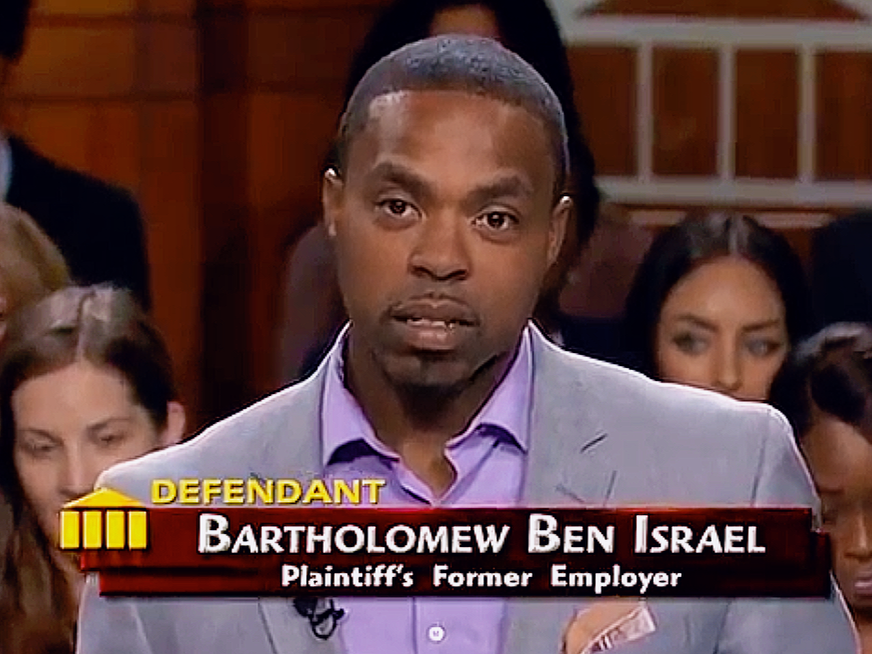
Menz had worked for the company at an hourly rate. According to the hearing, she later asked for a raise, and Ben Israel agreed to increase her pay to $14 per hour. Judge Judy also addressed an instruction that Menz should not tell other employees about the raise because their hourly rates were not necessarily being increased.
That detail established the central tension in the case: Menz said the company still owed her money, while Ben Israel disputed the claim and filed a counterclaim of his own.
A counterclaim over equipment and lost business
Ben Israel’s counterclaim had several parts. He said Menz still possessed company cleaning equipment, including a uniform. He also claimed that the company lost a client after Menz stopped working for him. The client, Judge Judy was told, had been assigned to Menz and canceled service after Ben Israel fired her.
Ben Israel described the lost business as part of a slander claim. He referred to an email from a client concerning Menz’s departure and her allegation that she had not been paid overtime. Judge Judy examined whether that statement could legally amount to slander.
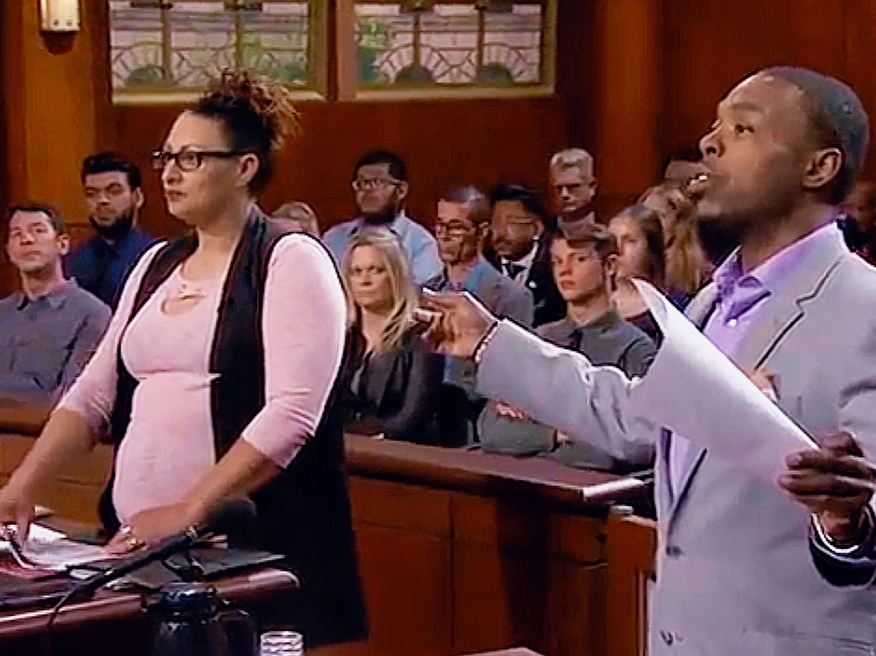
Her response was direct. The statement described a wage dispute. It did not accuse Ben Israel of an inherently criminal or gross act. Judge Judy explained that Menz was allowed to tell people she believed she had been fired after asking for overtime and that she believed overtime had been refused. Whether she was legally entitled to overtime was a separate question of fact. It did not automatically make the statement defamatory.
Judge Judy therefore rejected that part of Ben Israel’s counterclaim and moved the hearing back to the question of wages.
The unpaid April pay period
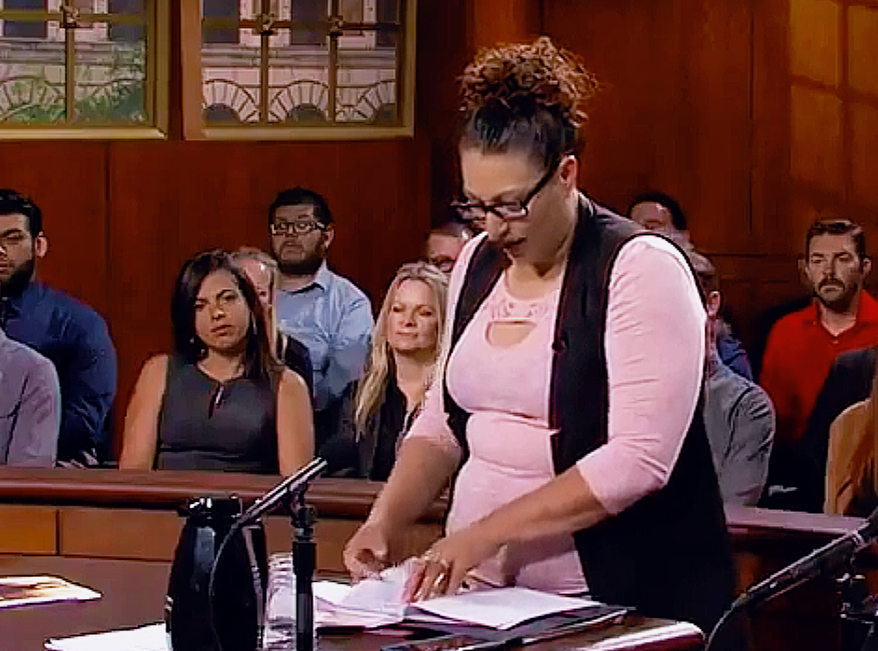
Menz said she had been hired shortly after Christmas in 2017 and had not worked for Ben Israel for a long period. The unpaid period under discussion was the April 9 through April 19 pay period. Menz’s timesheet showed work on April 9, 10, 11, 12, 13, 16, 17, 18, and 19. After April 19, she did not work for the company again.
Judge Judy repeatedly asked Ben Israel for proof that the wages had been paid. Menz said she had been paid by personal check in other circumstances, while Ben Israel said she had received a company check. The judge asked why the relevant check, checkbook, or canceled-check copy had not been brought to court when the dispute centered on whether Menz had been paid.
The hearing became increasingly focused on documentation. Menz had a copy of her timesheet. Ben Israel had the opportunity to show a payment record. But the transcript does not show him producing proof that the April 9–19 work had been paid.
When Judge Judy asked what wage had been agreed upon after the raise, the answer was $14 per hour. Menz reported working 73.45 hours during the relevant period. The transcript then records Judge Judy announcing a judgment of $1,036 for the plaintiff. She asked whether any of those hours qualified for an additional dollar for deep cleaning, but Menz could not show written proof establishing that extra rate.
At that point, the wage portion of the case appeared settled. Judge Judy had announced judgment for Menz in the amount of $1,036, but the hearing was not over. Ben Israel’s counterclaim—and the disputed social-media accusation—still had to be addressed.
When the hearing turns to harassment allegations
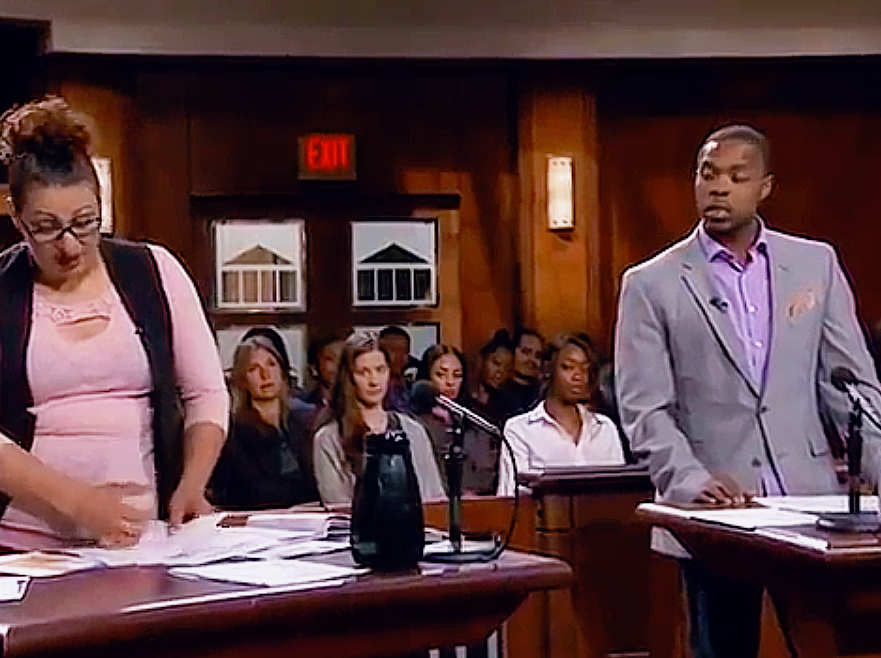
The case changed direction when Ben Israel raised Menz’s social-media statements. He said she had posted that he fired women who refused his sexual advances. Judge Judy immediately treated that allegation differently from the earlier discussion about unpaid overtime.
Menz confirmed that Ben Israel had made sexual advances toward her. She said the incident occurred during a dinner within the first couple of weeks of her employment. Another female employee was present, and the dinner was described as a company-related celebration. Menz said Ben Israel had been drinking and had touched her in a way she found uncomfortable.

Judge Judy pressed Menz on what she meant. Menz described touching that she initially interpreted as possible accidental contact connected to drinking. She continued working for Ben Israel afterward. Judge Judy challenged the gap between Menz’s description of the dinner and the seriousness of the public accusation.
The judge emphasized that genuine sexual-harassment allegations should be taken seriously. She also said that unsupported or exaggerated claims can diminish the credibility of real harassment complaints. The distinction mattered: the courtroom was not deciding whether every uncomfortable interaction should be ignored. It was deciding whether Menz had presented reliable evidence to support the specific claims used in her public accusation and in Ben Israel’s counterclaim.
The evidence Judge Judy examined
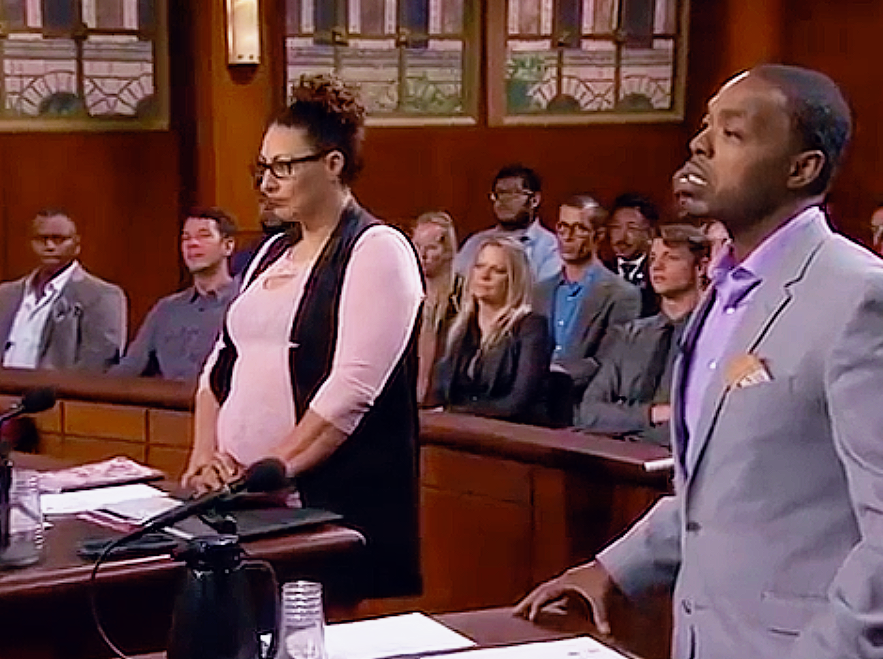
Menz said Ben Israel had sent her inappropriate pictures. When Judge Judy asked to see them, the evidence turned out to be a shirtless image. Judge Judy said the picture was not, by itself, an inappropriate image. She did, however, describe sending such a picture to an employee as inappropriate and foolish.
The key issue was how the picture reached Menz. Ben Israel argued that the image came from his Facebook page and that Menz had taken screenshots rather than receiving private messages from him. Judge Judy asked Menz to demonstrate where he had sent the pictures. Menz said she had deleted the original images and could not produce the message exchange.
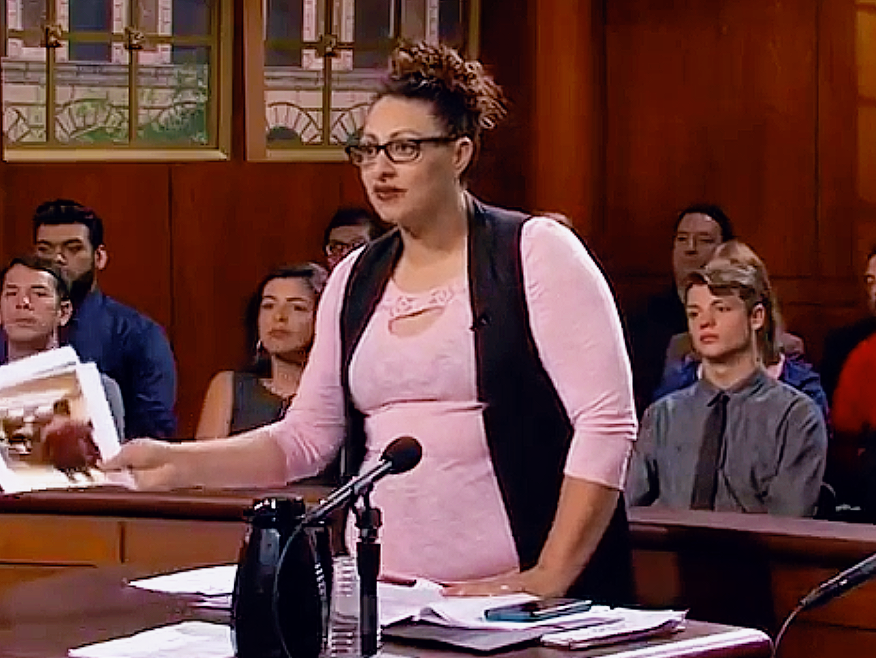
Ben Israel then presented screenshots and claimed Menz had taken photographs from his page, sent them to herself, and presented them as though he had directly sent them. Judge Judy asked whether he was alleging that Menz had constructed the evidence to set up the case. Ben Israel agreed.
The transcript records Judge Judy describing the moment as “checkmate.” She concluded that Menz had not established the private-message claim in the way she had presented it. The judge then connected the lack of supporting evidence to the consequences of Menz’s social-media accusation.
The final ruling
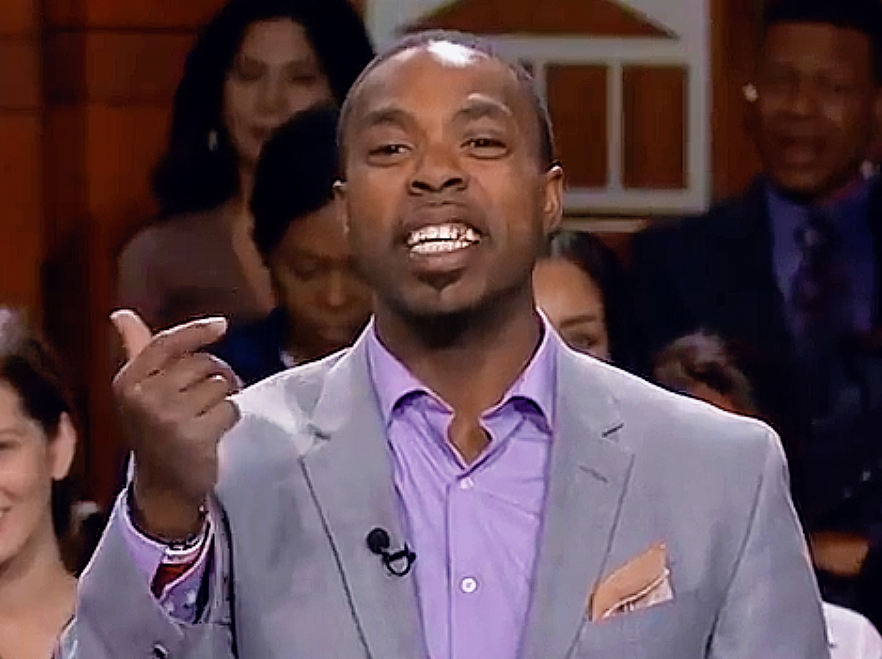
Judge Judy told Menz that the unsupported accusation and the way she described the picture would cost her the wage award. The result was that Menz did not receive the $1,036 previously announced for the unpaid April work. Ben Israel was not required to pay her anything.
The judge did not award the full amount Ben Israel had sought. Near the close of the hearing, she clarified that he would not receive $5,000. She did, however, award him $1,036 on the counterclaim. Judge Judy also told Menz that she owed him an apology for what she had said.
The hearing illustrates how quickly a straightforward wage dispute can become more complicated when public accusations and contested digital evidence enter the courtroom. The transcript records an initial wage judgment for Menz, a later reversal of that result, and a final $1,036 award to Ben Israel on his counterclaim. It does not establish any criminal finding against either party. This was a televised civil dispute, and the allegations were evaluated within that proceeding.
FAQ
Who sued whom in the Judge Judy case?
Elena Menz sued her former employer, Bartholomew Ben Israel, for unpaid wages. Ben Israel filed a counterclaim involving cleaning equipment, lost business, slander, and allegations connected to Menz’s public statements.
How much did Elena Menz claim in unpaid wages?
The hearing discussed a claim of $1,036 for work during the April 9–19 pay period. Menz said she had worked 73.45 hours, and the agreed hourly rate discussed in court was $14.
Did Judge Judy award Menz the $1,036?
No. Judge Judy initially announced judgment for Menz, but the later evidence dispute changed the final result. Menz received no payment.
What did Bartholomew Ben Israel claim about the social-media post?
Ben Israel said Menz posted that he fired women who refused his sexual advances. He argued that the post harmed his reputation and business.
Did the hearing prove that Ben Israel sexually harassed Menz?
The transcript records Menz’s allegation and her description of a dinner where she said Ben Israel touched her uncomfortably. Judge Judy questioned the evidence and did not treat the account as sufficient to support the broader accusation presented in the case.
What happened to Ben Israel’s $5,000 counterclaim?
Judge Judy did not award the requested $5,000. She awarded Ben Israel $1,036 instead and told Menz that she owed him an apology.