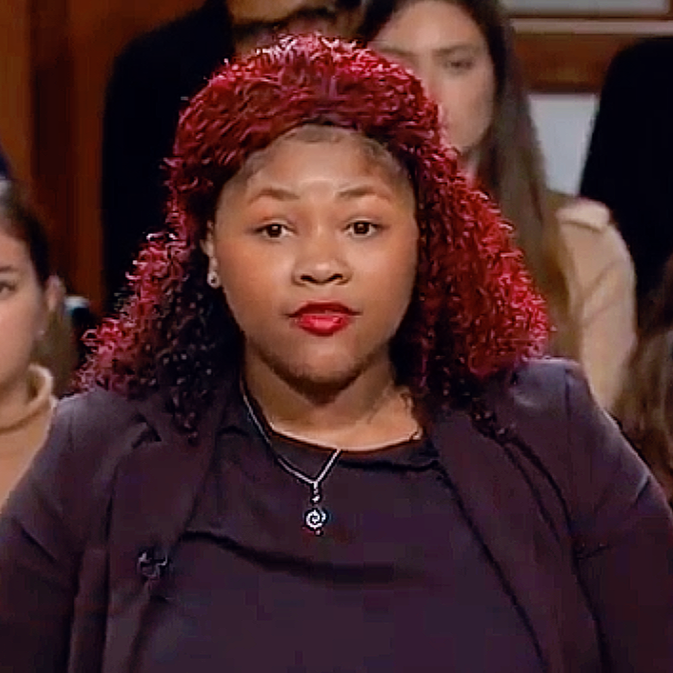
“What do you expect them to do?” Judge Judy asked after hearing that a mobile home had burned while the buyers had already paid in full but had not yet moved in. The question set the tone for the first dispute. In the next case, a breakup left a dog named Midnight, a fishing pole, a kitchen table, and a promise ring caught in the middle. Both matters reached the courtroom with competing accounts, but the decisive questions were narrower: who
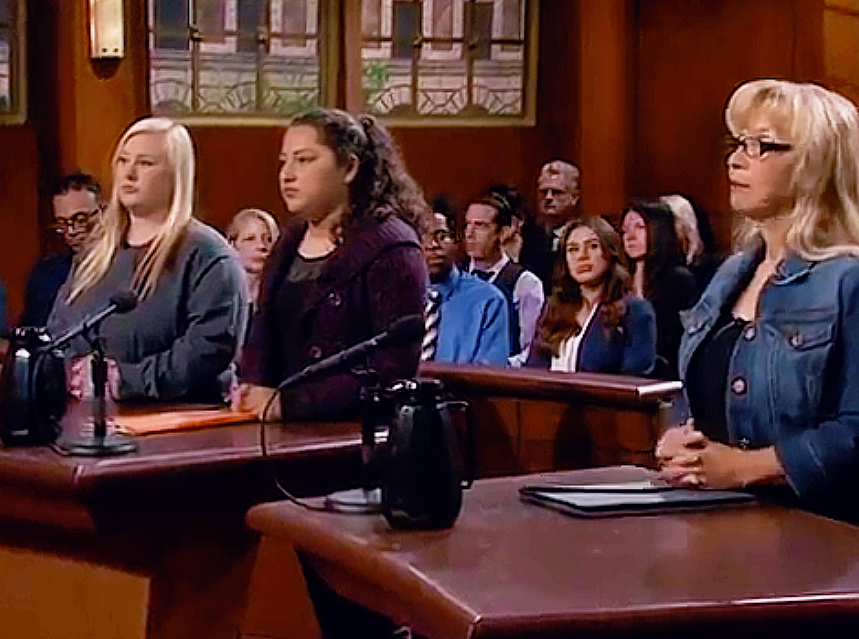
Case One : The trailer sale that ended in a fire
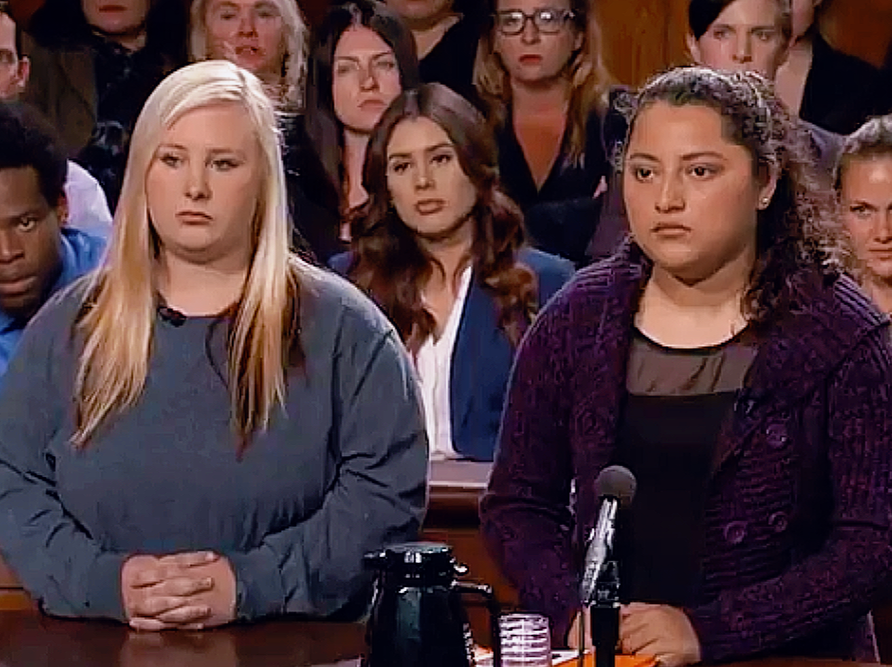
The opening case, identified in the transcript as Eastless-Rodriguez versus Duncan, concerned an agreement to sell a mobile home for $4,000. The plaintiffs were introduced as 18-year-old Karina Eastless and her sister-in-law, 20-year-old Brittany Rodriguez. The defendant was Angeli Duncan, the former owner of the trailer.
Duncan testified that she had begun selling the mobile home around December or January. She had not placed a newspaper advertisement. Instead, she had spoken with a neighbor across the street, and she assumed the neighbor connected her with the buyers. The parties agreed on a price of $4,000.
Duncan had purchased the trailer approximately two years earlier from a neighbor named Jamie for $4,500. At the time, Duncan said, she and her six-year-old granddaughter lived there. She decided to sell because she wanted to leave the trailer park and move to Cabot, Arkansas, where her sister lived. She then purchased another trailer for $2,800.
That sequence became important. The buyers had paid the full $4,000, but Duncan remained in the original trailer because the replacement home was not ready. The court established that the plaintiffs had completed their end of the agreement. Duncan also acknowledged that she had not moved out on time and had asked for more time.

The dispute became more serious when the original trailer burned down. According to the questioning, the fire occurred while the plaintiffs had already paid in full but before they had received possession. Duncan rejected the suggestion that she had removed appliances or furniture before the fire. She said some items had been destroyed or damaged by smoke.
The transcript does not establish that Duncan caused the fire. The later discussion states that the fire department attributed it to something involving the dryer’s mechanical components. The case, however, was not ultimately decided on whether Duncan had started the fire. It was decided on who had responsibility for the property at the time the contract remained incomplete.
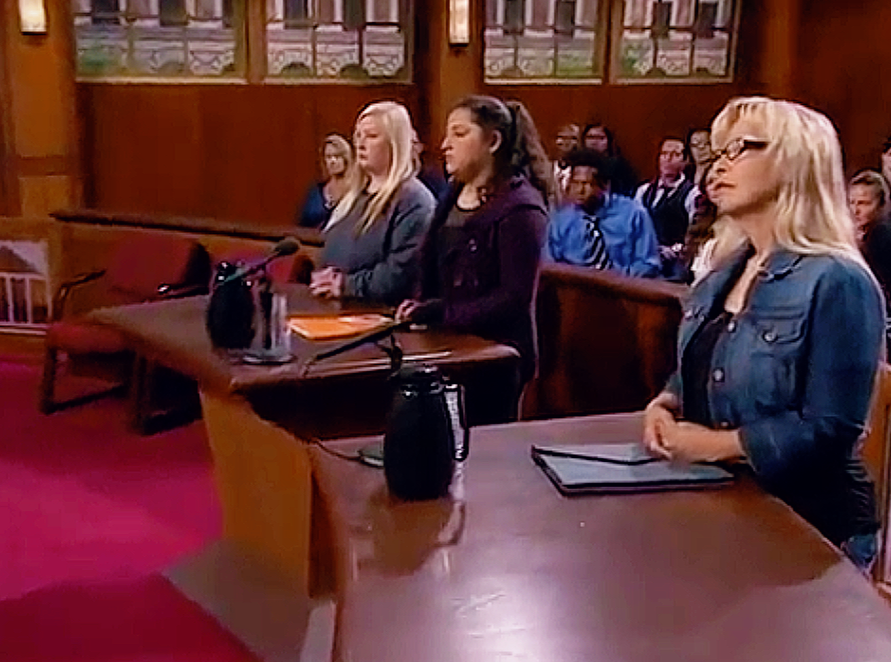
Why the $4,000 payment became the central issue
Judge Judy asked Duncan whether the trailer had been insured. Duncan said there had been no insurance on that trailer and no homeowners insurance on any property. The absence of insurance left the payment and the failed transfer at the center of the case.

Duncan explained that she had spent the money while waiting for the replacement trailer to become habitable. She referred to motel expenses connected with problems involving the water and hot-water heater. The questioning also focused on the $2,800 used to purchase the new trailer and the remaining amount from the buyers’ payment.
The transcript captures a sharp disagreement about what happened after the fire. The plaintiffs said they asked for their money back. They testified that Duncan said she did not have the money because she needed somewhere to live and preferred to live in something rather than return the payment. They said Duncan’s statement was relayed through a police officer.
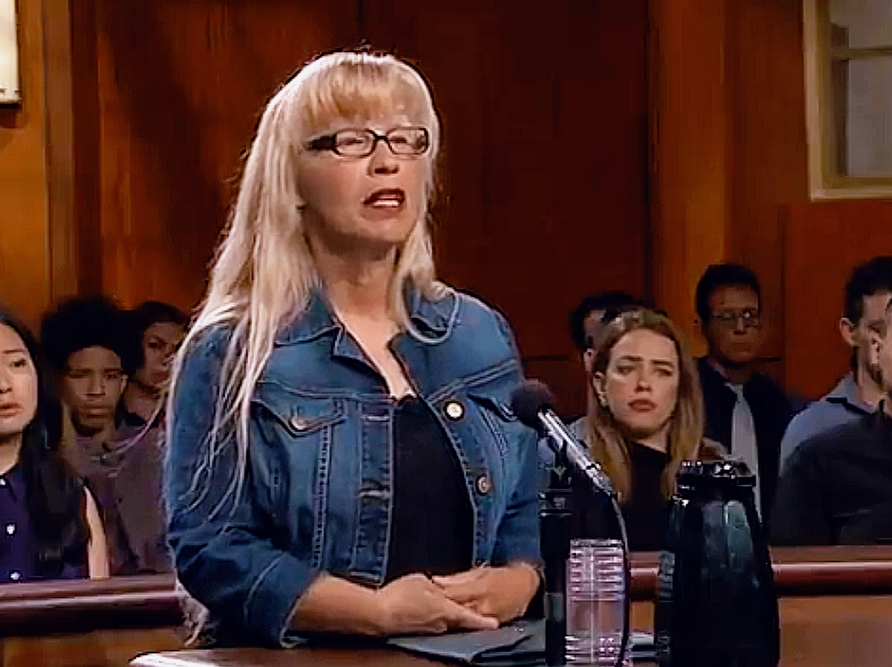
Duncan described the conversation differently. She said someone told her there was a problem with money owed and that she would speak with an attorney to work it out. Her position was that the fire was not her fault. Judge Judy drew a distinction between fault for the fire and responsibility under the agreement: even if Duncan had not caused the fire, the court reasoned, she had not moved out when she was supposed to.
The buyers said they went to court on June 1, the same day the trailer burned. Duncan initially suggested that the lawsuit came before they asked for the money, but the plaintiffs disputed that account. The exchange underscored how quickly the conflict moved from a private sale to a formal claim.
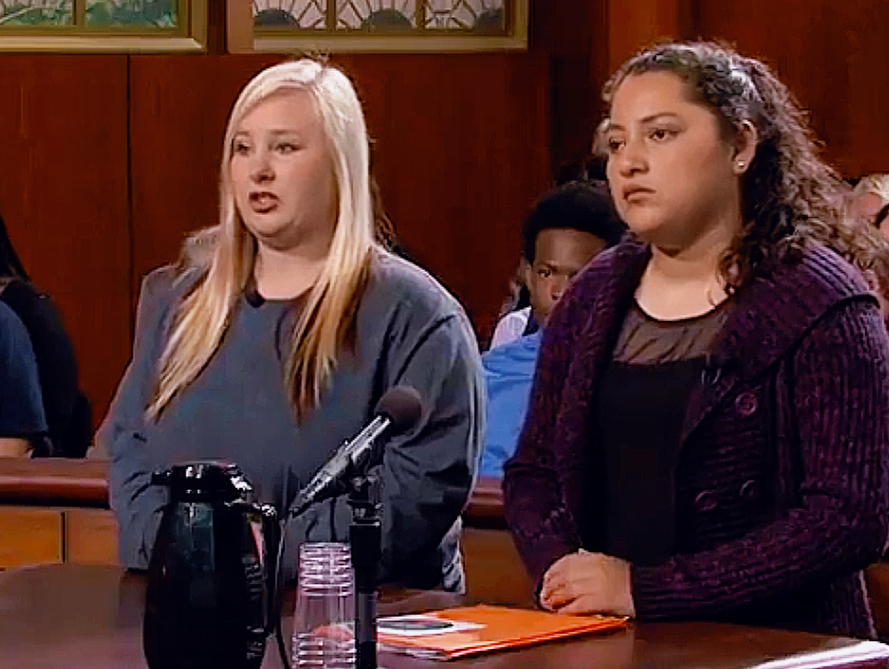
The ruling in Eastless-Rodriguez v. Duncan
Judge Judy ruled for the plaintiffs in the amount of $4,000. The reasoning presented in the transcript was direct: the buyers had fully paid for the mobile home, while Duncan remained in possession and had not completed her move. Because the transfer had not been completed, the court placed the resulting loss on Duncan rather than on the buyers.
In the post-hearing remarks, the parties interpreted the result differently, the parties offered sharply different reactions. Duncan said the plaintiffs had agreed to allow additional time because of medical conditions. The plaintiffs said they had waited for roughly 52 days, not merely two weeks, and that Duncan had been given an opportunity to leave. They also repeated that the fire department had identified a mechanical issue involving the dryer.
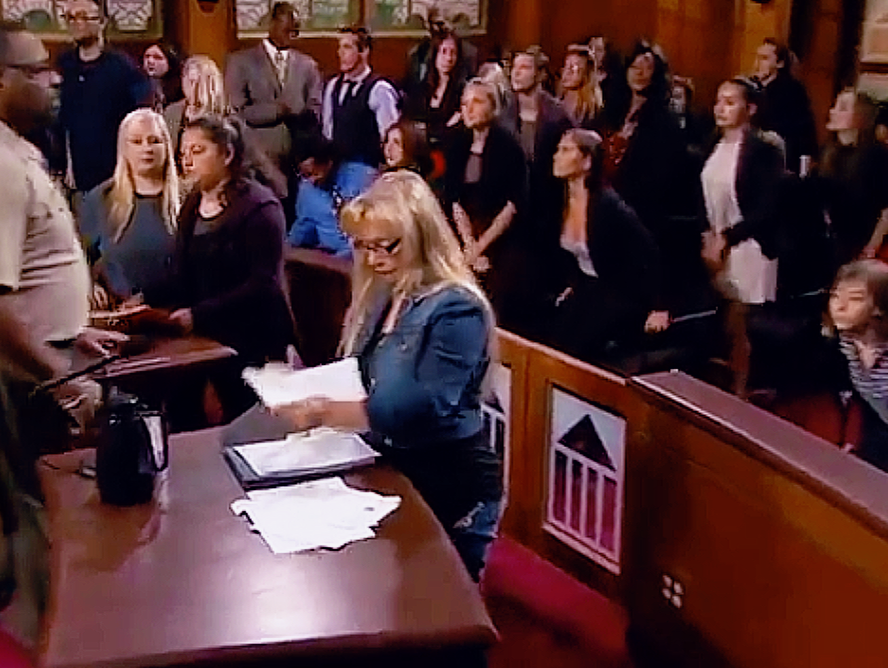
Case Two : A breakup, a dog, and competing claims
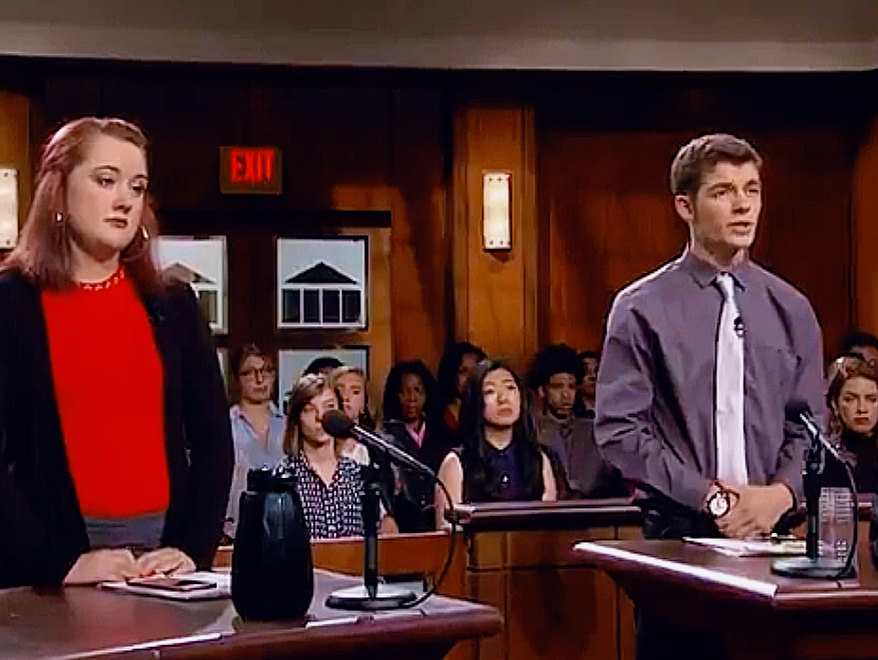
The next matter was Scouten versus Thompson. The plaintiff was introduced as 21-year-old Darius Scouten, who sued her former boyfriend, 19-year-old Logan Thompson. The claims involved the return of Scouten’s dog and personal belongings, as well as what the transcript called a forced eviction. Thompson filed counterclaims involving veterinary bills, adoption fees, and the return of a promise ring.
Scouten and Thompson said they had been in a relationship from May 2016 until February 2018. They began living together around July 2016. The dog, Midnight, entered their lives in January 2017 after being obtained from the Humane Society in Saint Cloud, Minnesota.
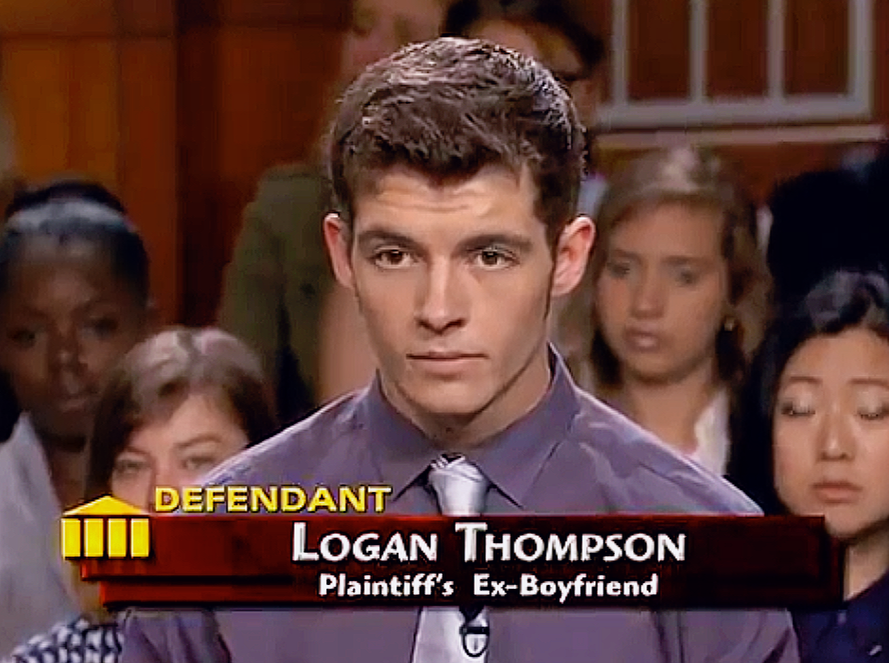
When Scouten left in February 2018, Midnight stayed with Thompson. Scouten said there had been an agreement that she would be able to see the dog, but the transcript indicates that Midnight remained in Thompson’s possession for approximately five months by the time of the hearing.
The judge questioned both parties about their current living arrangements and schedules. Scouten worked full time as a home health aide. Thompson worked full time as the business manager of a mobile station and service shop. Scouten lived with a roommate in Minnesota; Thompson lived with his parents, where another dog and a cat were present. He said Midnight got along with them and that his mother was home during the day.
The judge noted that both parties had shared responsibility for Midnight. Thompson said he had paid veterinary bills, while Scouten said she had also paid some expenses.

What the court decided about Midnight
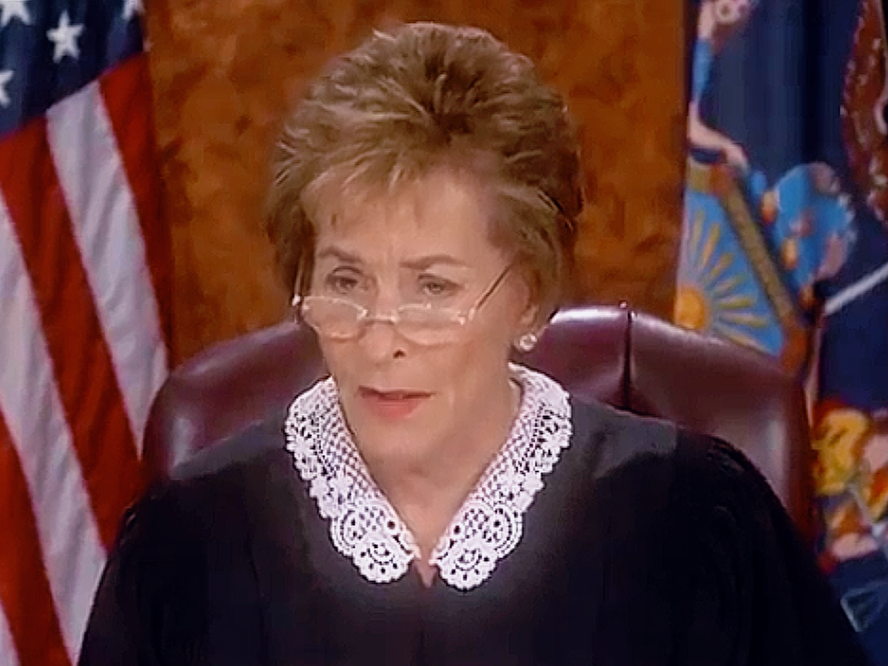
Judge Judy decided that Midnight would remain with Thompson. The stated reasons were practical rather than punitive. Midnight had been living with Thompson for five months, had a companion during the day, and appeared to be settled in that home. The judge also said that neither party had a greater claim than the other based on the information presented.
That decision ended the custody portion of the dispute, but it did not end the testimony. Scouten continued to seek the return or value of personal belongings. She identified a fishing pole and a kitchen table among the items she said Thompson had withheld.

The table had been purchased for $200, with the couple splitting the cost. Thompson had sold it for $50 to a friend who needed a kitchen table. The court reduced the relevant claim to the amount Scouten was entitled to receive from that sale. The fishing pole raised a separate question. Thompson said he had bought it as a gift for Scouten. Judge Judy treated a gift as belonging to the recipient, even though it had been purchased by the other partner.
The promise ring was analyzed in the same way. Thompson had a receipt and argued that the relationship had ended. Judge Judy rejected that reasoning. If the ring had been given as a gift, the end of the relationship did not automatically turn it back into Thompson’s property. The transcript records Thompson agreeing to return it.
The brownies allegation and the limits of proof
The most emotionally charged part of the second case concerned an allegation that Midnight had been exposed to marijuana through brownies or oil. A witness named Kayla Rich testified that she began speaking with Logan in February and entered a relationship with him around the middle of April.
Rich said that on April 20, after she returned from a concert, Midnight appeared to be very high and was vomiting. Rich said Thompson had made marijuana brownies earlier that day. She also testified that Thompson had stayed in her apartment for about a month because his mother did not want Midnight at her house. Rich further described allegations involving LSD and said Thompson had appeared mentally unstable and had made statements about suicide.

The testimony was contested. Thompson denied that Midnight had ingested something he made. He said he was not sure how Rich could have reached that conclusion because she had not seen Midnight that day. Rich said she had screenshots of text messages dated April 20 at 8:10 p.m. and a photograph suggesting that another dog, Max, had also received some of the oil.
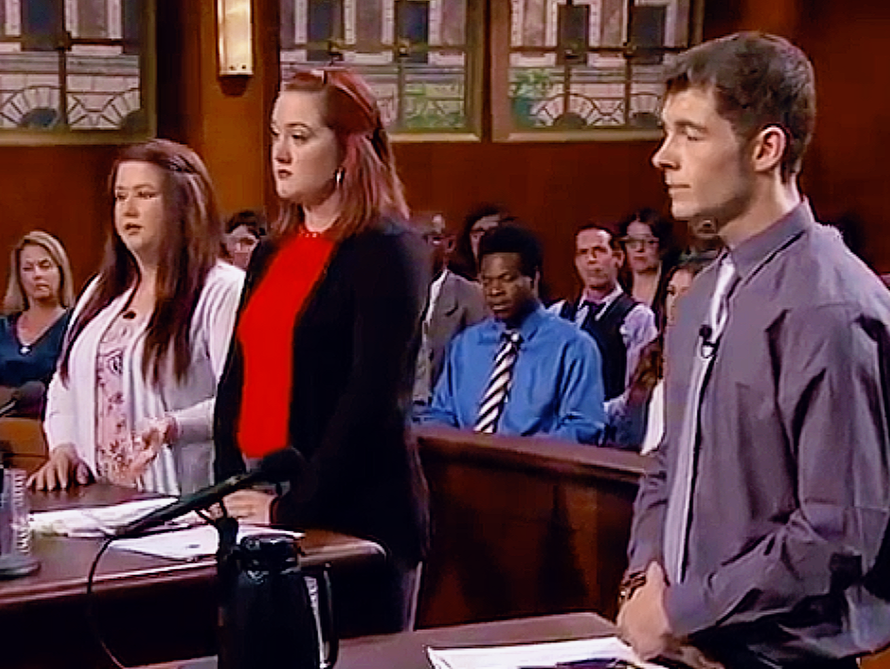
The judge focused on the evidentiary gap. She asked whether there was proof that Thompson had negligently or intentionally given Midnight marijuana-laced brownies. The testimony indicated that Rich was at a concert when the incident allegedly occurred. Thompson said Rich was not present. Rich said her information came from the messages and other material she had brought.
The court did not use the allegation to change Midnight’s placement. Judge Judy stated that the dog would remain with Thompson. The ruling reflected the evidence presented in the hearing rather than a definitive finding that every allegation was true or false.
The final judgment over the fishing pole
The court did not award Thompson’s remaining counterclaims for veterinary bills or adoption fees. The promise ring was treated separately. The fishing pole was treated as Scouten’s property because Thompson said he had given it to her.
The final judgment awarded the plaintiff $25 and the return of the fishing pole. The parties were then excused.
The post-hearing reactions remained divided. Scouten said she was dissatisfied because Midnight would not be returned and expressed concern about the dog’s treatment. She also said the situation had become physical and that she had called the police. Thompson said Midnight was in the right home and described the bond between them as comparable to the bond he had with a cat.
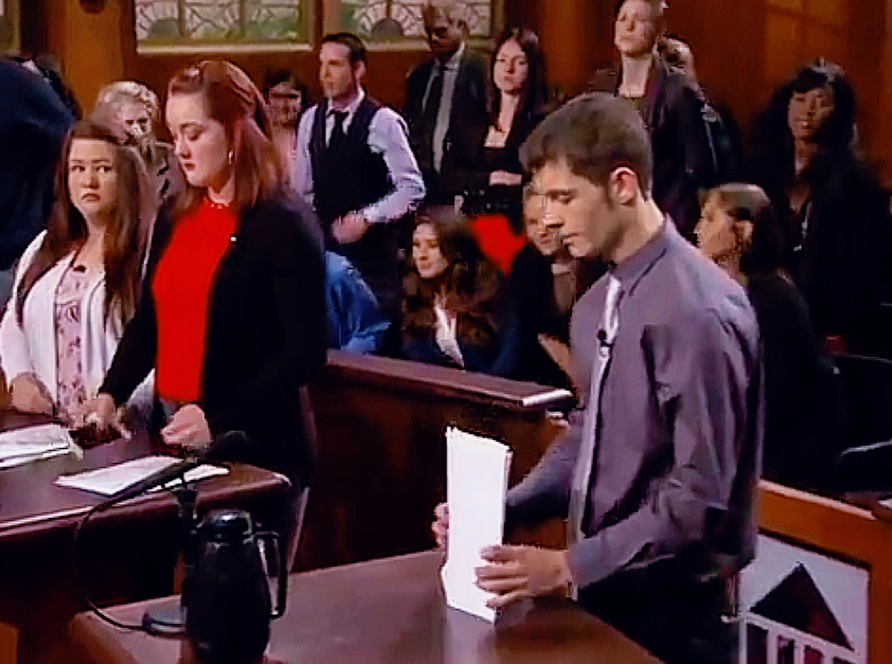
Taken together, the two cases show how small-claims disputes can turn on details that appear ordinary until a relationship collapses or a transaction fails. In the first case, the decisive detail was the unpaid obligation to deliver possession of a trailer. In the second, it was the practical evidence of where a dog had lived and how a gift was treated after a breakup.
FAQ
What was the first Judge Judy case about?
The first case was Eastless-Rodriguez versus Duncan. Karina Eastless and Brittany Rodriguez sought the return of $4,000 paid for a mobile home that burned before they received possession. The judgment favored the plaintiffs for the full $4,000.
Did the court find that Angeli Duncan caused the trailer fire?
The SRT does not record a finding that Duncan caused the fire. The later discussion says the fire department attributed it to a mechanical issue involving the dryer. The judgment instead focused on Duncan’s failure to move out and transfer possession after the buyers had paid.
Who kept the dog Midnight?
Judge Judy ruled that Midnight would remain with Logan Thompson. The decision cited the dog’s five months in Thompson’s care, the home environment, and the absence of a clearly stronger claim by either party.
What did Darius Scouten recover?
The final judgment awarded Scouten $25 and ordered the return of the fishing pole. Thompson also agreed that the promise ring, if given as a gift, belonged to Scouten and should be returned.
Was the allegation about marijuana brownies proven?
The transcript records competing testimony and references to screenshots and photographs. It does not record a separate finding that Thompson intentionally or negligently gave Midnight marijuana-laced brownies. The court kept Midnight with Thompson.