
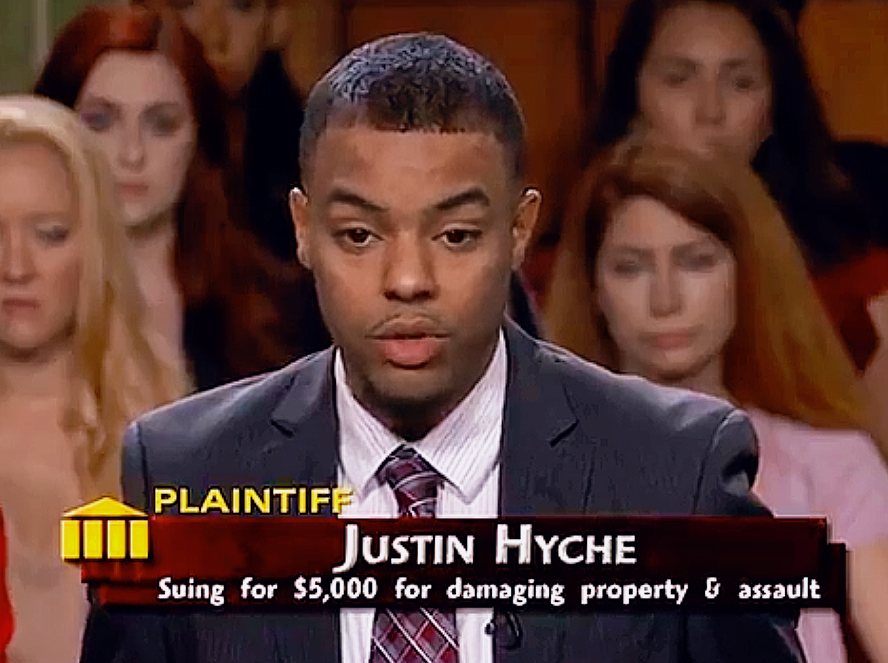
At 11 p.m., a routine handoff involving a 21-month-old child had already become a five-hour delay. Minutes later, a liquor bottle was thrown, police were called, and both parents described themselves as the injured party. What followed was not one dispute but two: an allegation of physical assault and property destruction, followed by a counterclaim over a broken phone and an alleged false restraining order. The judge ultimately awarded $2,500 to Jutin Hyche and dismissed Alycia Westfall’s counterclaim.
A co-parenting arrangement under strain
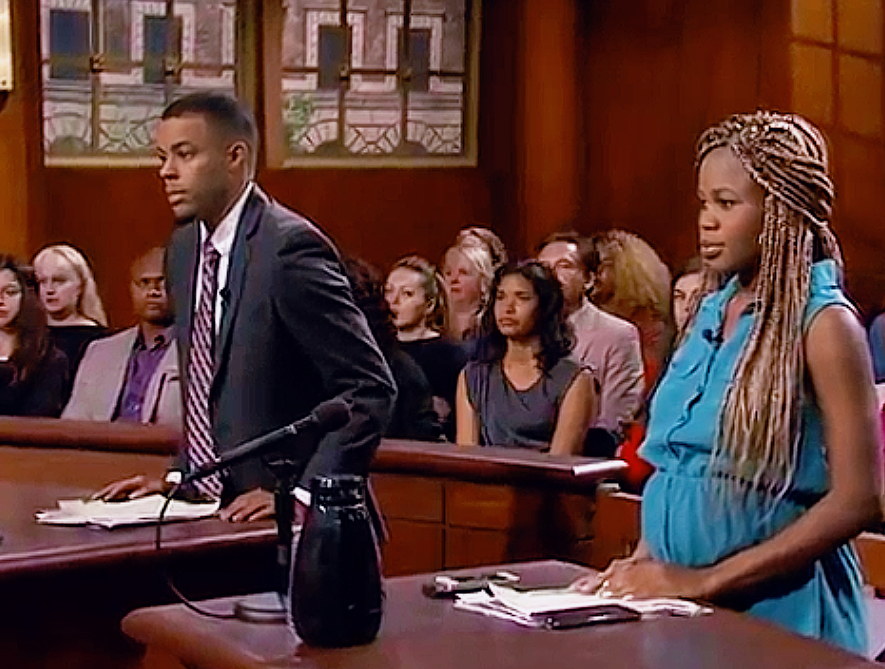
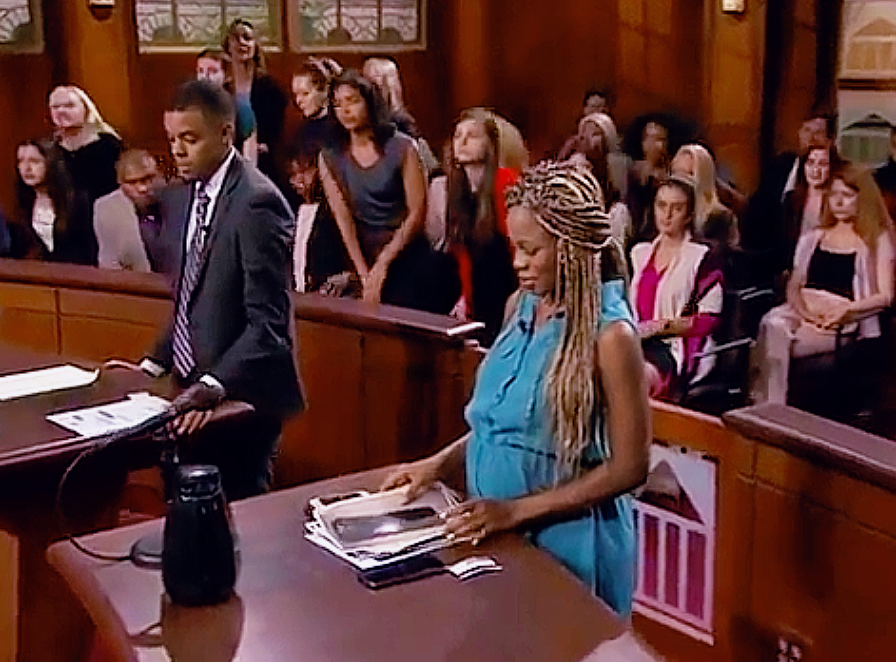
Hyche and Westfall were former partners who shared a young son. According to the testimony, they moved together from California to New York in February 2018, but they did not live together after arriving. Each had a separate apartment, and they were attempting to coordinate custody of a child who was approximately 21 months old.
That arrangement depended on predictable exchanges. The conflict that brought them before the court began when the schedule broke down. Westfall was expected to collect the child at about 6 p.m. Instead, she testified that she arrived around 11 p.m. after getting her nails done. She said she had sent a message saying she was coming, but Hyche did not respond.
The five-hour gap mattered because the child was very young and, by the time Westfall arrived, people in the apartment were sleeping. The disagreement was not simply about lateness. It became a dispute over access to the apartment, the child’s belongings, and what happened at the doorway.

The June 18 confrontation
Hyche told the court that Westfall entered his apartment during the late-night exchange and assaulted him. He said she struck him in the head two or three times with an alcohol bottle. He also said he had video footage of the encounter and that the police initially treated him as the aggressor. According to his testimony, he spent a couple of days in jail, although the charges were later dismissed.
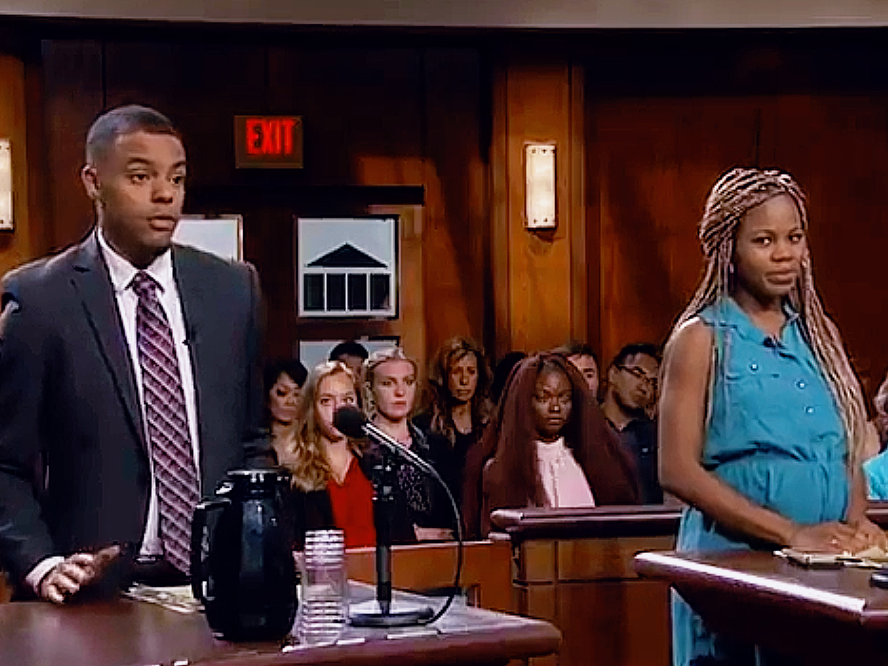
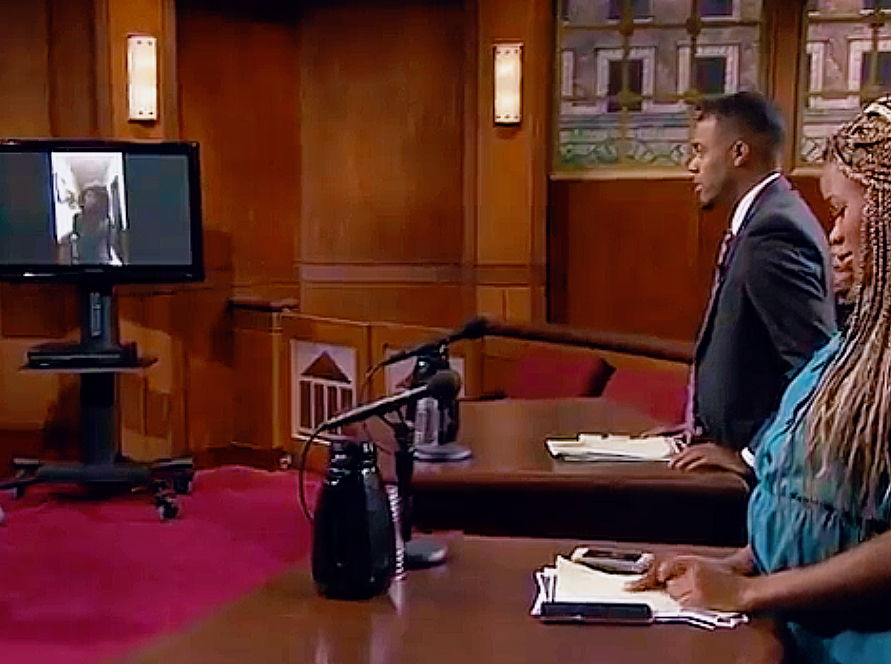
The video played a central role in the hearing. It captured a chaotic hallway confrontation in which both adults could be heard telling the other to move away. Westfall repeatedly demanded that Hyche leave her alone and called for police assistance. Hyche, in turn, said a bottle had been thrown at him and that he was calling emergency services.
Westfall’s account differed sharply. She denied throwing the bottle at Hyche. She said she picked it up inside the apartment and threw it away from him because it was his favorite liquor bottle. The judge treated that admission as significant: even accepting Westfall’s explanation that the bottle was not aimed at Hyche, throwing it away still amounted to destroying his property.
The testimony also established that Westfall had not arrived at the agreed time. She acknowledged that she was five hours late and that the child was supposed to be collected earlier. The judge repeatedly returned to that point, emphasizing the practical consequences of attempting to collect a very young child late at night after the household had gone to sleep.
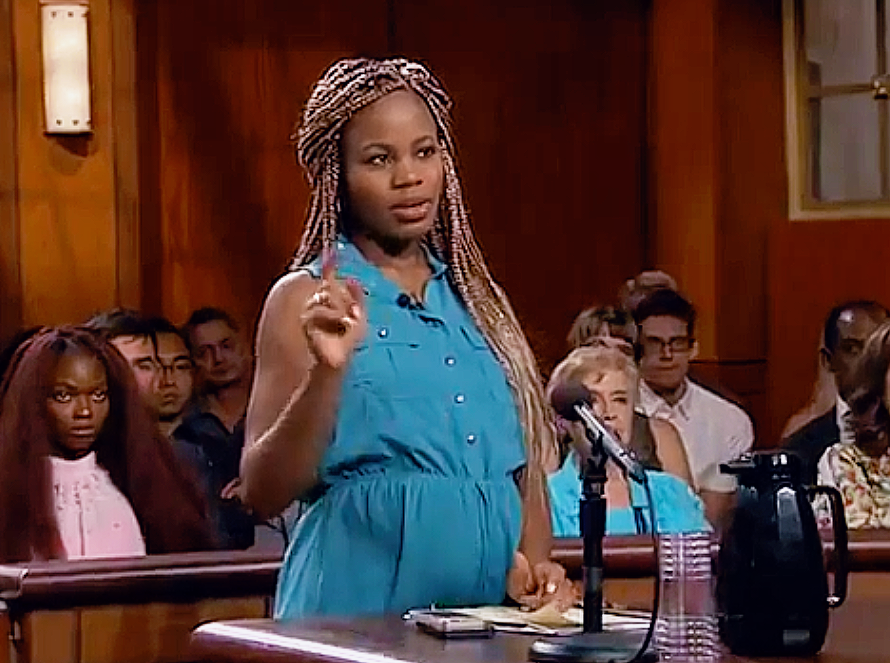
The bottle and the missing medical proof
Westfall said Hyche had put his hands on her and that she called an ambulance. She also initially referred to being two months pregnant, then corrected herself and said she may have been about six months pregnant. The record reflects confusion over the timing, but it does not establish that pregnancy caused or proved an injury.
When asked for medical documentation, Westfall did not produce a report showing physical injuries. She said emergency personnel checked her blood pressure and released her. She also said the video showing her account had been on her phone, but that the phone had been broken and she could not display the material in court.
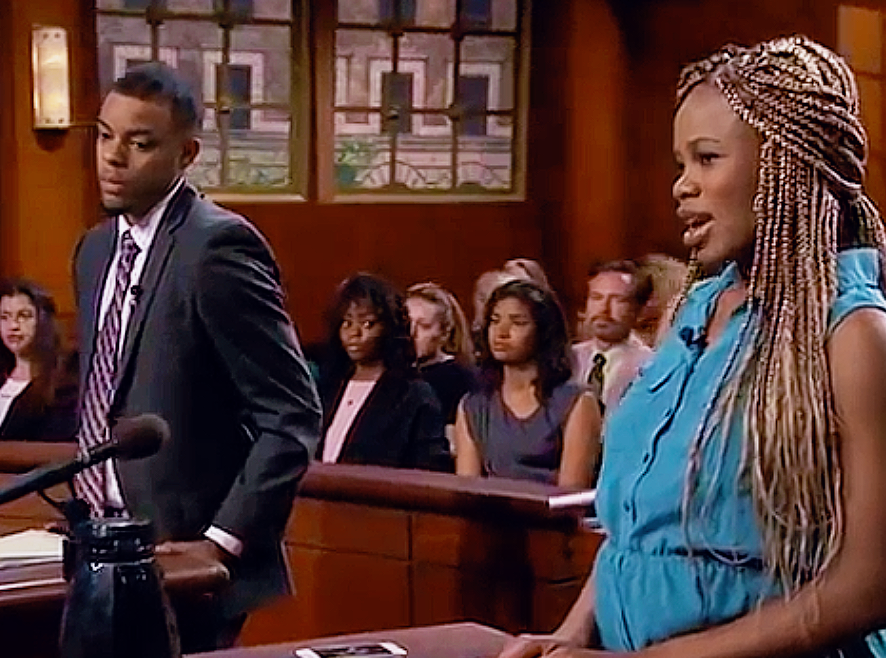
The judge distinguished between an allegation and evidence capable of proving it. Hyche’s video gave the court something concrete to examine. Westfall’s claims about physical contact were not supported by a medical report, photograph, or accessible video. The judge did not find a basis to award damages on that part of the dispute.

The June 29 property dispute
The second conflict occurred later in June. Hyche said that on June 29, Westfall entered his apartment after receiving permission to go in while collecting the child. He testified that he returned to find his property damaged: his computer and printer were affected, and several suits had been bleached or water-damaged. He estimated that five suits were involved and presented photographs and proof of purchase.
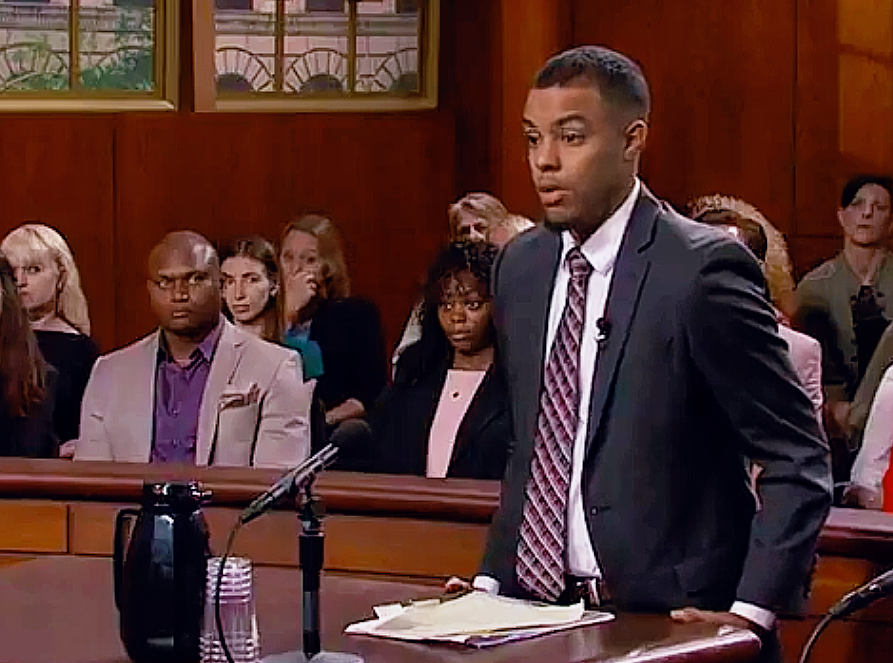
Westfall denied damaging the items. She maintained that she had entered to collect her son and had not touched Hyche’s belongings. She also brought her own claim, saying Hyche had broken her phone during an earlier visit after allegedly seeing her text another person. However, she acknowledged that she had not actually seen him break it. Her allegation was based on what she believed had happened rather than on direct observation.
Her counterclaim also concerned what she described as a false restraining order. The transcript shows that a protective order had been filed after the conflict, and that the parties disagreed about the circumstances surrounding the police response. But the court was not asked to decide whether Westfall had been wrongfully arrested. The judge explicitly separated that issue from the property claims before the court.
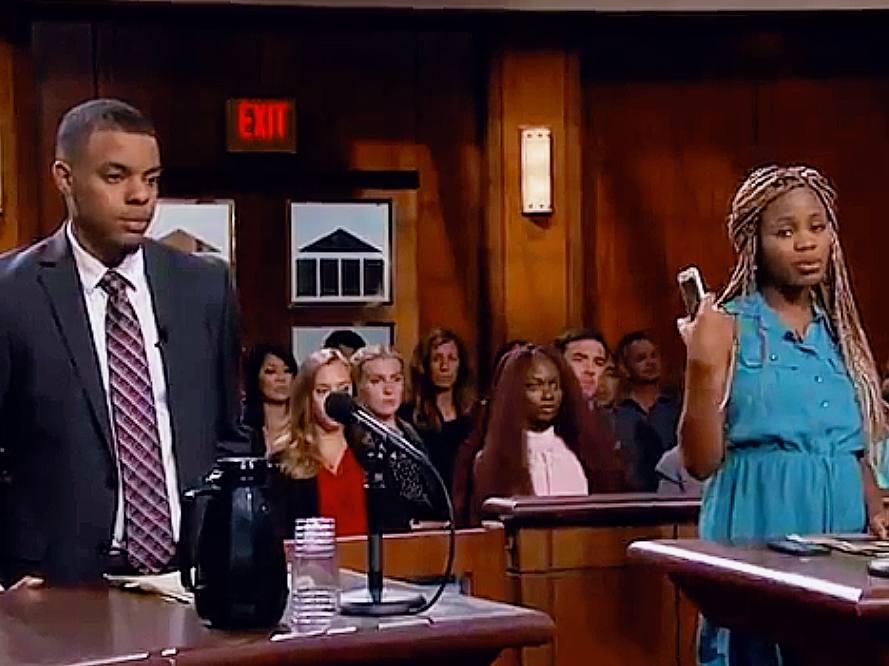
Why the judgment turned on evidence
The hearing was emotionally charged, but the ruling turned on narrower civil questions: what property was damaged, who caused the damage, and what documentation supported the amount requested.
The testimony contained competing narratives. Both parties described themselves as wronged. Both referred to police involvement. Both claimed damage to personal property. Yet the judge focused on the portions that could be tested against the available evidence.

For the June 18 incident, the video supported the conclusion that Westfall handled and threw Hyche’s liquor bottle. For the June 29 incident, photographs and purchase documentation supported Hyche’s claim about the damaged suits and computer. By contrast, Westfall could not show direct proof that Hyche broke her phone, and her medical evidence did not establish compensable physical injury.
The case therefore illustrates an important distinction in civil litigation. A court may recognize that a relationship has become volatile without awarding money for every accusation made during that breakdown. Damages require proof tied to a legally recognizable loss.
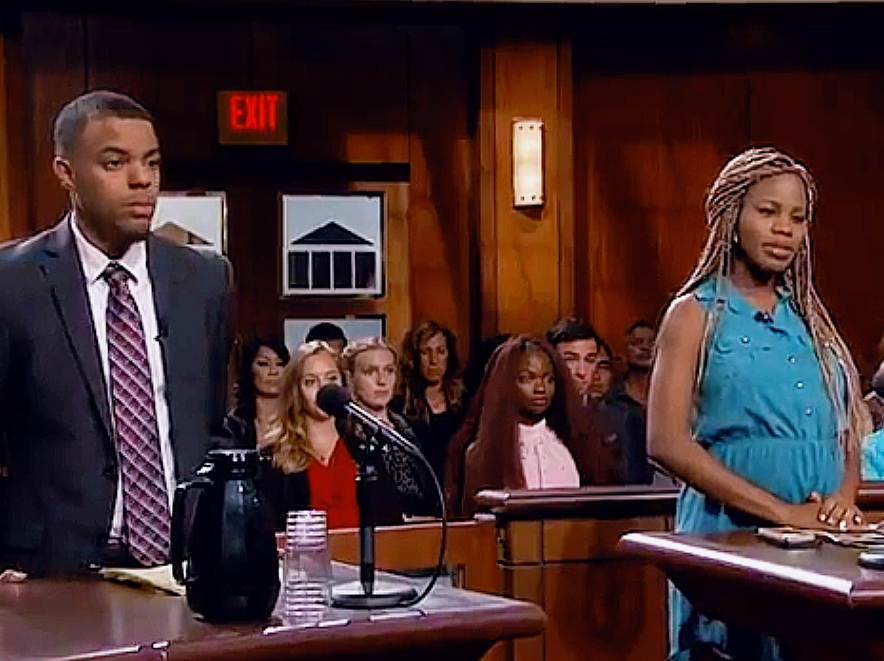
The ruling
The judge dismissed Westfall’s counterclaim. Judgment was entered for Hyche, who was awarded $2,500 for the damaged suits and computer. The ruling did not resolve every personal accusation the former couple made against one another. It resolved the property claims that were supported by the evidence presented in court.
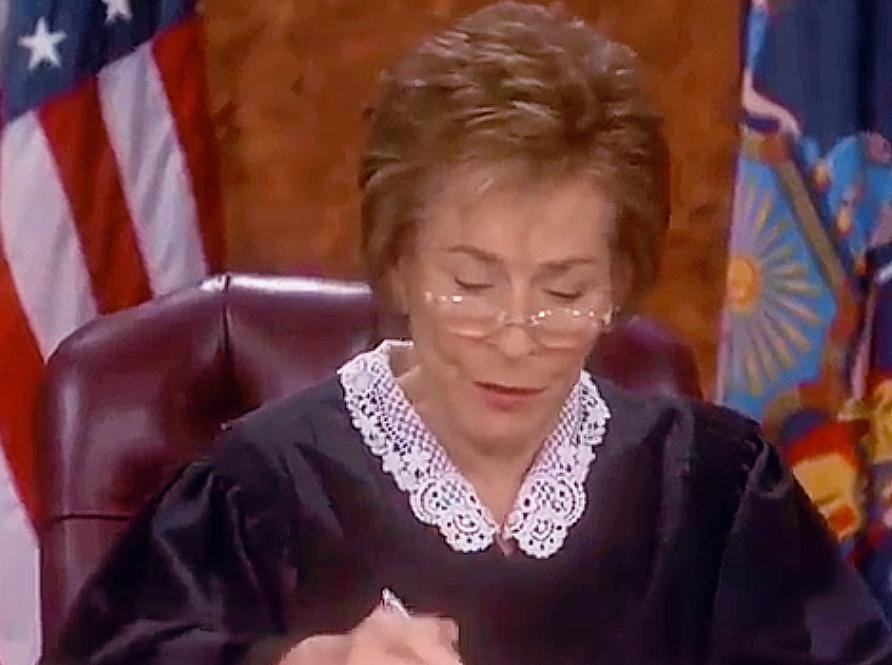
The result also reflected the limits of the proceeding. The judge said Hyche was not suing for the arrest itself, and no damages were awarded on that theory. The final decision rested on property destruction, not on a broad declaration that every allegation by one party was true.
What began as a late child exchange ended with a financial judgment because the dispute moved beyond co-parenting and into documented damage to personal property. The central lesson was not that emotion was irrelevant. It was that emotion could not substitute for proof.
FAQ
Who were the parties in the civil dispute?
The verified names are Jutin Hyche and Alycia Westfall.
What started the first dispute?
The first dispute followed a late-night child exchange on June 18, 2018. Westfall was expected to arrive around 6 p.m. but arrived around 11 p.m. The parties then argued about entering the apartment, collecting the child, and a liquor bottle.
Was the bottle thrown at Hyche?
Hyche said Westfall hit him with or threw the bottle at him. Westfall denied aiming it at him and said she threw it away from him. The judge concluded that, regardless of its intended direction, throwing the bottle destroyed Hyche’s property.
What was the second civil dispute about?
Hyche said Westfall damaged his computer, printer, and suits after entering his apartment on June 29. Westfall denied damaging those items and counterclaimed over a broken phone and an alleged false restraining order.
How much money was awarded?
The court awarded Hyche $2,500 for damage to his suits and computer. Westfall’s counterclaim was dismissed.
Was anyone found criminally guilty in this civil proceeding?
No. The proceeding addressed civil property claims. The transcript states that earlier charges connected to the June confrontation were dismissed, but the civil judgment was based on property damage and evidence presented at the hearing.