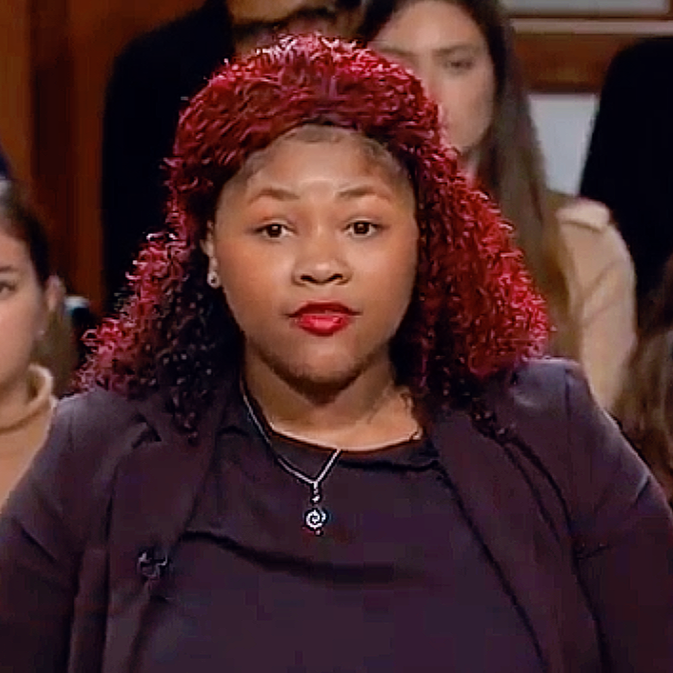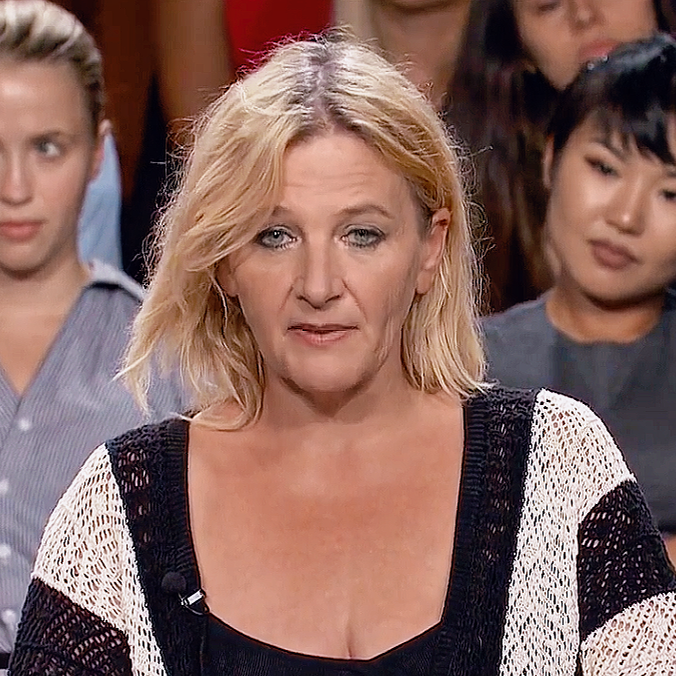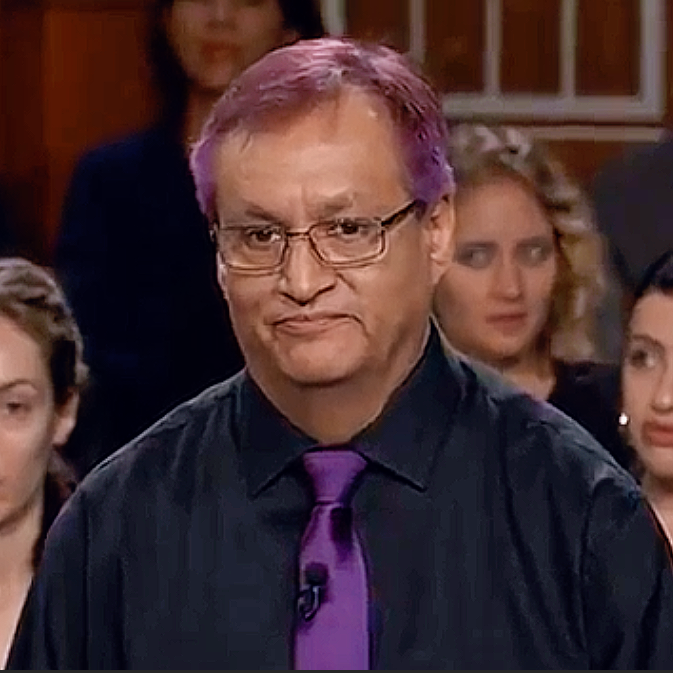
The first dispute began on a December morning with two drivers heading to work. It ended with one vehicle allegedly struck twice, a police dash-cam video, and an insurance payment made too late to provide coverage. Months earlier, at a skateboard park, a different encounter left a young man with a scar and raised a separate question: who is responsible when a dog is being used to pull a skateboard ? These were civil claims built around competing accounts, photographs, documents, and the question of which version of events the evidence could support.
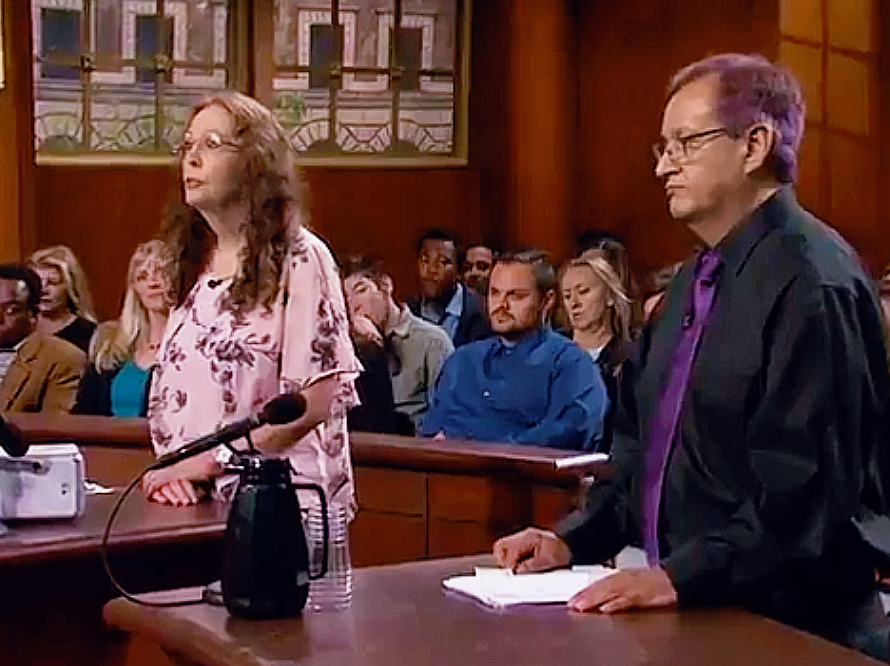
Case One : The collision on December 23, 2017
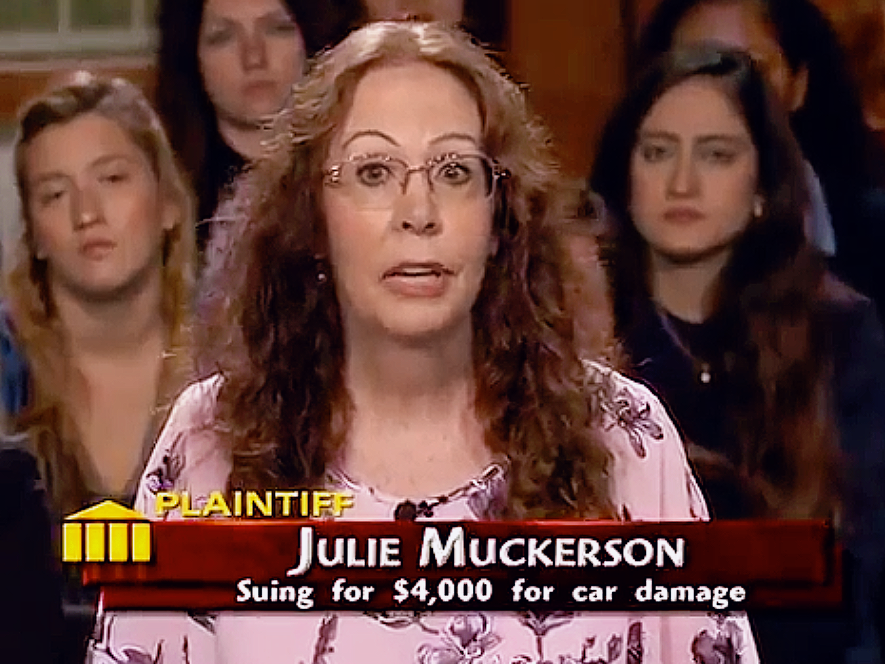
At about 9 a.m. on December 23, 2017, McCarrison and Perez were driving toward the same retail shopping center, where both worked. They had not met before. McCarrison was driving a 2009 Jeep Grand Cherokee. Perez was driving a 2016 Dodge Journey. Both said their vehicles were insured at the time of the incident.
Their accounts diverged over what happened on a two-lane frontage road. McCarrison said she was in the left lane, which she described as the faster lane, while Perez was close behind her. As the road approached a turn-around lane, she said Perez moved across and tried to return in front of her vehicle.
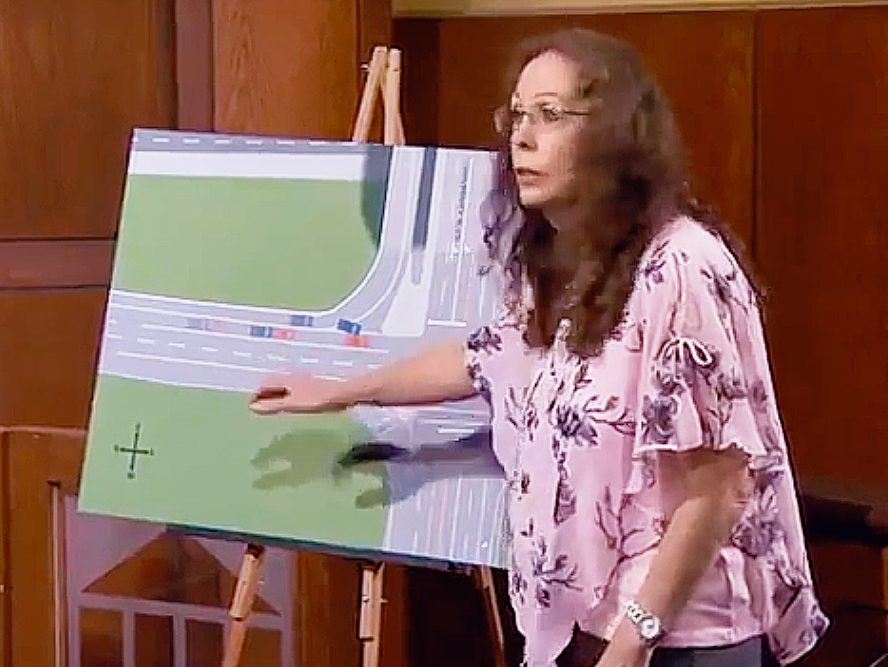
According to McCarrison, the right front corner of Perez’s vehicle struck the driver’s side of her Jeep. She said the contact was followed by a second impact near the front driver-side panel. That second collision, she maintained, happened after the drivers lowered their windows and she told Perez to remain at the scene while she called 911.
The dispute therefore concerned not only fault for the first impact, but also what happened afterward: whether Perez stayed, whether he left, and what the police video showed.
The aftermath at the shopping area
McCarrison said Perez told her he would meet her in a parking area but drove away before identifying which one. She followed because, in her account, he was traveling quickly and appeared to be avoiding her. She described him passing several parking areas and running two stop signs before stopping for a pedestrian. That moment allowed her to note his license plate.
She said she eventually parked beside him and again told him she was calling 911. Perez allegedly yelled and cursed before leaving once more. McCarrison then stayed in the parking lot and made the call.
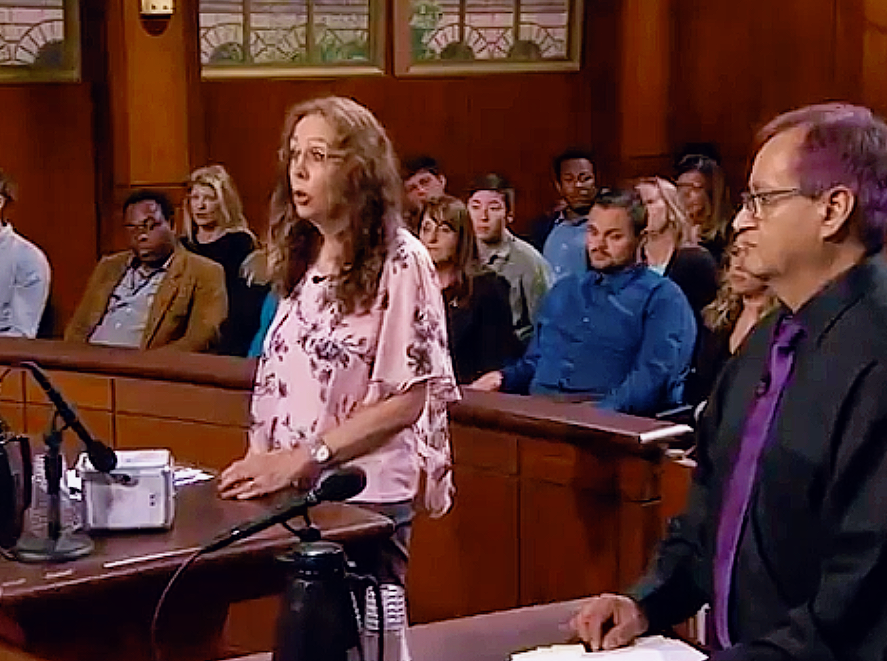
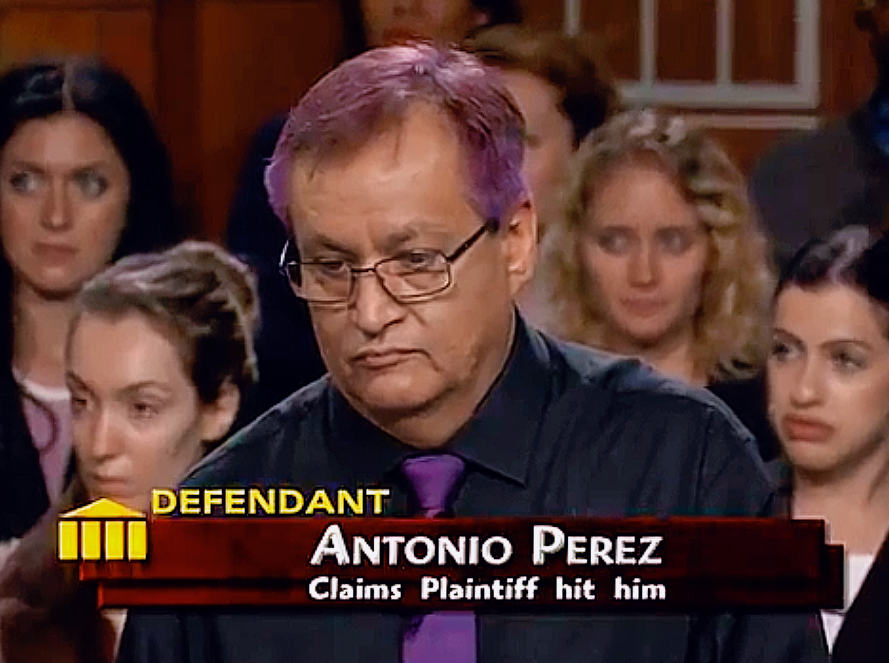
Perez disputed the characterization that he had been stopped by police. When asked where officers had stopped him, he said he was at the location where the two parties had met. McCarrison, however, had a police dash-cam recording that she said showed officers escorting him back after locating him near McDonald’s and Wells Fargo.
The dash-cam evidence
The recording became the central turning point. It showed police vehicles following Perez and, according to the questioning, pulling alongside him and bringing him back toward the scene. When asked whether that amounted to being stopped, Perez maintained that he had been in the same parking lot.
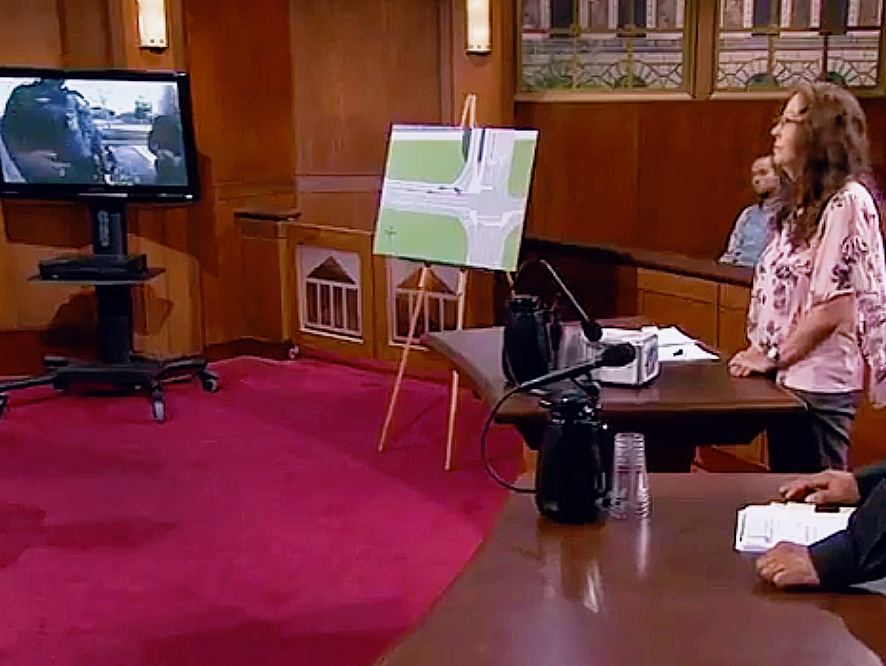
The video gave the decision-maker an objective record against which the testimony could be compared. The dispute had begun as a disagreement about a collision, but the recording also affected the credibility of the competing accounts about the aftermath.
McCarrison presented photographs of the damage and a repair estimate. She sought approximately $4,000 to fix her vehicle. The question of insurance then became decisive.
The insurance record and judgment
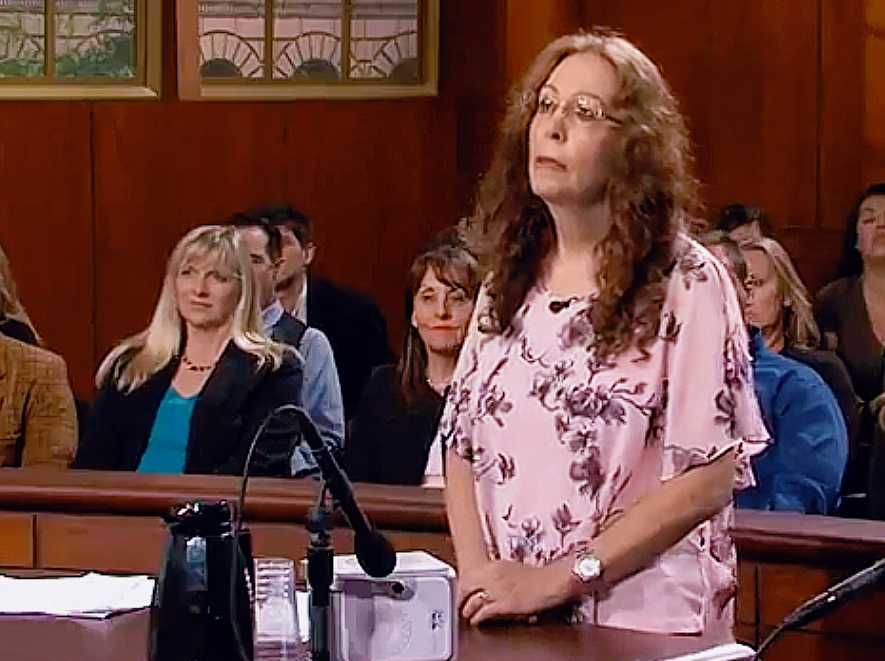
McCarrison said Perez’s insurance company had not paid for the damage because his policy was not active at the time of the loss. Perez insisted that he had insurance when the collision occurred and said he had documents supporting that position.
The document shown in the proceeding indicated that Perez authorized a $551 payment by Visa on December 23, 2017, for the listed policy. The collision had occurred at approximately 9 a.m. The record therefore suggested that the payment was authorized on the date of the accident, but after the loss had already occurred.
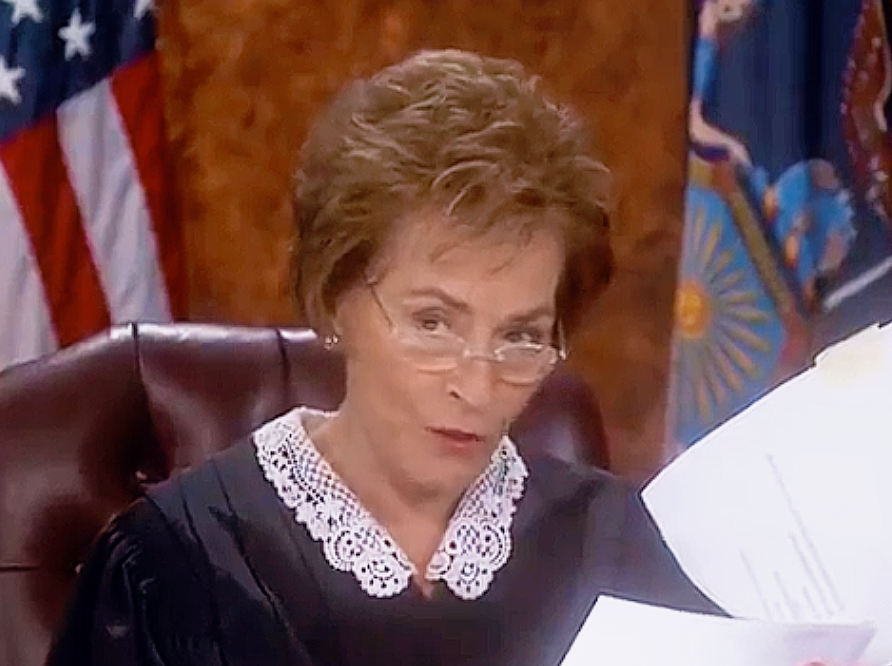
A policy document can show an intended coverage period without proving that coverage was active before a payment was made or before an accident occurred. The evidence presented was interpreted as showing that Perez did not have active coverage at the relevant time.
Judgment was entered for McCarrison in the amount requested, approximately $4,000 for the vehicle damage. The ruling followed the dash-cam evidence, photographs, repair estimate, and insurance record rather than Perez’s assertion that his coverage was in force.
Case Two : A dog, a skateboard, and a July evening
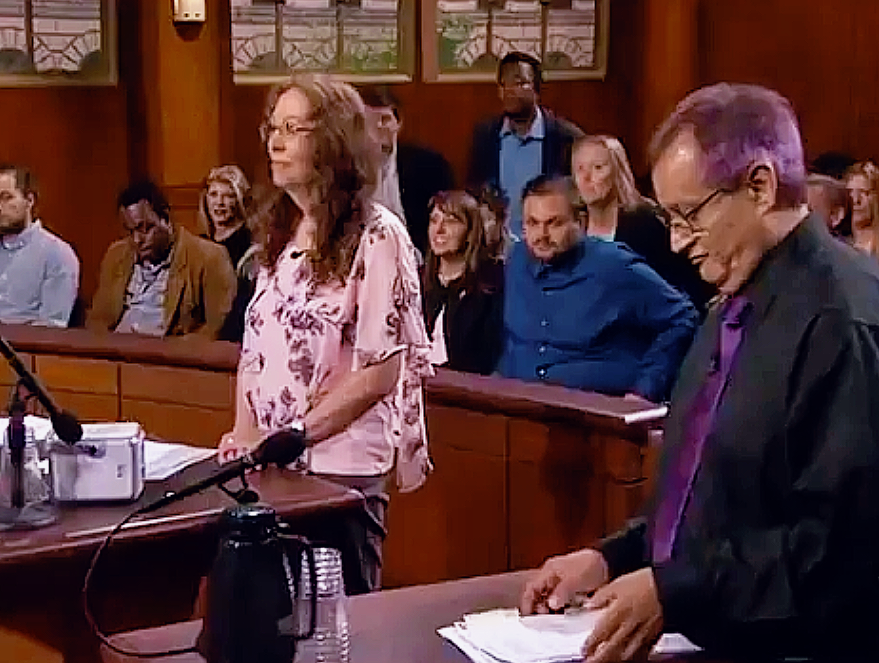
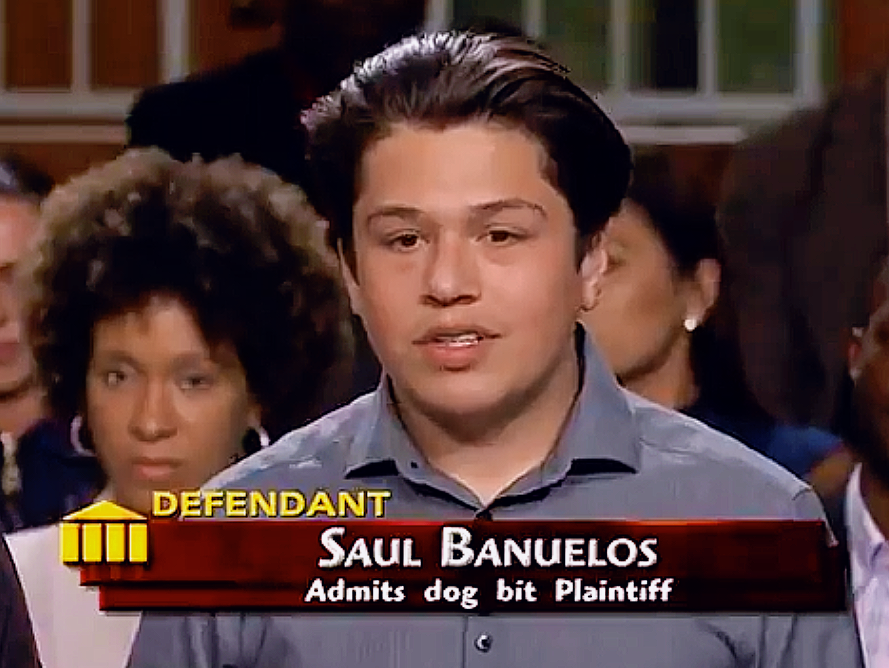
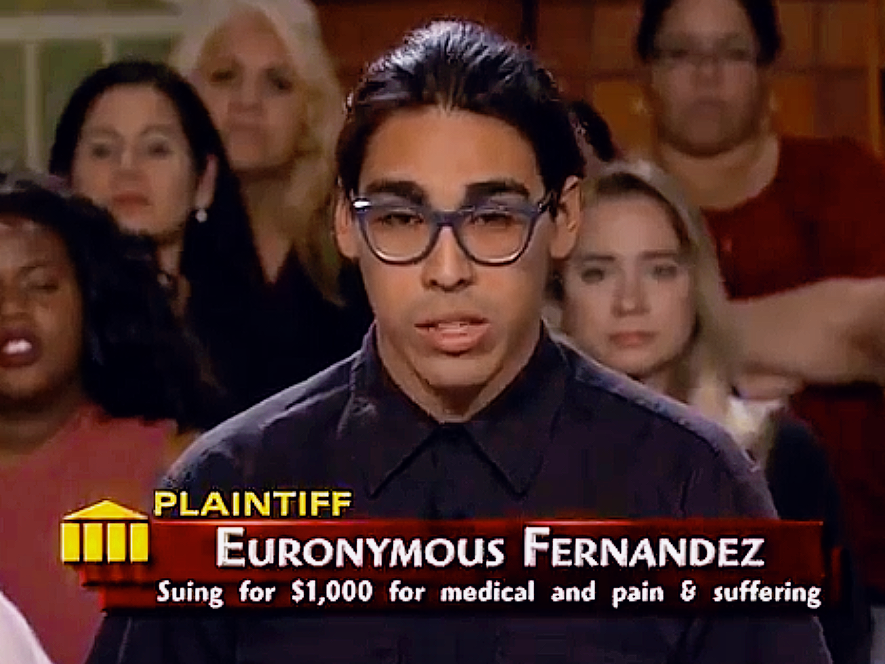
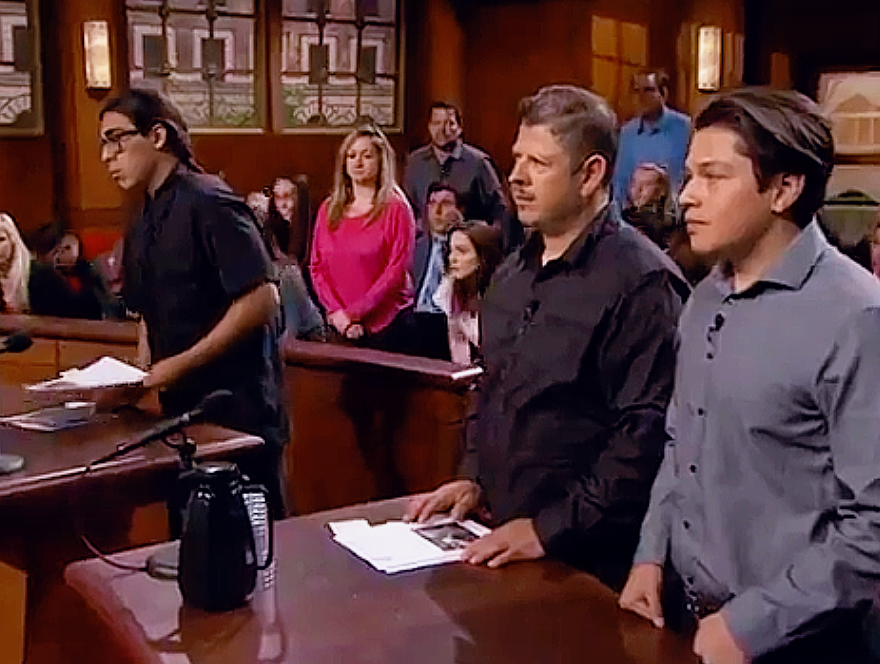
The second dispute involved a different kind of movement. On July 23, 2017, between 7 and 8 p.m., 22-year-old Jeronimo Fernandez said he was bitten by a Siberian Husky at a skateboard park. He brought a claim for medical bills, pain, and suffering against 17-year-old Saul Banuelos and Saul’s father, Sebastian Banuelos.
Saul acknowledged that the dog bit Fernandez. He had been using the dog to pull him while he rode a skateboard, an activity he said he had done for approximately two years. Sebastian was not present at the time of the incident; Saul was the person handling the dog.
The park included areas used by skateboarders as well as other spaces. Fernandez said he was waiting to take his turn when he stepped onto his skateboard and began to balance. The dog then came toward him without hesitation.
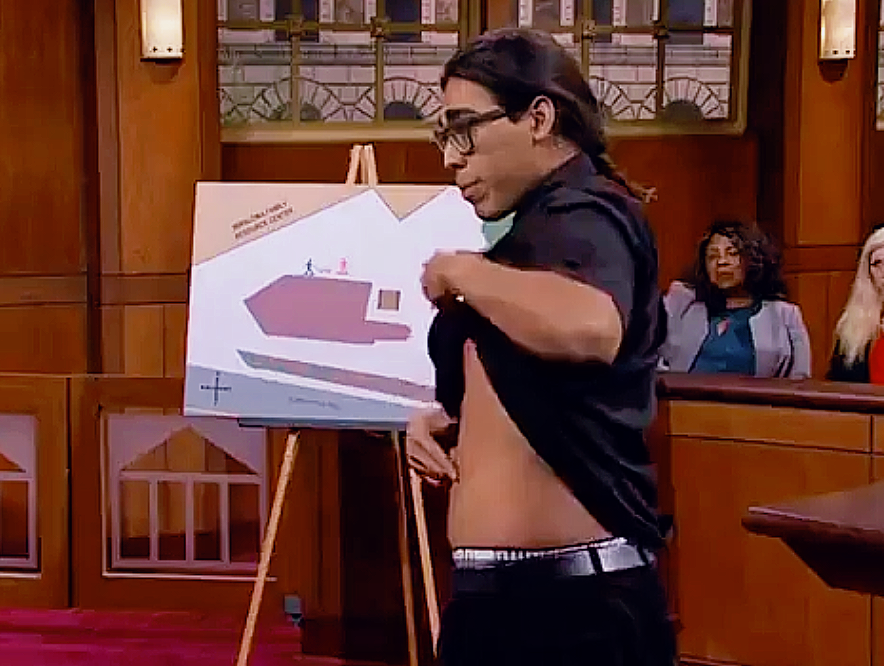
Fernandez said he had not kicked or struck the dog and had no prior contact with it. He testified that the dog bit him twice. The first bite tore his shirt. The second caused the injury that left a scar along his side.
The conflicting accounts of the bite
Saul initially characterized the dog’s action as self-defense. That explanation did not answer the factual question of how the contact occurred. The focus returned to the physical arrangement: Saul was on the skateboard, the dog was propelling him, and Fernandez was preparing to ride.
Saul later described Fernandez as moving through an area divided by pillars and suggested that Fernandez turned near a dead end before the two came into contact. He also said Fernandez launched or threw his skateboard after realizing that a collision might occur.
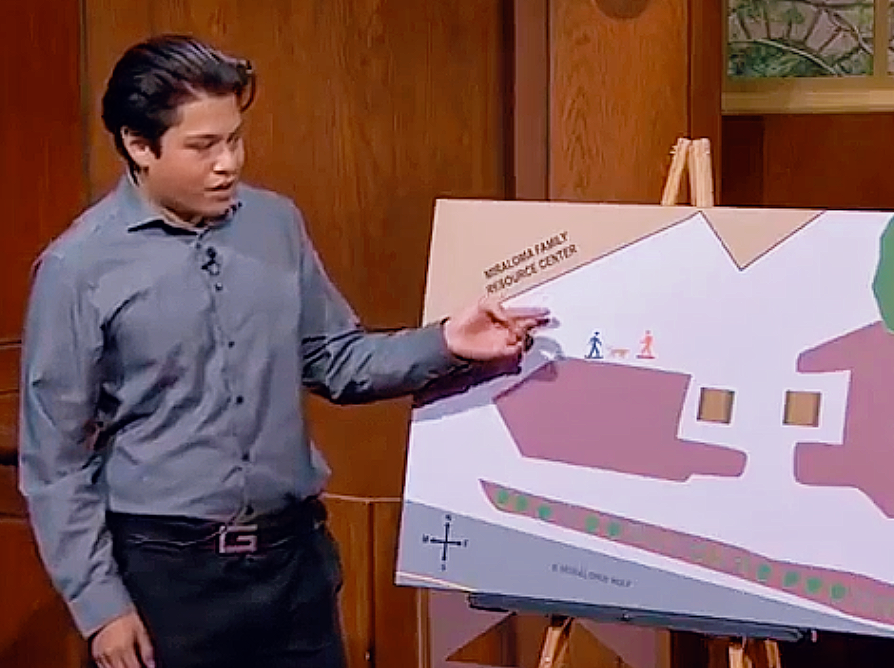
The account remained difficult to reconcile with the central fact established during questioning: Saul was being pulled by the dog and was not fully controlling the animal’s movement. The activity combined a moving dog, a skateboard, and other people using the park. The evidence did not establish that Fernandez had provoked the dog.
Fernandez presented photographs of the injury and a medical report. He also showed that the scar remained visible. The injury evidence supported his account that the encounter caused more than a fleeting contact.
The prior bite
The dispute took another turn when Saul was asked whether the dog had bitten anyone else. He acknowledged that it had bitten his 10-year-old cousin. The precise year was uncertain, and the transcript did not establish the full circumstances or severity of that earlier incident. It did establish that the dog had bitten a child on the finger.
That admission was relevant because it placed the people responsible for the dog on notice that it had previously bitten someone. The instruction that followed was direct: the dog should be muzzled whenever it was outside.
Judgment was entered for Fernandez in the requested amount of $1,000. The ruling addressed the injury, the circumstances under which the dog was being handled, and the prior bite disclosed during the proceeding.
What the two disputes show
The two civil disputes turned on different forms of evidence. In the collision case, a dash-cam recording and an insurance document challenged the defendant’s account. In the dog-bite case, photographs, a medical report, testimony about the scar, and an admission about a prior bite supported the claimant’s position.
Neither dispute required a dramatic theory beyond the evidence. The first case asked whether a driver was responsible for vehicle damage and whether valid insurance existed at the time of the loss. The second asked whether a teenager had control of a dog that injured another person and whether the dog’s prior history made precautions necessary.
Together, the cases illustrate why civil proceedings often turn on small, verifiable details: the exact time of a payment, the direction of a vehicle, the position of a person on a skateboard, or whether an animal had bitten before. Those details can decide which account is more consistent with the record.
FAQ
Who were the parties in the car-accident dispute?
The SRT identifies the parties as McCarrison and Perez. The transcript contains inconsistent automated spellings, including “Mccarrison” and “Mckerson.” This article uses McCarrison, based on the opening case caption, and does not invent a fuller name unsupported by the available records.
When did the vehicle collision happen?
The collision was described as occurring on December 23, 2017, at approximately 9 a.m. Both parties were traveling toward the same retail shopping center for work.
What evidence was important in the car case?
The key evidence included a police dash-cam video, photographs of McCarrison’s vehicle, a repair estimate, and an insurance document showing when Perez authorized a payment.
How much was awarded in the car dispute?
Judgment was entered for McCarrison in the amount of approximately $4,000, the amount requested for repairing the vehicle.
Who was injured in the dog-bite dispute?
Jeronimo Fernandez, age 22, said he was bitten by a Siberian Husky on July 23, 2017, at a skateboard park.
Who was responsible for the dog at the time?
Saul Banuelos, age 17, was handling the dog and using it to pull him on a skateboard. His father, Sebastian Banuelos, was also named in the claim but was not present at the incident.
How much was awarded in the dog-bite dispute?
Judgment was entered for Fernandez in the requested amount of $1,000.