
A business can be ready to display its products and still be unable to make a sale. A relationship can end, yet the financial questions between the former partners can continue for months. In two separate small-claims disputes, the court heard competing accounts about unfinished work, missing information, rent payments, a move-out date, and a tablet that fell during a tense encounter. The outcome in both matters turned on the same question: what had actually been promised, and what could the evidence prove?
Case one: The project begins with an initial payment
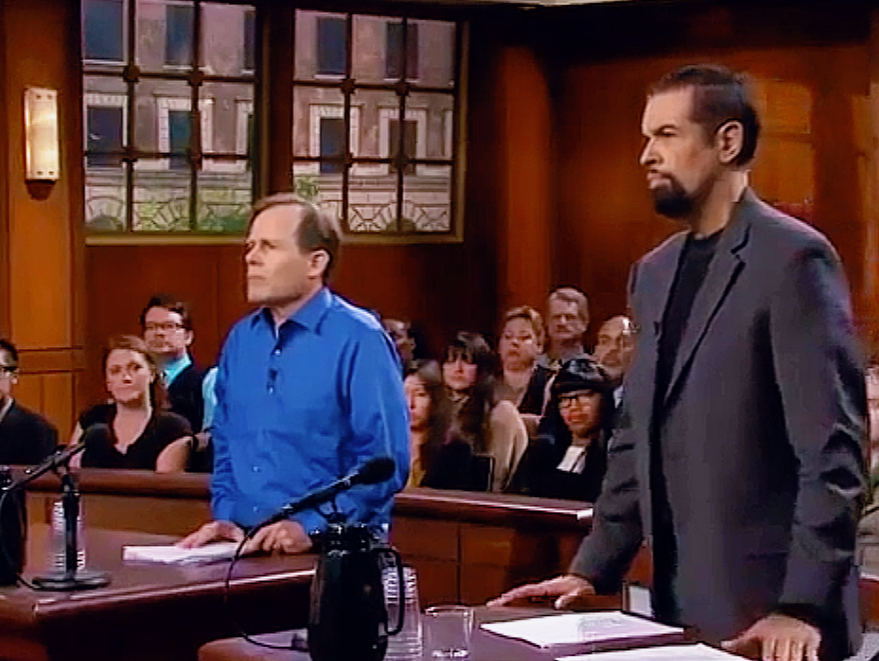
Turner testified that he hired Montgomery on August 31, 2015, to create a website for a business he was considering. The business was discussed at first as a clothing venture, but the evidence clarified that the intended products were football jerseys and related sportswear.
Turner said he paid $18 at the start. He then made another payment of $1,695 on September 15, 2015. His position was that the money had been paid toward a website that Montgomery failed to complete.

Montgomery gave the court a different explanation. He said he had spent innumerable hours on the project and had people working on the site. In his account, the work had not simply been abandoned. Instead, the site could not be fully completed because Turner had not supplied information necessary to turn the pages into a functioning online store.

A catalog without prices or descriptions
The proposed site included Sportswear Alley and a “Coach’s Corner” feature intended for football fans. The feature was described as a place for injury reports, team forecasts, and other information about a customer’s team of choice. The more immediate issue, however, was the product catalog.
Montgomery said the site ultimately contained pages for 100 jerseys across eight divisions. He received Turner’s list of jerseys by email on February 9, 2016, roughly five and a half months after the initial work began. Montgomery testified that the products were loaded onto the site by March.
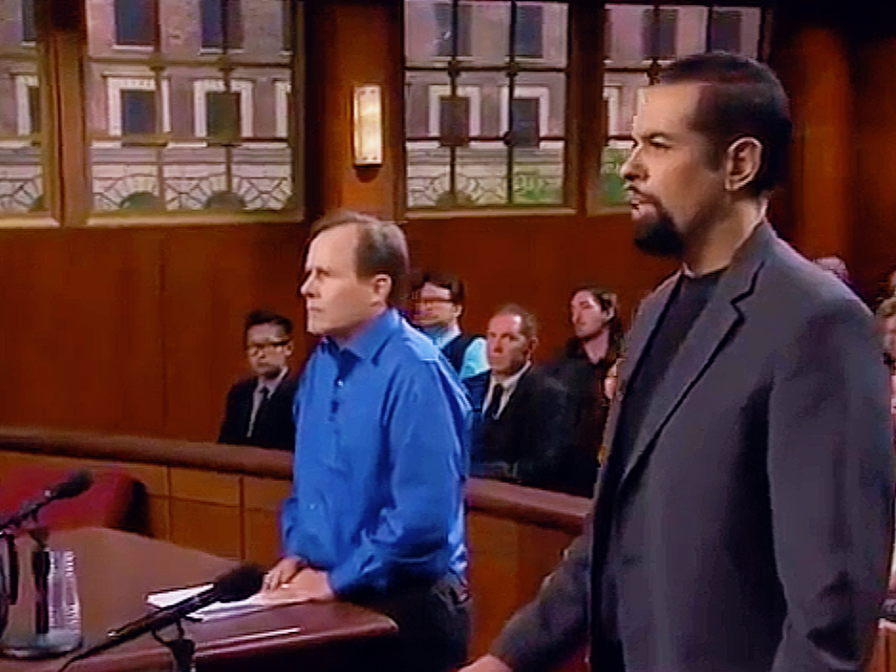
That did not mean the store was ready to process orders. The pages lacked prices and product descriptions. The court heard that customers needed to know what kind of jerseys were being offered—whether they were embroidered, mesh, cotton, solid, or another type. Without those details, the pages displayed products but did not provide the information needed for a purchase.
A second problem involved payment. Montgomery said Turner had not supplied a legitimate payment method through a bank, Visa, Mastercard, PayPal, or another recognized service. Turner had supplied a debit or prepaid card, but Montgomery said that card had never worked.

The business had not yet been formally organized
The dispute also exposed a gap between an online storefront and a functioning business. Montgomery said he had told Turner to take the name Sportswear Alley to the secretary of state, obtain a DBA, and open a bank account for the business.
Turner acknowledged that he had not completed those steps. He explained that he received Social Security disability benefits and was concerned that earning money from a business could affect those benefits. He said he hoped eventually to challenge himself and move away from relying on Social Security.
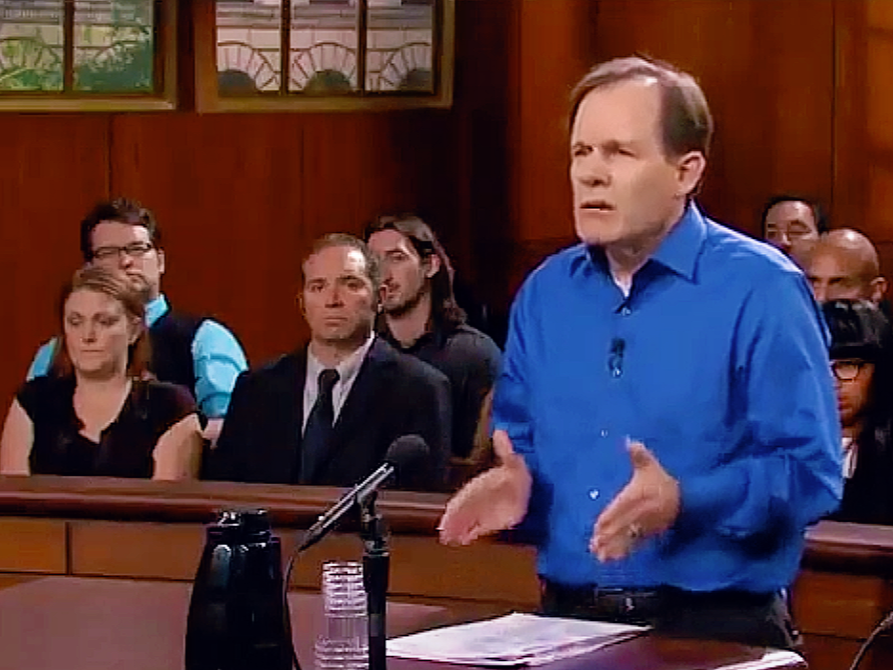
The court treated the concern as understandable but separate from the practical requirements of operating a business. A customer needed to know who was selling the product and how to pay. The business also needed an identifiable owner and a legitimate financial channel.
The parties discussed the domain name as well. Turner said the Sportswear Alley domain had been taken and offered for sale for $570. Montgomery said he owned SportsRally.com and was prepared to give that domain to Turner. The exchange showed that the dispute involved more than whether a few pages had been designed. It involved the unfinished steps between an idea and a business capable of accepting orders.
Why the Website Claim Was Premature
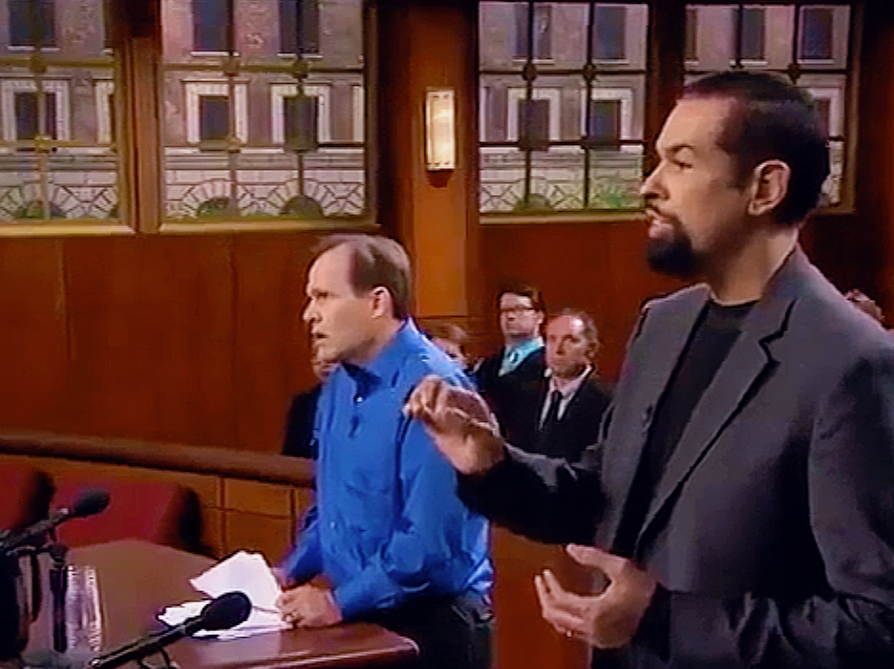
The court did not find that Turner had established a completed failure by Montgomery. Instead, the claim was described as premature. Montgomery had performed substantial work, while the remaining requirements depended on information and business arrangements that Turner had not yet supplied.
Three missing items were central: a recognized method of billing, the price of each jersey, and a description of each product. Turner also needed to register the business name and establish the business and banking arrangements needed to receive payments.
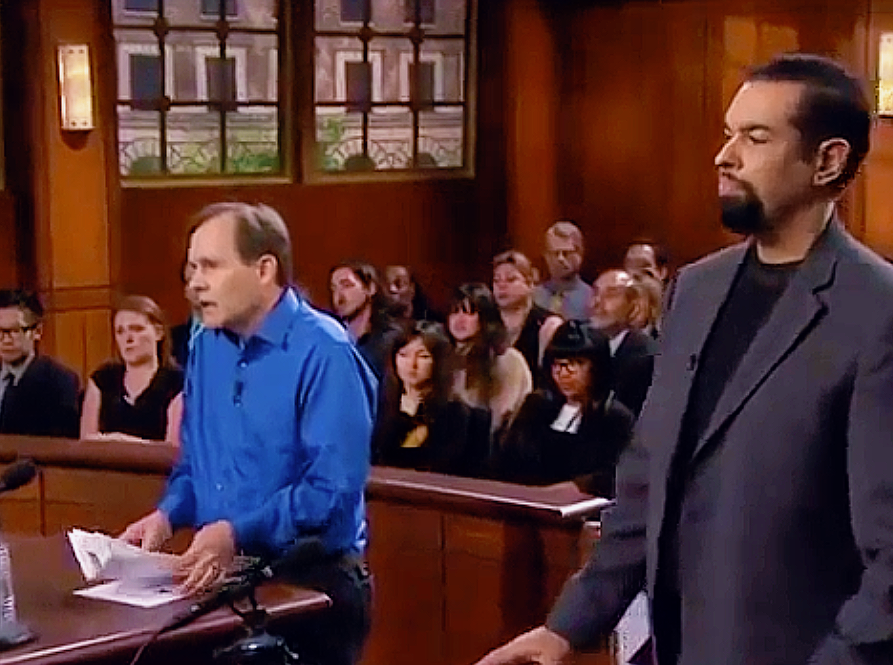
The claim was dismissed without prejudice. That meant the dismissal did not permanently prevent Turner from returning. If he supplied the required information and Montgomery still failed to deliver the website, Turner could bring the matter back.
The ruling did not declare that every disagreement had been resolved. It addressed the timing of the lawsuit. A claim over unfinished work could not be fairly decided while the person who ordered the work had not yet provided the specifications and payment structure needed to finish it.

Case Two : A shared home becomes the center of a financial dispute
The second matter began with a relationship and a decision to live together. Simpson said she left her residence in Burnsville and moved in with Mullins. She had children with her, and she placed the move at the beginning of April.

Mullins described the circumstances differently. He said Simpson and her family were in transition and had been living in a hotel before moving into his home. He recalled that she had been paying approximately $80 to $90 per week at the hotel. He said the understanding was that she would contribute toward the rent once she became situated.
The testimony also contained differences about the children. Simpson said she had two children, ages eight and three, while clarifying that she had one two-year-old child with her at the relevant time. The conflicting details did not by themselves resolve the financial claim, but they showed how differently the former partners remembered the arrangement.
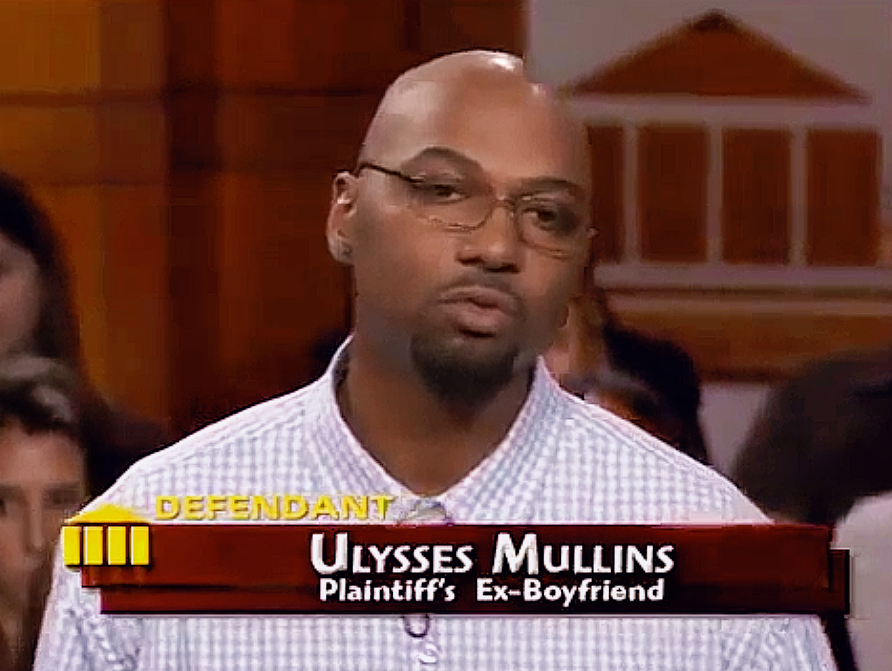
The disputed payments
Simpson said she paid no rent in April. She said she paid $215 in May. Mullins denied receiving that May payment. The parties also disputed the timing and purpose of a total payment of $400. Simpson maintained that the money covered rent for May and June and that she was seeking the June portion because she had been put out before the month ended.
Mullins said the agreement had been that Simpson would pay $200 per month once she was established. That figure became important because the court had to determine whether Simpson had paid more than she owed or had paid for a period after she was no longer living in the home.
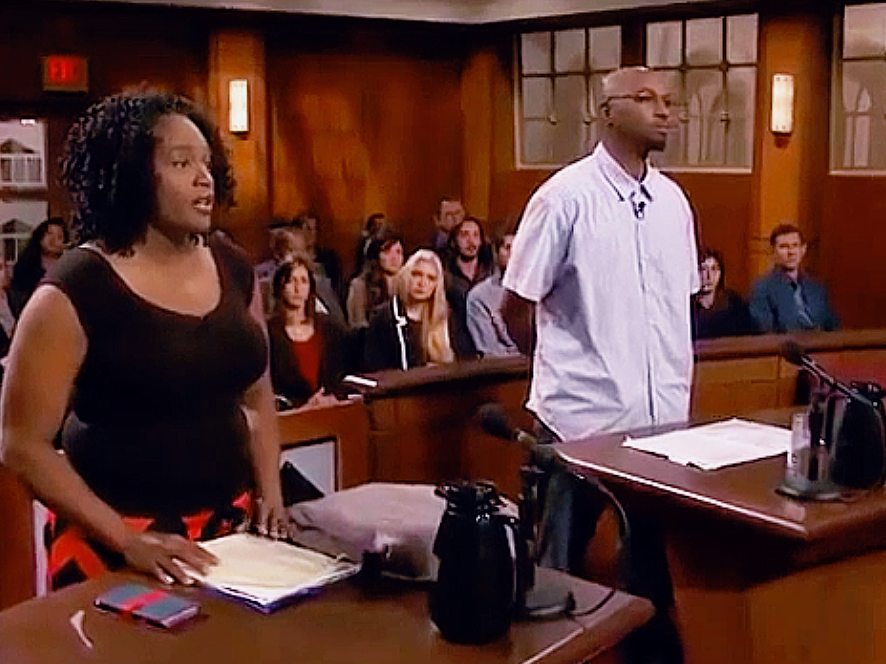
The move-out date was not settled by the testimony. Simpson identified May 19 as the date she left, although she also described returning for several days. Mullins questioned that account and remembered Simpson still being in the home around her birthday at the end of May. He believed she moved out later, possibly in June.
Simpson said she had been at a friend’s home for her birthday. Mullins said he remembered her remaining in the home around that time. The dispute over the date mattered because Simpson’s request for money depended on showing that she had paid for time she did not use.

The Rent Timeline Becomes Contested
Simpson produced documentation that the court read as showing she moved into another residence on June 25. She explained that she had been staying with a friend after leaving Mullins’s home.
She also said she had not stayed overnight at Mullins’s home between June and August. Mullins said that statement was not true. The evidence therefore contained competing memories about whether Simpson had fully moved out, returned briefly, or continued using the home after the date she identified.
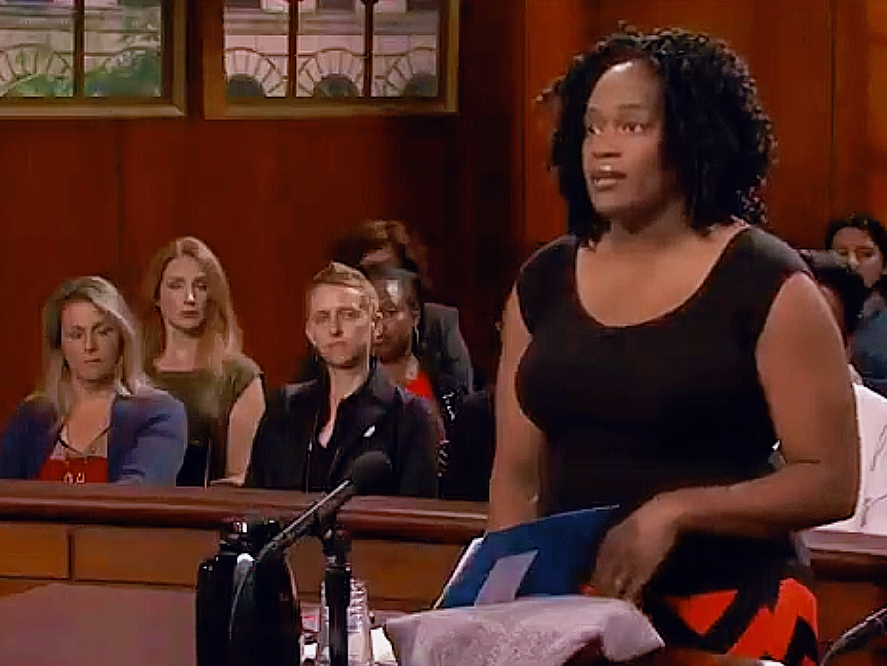
The court did not treat the end of the relationship as proof that the rent should be returned. The parties had agreed to live together, and the stated arrangement required a $200 monthly contribution. The fact that the arrangement later failed did not automatically transform those payments into money owed back to Simpson.

What Happened to the Tablet
Simpson’s second allegation concerned a tablet. She said she went to Mullins’s home during the last week of August to try to work things out. According to her account, Mullins let her through the front door. As they walked down the long hallway toward his apartment, he grabbed her belongings from the side of her body.
Simpson said the tablet slipped out and fell onto the floor or into the hallway. She claimed Mullins broke it. The testimony did not establish that he deliberately smashed the device. When asked whether the tablet had been wrapped in her sweater, Simpson agreed, although she added that Mullins had been playing or “horsing” around.

Mullins also attempted to raise a counterclaim for supporting Simpson and her children during the time they lived with him. The court did not accept that argument as a basis for a new recovery. Two people had decided to live together; when the arrangement ended, they went their separate ways. The failed relationship did not, by itself, create a reimbursement claim for the support one partner had provided during the shared period.

The Rulings
Turner’s claim against Montgomery was dismissed without prejudice because it was brought before the website project was ready for a final determination. Turner still needed to provide a valid payment method, product prices, product descriptions, and the business information required to operate the store. Montgomery’s work could not be evaluated fairly without those items.
Simpson’s claim against Mullins was dismissed. The court found that the parties’ agreement was based on $200 per month, which corresponded to the payment credited to Simpson. The evidence did not establish that she was entitled to recover rent simply because the relationship ended or because the parties disagreed about the precise move-out date.

The tablet allegation also did not succeed. The evidence described a device that fell during an encounter, not a proven act of deliberate or vicious destruction.
Although the disputes involved very different circumstances, both turned on proof rather than accusation. In the first, the claimant had not supplied all the information needed to complete the work before filing the claim. In the second, the claimant had to establish that money was owed back and that the property damage was intentional. In neither matter did the available evidence support the requested recovery.

FAQ
Who were the parties in the website dispute?
The parties were Jeffrey Turner and Marcus Montgomery. Turner hired Montgomery to build a website for the proposed football-jersey business Sportswear Alley.
How much did Jeffrey Turner pay?
Turner testified that he paid $18 initially and then $1,695 on September 15, 2015, for a total of $1,713.
Why was the website claim dismissed?
The claim was considered premature because Turner had not supplied a recognized payment method, product prices, product descriptions, and certain business information needed to finish the site.
Who were the parties in the rent and tablet dispute?
The parties were Doris Simpson and Ulysses Mullins, former partners who disagreed about rent, shared housing, and a tablet that fell during a later visit.
Did Doris Simpson recover the rent she claimed?
No. The court dismissed the claim after finding that the parties’ stated arrangement required $200 per month and that the evidence did not establish a right to recover the payment.
Was the tablet intentionally damaged?
The evidence did not prove intentional damage. The tablet was described as falling during an encounter while Simpson’s belongings were being handled.