A truck was supposed to solve one neighbor’s work problem. Instead, a cash arrangement, a replacement vehicle, and a hidden loan lien left one man with a truck he could not freely own and another facing accusations of fraud, harassment, and assault. In the second case, a family favor created a different kind of debt: CareCredit charges, tolls, and a disputed car arrangement that ended with a $973 judgment.
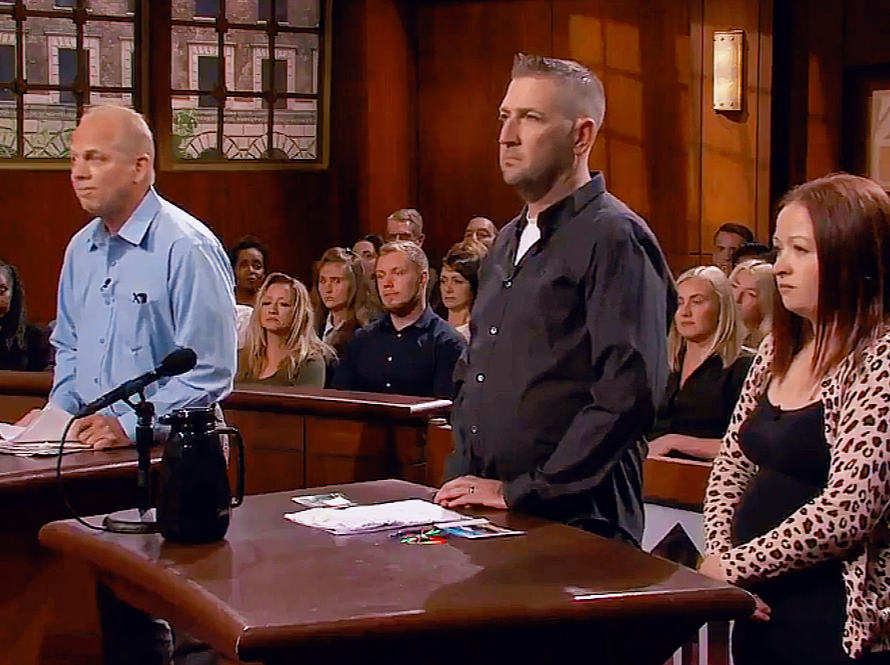
Case One: Charles Griffith v. Scott and Deborah Fitzgerald
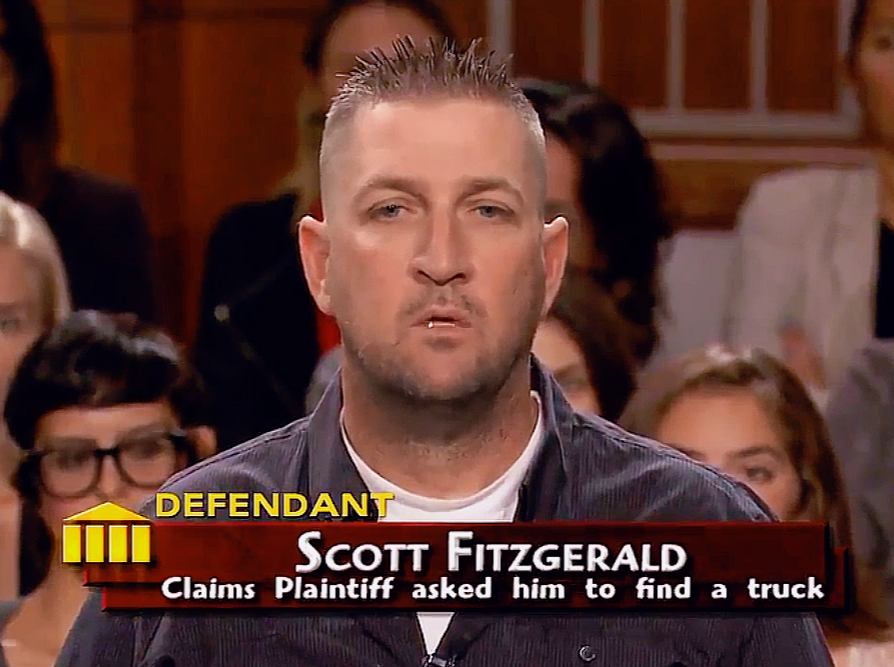
The first case began as a neighborly conversation and ended with a title-loan problem that changed the practical value of the deal. Charles Griffith, a self-employed carpenter who had lived in his rented home for four years, said he was looking for a truck capable of pulling a trailer. Scott Fitzgerald, who had moved into the neighborhood roughly six months earlier, told him he might be able to locate one through tow-yard auctions.
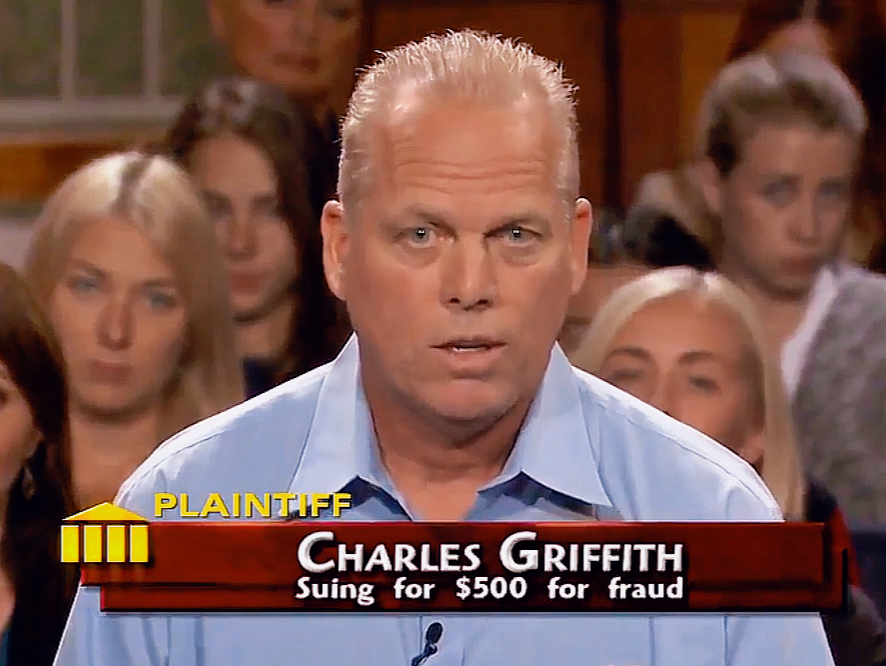
The arrangement was not simply a private sale. It was a promise built on access, timing, and trust. Fitzgerald said the auctions were open to the public. Judge Judy immediately questioned why Griffith needed Fitzgerald’s help if no special license was required. The answer mattered because money changed hands even though no truck was delivered.
The Truck Promise and the Change in Terms
According to Fitzgerald’s testimony, Griffith gave him money in two payments. The figures discussed in court were $3,800 and $1,200, while the opening account described the dispute as involving approximately $5,400. The testimony also shifted over whether the money was intended for a truck purchase or was a loan to be repaid by Thanksgiving.
Fitzgerald said he had become ill and had been in and out of the hospital. He acknowledged using some of the money for bills and said he had expected to repay Griffith. The explanation did not resolve the central problem: Griffith had paid for a truck, but he had not received the vehicle he believed had been promised.
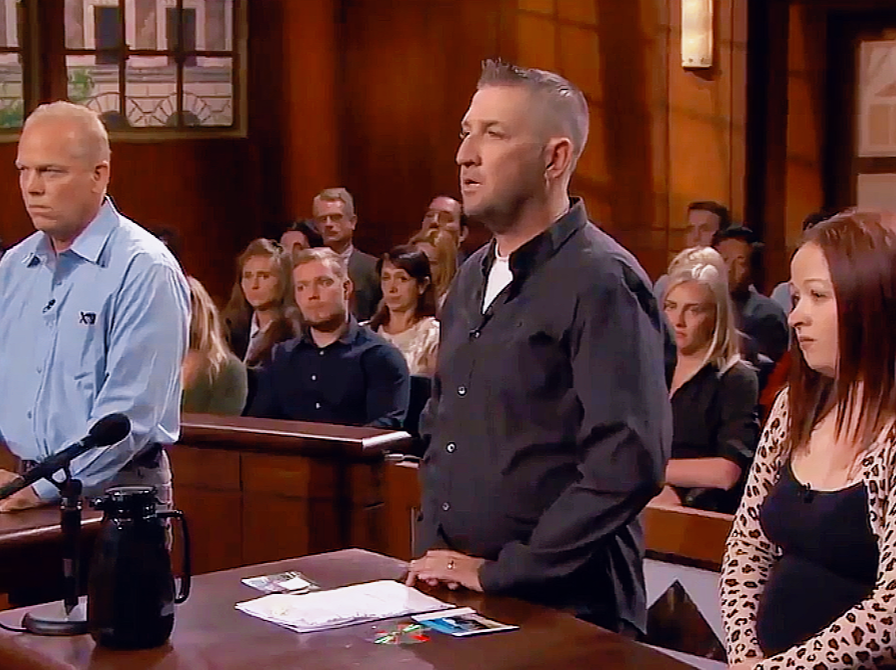
Griffith offered a different timeline. He said the conversation began on July 5, while he was walking his dog past Fitzgerald’s house. Griffith said Fitzgerald told him about a 2003 Ford F-350 dually truck at the tow yard where he worked. The stated price was $3,800. Griffith did not have the full amount immediately, so he borrowed $4,000 from his landlord for 30 days and expected to repay that loan with an insurance check connected to his wife’s serious car accident.
Before the transaction was completed, Griffith said Fitzgerald offered a different vehicle: a 2007 truck in better condition with lower mileage, priced at $5,400. Griffith testified that he assembled the additional money gradually from contracted work and paid Fitzgerald over roughly two weeks. Fitzgerald did not produce the promised truck, and Griffith eventually demanded an explanation and the return of his money.
The Ford Ranger and the TitleMax Lien
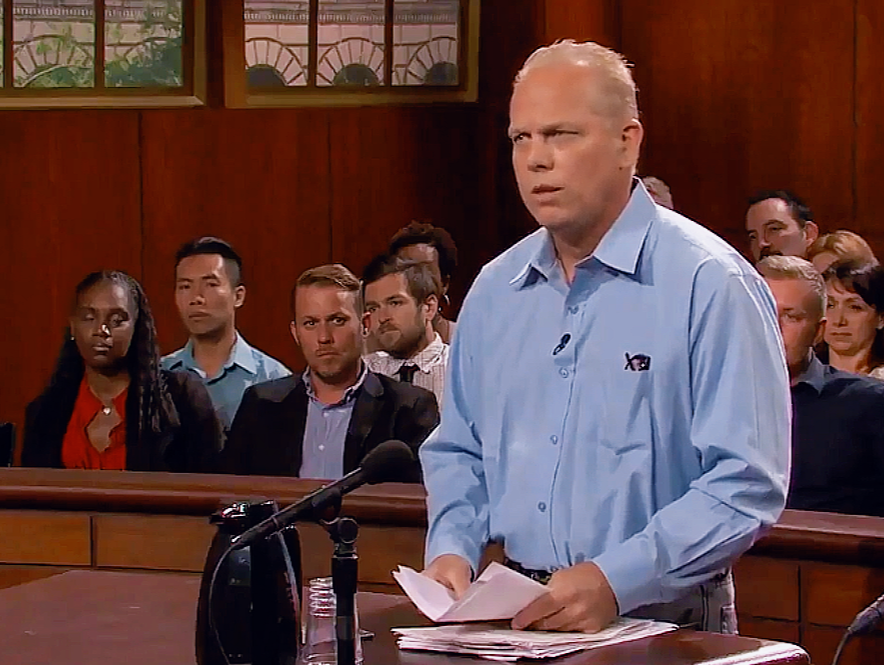
The dispute changed when Fitzgerald gave Griffith a 2000 Ford Ranger Prerunner. The vehicle was presented as a way to settle the failed truck arrangement. Griffith accepted it, but when he tried to register the vehicle, he discovered that it was subject to a loan through TitleMax.
The balance was described in court as approximately $3,600, with interest increasing by about $10 a day. Griffith had possession of the truck, but TitleMax held the title and the vehicle was not free and clear. That distinction became the most important evidence in the case. A vehicle can appear to resolve a debt while still carrying an obligation that follows the title.
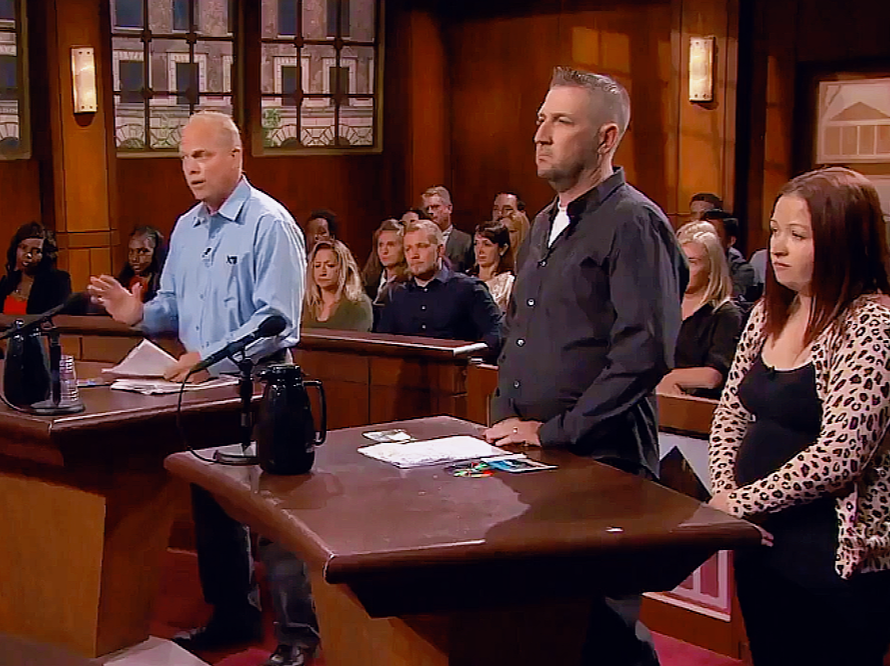
Judge Judy asked for proof. Griffith presented documentation from the DMV indicating that TitleMax owned the title. The court therefore had to address more than the neighbors’ conflicting accounts. It had to determine how the truck could remain with Griffith without leaving him responsible for a lien he had not agreed to assume.

The Counterclaim and the Court’s Resolution
Fitzgerald filed a counterclaim accusing Griffith of harassment and bullying and alleging that Griffith had assaulted Fitzgerald’s wife. The counterclaim brought Tony Quinn into the courtroom as a witness. Quinn testified that he had also dealt with Fitzgerald in a similar vehicle-related matter, had paid money, and had a police report and an admission that money was owed. His testimony supported the existence of another disputed transaction, but it did not replace the evidence required to decide Griffith’s claim.
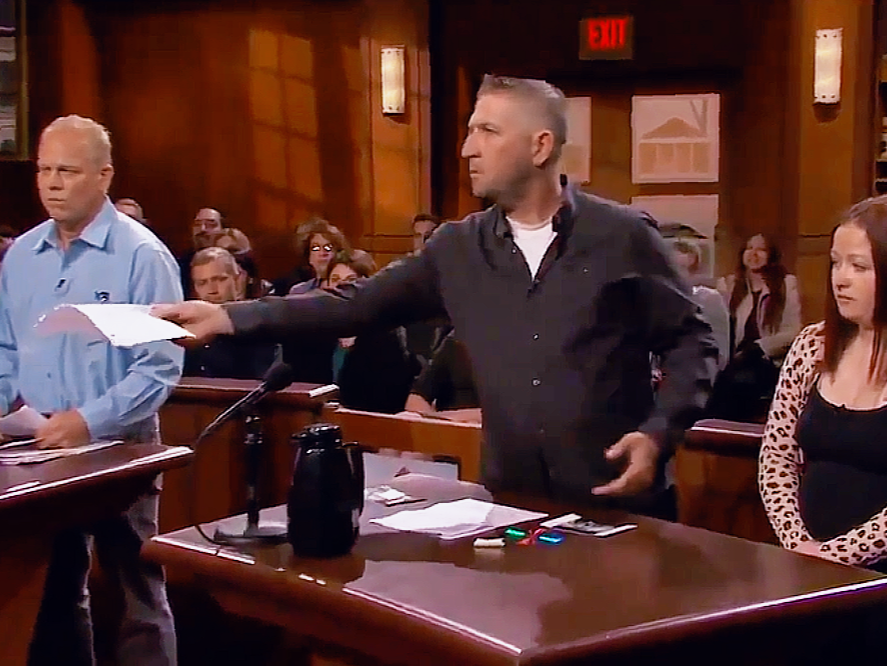
Judge Judy rejected the counterclaims and focused on the vehicle itself. The court’s resolution was to direct payment to TitleMax so the lien could be cleared while Griffith kept the truck he had accepted as satisfaction of the original arrangement. In practical terms, Griffith would receive a free-and-clear title rather than return the truck to Fitzgerald. Fitzgerald would not simply reclaim the vehicle, particularly because the counterclaim was dismissed.
The outcome did not erase the uncertainty that brought the neighbors to court. It did, however, identify the document that controlled the dispute: the title and the lien attached to it. The case shows why a vehicle transfer is not complete merely because the keys change hands. Ownership, debt, and title status must all align.

Case Two: Ricky and Jessica Salazar v. Eliza Rodriguez
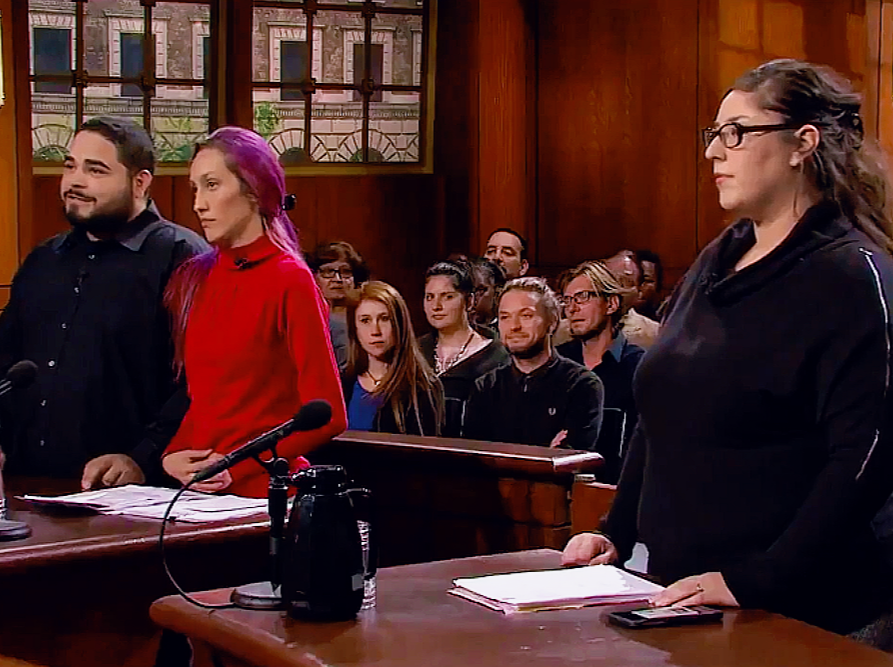
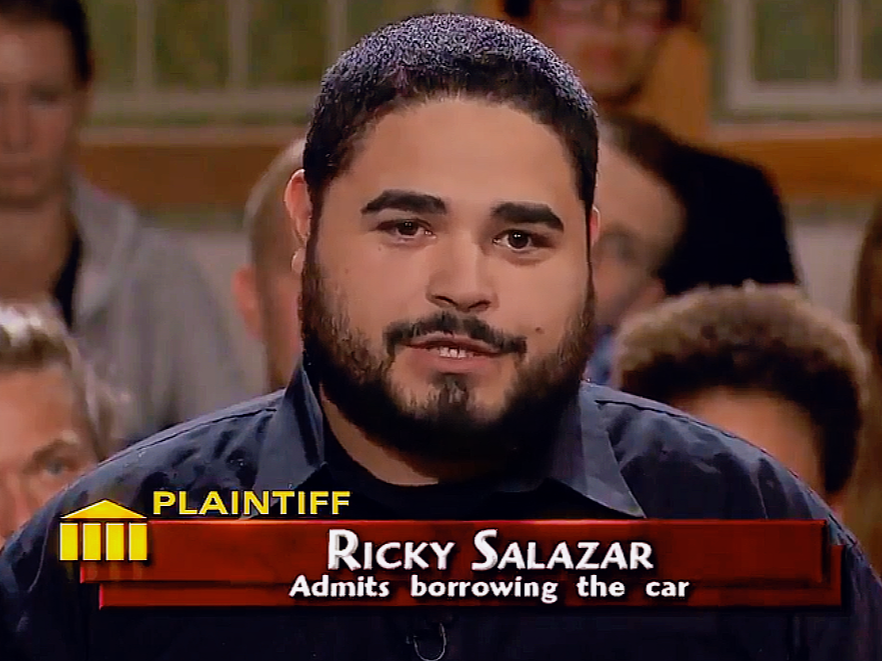
The second case involved family, housing, and the cost of extending help. Ricky and Jessica Salazar sued Ricky’s aunt, Eliza Rodriguez, over unpaid CareCredit charges and toll fees connected to a car they had leased and allowed her to use.
The arrangement began when Rodriguez and her son were at risk of becoming homeless. The Salazars agreed to let her move into their home. The parties agreed that Rodriguez would pay $500 per month in rent once she found work. She eventually moved out, but the household arrangement did not end cleanly. Several financial obligations remained disputed.
CareCredit, Rent, and the Leased Car
Rodriguez used Ricky Salazar’s CareCredit account for dental work and eyewear. She said the amount was close to $687. She also testified that she had made several payments, including one of about $75, but she did not bring documentation proving the full amount paid.
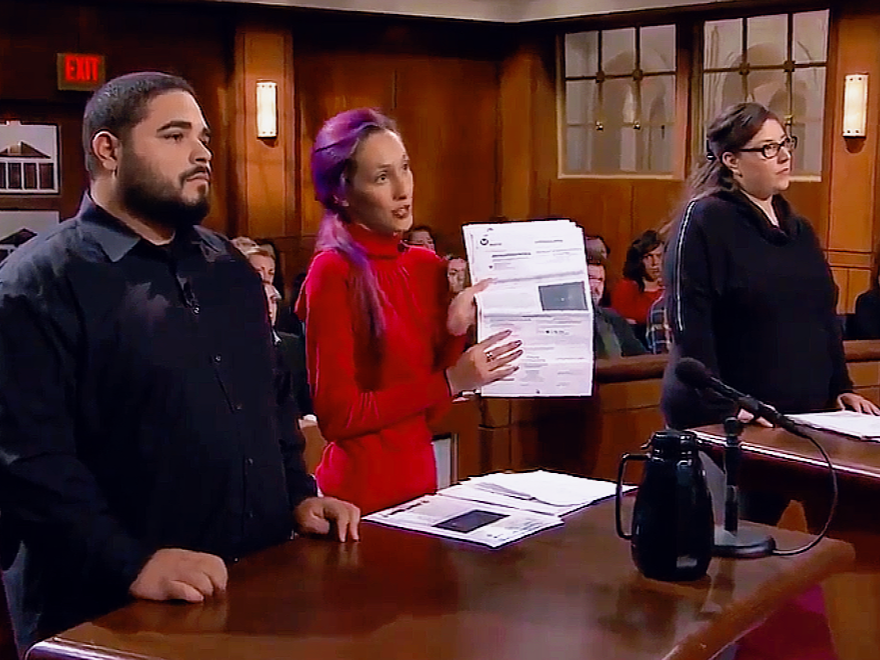
The account statement shown in court reflected a new balance of $694.27, including accumulated fees. The difference between the original charges and the later balance became important because the account holder remained responsible to the lender regardless of the family relationship between the parties.
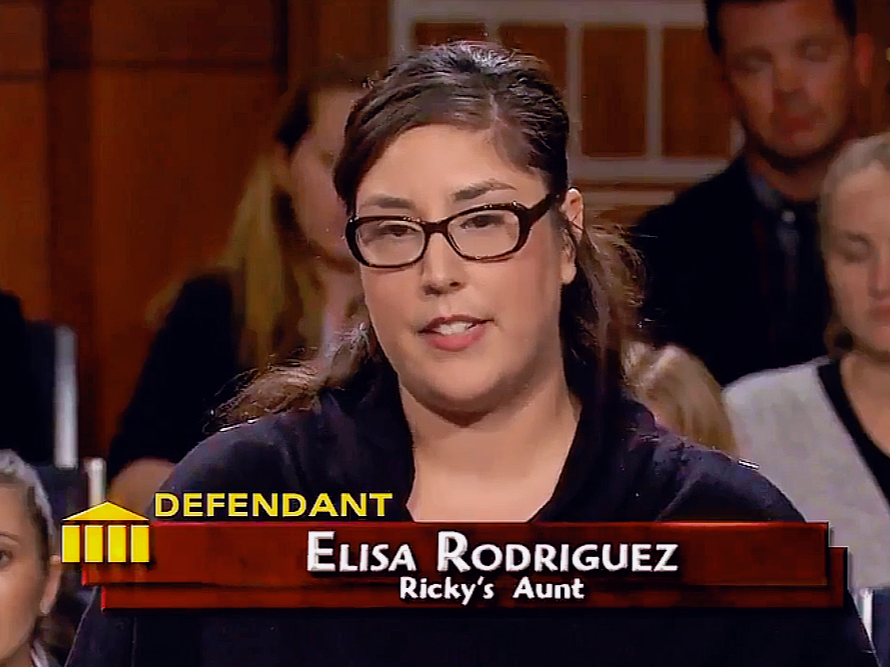
The vehicle issue was more complicated. Ricky explained that he leased a car for himself and lent it to Rodriguez while she attempted to refinance or otherwise assume the expense. Judge Judy pointed out that a lease does not automatically transfer ownership to the person using the vehicle. Ricky also acknowledged borrowing the car twice, including for a trip to Mexico, which raised questions about mileage and responsibility.
The Salazars also sought payment for tolls. Their initial estimate was close to $250, but the figure presented after reviewing the records was $279.35. Judge Judy examined the dates and locations and excluded at least one February toll because Ricky had been in the car on that occasion. The remaining charges were tied to Rodriguez’s possession of the vehicle after she had moved out.

Tolls, Evidence, and the $973 Judgment
The hearing demonstrated why records mattered more than estimates. The Salazars had statements and payment documentation for the toll charges, while Rodriguez did not provide equivalent proof that she had paid the full CareCredit balance. At the same time, the court did not automatically accept every amount claimed. The February toll connected to a shared trip was removed from the calculation.
The transcript states that the court arrived at a total of $973 and entered judgment for the plaintiffs in that amount. The vehicle-damage allegation did not add to the award because the Salazars had not charged Rodriguez for those damages. Judge Judy treated that claim as outside the amount properly supported for recovery.
The second case ended more simply than the first. There was no hidden title lien to clear and no competing counterclaim that altered the remedy. The judgment rested on unpaid account charges and tolls supported by the available records. Family assistance had become a ledger, and the court separated the documented obligations from the allegations that were not part of the recoverable claim.
What These Two Cases Reveal
Although the disputes involved different relationships, both turned on the same question: What exactly was promised, and what can the evidence prove? In the truck case, the dispute moved from a verbal promise to a vehicle with a TitleMax lien. In the family case, help with housing and transportation became a set of account charges and toll records.
Neither case required the court to decide whether a person was generally trustworthy. The court examined particular transactions, documents, dates, amounts, and admissions. That approach protected the parties from having a broad accusation substitute for proof. It also showed the limits of informal arrangements. Neighbors and relatives may begin with confidence, but once money, titles, leases, and credit accounts are involved, a written record can determine what happens next.

FAQ
Who sued over the truck deal?
Charles Griffith sued neighbors Scott and Deborah Fitzgerald. The dispute concerned money paid toward a truck, a replacement 2000 Ford Ranger, and a TitleMax lien on that vehicle.
How much money was involved in the truck case?
The opening subtitle describes approximately $5,400, while the testimony discusses payments of $3,800 and $1,200 and later a 2007 truck priced at $5,400. Because the figures were not presented consistently, this article reports the amounts as stated rather than treating them as a single uncontested total.
What was the TitleMax issue?
The Ford Ranger given to Griffith was subject to a TitleMax loan. The court treated the lien as a problem that had to be cleared before Griffith could receive a free-and-clear title.
Who was sued in the second case?
Ricky and Jessica Salazar sued Ricky’s aunt, Eliza Rodriguez, over CareCredit charges and toll fees associated with a leased vehicle.
How much was the final judgment in the second case?
The court entered judgment for the plaintiffs in the amount of $973, according to the supplied SRT.