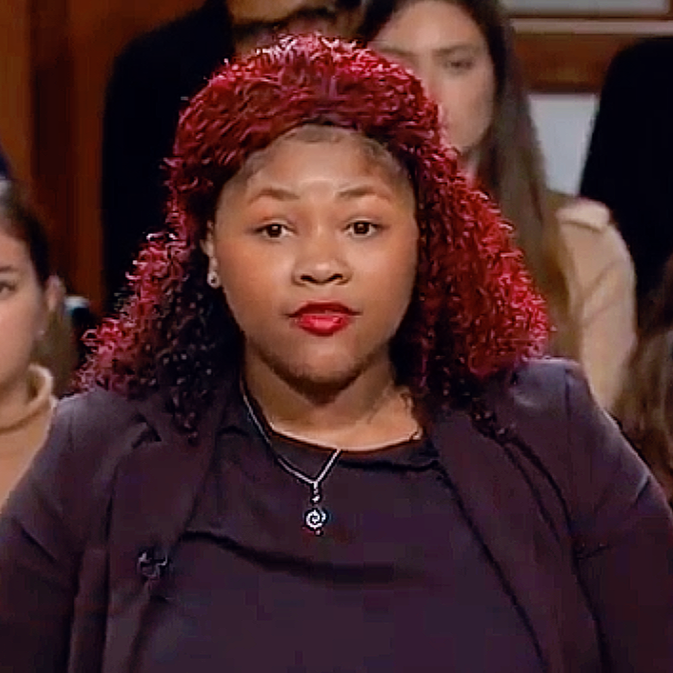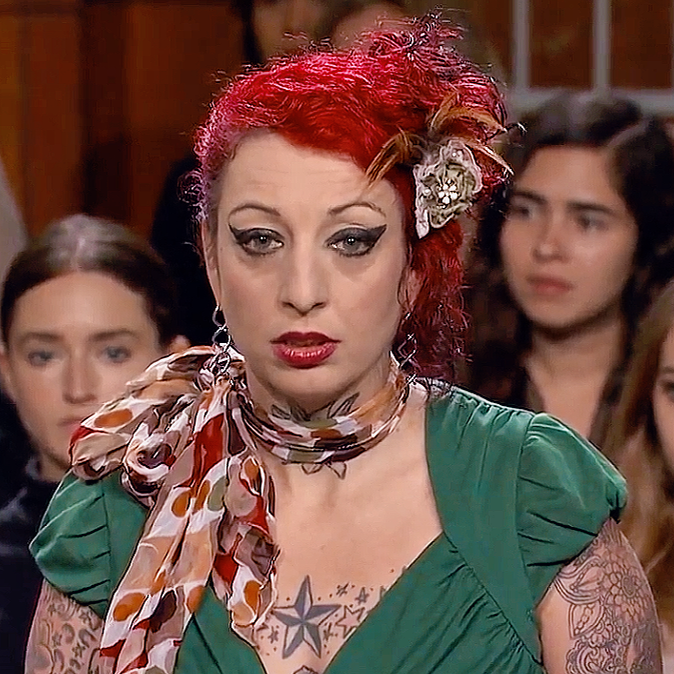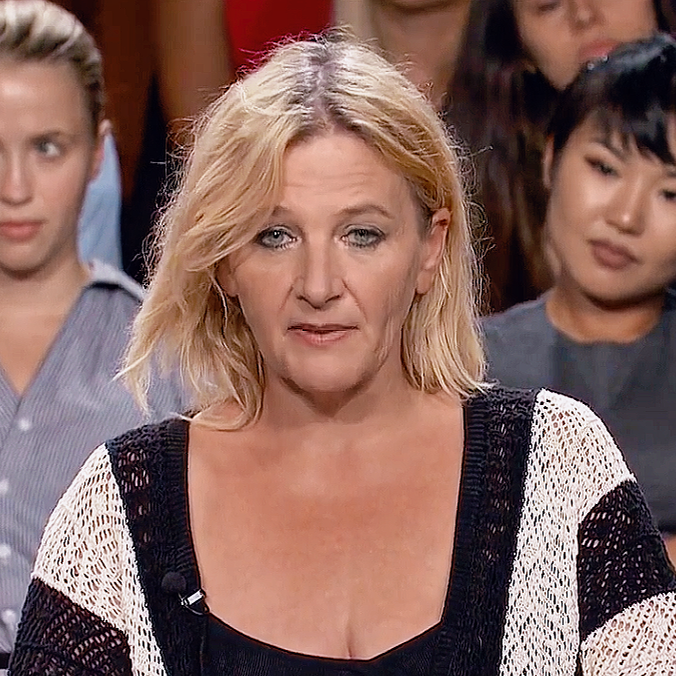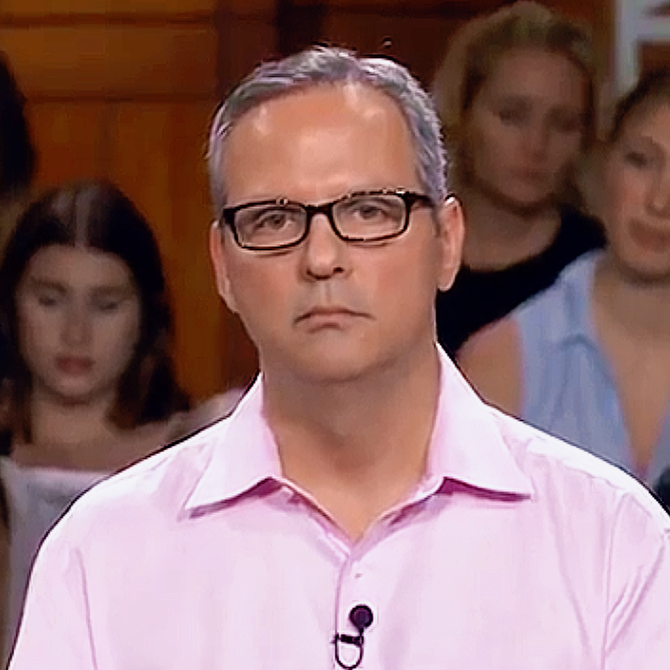
The dispute began with an eyebrow procedure and ended with seven laser-removal treatments, a missing photograph, and a judge asking a basic question: who was legally permitted to perform the service in the first place?
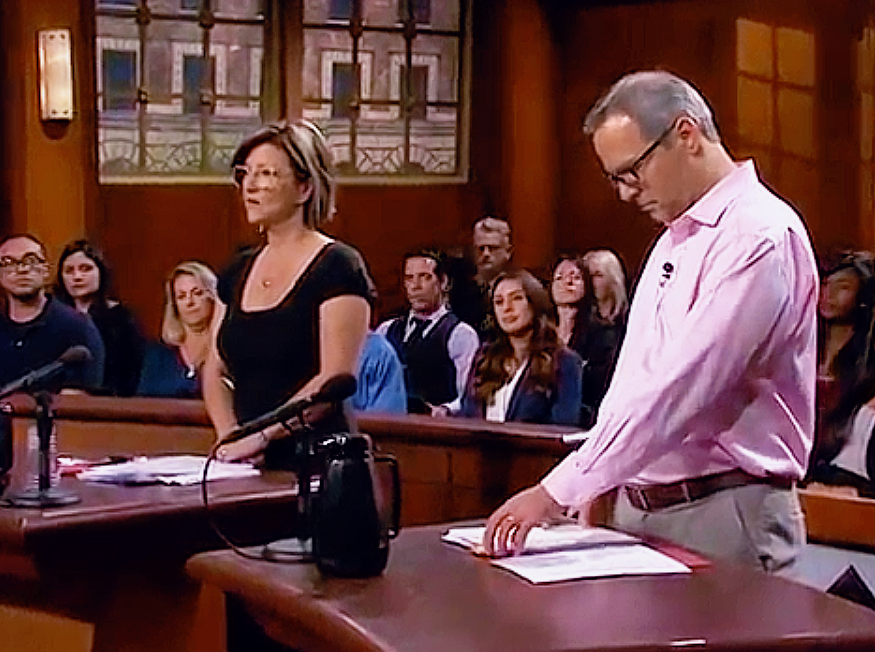
A familiar customer enters a wellness clinic
On the episode, the courtroom discussion opened with the defendant’s business. Mr. Parishal described it as a wellness clinic or spa that offered several services, including naturopathic medicine, acupuncture, massage, colon hydrotherapy, reflexology, and eyebrow microblading.
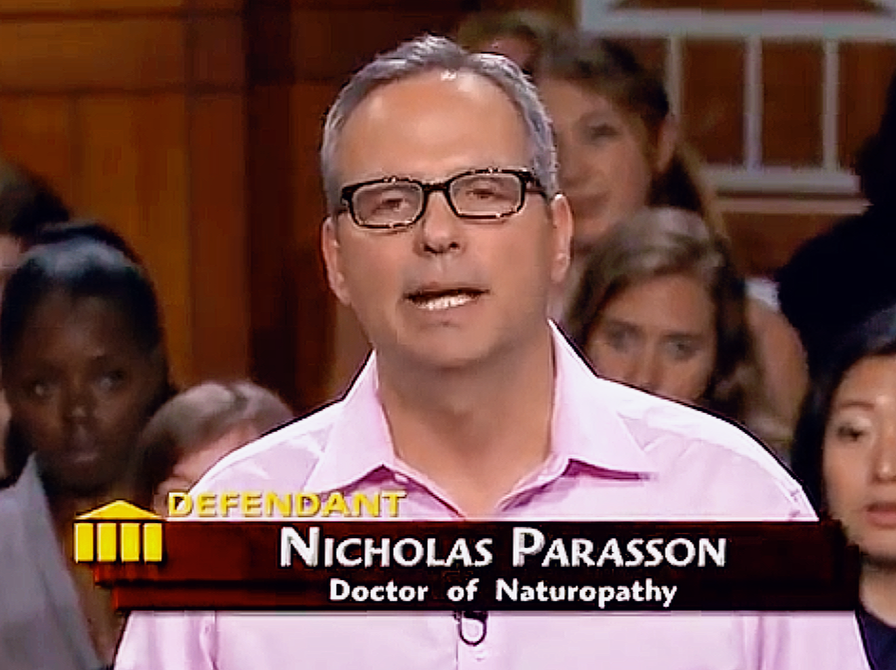
The judge immediately began separating services that required licenses in Ohio from services the parties said did not. That distinction became central to the case. Mr. Parishal acknowledged that he did not personally hold licenses for several regulated services, but said the clinic relied on individual practitioners. Lauren was identified as the acupuncturist, while Amanda was described as the massage therapist and as someone who performed the eyebrow procedure at issue.
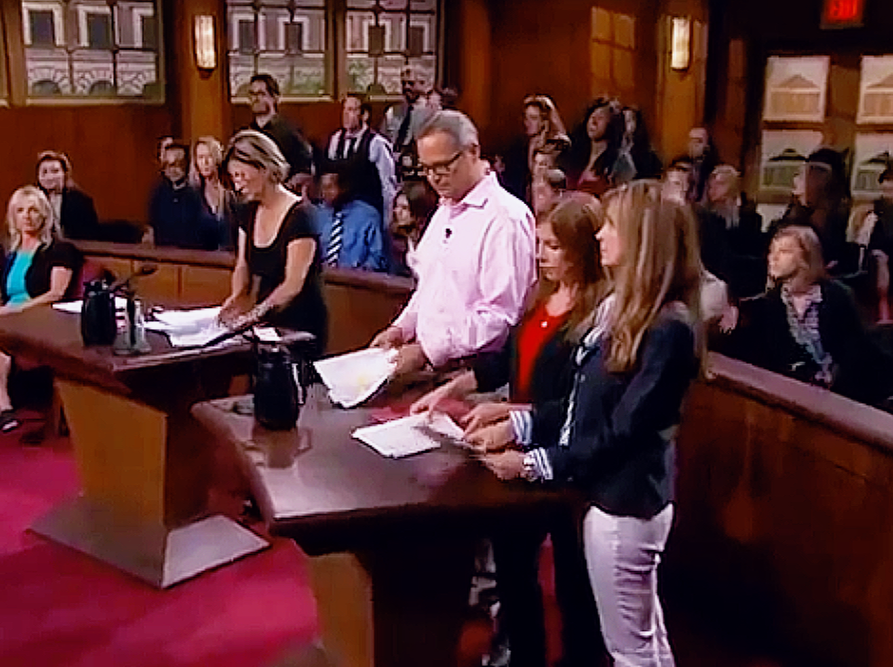
Amanda Gibble later stood and confirmed that she had performed the service for the plaintiff, Candace Tucciarelli. She said she had attended the American Microblading Academy in New York City for four days and had completed that training on October 27, 2017. The training documentation shown in court, however, was not the same as an Ohio license.

The procedure that changed the dispute
Tucciarelli had been a returning customer. She testified that she had visited Doctor Flynn beginning in 2015 and continuing into 2017, and that she had received numerous facials and other services at the clinic. She said she had been satisfied with those earlier experiences and had even left positive reviews.
On December 11, 2017, she went to the clinic for eyebrow microblading. The procedure was described in court as semi-permanent eyebrow tattooing rather than permanent tattooing. Tucciarelli said it was her first microblading procedure, although she acknowledged that she had received eyebrow tattooing approximately ten years earlier.
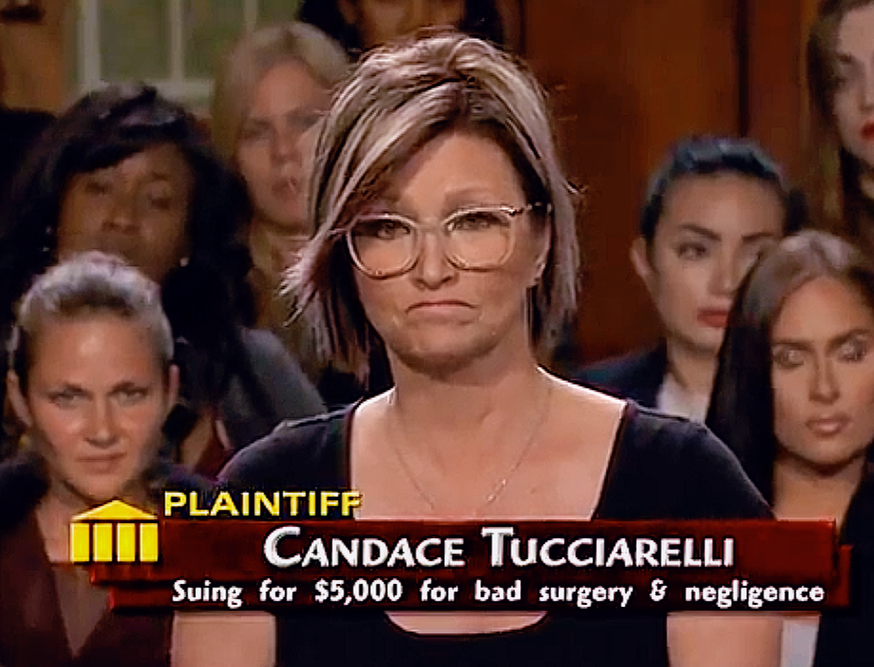
The result became the basis of her claim. Tucciarelli said she was dissatisfied with the appearance of her eyebrows and later sought treatment from a plastic surgeon. The clinic returned the money she had paid for the procedure. It also offered to bring in another, more experienced practitioner to provide a touch-up and attempt to correct the result at the clinic’s expense.
Tucciarelli declined that option after learning that the people involved were not licensed to perform the procedure. She chose to go to a plastic surgeon instead. Each laser-removal treatment cost $225. By the time of the hearing, she had undergone seven treatments, producing a total bill of $1,575.
A licensing question takes center stage
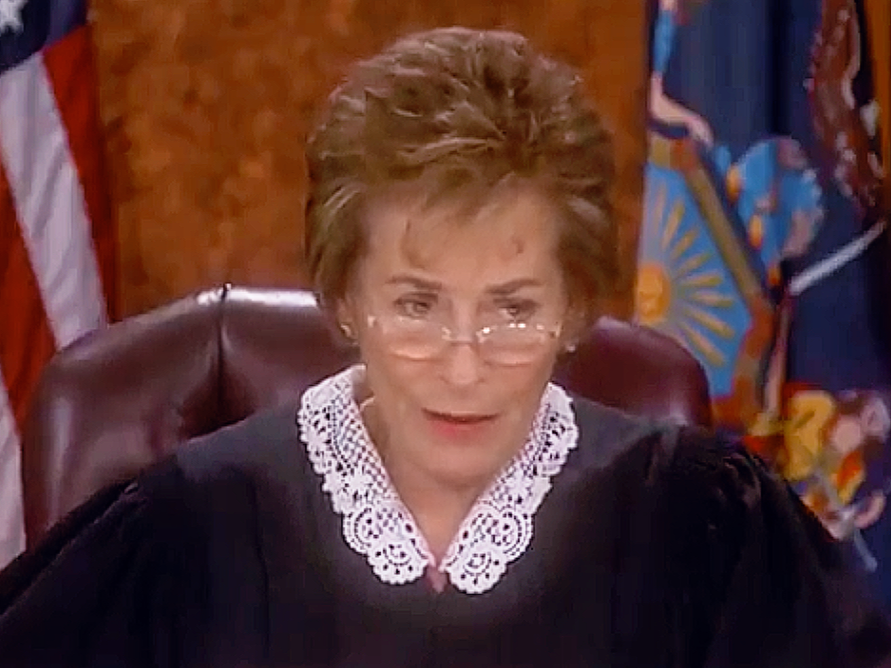
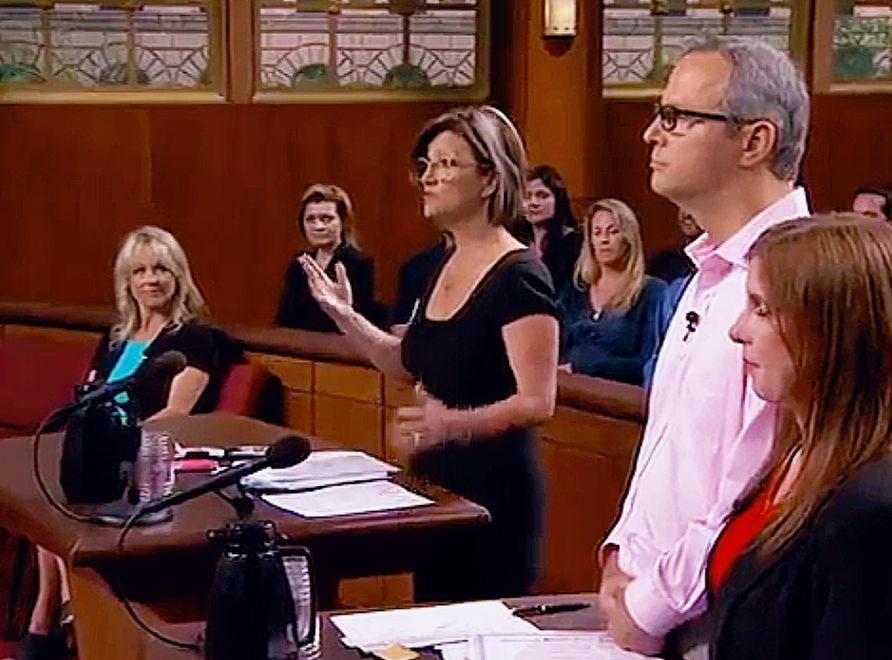
The judge’s questioning became increasingly direct when the court examined the difference between education, permission to operate a business, and a professional license.
Amanda’s training certificate showed that she had completed instruction. The judge noted that the document did not establish authorization from the state of Ohio. When the defense suggested that the school had told Amanda she could perform the procedure after training, the judge rejected that explanation as insufficient. The court compared it to completing medical, dental, or law school without obtaining the license required to practice in a state.
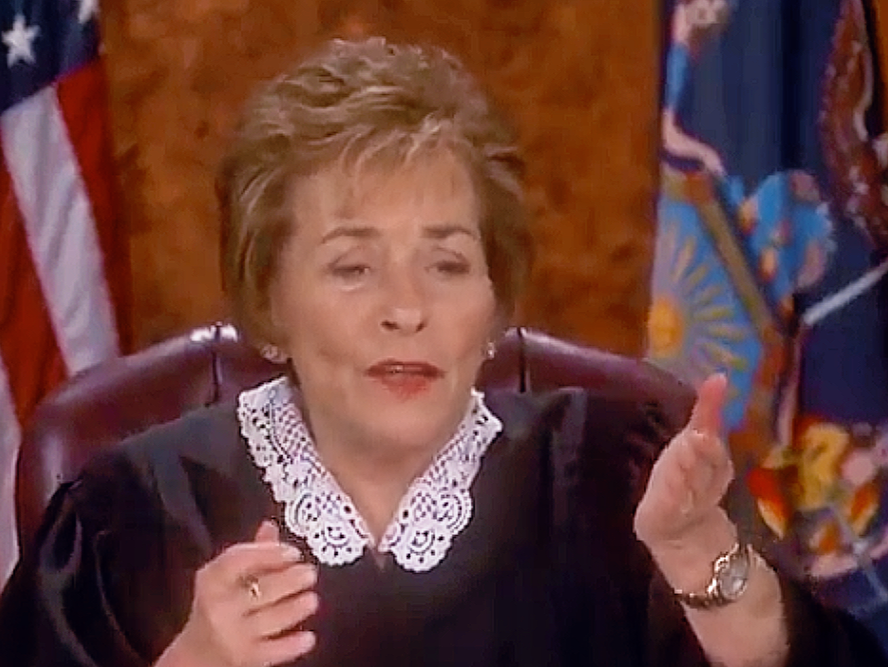
Mr. Parishal and the other witnesses appeared uncertain about whether Ohio required a tattoo license for the service. The discussion referred to a tattoo license board and to a tattooing statute. The defense also produced information suggesting that the facility was zoned for tattooing. The judge drew a sharp line between zoning and licensing: permission for a building to be used for a type of activity did not, by itself, authorize an unlicensed person to perform that activity.
The judge then asked whether the clinic was still performing the procedure. The answer was no. The business had stopped offering it because Amanda did not have the necessary license. The testimony indicated that the service would not resume unless the licensing issue was resolved.
The evidence the judge wanted to see
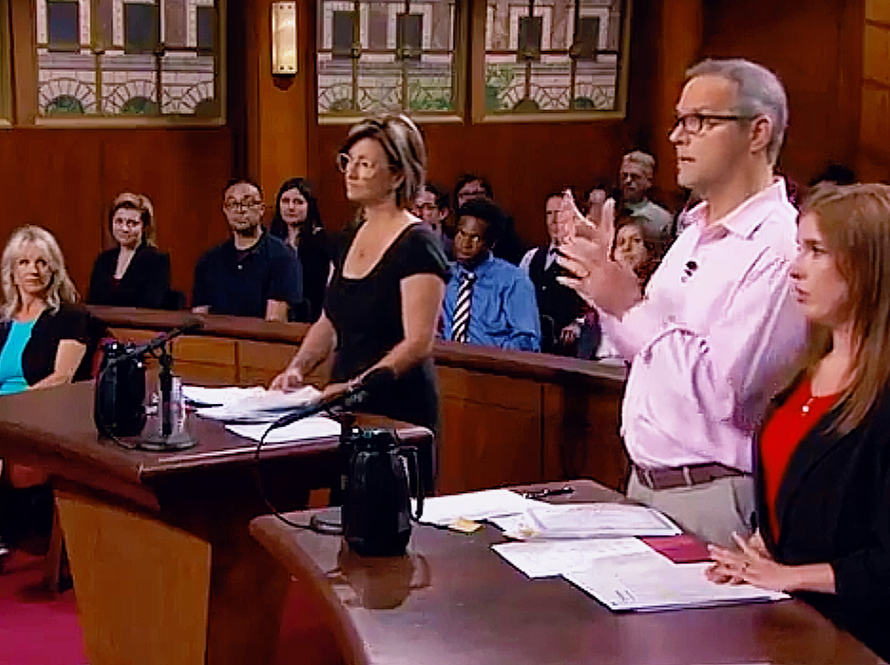
The licensing problem did not automatically resolve every question in Tucciarelli’s claim. The judge focused on a second problem: the lack of contemporaneous photographic evidence.
Tucciarelli did not take a photograph of her eyebrows immediately after the microblading or on January 8, the date she contacted the clinic to report that she was unhappy. The transcript identifies the first photograph she presented as January 26, although a later subtitle refers to the image as January 20. Because the subtitles conflict, the precise date should be treated cautiously. In either account, the image was taken weeks after the December 11 procedure, not as a record of the original condition.
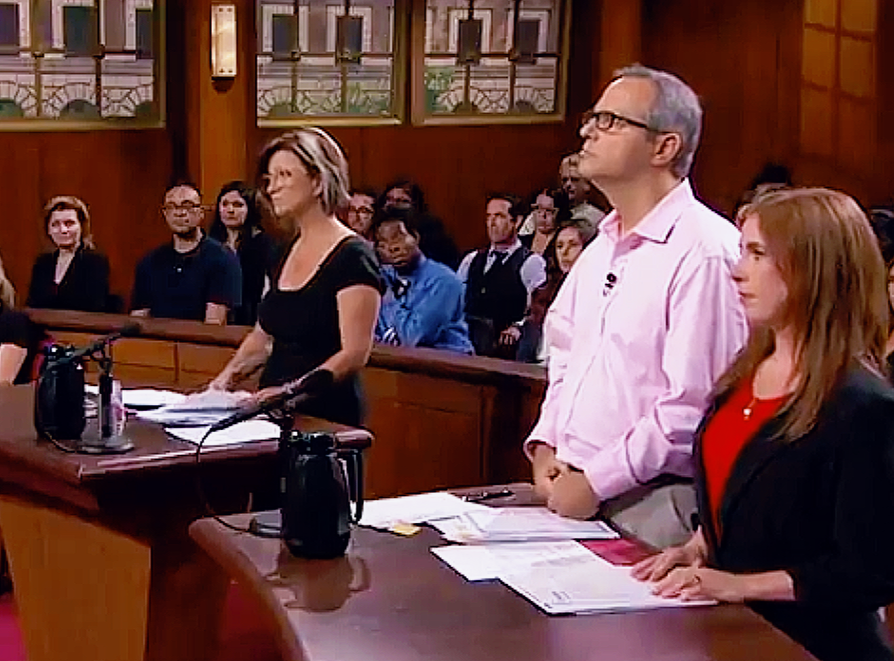
Dawn, the clinic’s operations manager, testified that Tucciarelli called on January 8. Dawn said she reached out that day, contacted Amanda, and arranged for further communication. She recalled apologizing and offering to bring in an experienced practitioner at the clinic’s expense. Tucciarelli confirmed that she had been offered another service, but said she no longer wanted a procedure performed at the same facility after learning about the licensing issue.

The missing photograph mattered because the court could not determine exactly what portion of the later problem came from the new microblading and what portion might have related to the older eyebrow tattooing. Tucciarelli acknowledged that she had undergone tattooing in the same area ten years earlier. The defense also referred to an informed-consent form that discussed the prior tattooing.
The judge did not dismiss the licensing issue. Instead, the court separated it from the proof needed to evaluate the full extent of the claimed damage. In the judge’s view, the absence of a photograph made it harder to measure the condition that had triggered the complaint.
Seven laser treatments and the final ruling
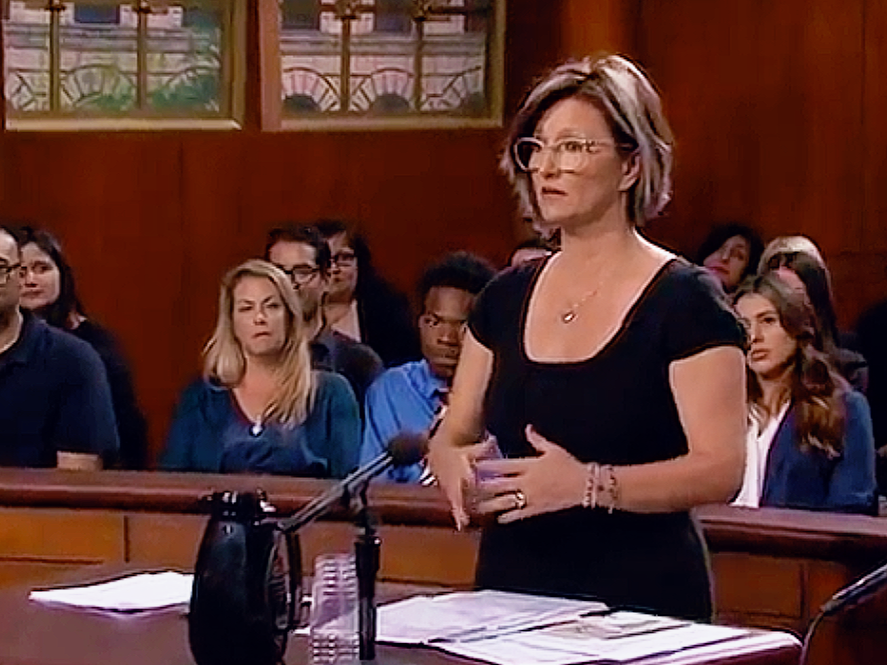
By the end of the exchange, the financial evidence was straightforward. Tucciarelli had received a refund for the original eyebrow procedure. She then presented records showing seven laser-removal treatments at $225 each. The total was $1,575.
The judge emphasized that Tucciarelli was entitled to seek help from a plastic surgeon if that was the treatment she preferred. The court also acknowledged that the clinic had taken some appropriate steps by returning the procedure fee and offering to pay for corrective work. At the same time, the judge recognized why Tucciarelli did not want another procedure performed by the same facility after discovering that the original practitioner lacked the required license.
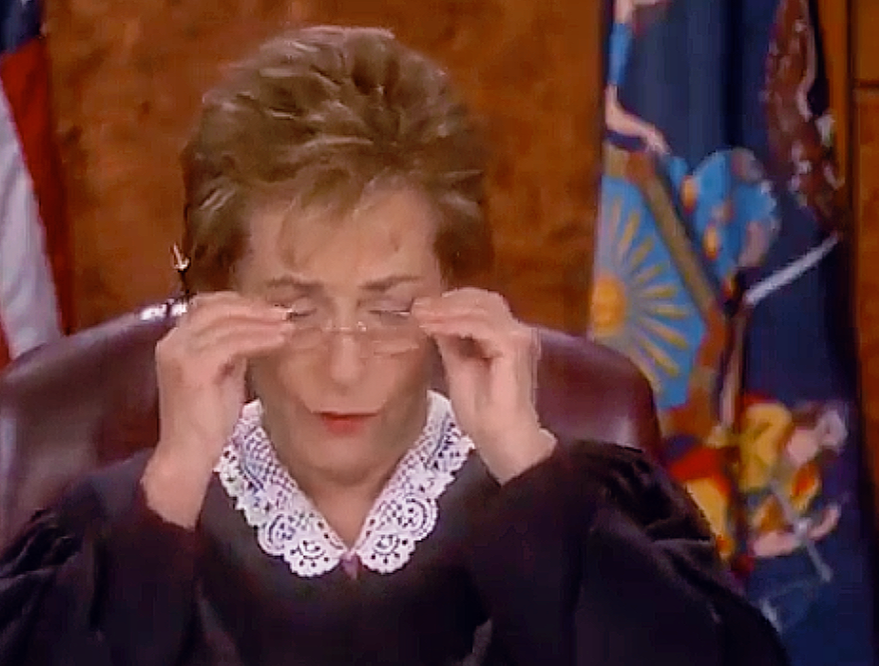
The court ultimately entered judgment for the plaintiff in the amount of $1,575. The judge described the clinic’s decision to pay for the plastic-surgeon treatment as the wisest course under the circumstances. The ruling closed a case defined by two competing realities: the plaintiff lacked the photographs that would have documented the original appearance, but the defense could not show that the person who performed the procedure held the required Ohio license.
The episode’s central lesson was not simply about an unhappy cosmetic result. It was about the difference between training and authorization, the importance of documenting a disputed condition promptly, and the consequences that can follow when a business offers a regulated service without confirming that the person performing it is licensed.
Frequently Asked Questions
Who was the plaintiff in the Judge Judy microblading case?
The plaintiff was Candace Tucciarelli. She claimed that she was dissatisfied with an eyebrow microblading procedure and sought compensation for corrective treatment.
Who performed the eyebrow procedure?
Amanda Gibble testified that she performed the procedure on December 11, 2017. She had trained at the American Microblading Academy in New York City, but the court focused on whether that training established an Ohio license.
Was the clinic’s procedure permanent?
The testimony described it as semi-permanent eyebrow tattooing, also referred to as microblading, rather than permanent tattooing.
How much did the plaintiff receive in the judgment?
Judge Judy entered judgment for $1,575, the amount associated with seven laser-removal treatments at $225 each.
Did the clinic refund the original procedure fee?
Yes. The testimony stated that the clinic returned the money Tucciarelli had paid for the eyebrow procedure and offered to pay for corrective work by an experienced practitioner.
Why did the missing photograph matter?
The judge said that without a photograph taken when Tucciarelli first complained, it was difficult to determine the exact condition of her eyebrows and to distinguish the effects of the new procedure from the older tattooing she had received ten years earlier.