A grandson stood in court as his grandfather sought repayment of a $1,500 loan. Minutes later, a mother asked her daughter to return $1,650 after a cancelled Caribbean trip and a refund that had not been returned to her. In both cases, the money moved through close relationships—and in both cases, the real dispute was not only financial. It was about what had been promised, what had been understood, and what happened when the family stopped talking.
When a Custody Fight Became a Family Debt
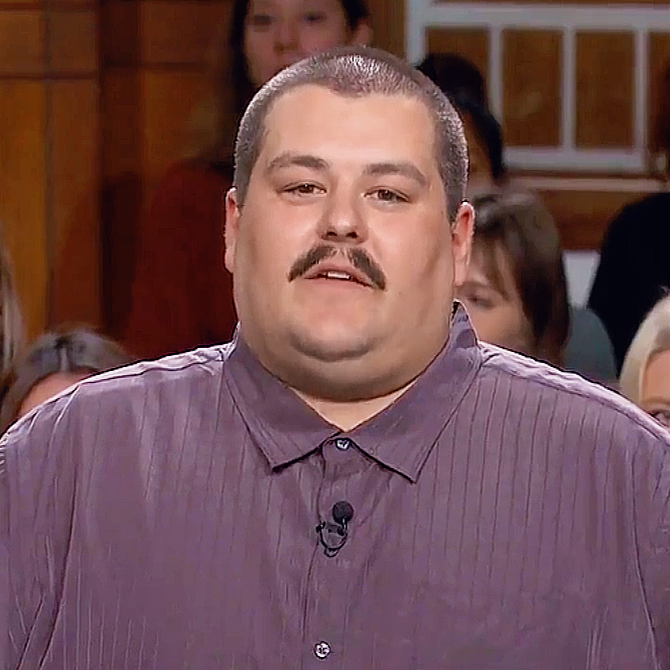
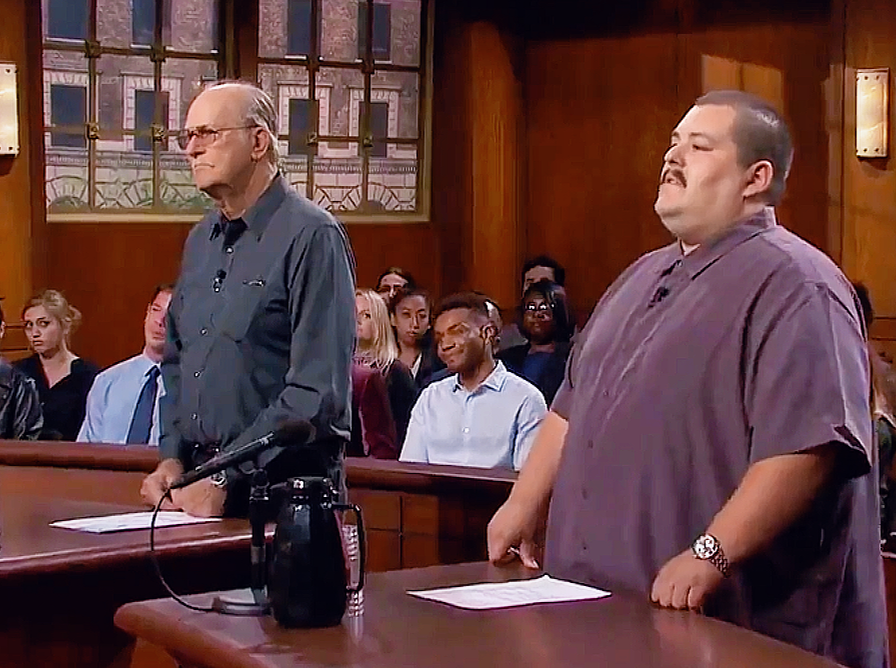
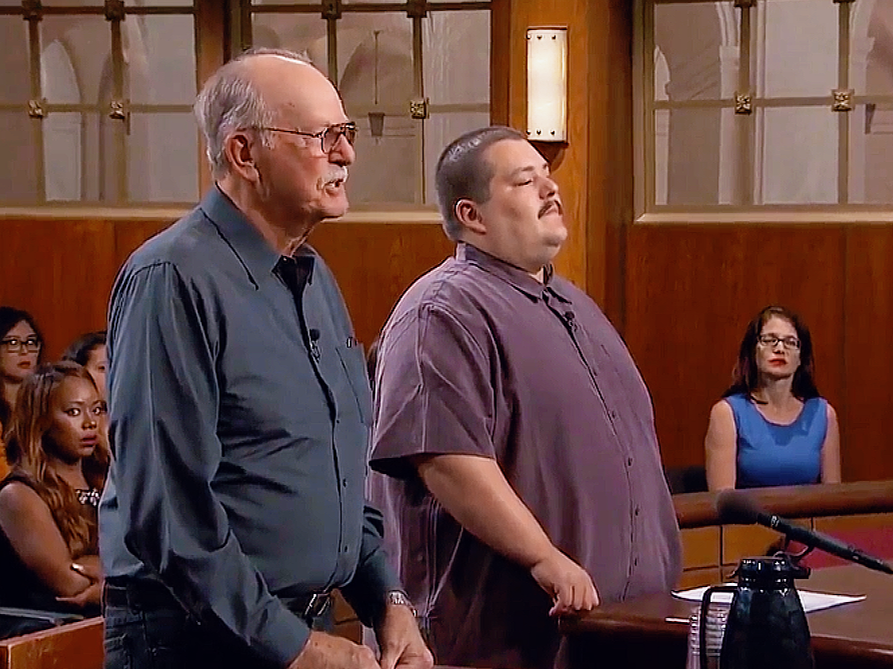
The first case, Straight v. Straight, opened with Larry Straight suing his grandson, Matthew Straight, for $1,500. The money had been used to help Matthew pay attorney fees in a custody dispute involving his four-year-old son.
Matthew, 33, told Judge Judith Scheindlin that he managed a maintenance company and that his son had lived with him since birth. He and the child’s mother had been apart for two years. When the mother later sought full custody, Matthew said she filed a parenting plan and he needed legal representation.
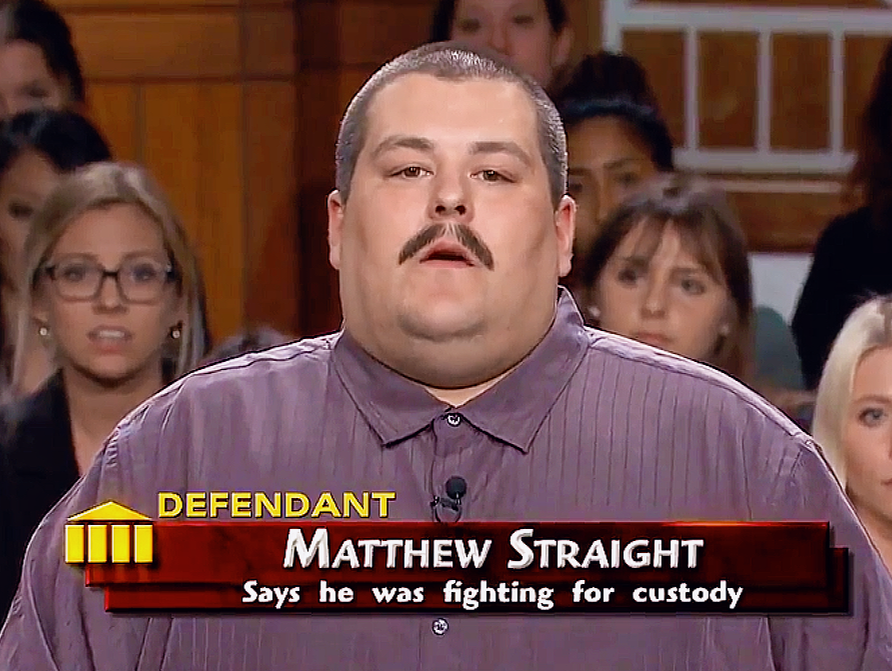
The custody matter was still active. Matthew said the mother lived in the same city and had seen the child five times since the parties went to court in July, with those visits supervised. The SRT does not identify the jurisdiction or explain the underlying custody allegations, so the focus in this case remained the money Matthew received from his grandfather.
Matthew said Larry gave him $1,500 around the end of July or the beginning of August. The court date was in October, and the custody battle had not concluded by the time of the televised hearing, which the exchange places in July of the following year. Matthew still had the same lawyer. He said he had sold several cars and used income from his job to cover additional legal costs, including $25 beyond the money he had already had and received. Judge Scheindlin summarized that he had paid the lawyer about $5,000 in total.
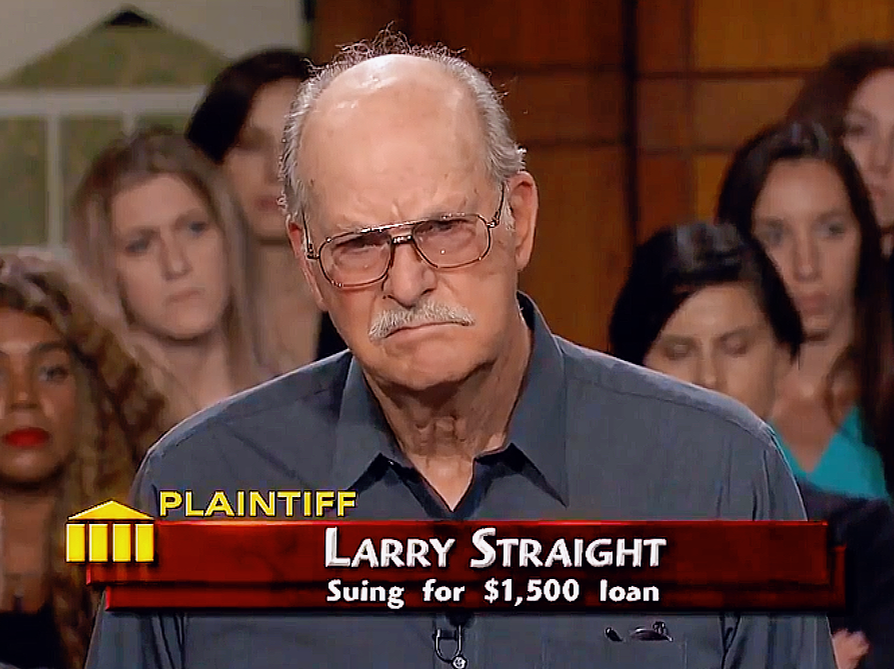
Larry Straight and Matthew Straight: Gift or Loan?
The central question was simple but consequential: was the $1,500 a loan, or was it family assistance that did not need to be repaid?
Matthew testified that Larry asked for the money back at a birthday party. Their birthdays were two days apart, and Matthew identified his own birthday as August 23. According to Matthew, Larry said he was going on a trip and needed the money before he left. Matthew replied that he did not have it. After that exchange, Matthew said, he and Larry did not discuss the issue directly for nearly a year.
Instead, communication came through Larry’s wife, Daris. Matthew described her emails and phone calls as persistent, while emphasizing that he had not spoken with Larry directly about repayment. Judge Scheindlin challenged that explanation: Matthew had known how to reach Larry when he needed financial help, so why had he not contacted him once the money was requested back?
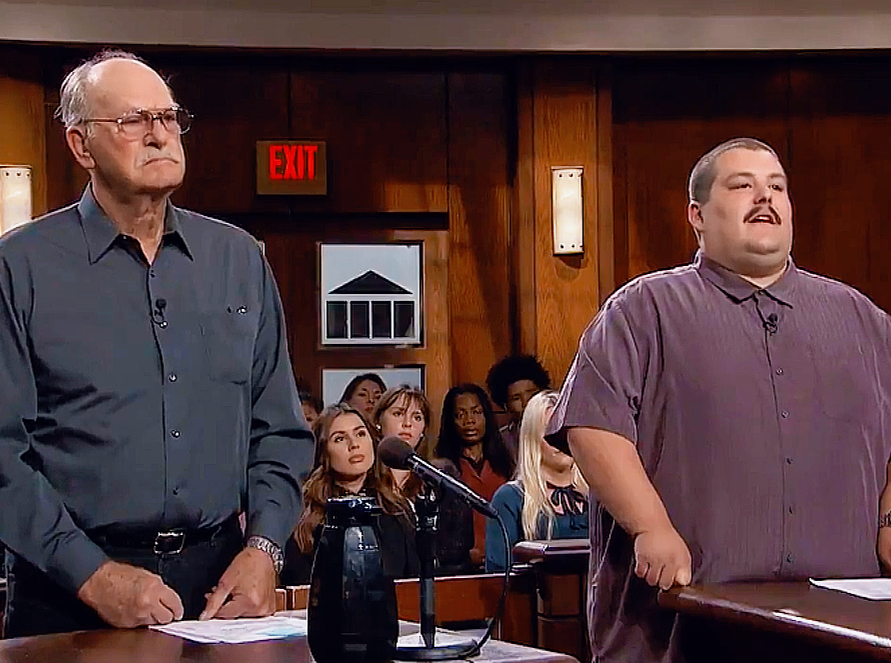
Matthew answered that the original arrangement had also gone through Daris. He said she had asked Larry about helping him after Matthew explained what was happening in his life. At first, Matthew said, he did not think he needed a lawyer. Daris suggested that he obtain one, and he later learned that the attorney wanted a $2,500 retainer. Matthew had about $1,000, leaving him short by $1,500.
He said he called Daris, told her about the retainer, and was later told that his grandfather would help. The following week, Matthew drove to his grandfather’s home—he estimated the distance at between five and ten miles—and received a check made out in his name. Matthew remembered talking about work and the lawyer, but he did not remember what Larry said when he handed over the check.
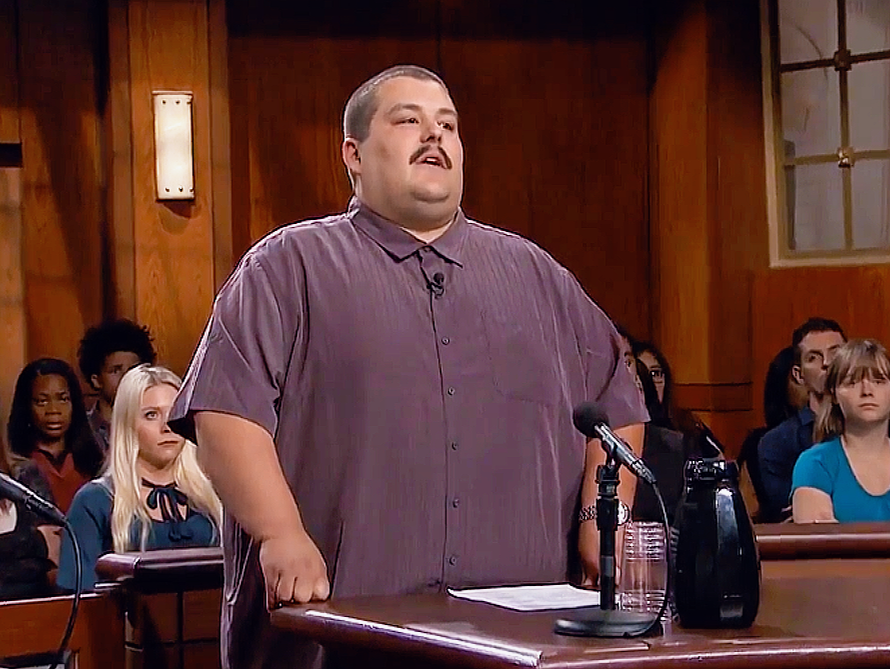
Larry remembered the exchange differently. He testified that Matthew asked whether he could borrow the $1,500, and Larry agreed, saying he would need it back within six months or as soon as possible. Larry also said that he had clearly called the money a loan.
The evidence presented in the SRT did not include a written loan agreement, repayment schedule, or receipt containing those terms. That left Judge Scheindlin to compare the parties’ recollections and the timing of their later conversations.
The Birthday-Party Confrontation
Larry explained why he raised the issue so soon after giving Matthew the check. At the birthday party, Larry was also speaking with his nephew, identified as Pat, about another loan of $1,700. Pat had a car for sale and said he would repay Larry. Larry then turned to Matthew and said he would need that money back too.
Matthew, Larry testified, froze and said nothing. Larry initially did not think more about it. Later, he concluded that Matthew probably could not repay the full amount immediately, but that repayment within six months would be acceptable. Larry acknowledged that he did not have a separate conversation with Matthew to establish that revised understanding.
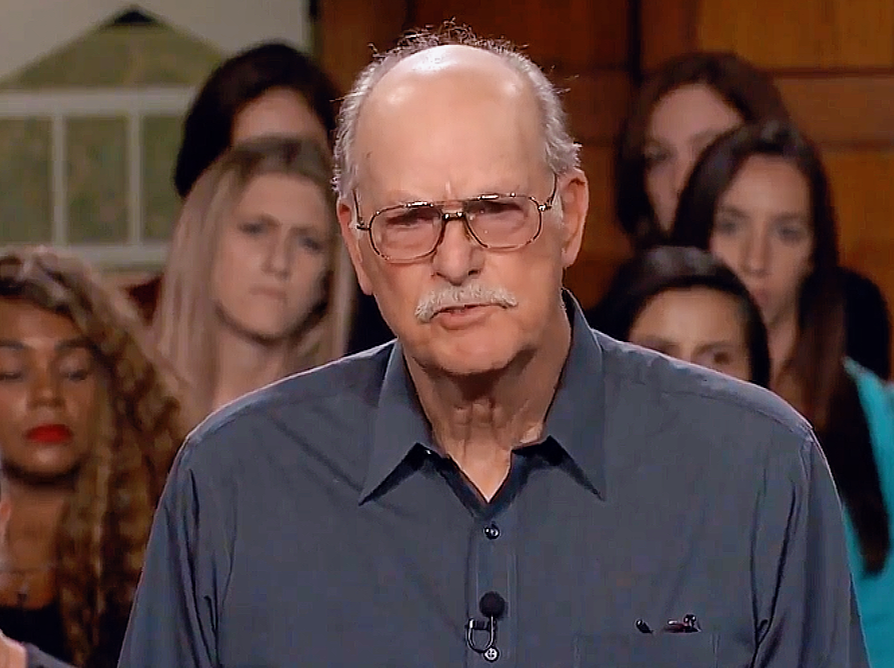
The exchange left the family relationship badly strained. Larry said Matthew would not speak to him and had Daris reach out instead. Judge Scheindlin returned to the same practical point: the grandson had been able to contact his grandfather to obtain the money, yet direct communication disappeared once repayment became the issue.
Larry did recall one later phone call. He said Matthew contacted him while Larry was planning his trip and asked whether Larry could make deposits into his bank account. Larry could not remember what he had replied. The plaintiff then rested, seeking the full $1,500.
A Hug After the Judgment
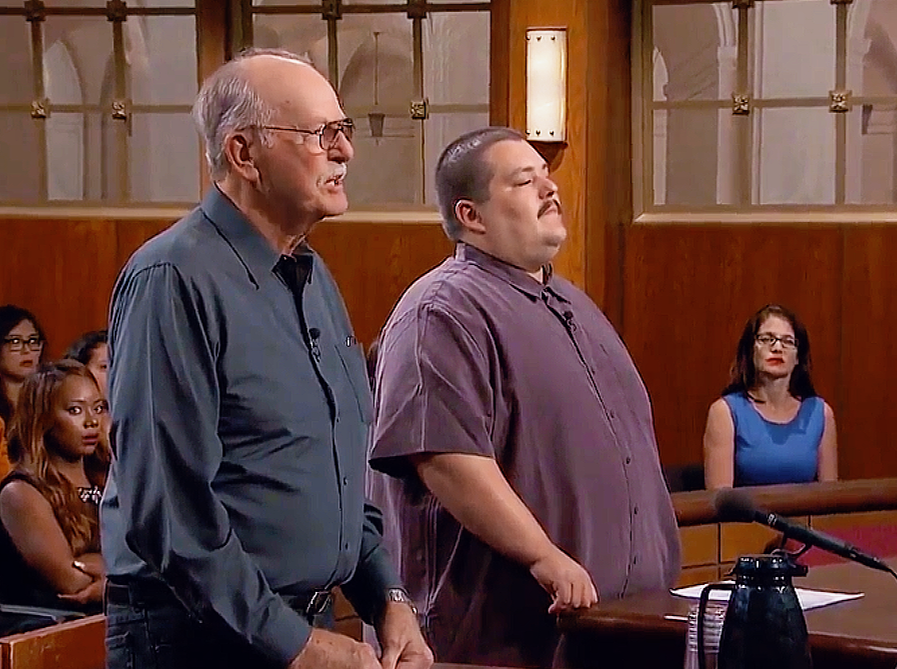
After the hearing, Matthew said, “I guess I owed him the money.” He also said that Larry would not even give him five dollars, a remark that suggested the dispute had become larger than the original check. Matthew hoped the family could return to the relationship they had before the lawsuit.
Larry expressed a similar hope. He said he wished Matthew had done something earlier so they would not have ended up in court and that he hoped things would work out in the long run. The moment ended not with another argument, but with a hug and Matthew saying, “Sorry, Grandpa.”
The SRT identifies the result as a judgment for the plaintiff in the amount of $1,500. The ruling resolved the financial claim, but the closing exchange showed that the family relationship remained part of the aftermath.
Karen Martell and Cassandra Martell: The Cancelled Cruise
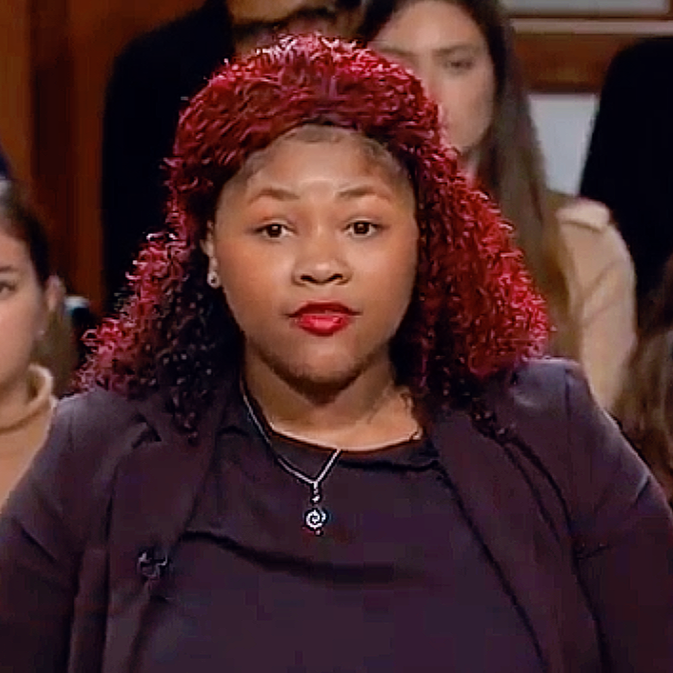
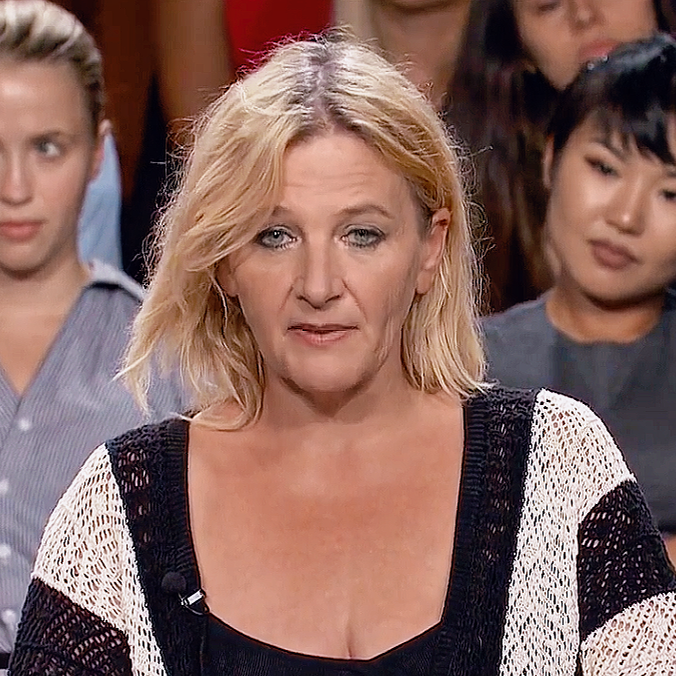
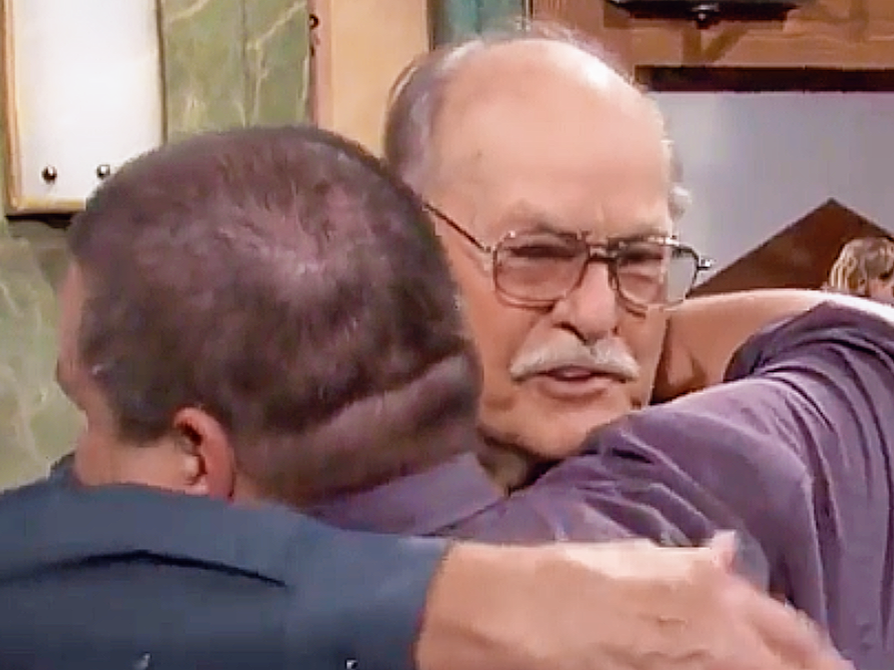
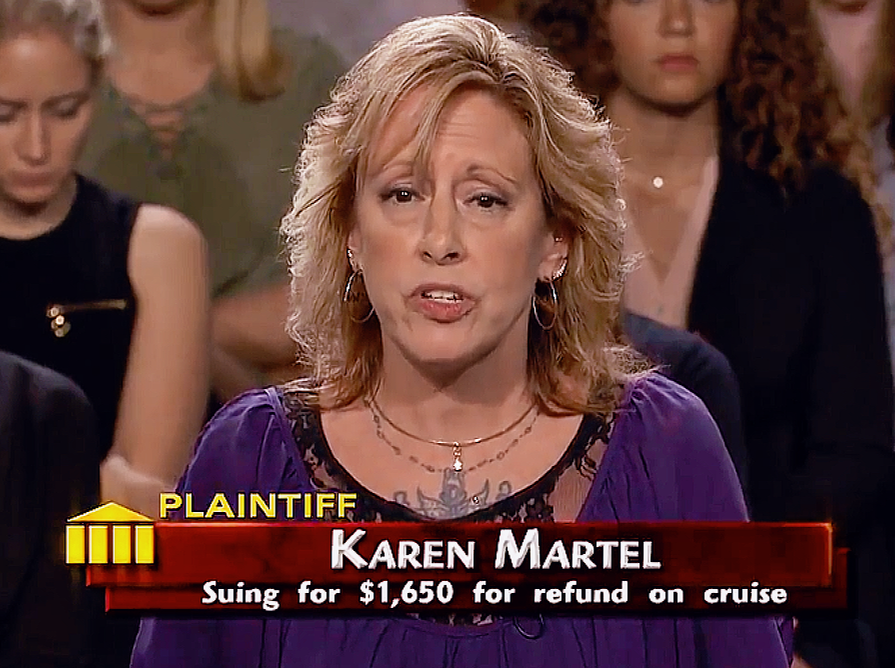
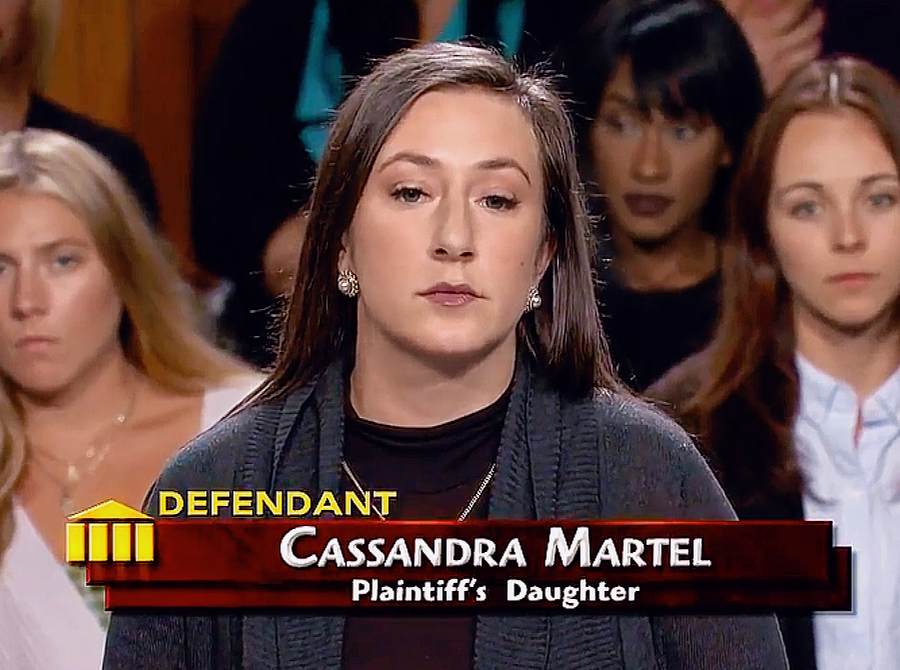
The second case, Martell v. Martell, involved Karen Martell suing her daughter, Cassandra Martell, for $1,650. The money had been intended for a family trip to the Caribbean, including a cruise and airfare.
Karen planned to take Cassandra and Cassandra’s younger sister out of the country to celebrate the younger girl’s graduation from junior high school. Cassandra, who said she was more experienced at making travel arrangements, helped find the trip. Karen gave her a total of $1,650: money for a deposit toward the trip and money for airfare. Cassandra said the payments were made separately, months apart, and that the planned trip was for January 2018.
The testimony contained some initial confusion about when the money was provided. After questioning, Cassandra identified May 2017 for one payment, while the later testimony and the bank statement placed the cruise activity in June 2017. The important sequence was clearer: the cruise deposit was paid, the travel plans later collapsed, and a refund was issued in October.
The problem began with a passport and permission issue. Cassandra said the children’s father was not signing off on a passport. She told her mother that Karen could go to the courthouse and obtain proof of sole custody, but Karen never did so. Cassandra said that, amid those circumstances, Karen lost interest in the international trip.
The Refund, the Second Trip, and the Missing Proof
Cassandra requested a refund and received it. She did not return the money to Karen.
Her explanation was that Karen had told her she could keep the money. Cassandra said Karen changed her mind several times between August and October—at one point saying Cassandra could keep it, then asking for some of it back, and later saying again that she could keep it. By the time the refund arrived in October, Cassandra said she had made arrangements for another trip in November and used the money toward it.
Judge Scheindlin asked for proof that Karen had authorized Cassandra to keep the refund. Cassandra had none. She said she did not think to save evidence because she did not expect her mother to change her mind and ask for the money again.
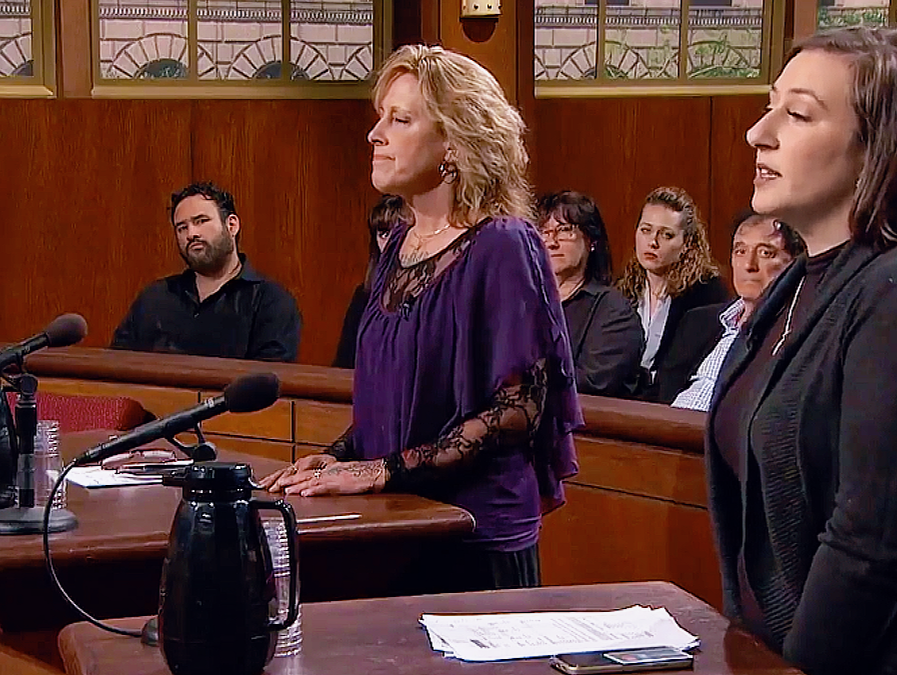
The documentary evidence became important. Cassandra showed a bank statement printed from online banking after searching for transactions associated with Royal Caribbean. The statement showed the cruise deposit in June 2017 and refund entries in October; the testimony referred to the incoming refund as appearing on October 10. Cassandra also produced information about the replacement trip, but Judge Scheindlin noted that the later booking did not occur until late November—more than a month after the refund.
That timing weakened Cassandra’s explanation that the refunded money had immediately been committed to another trip. It did not, by itself, answer whether Karen had once said Cassandra could keep the money. But without written proof, the case turned again on conflicting accounts and the sequence of events.
Karen testified that she wanted the refund so she could take her 15-year-old on a vacation within the United States, without needing a passport. She said Cassandra told her the money would be in the account within a couple of days, but Cassandra never confirmed that she had actually received it. Karen said she had been trying to recover the money for nine months.
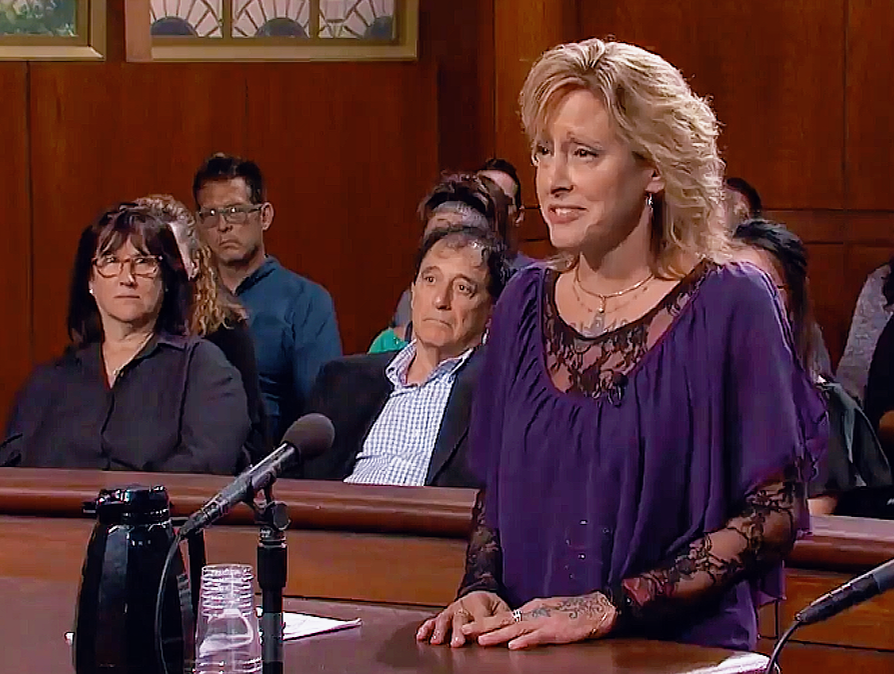
The two women lived across the street from each other, yet Karen said she could not reach her daughter. She testified that Cassandra had blocked her phone number and that there had been no communication. Karen also presented text messages showing attempts to ask for the money before Cassandra went on a vacation or cruise with her aunt Liz, who was from Cassandra’s father’s side and was not related to Karen.
A Judgment After Nine Months of Silence
When Judge Scheindlin asked why Karen was in court, Karen’s answer was direct: it had been nine months, she had been trying to get her money back, and Cassandra had been avoiding her.
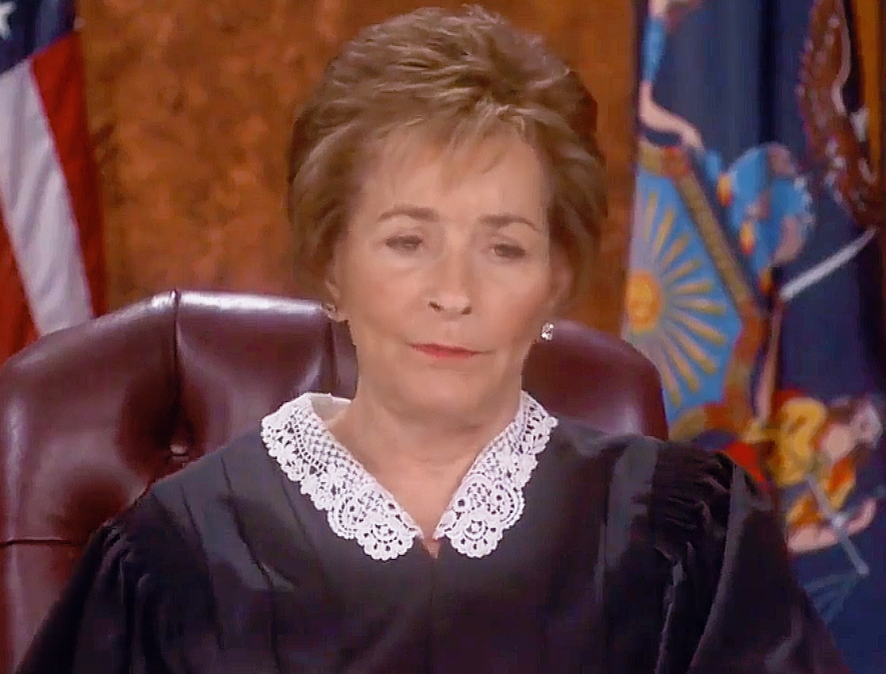
The court entered judgment for Karen in the amount of $1,650.
Afterward, Cassandra said she had confidence in Judge Scheindlin’s decision but maintained that her mother had changed her mind several times. She believed the dispute could have been avoided if Karen had spoken with her from the beginning. Cassandra described their relationship as on and off, adding that she was not surprised by the conflict.
Karen’s closing words were less triumphant than wounded. She said she loved Cassandra because she was her daughter, but that she was hurt. She hoped they could move forward.
What Both Cases Revealed
These two family lawsuits were different in subject but similar in structure. In the first, money was provided during a custody crisis and later disputed as a loan or a gift. In the second, money was provided for travel, refunded after the plans failed, and then disputed after it was spent elsewhere.
Neither story was presented as a formal commercial transaction between strangers. Each began with family members assuming that trust and shared understanding would be enough. But once circumstances changed, the absence of clear written terms became central.
The SRT does not provide every document, legal rule, or piece of evidence considered by the court. It does show the human cost of unclear agreements: indirect messages, blocked calls, and months of silence as relatives met in court to reconstruct conversations that could have been documented at the start.
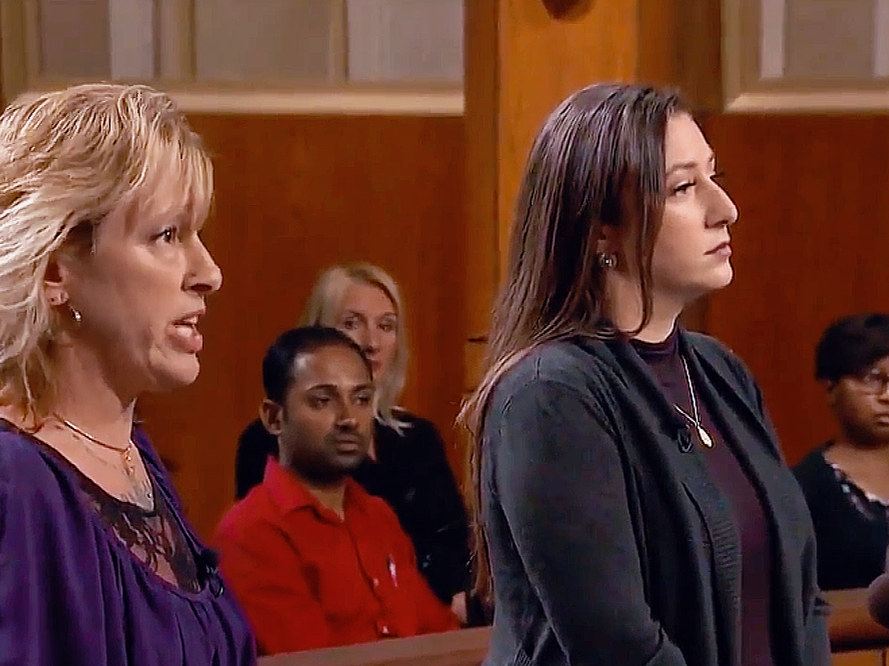
The final images are therefore complicated. Matthew apologized to his grandfather after the $1,500 judgment. Cassandra and Karen left with a $1,650 judgment and a relationship neither described as easy. In both cases, the court could decide who owed what. It could not guarantee that a ruling would restore the trust that had been lost.
FAQ
What was Larry Straight suing Matthew Straight for?
Larry Straight sued his grandson, Matthew Straight, for $1,500. The money had been used to help Matthew pay attorney fees in a custody case involving his son.
Did Matthew Straight say the money was a loan?
No. Matthew argued that the money had never been presented to him as a loan. Larry testified that he called it a loan and expected repayment within six months or as soon as possible.
What was the judgment in Straight v. Straight?
The SRT identifies a judgment for Larry Straight. the plaintiff, in the amount of $1,500.
Why did Karen Martell sue Cassandra Martell?
Karen sued Cassandra for $1,650 after money intended for a Caribbean cruise and airfare was refunded but not returned to Karen.
What happened to the Martell family cruise?
The international trip fell apart after problems obtaining a passport and the required consent or documentation. Cassandra said Karen lost interest, and a refund was later issued.
What was the judgment in Martell v. Martell?
Judge Judith Scheindlin entered judgment for Karen Martell in the amount of $1,650.
Did Cassandra Martell have proof that her mother let her keep the refund?
Cassandra testified that Karen had told her she could keep the money, but she acknowledged that she had no written proof of that permission.