The first dispute began with a $3,800-plus aquarium that arrived scratched. The second involved a 1998 Lexus that was never registered by the person who bought it. In both cases, the courtroom question was larger than the property itself: what happens when people rely on informal promises, incomplete records, and the belief that the details can be sorted out later?
Case One : A Custom Aquarium That Arrived Damaged
The first case opened with an expensive purchase and an absent witness.
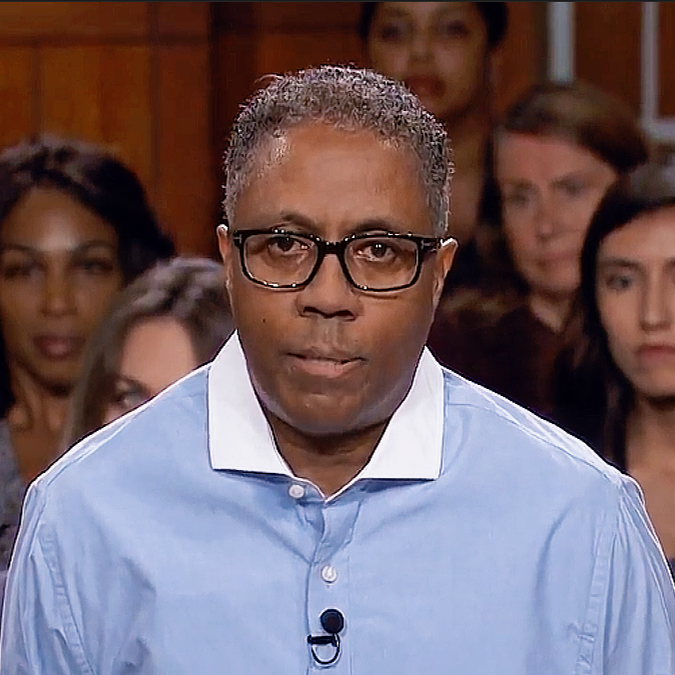
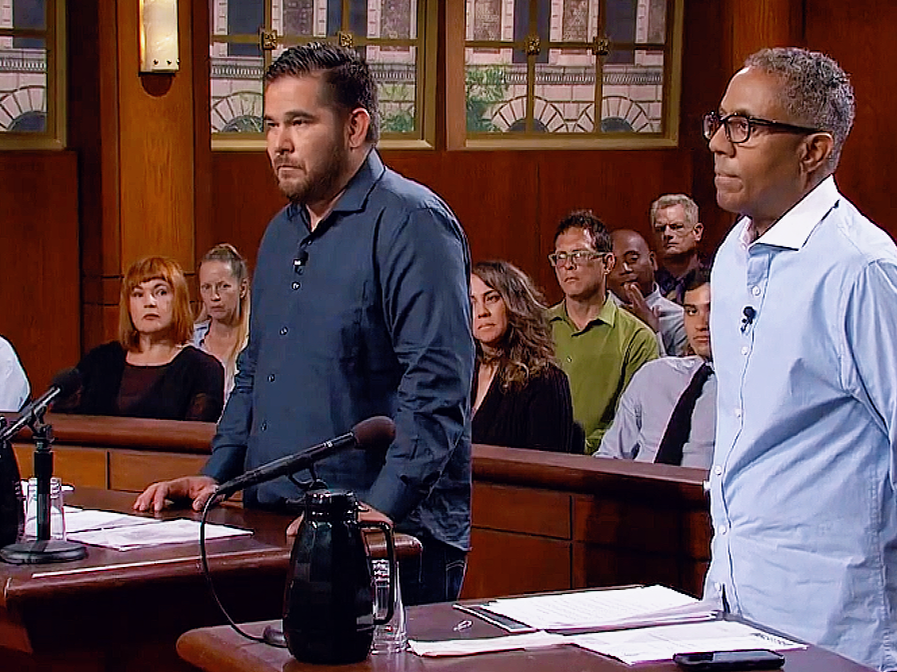
Simon Palafox appeared in court as the operations manager for Fish Gallery Incorporated. The company was suing customer Ronald Winston over the value of a custom-made fish tank. But when Judge Judith Scheindlin began asking who had actually handled the transaction, the company’s case immediately became more difficult to explain.
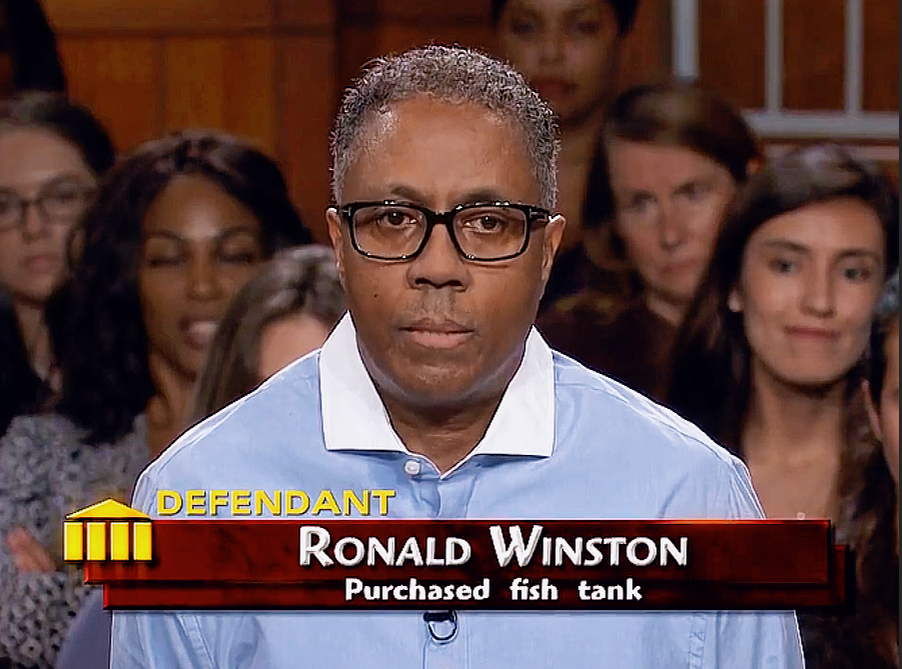
Palafox was not the owner. He was not the store manager. He had not sold Winston the aquarium and had not dealt with him directly. He identified the owner as Roger and the store manager as Paul. Winston, meanwhile, said the employee who delivered the tank was Eric, the service manager. Paul, he explained, was the general manager in Dallas, and Winston had not spoken with him until later legal proceedings.
That distinction mattered because the company’s witness did not have firsthand knowledge of the sale, delivery, damage, or conversations that followed. Judge Judy made clear that a representative who only knew the story secondhand could not reliably establish the facts of the dispute.
The basic timeline, however, emerged from the questioning. Winston ordered the aquarium on February 2. It was described as a custom-made tank, and he paid more than $3,800—an amount repeatedly characterized in court as close to $4,000. The tank was eventually delivered on March 29.
The next day, March 30, Winston called to complain about damage. He said the aquarium was defective and had scratches. At another point, the testimony referred to Winston calling within a day or within a couple of days of delivery. The consistent point was that he did not wait months to raise the complaint: he contacted the company almost immediately after the tank arrived.

The Missing Replacement and the Credit-Card Dispute
According to the testimony, someone from Fish Gallery came to inspect the aquarium after the complaint. Winston said the company promised a replacement within a week. That replacement did not arrive, and the promised follow-up did not occur within the stated time.
Winston then followed up with Eric, the service manager and the person associated with the delivery. After roughly a month, Winston went to the store himself to find out what was happening. He said Eric offered him $200.
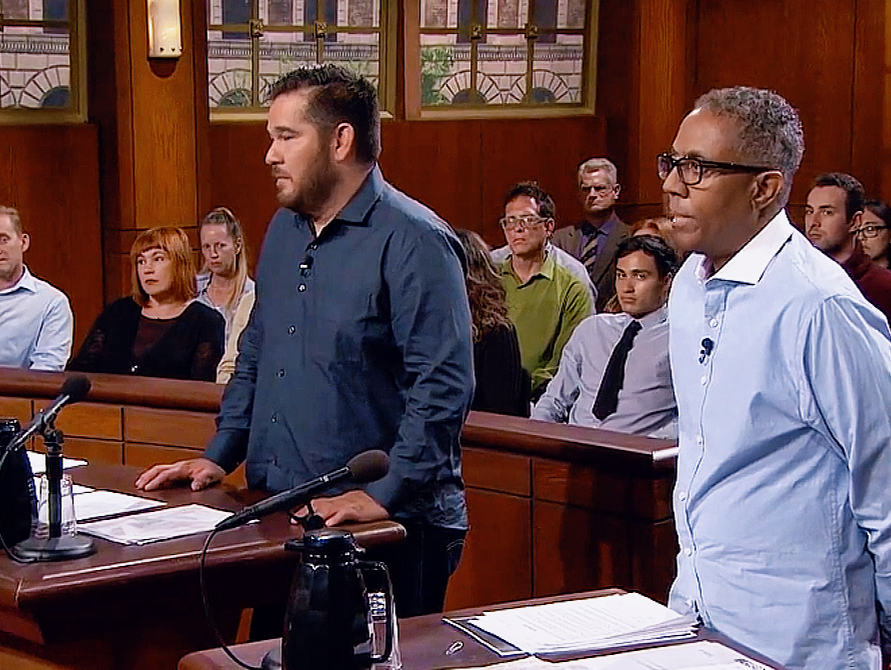
The offer did not resolve the dispute. Winston had paid thousands of dollars for an aquarium he said was damaged on arrival, and he did not agree to accept a small reduction while keeping the disputed tank. He also sought relief through his credit-card company, reporting that the merchandise was defective and requesting that the charge be reversed.
By the time the case reached Judge Judy, Winston still had the first aquarium at his location. Fish Gallery’s position, as presented through Palafox, was that another tank had been ordered. The company argued that the replacement was delayed because the tank was on backorder and that the delay was not within the store’s control.
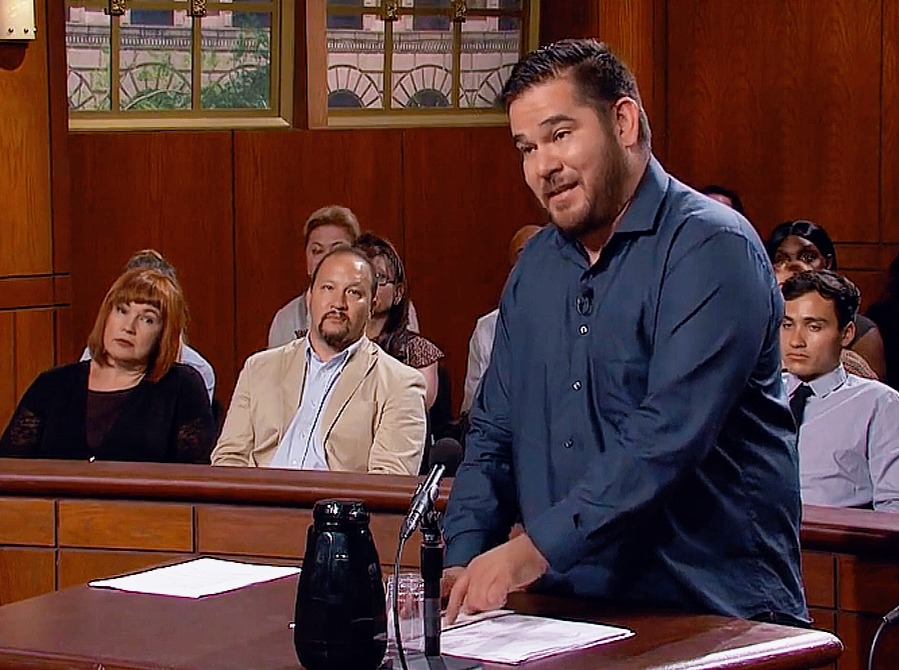
Judge Judy did not accept that explanation as a complete answer. A backorder might explain why a replacement was late, but it did not explain why a scratched aquarium had been sent to a customer in the first place. Nor did it erase the company’s responsibility to communicate clearly after Winston complained.
The judge also focused on the commercial incentive involved. Fish Gallery’s salespeople were paid hourly and by commission. The salesperson connected to Winston was not in court. Judge Judy questioned whether the desire to protect a commission—and what she described as the company’s profit on the transaction—had encouraged the business to delay, minimize, or redirect the customer’s complaint.

Why Judge Judy Rejected Fish Gallery’s Presentation
The courtroom’s central problem was not simply whether the glass was scratched. It was whether the company had treated a customer’s complaint as something to manage rather than resolve.
Palafox said the store’s showroom included display models and that the 72-inch size was a commonly requested custom measurement. He also explained that the store did not keep back stock in the ordinary sense. But the testimony created a contradiction. If a tank of that size was available in the store, Judge Judy asked, why had it not been delivered promptly after Winston ordered it on February 2?
The company’s account referred to scheduling changes. Delivery was discussed for an earlier date and was later moved to March 29. Judge Judy pressed Palafox on whether the tank had actually been available and whether delivery had been held back so the company could present it as a specially ordered custom product.
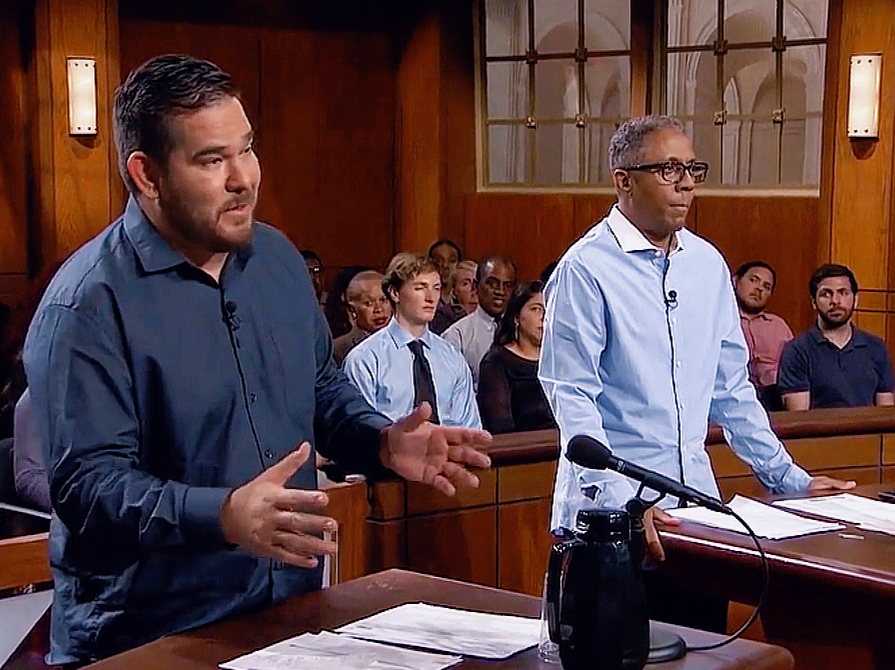
She compared the explanation to taking a dress from the back of a store, setting it aside for a month, and then describing it as custom-made to a customer’s measurements. Palafox acknowledged the point, but the explanation did not persuade her.
Judge Judy also rejected the idea that Winston could keep the aquarium without paying simply because the credit-card charge had been reversed. She described that outcome as an unjust enrichment if Winston kept property he said he did not want while retaining the benefit of the reversed charge. The remedy was therefore not a windfall for either side: Winston was required to make the tank available, and Fish Gallery was ordered to arrange pickup within five days. If necessary, a marshal could assist with the collection.

The judge also stated that the company’s failure to send a witness with firsthand information weakened its position. The proper witness would have been someone who knew what happened during the sale, the delivery, the complaint, and the replacement discussions—not an operations manager who had to rely on what others had told him.
After the ruling, Fish Gallery acknowledged that the aquarium had scratches on all three sides of the glass. The company said the $200 offer had been intended to account for some of Winston’s waiting time. It also said the replacement had taken longer because of supply problems. The business ultimately accepted that its process needed improvement, including speaking with sales staff and inspecting products before they left the store.
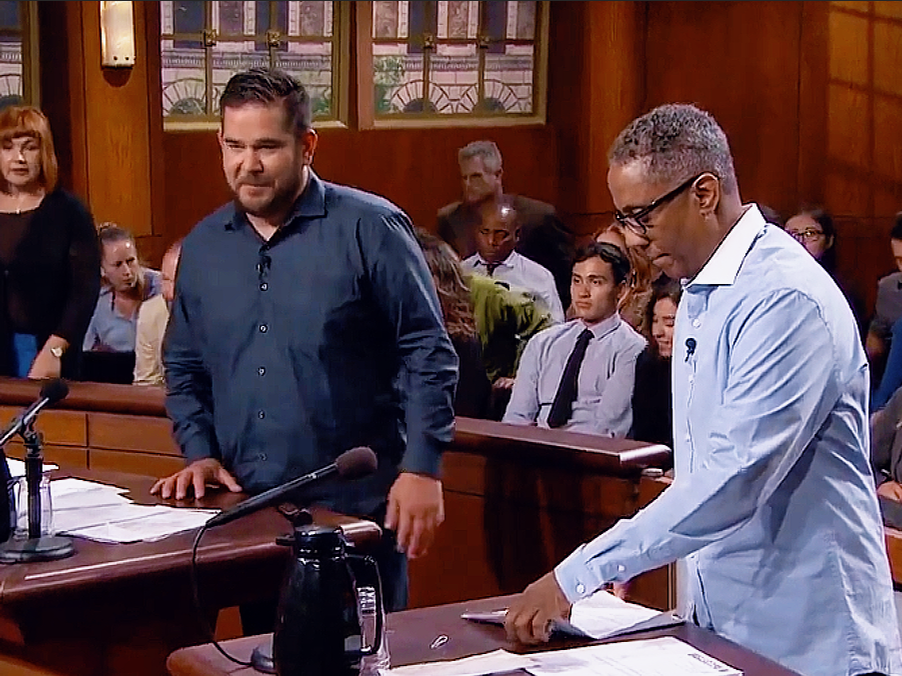
Case Two : The Lexus Dispute Between James Shrek and Jennifer Mullet
The second case moved from a damaged product to a damaged relationship.
James Shrek sued his former girlfriend, Jennifer Mullet, seeking the return or value of a Lexus and lost wages. The transcript later identifies the plaintiff as James Schreck in an introduction, while the initial case announcement uses “Shrek.” This article preserves both spellings as they appear in the source transcript; the hearing itself identifies the parties as James and Jennifer.
The two had known each other for eight years and dated on and off. They lived together for approximately two months. They had not previously lived together during those eight years, and James said he believed the relationship was exclusive, at least from his perspective.

The dispute centered on a 1998 Lexus. James said Jennifer took the car when they separated. Jennifer’s position, as summarized in court, was that he had given it to her. The ownership question became complicated because the vehicle was not properly registered after it was purchased.
James testified that he bought the car from a private individual he found through Craigslist. The seller brought the car to him, and they met at a Burger King near James’s home. The price was $1,250. James had just sold another vehicle and used that money to buy the Lexus.

The car was purchased about two months before the couple moved into the house in June 2017. They moved out on August 13, 2017. James said that before purchasing the Lexus, he had no car. He also said he did not register the vehicle because he lacked the funds to transfer the title while moving into the new home.
That admission became decisive. The car remained registered in the previous owner’s name. James did not have insurance on it. Judge Judy emphasized that failing to transfer the title and registration placed responsibility and risk on someone other than the person actually using the vehicle.
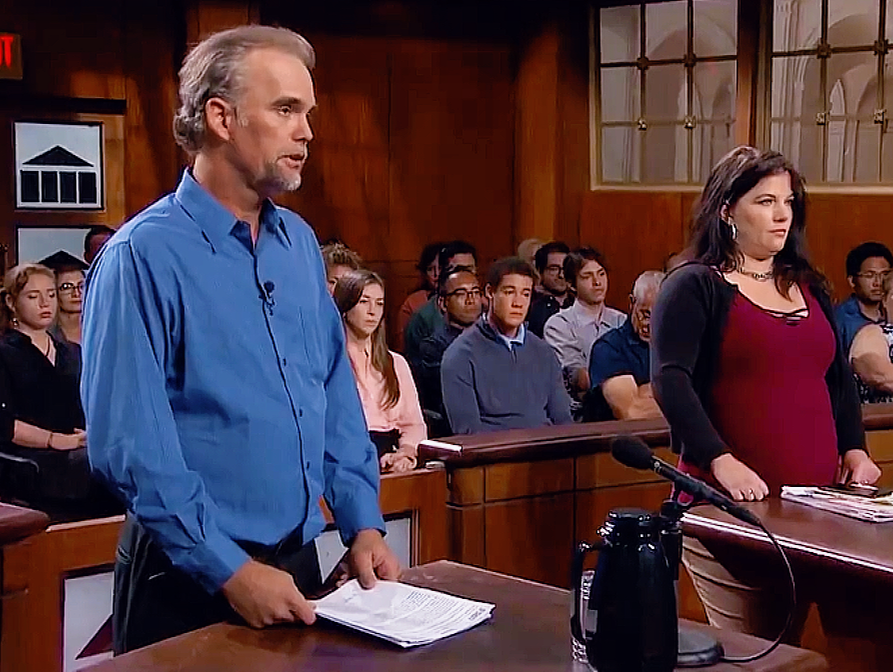
The Paperwork That Changed the Second Case
The courtroom dispute was not limited to who drove the Lexus or who had permission to use it. It was also about what James did after the relationship ended.
James said Jennifer drove the car during the relationship and continued driving it after they split. Judge Judy characterized his account as suggesting that Jennifer took the title document—described in the exchange as the “pink slip”—registered the car herself, and sold it. At another point, the testimony stated that Jennifer drove the car for six to eight months before selling it. Later, when Judge Judy asked who had the vehicle, James said no one had it because it had broken down and he had sold it; Jennifer also said she sold it.
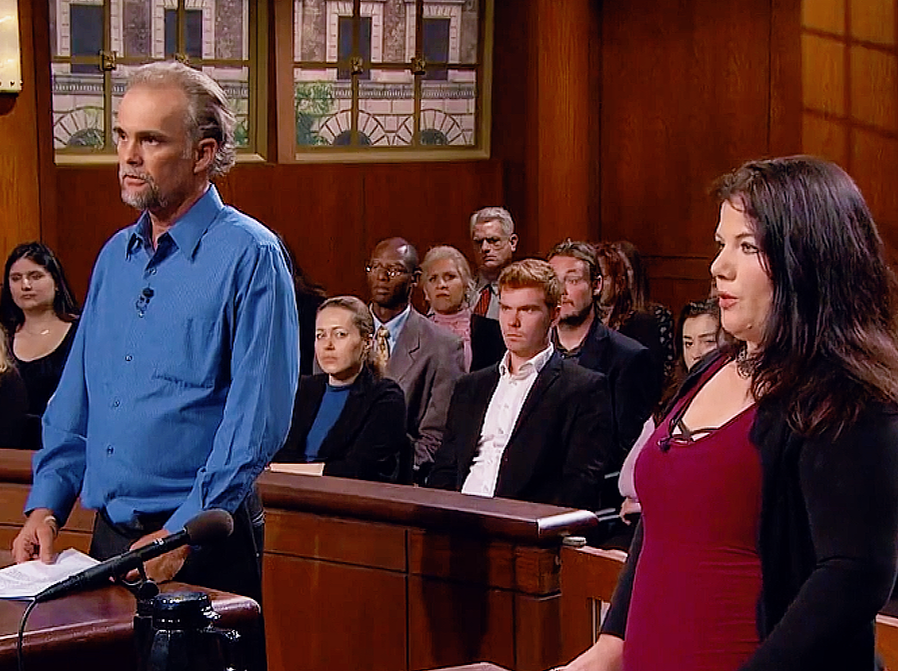
The judge confronted James with a different problem. If he had purchased the car but never registered it in his own name, his ability to prove ownership and transfer the vehicle was severely compromised. He could not simply argue that the car should have been in his name after choosing not to complete the required paperwork.
Judge Judy asked whether James had sold the car to someone else after Jennifer left. He initially resisted a direct answer, saying he had attempted to get something back from the car because he believed Jennifer was trying to take it from him. When pressed, he ultimately answered yes.

That admission undercut the claim for equitable relief. Judge Judy explained that court is a place of equity, where a person seeking help is expected to have acted properly. James had purchased a vehicle, driven it without registration or insurance, lived with Jennifer while she also drove it, and then attempted to sell it after the breakup even though the paperwork had never been placed in his name.
The judge concluded that she was not inclined to help him. The transcript does not state a monetary award in his favor; instead, the case ended with Judge Judy dismissing him from the courtroom after determining that his own conduct made the requested relief unavailable.
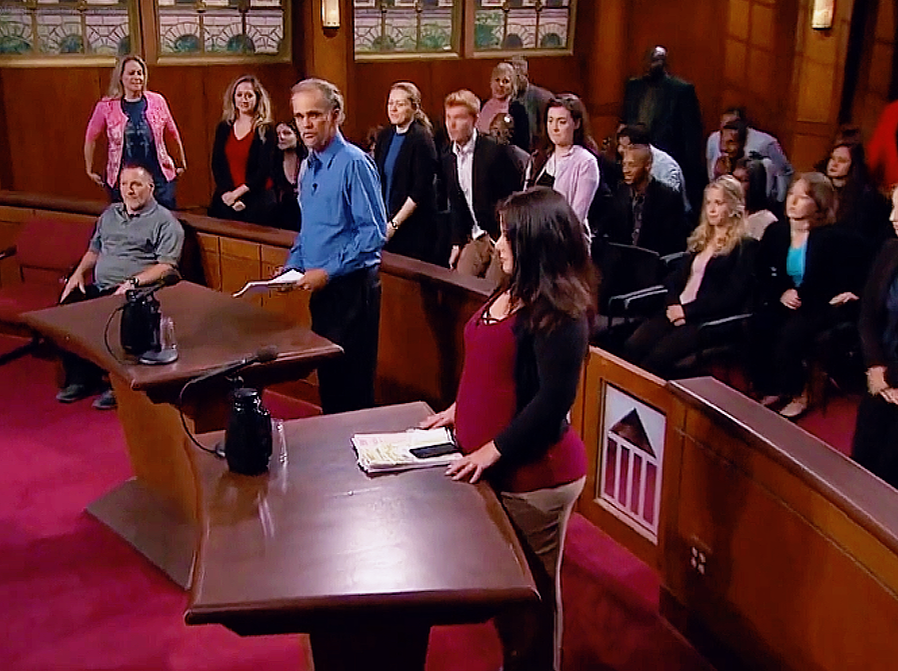
What the Two Cases Revealed
The two disputes involved very different property: a nearly $4,000 aquarium and a $1,250 used Lexus. Yet the same courtroom principle ran through both.
In the Fish Gallery case, the company’s explanation was weakened by poor communication, a damaged delivery, an absent firsthand witness, and an attempted compromise that did not address the customer’s underlying complaint. In the Lexus case, James’s claim was weakened by his failure to register the vehicle, his lack of insurance, and his eventual admission that he had tried to sell it.
Neither case was decided by emotion alone. Judge Judy repeatedly returned to proof, responsibility, and the consequences of each party’s choices. A business cannot avoid responsibility for a defective product by sending an uninformed representative. A person who fails to complete basic ownership paperwork cannot expect a court to repair the consequences after a relationship breaks down.
The broader lesson is practical: inspect expensive goods before accepting them, document complaints promptly, keep communications and receipts, register vehicles correctly, maintain insurance, and do not assume a court will reward conduct that created avoidable risk.
FAQ
What was the Fish Gallery lawsuit about?
Fish Gallery Incorporated sued Ronald Winston over a custom-made fish tank costing more than $3,800. Winston said the tank arrived scratched and defective, and the dispute escalated after a promised replacement did not arrive within a week.
What did Judge Judy order in the aquarium case?
Judge Judy ordered Fish Gallery to arrange pickup of the aquarium within five days of the order. A marshal could assist if necessary. The ruling addressed the fact that Winston still had the tank while the credit-card charge had reportedly been reversed.
Why was the $200 offer rejected?
Ronald Winston did not want a small discount on a tank he said was damaged when delivered. The court treated the main issue as the return of the defective aquarium, not simply compensation for waiting time.
What was the dispute between James Shrek and Jennifer Mullet?
James Shrek—also identified as James Schreck in the transcript—sued Jennifer Mullet over a 1998 Lexus and lost wages. He said she took the vehicle after their breakup; the case turned on the purchase, registration, use, and later sale of the car.
Why did Judge Judy decline to help James?
James admitted that he had not registered the Lexus, had no insurance on it, and later acknowledged attempting to sell the car. Judge Judy concluded that his own failure to handle the ownership paperwork properly and his later actions prevented the equitable relief he wanted.